Tour Overview – High-Altitude Wildlife Expedition— 8 Days
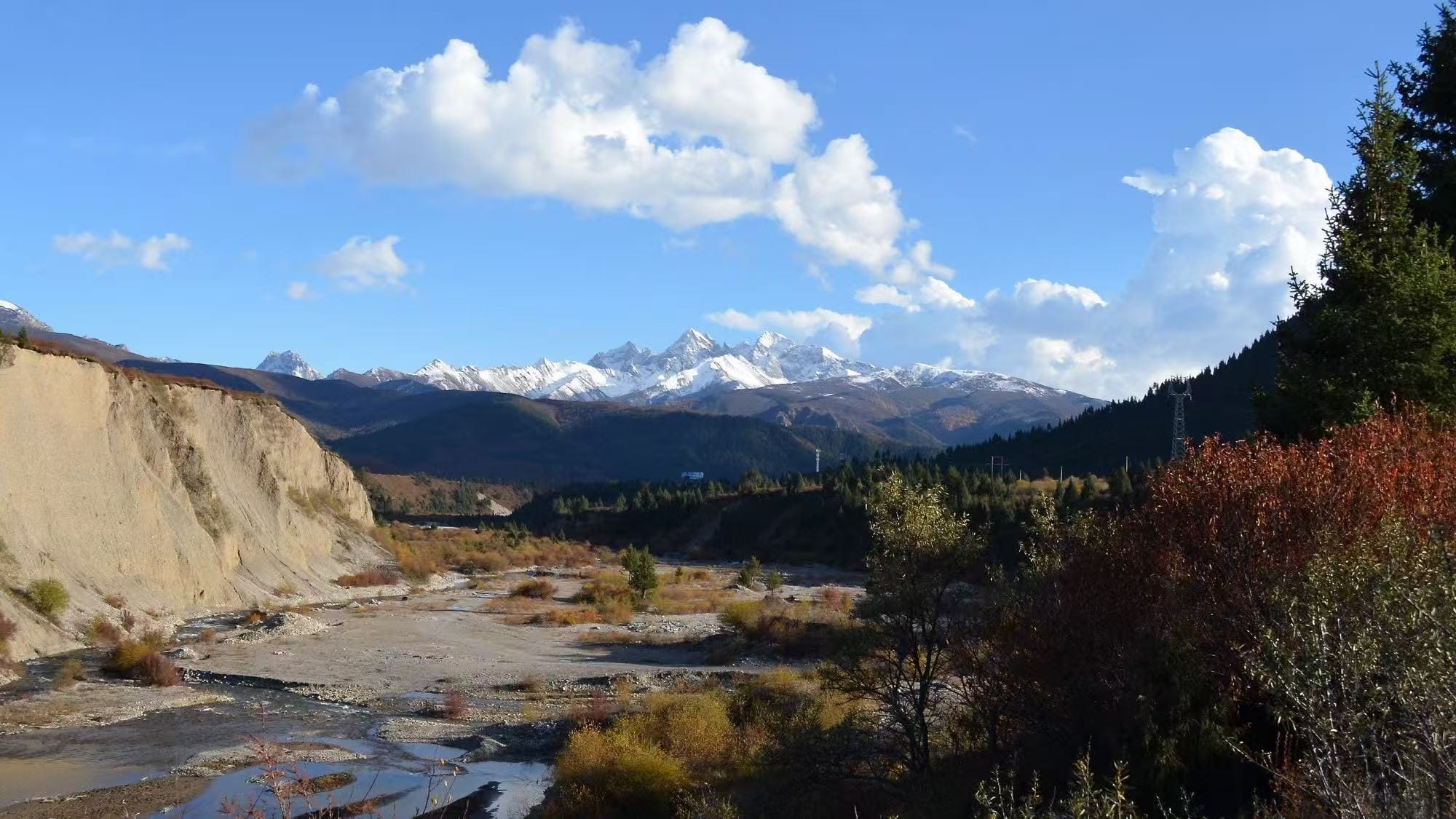
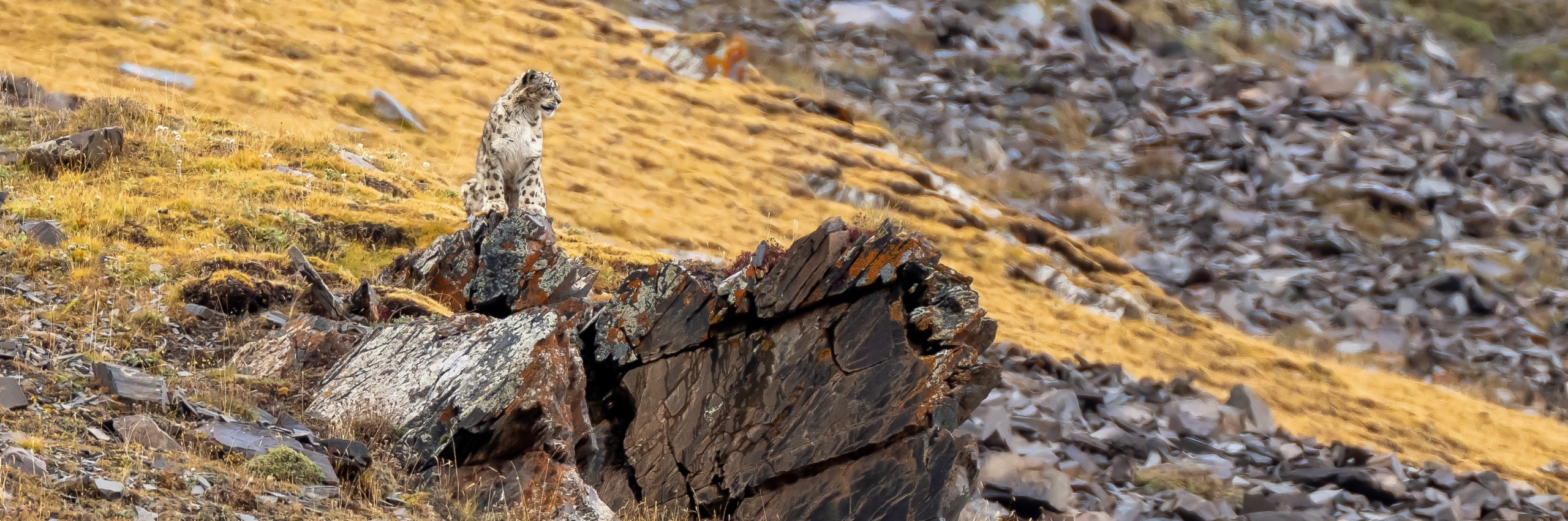
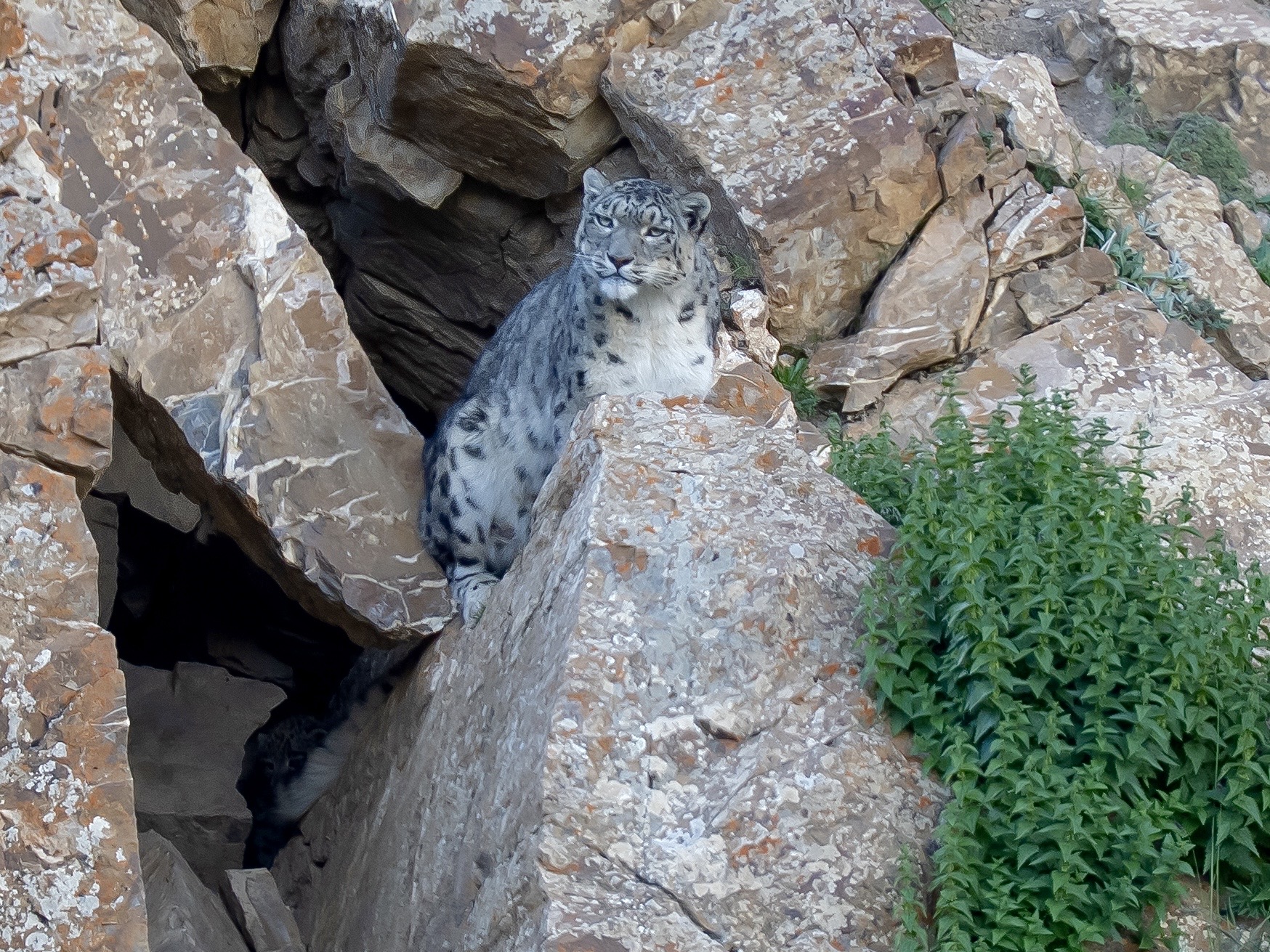
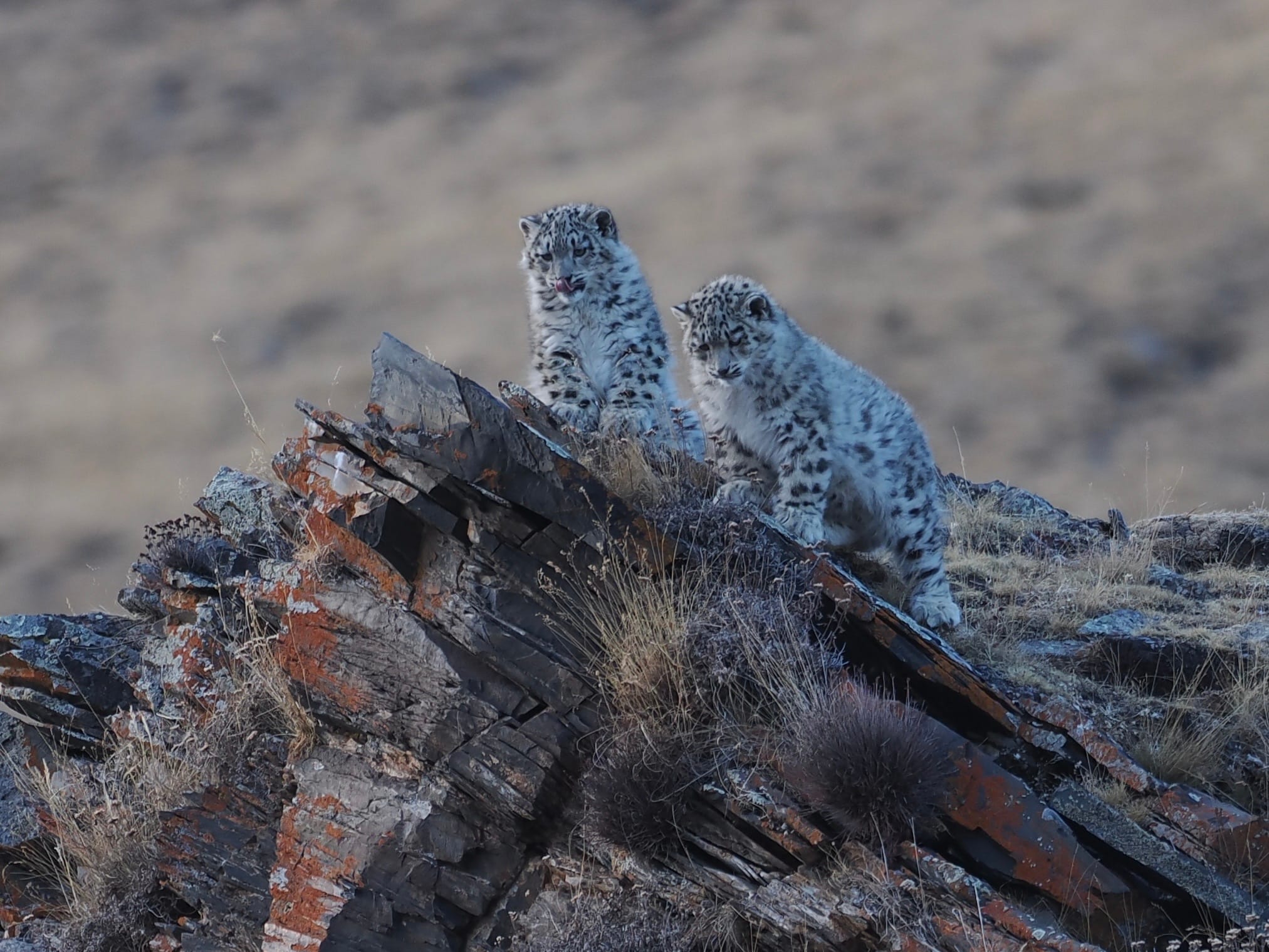
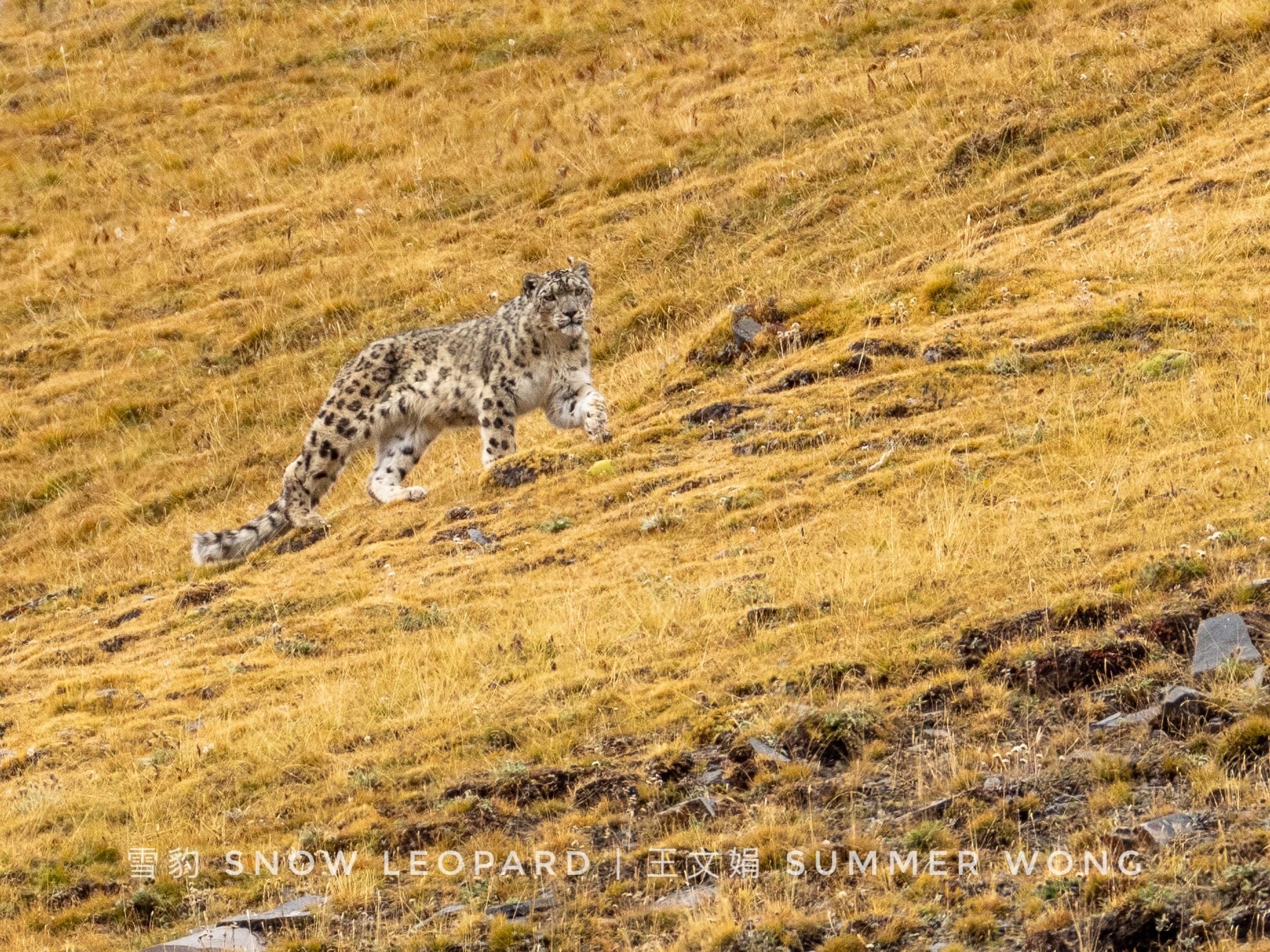
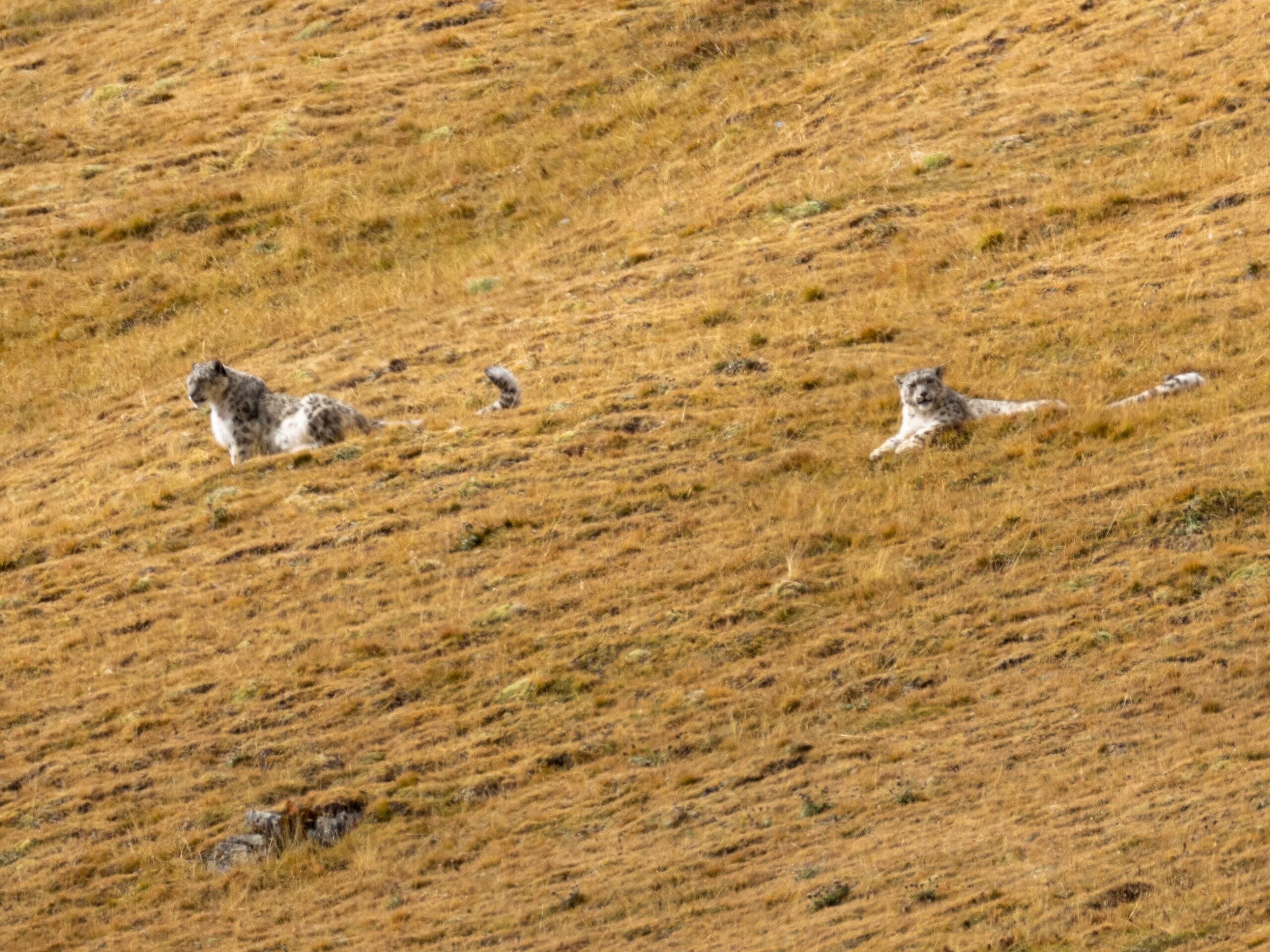
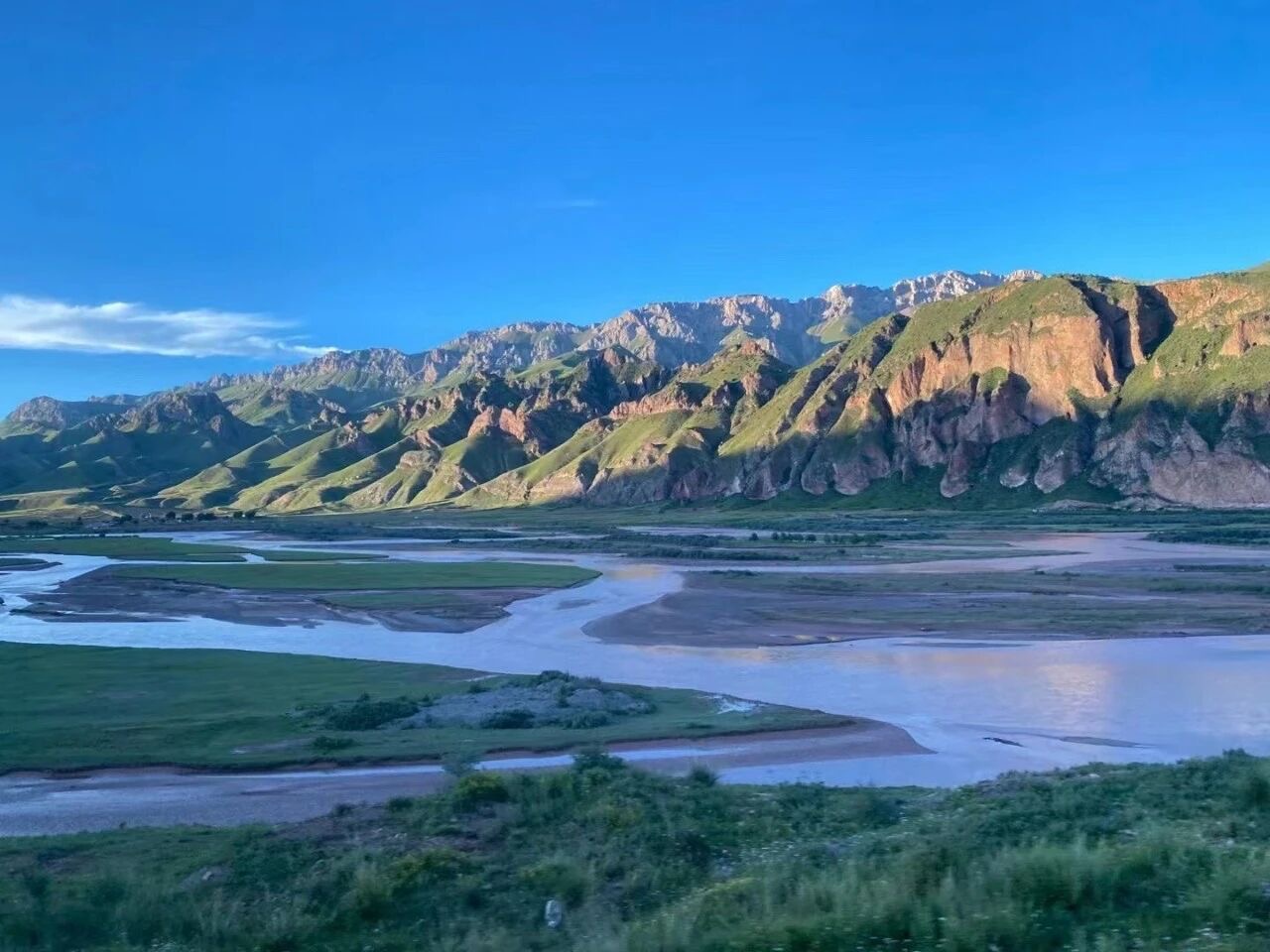
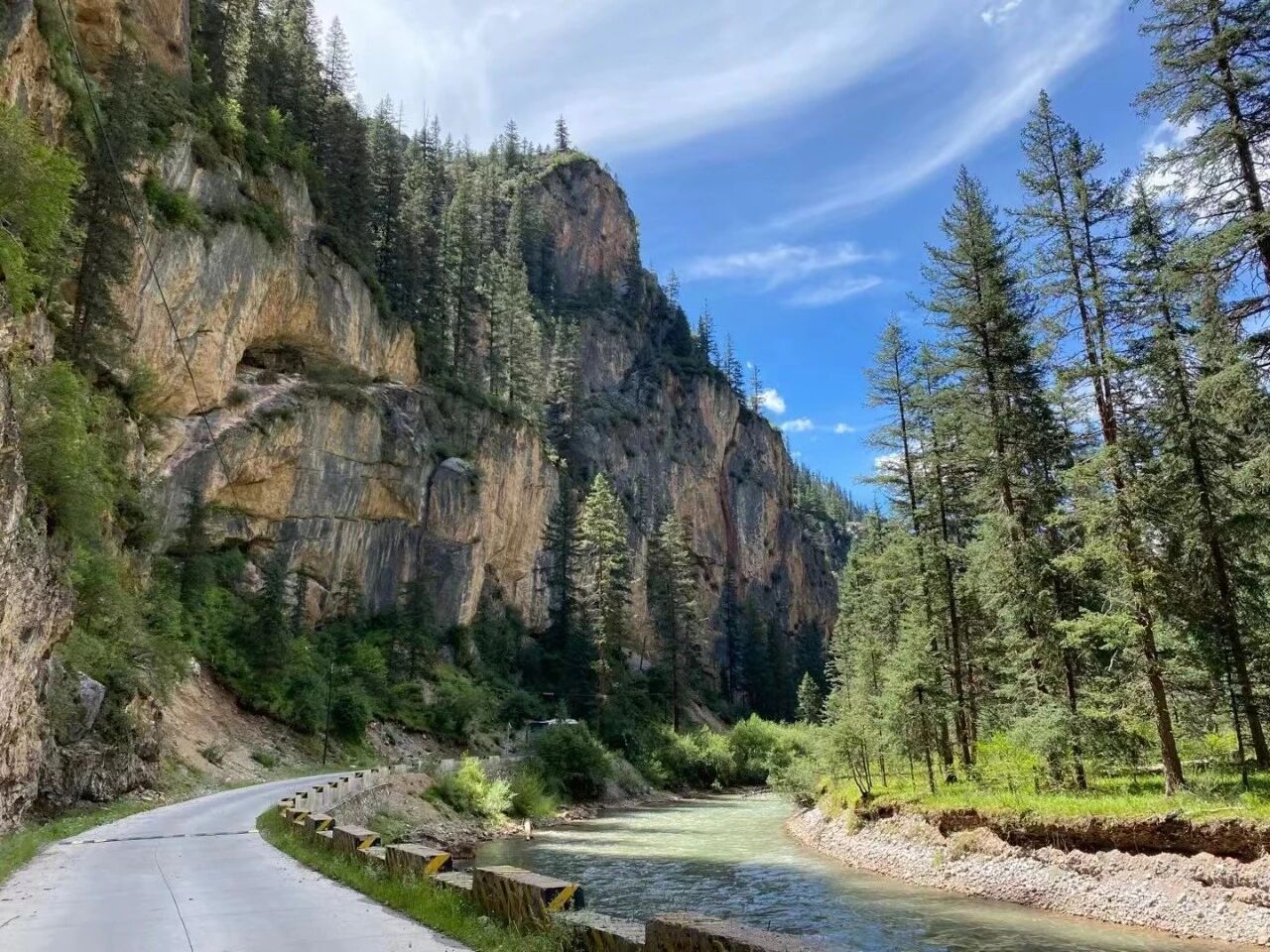
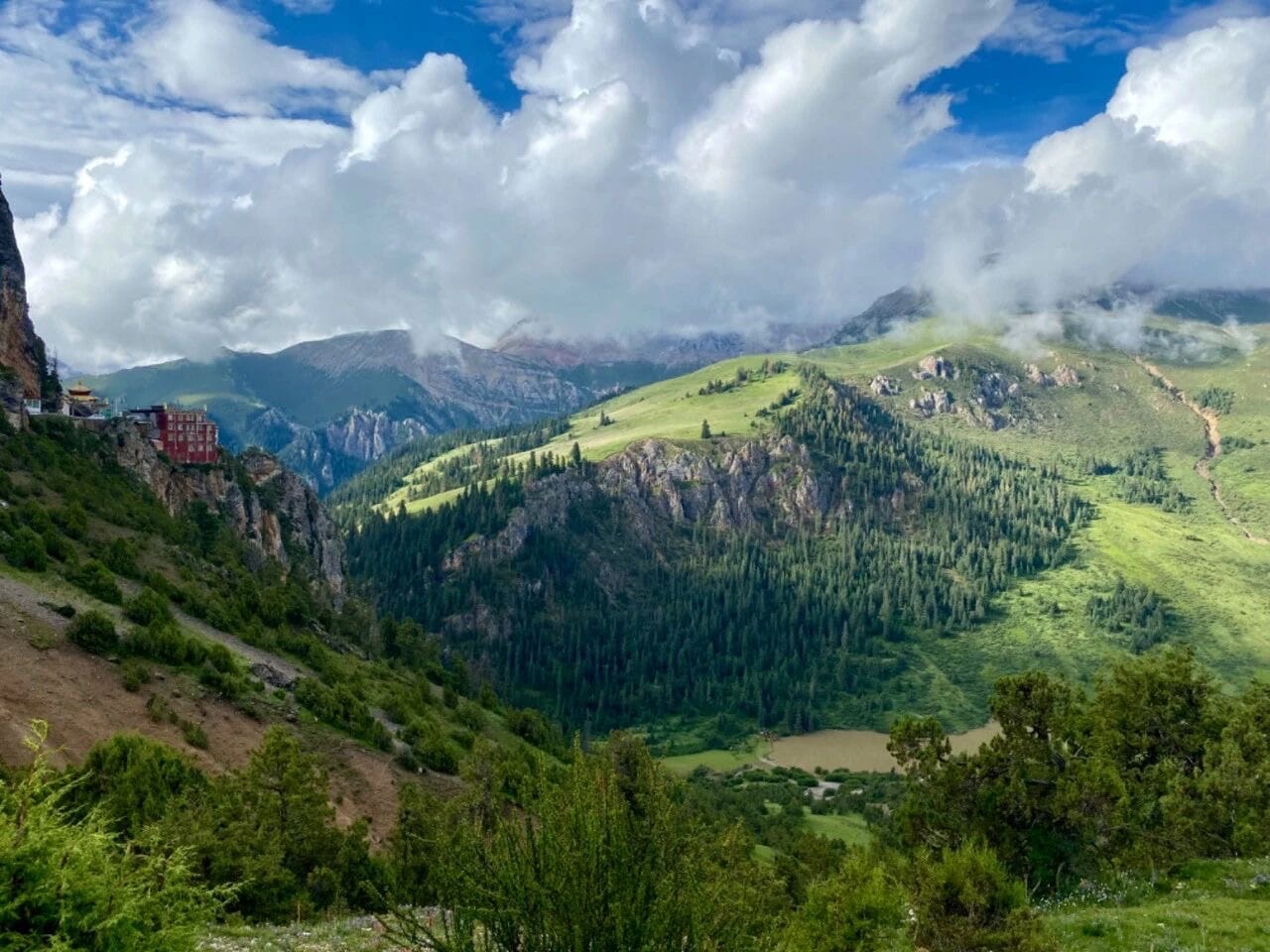
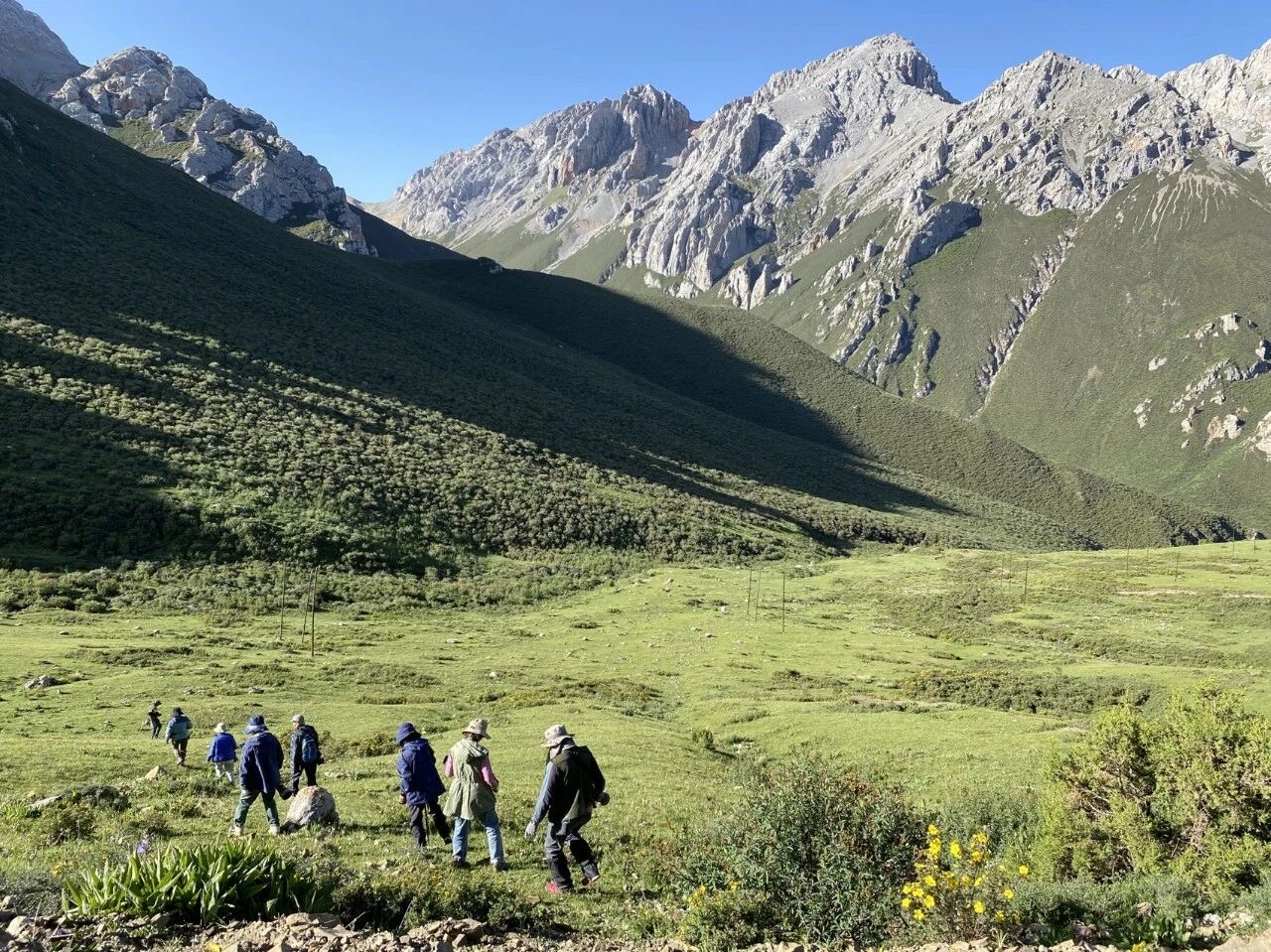
Embark on an unforgettable Snow Leopard Tour in Qinghai, China, a journey deep into the remote highlands of the Tibetan Plateau. This exclusive expedition takes you to the spectacular Gouli Valley, one of China’s best regions for observing Snow Leopards and other rare high-altitude wildlife. Over eight days, you’ll travel across dramatic mountain landscapes, vast grasslands, and glacial valleys in search of these elusive big cats, guided by expert naturalists and experienced local trackers.
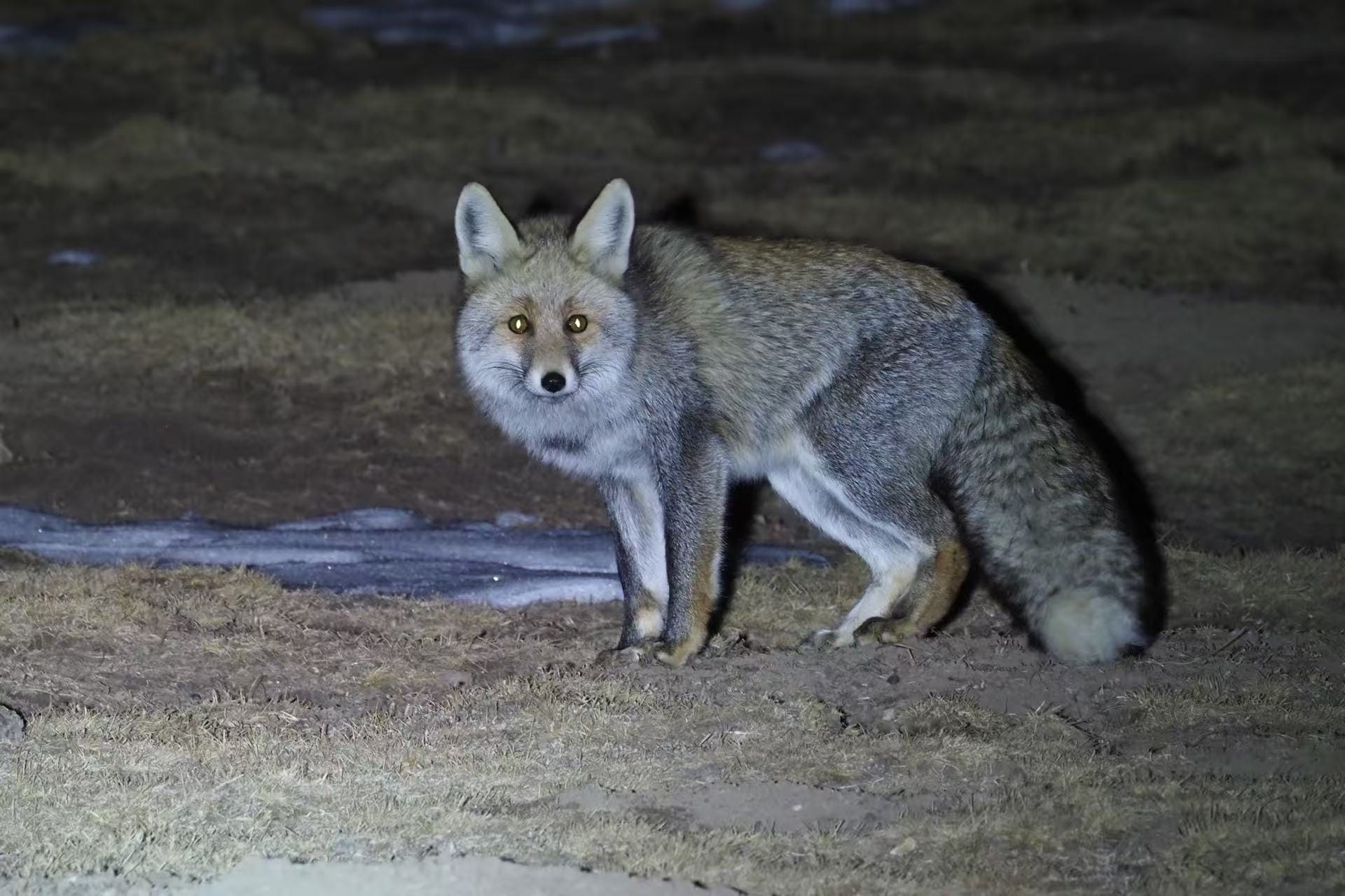
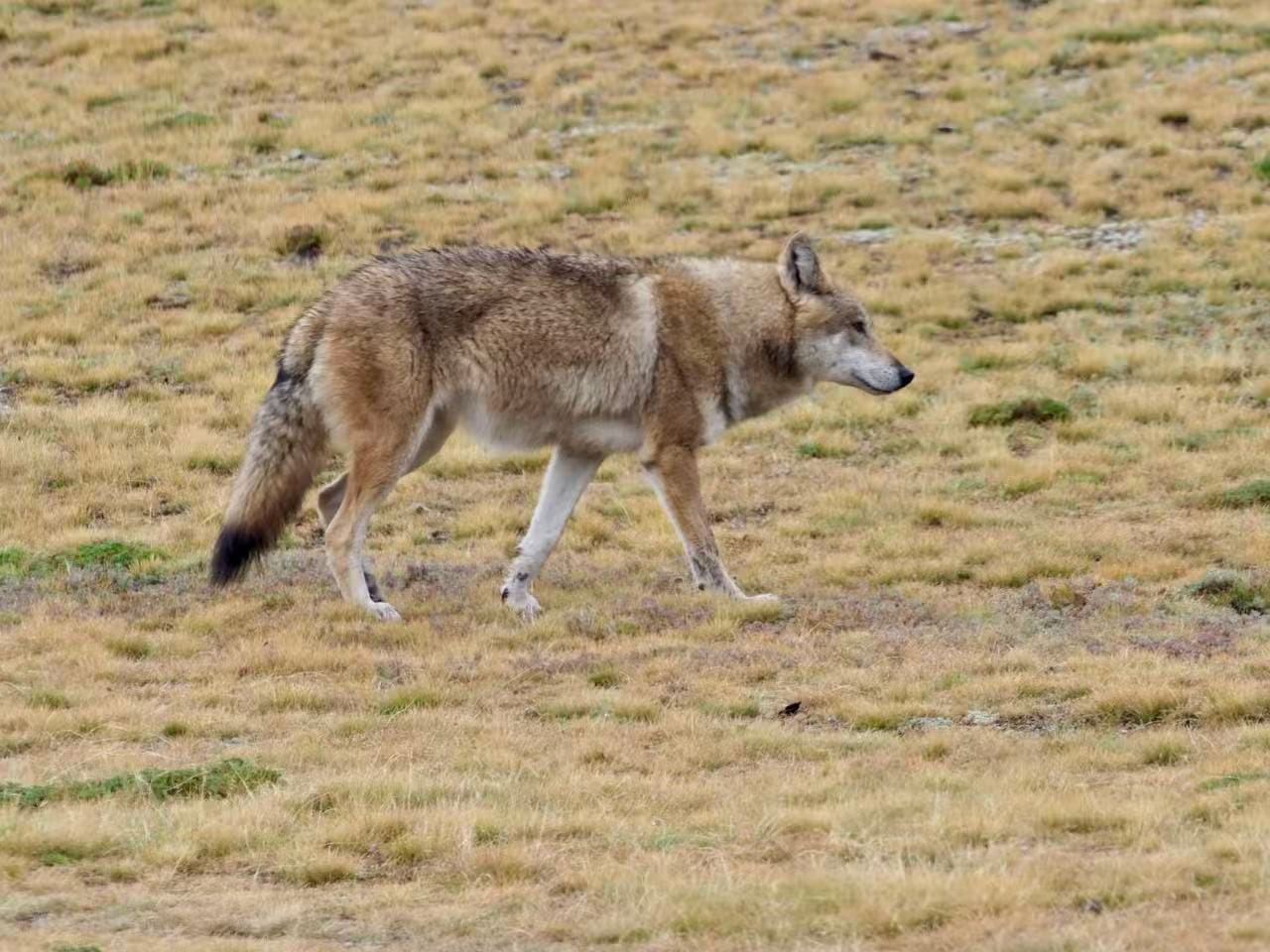
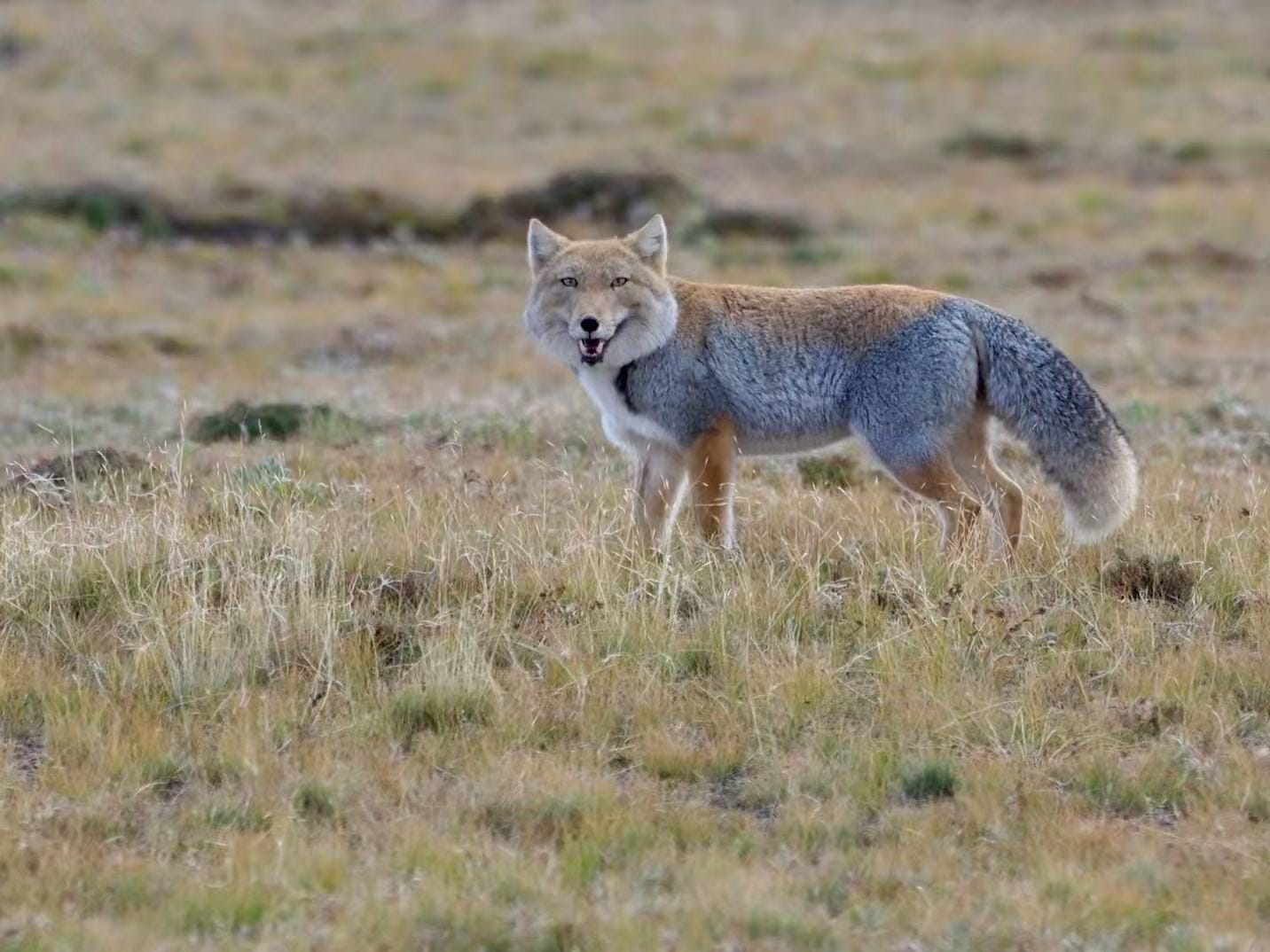
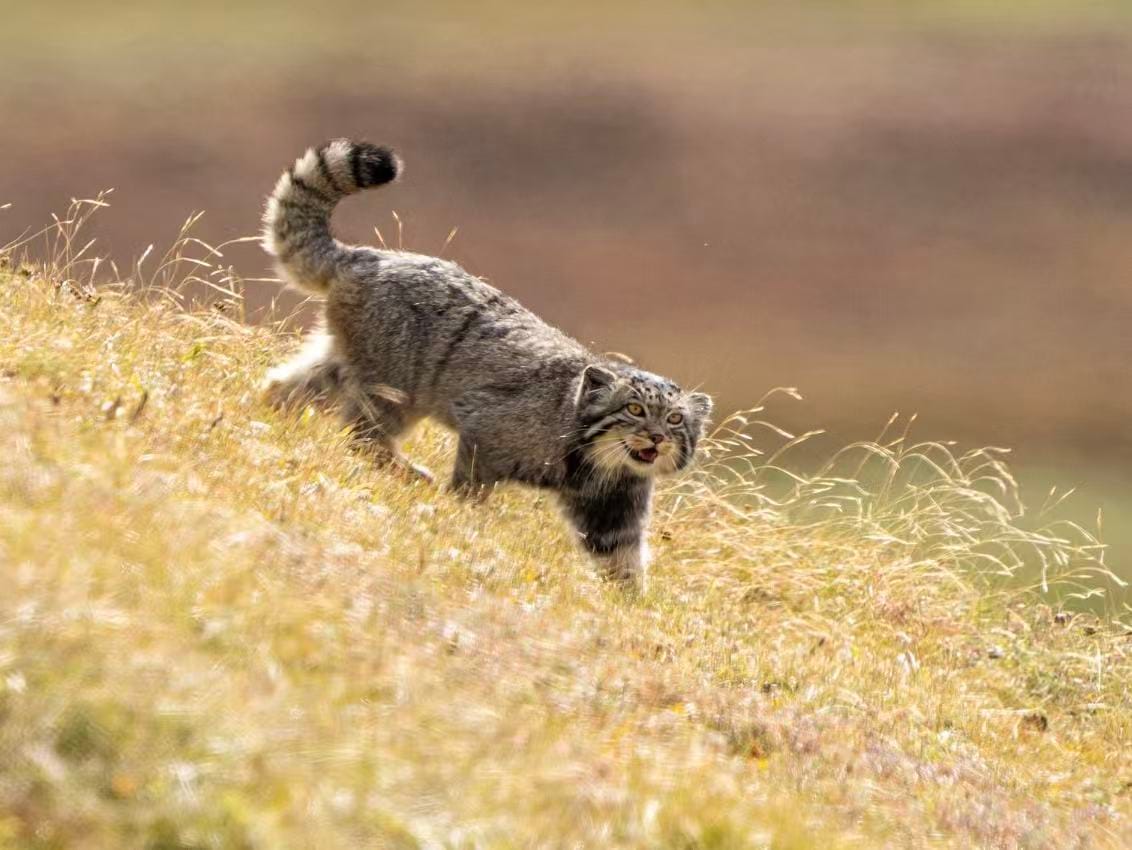
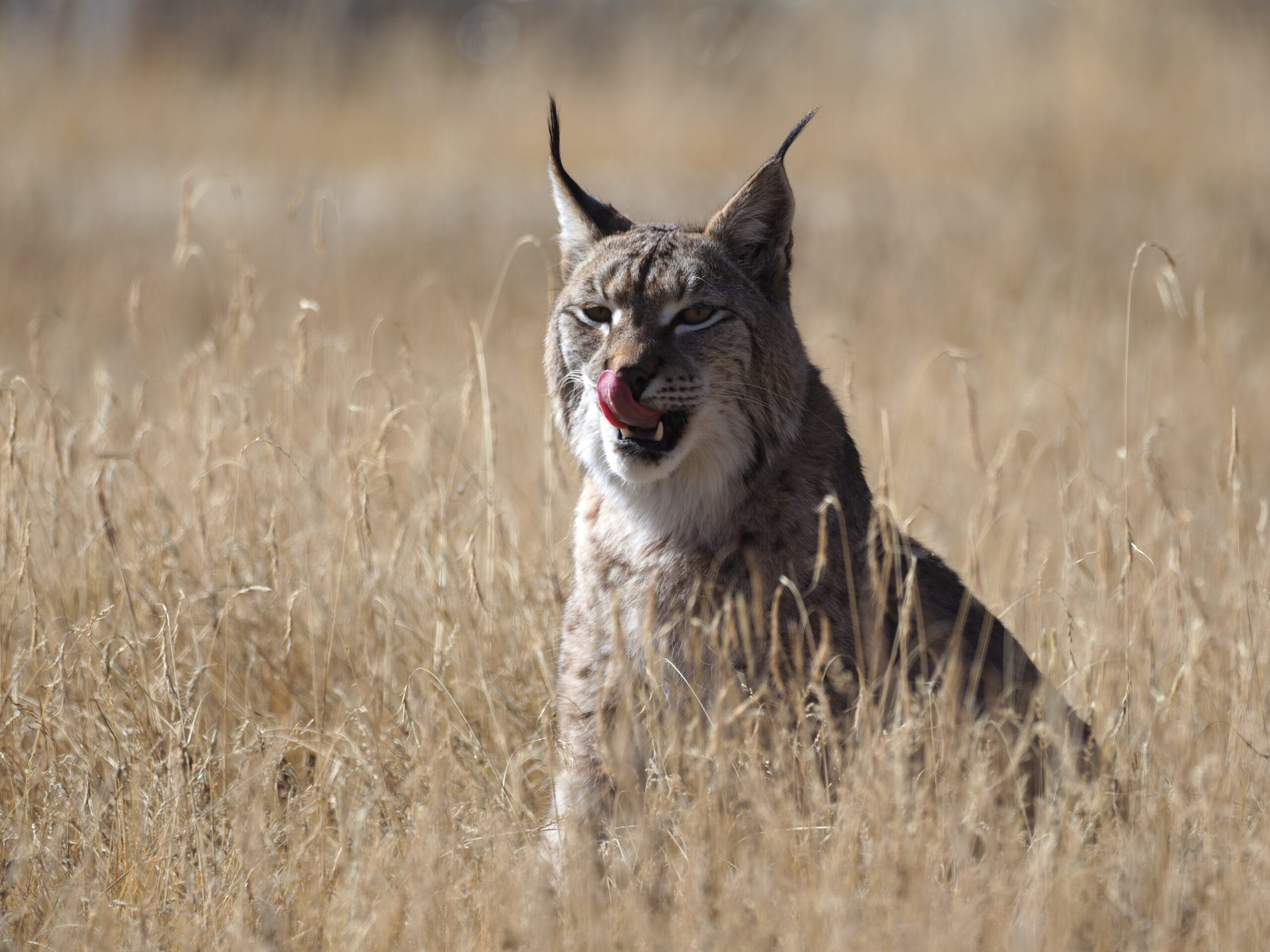
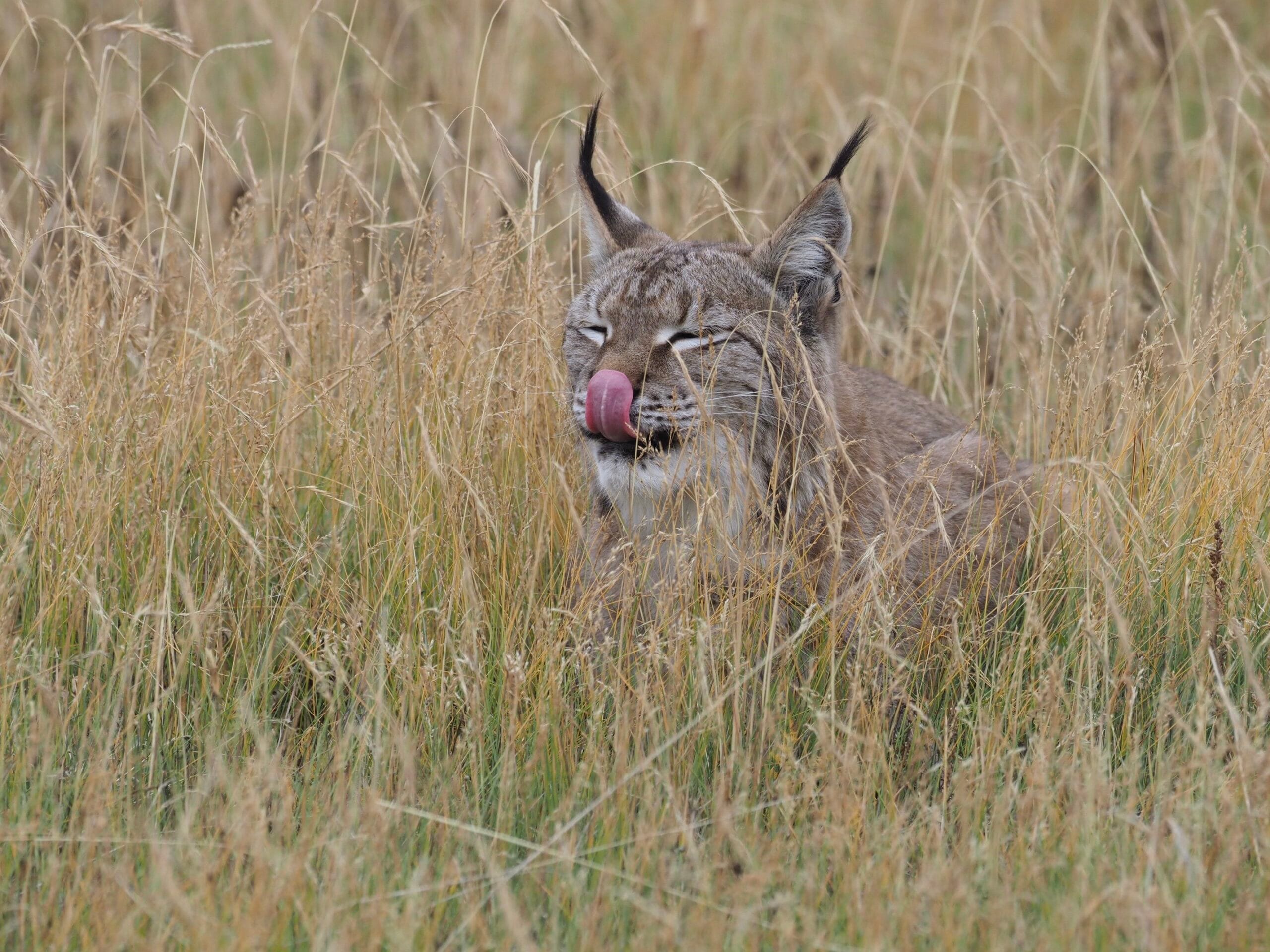
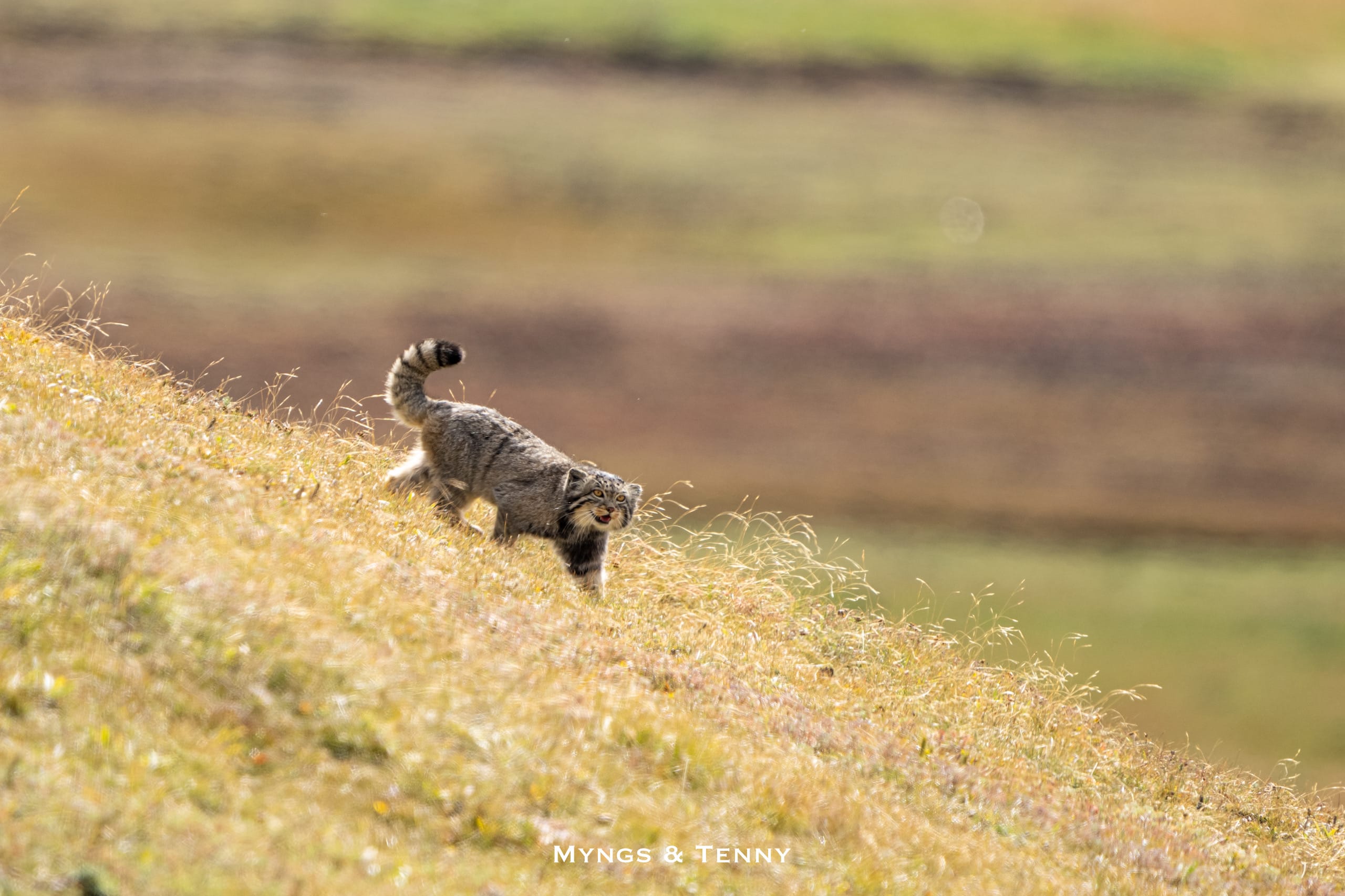
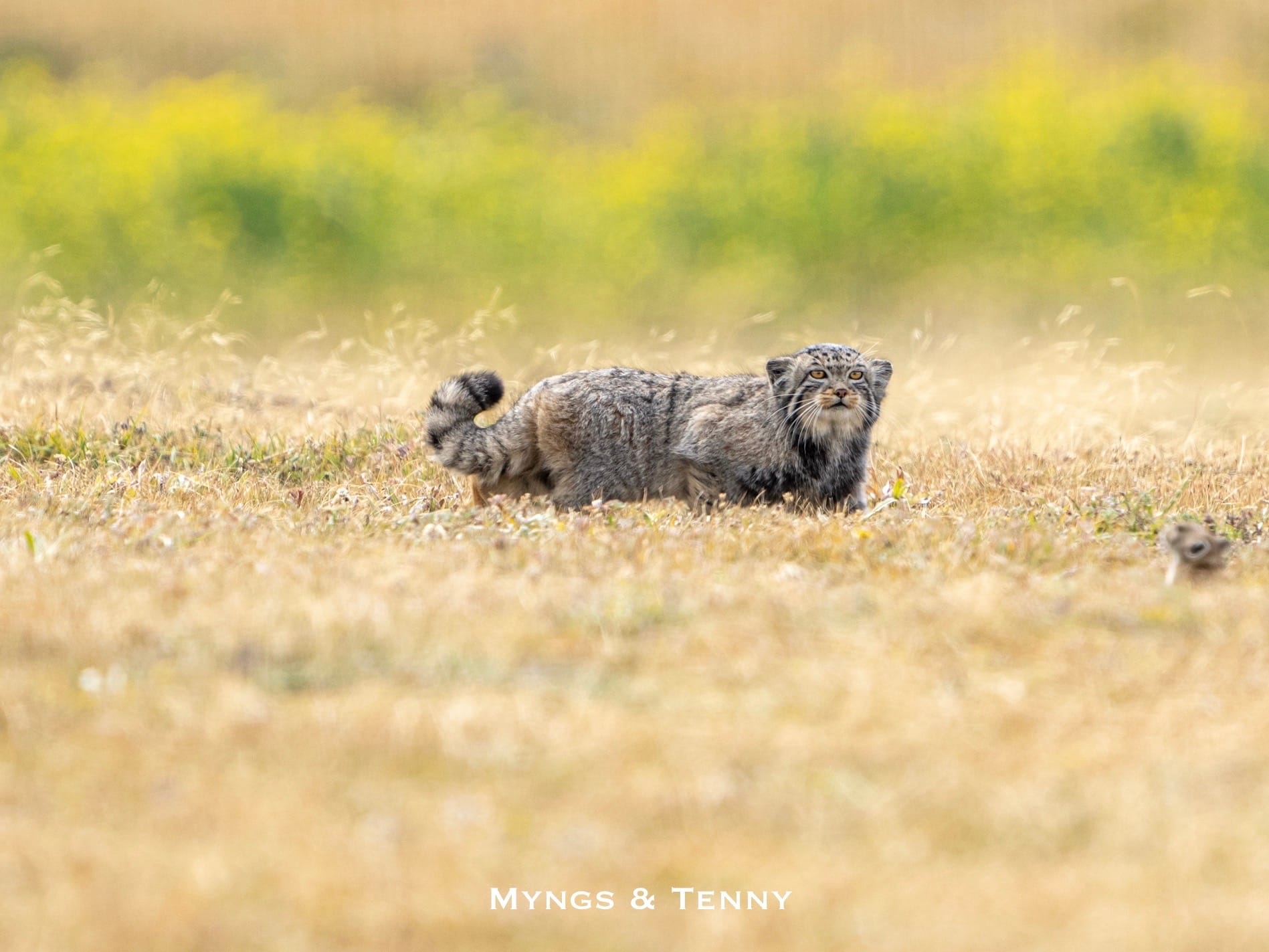
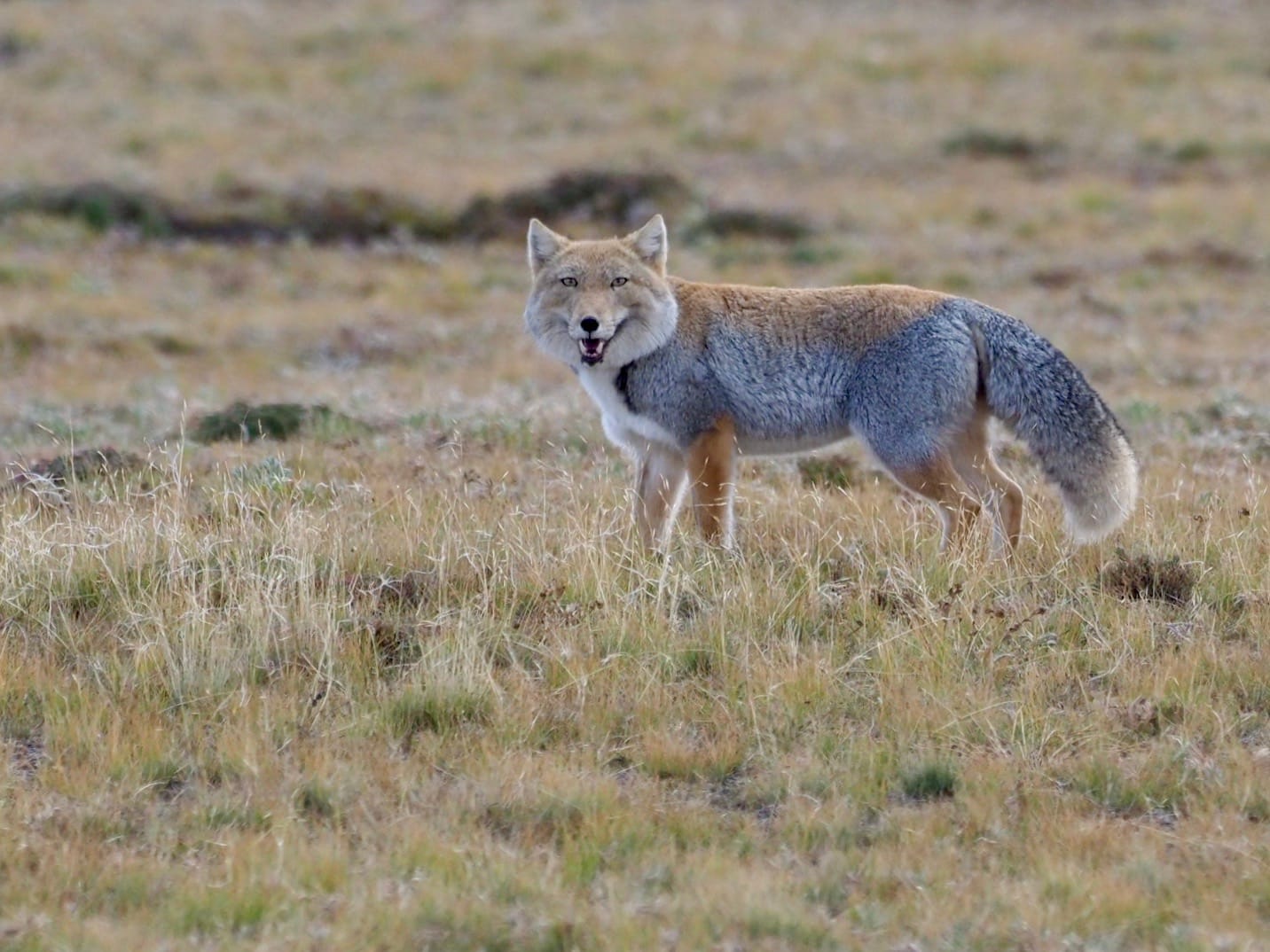
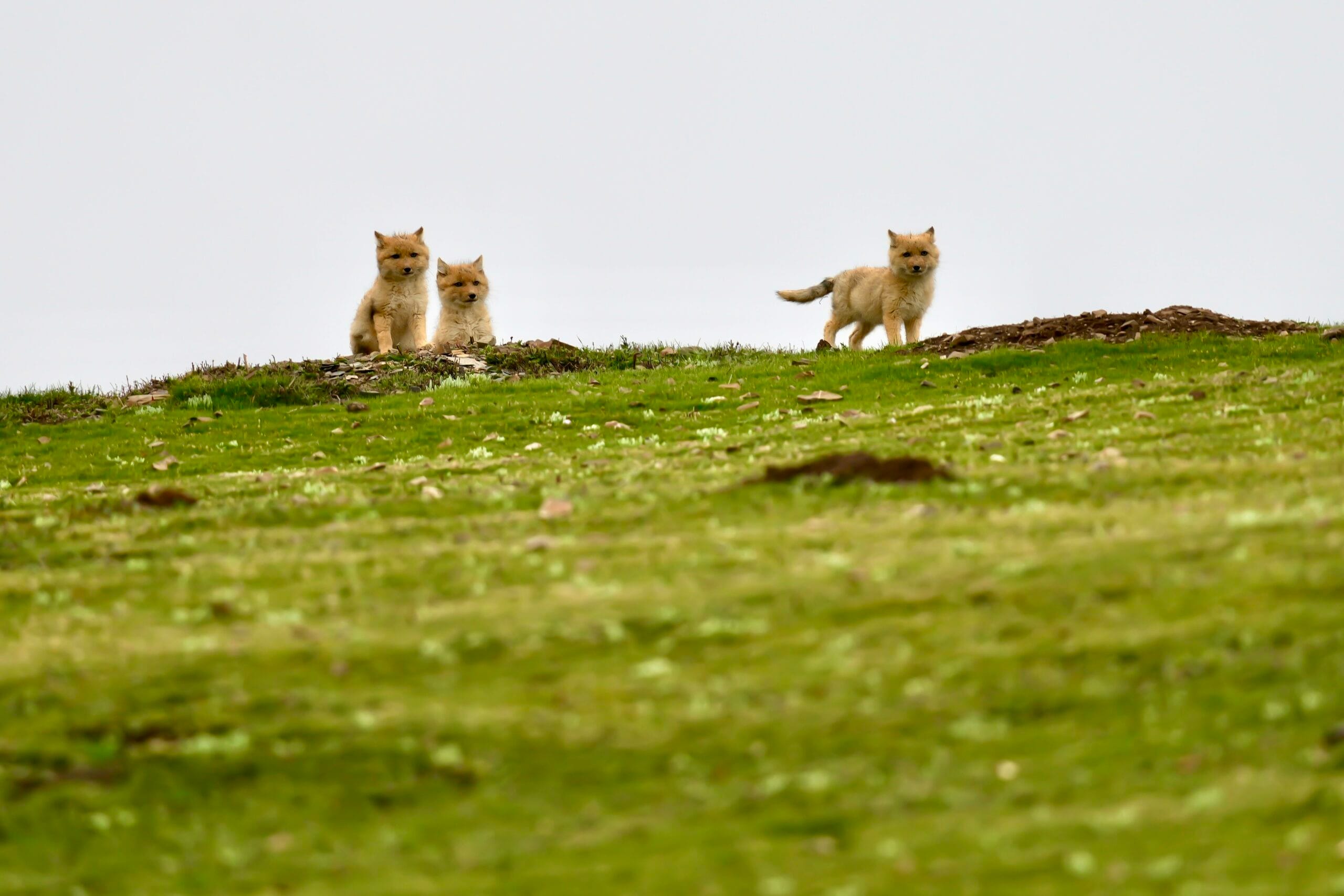
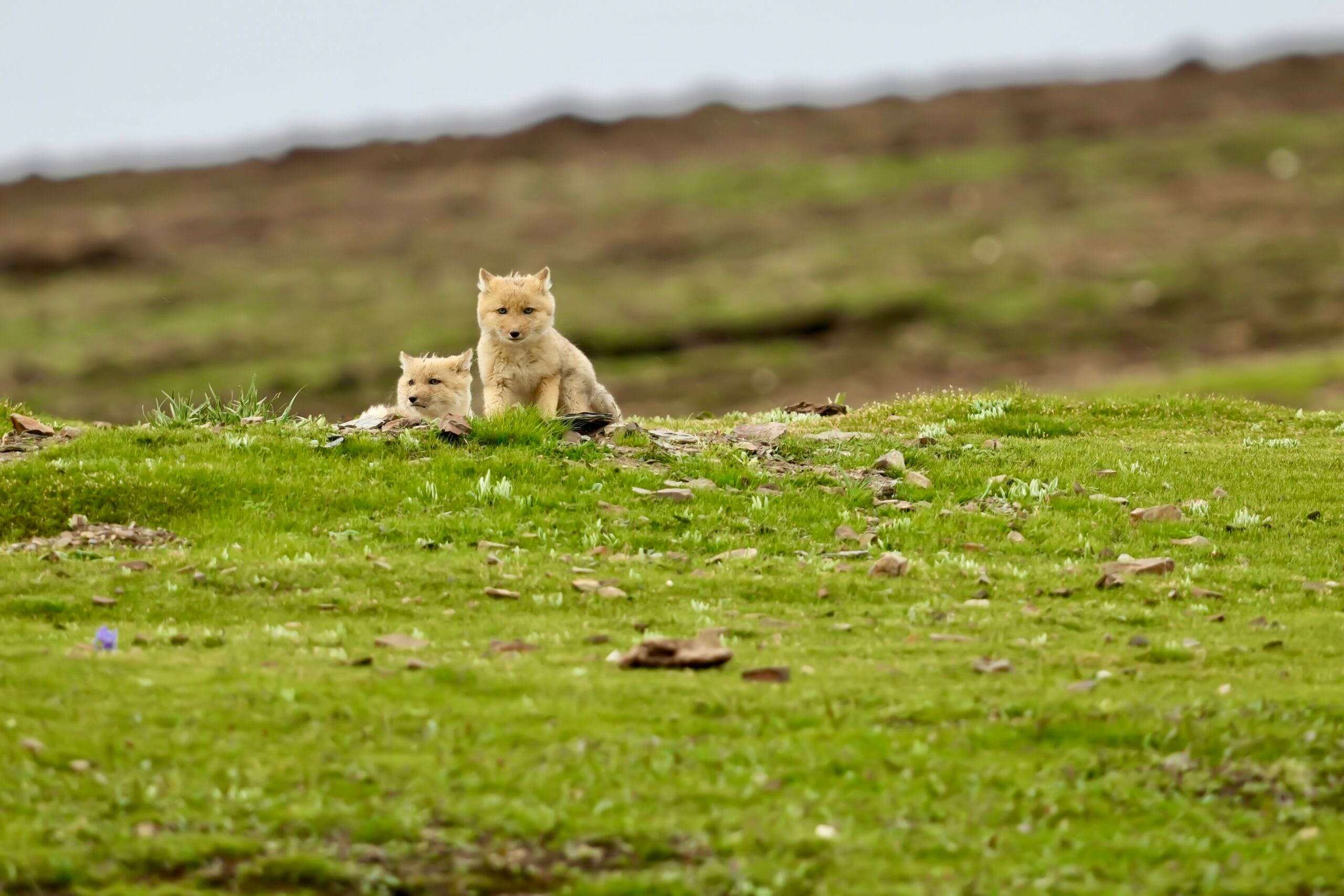
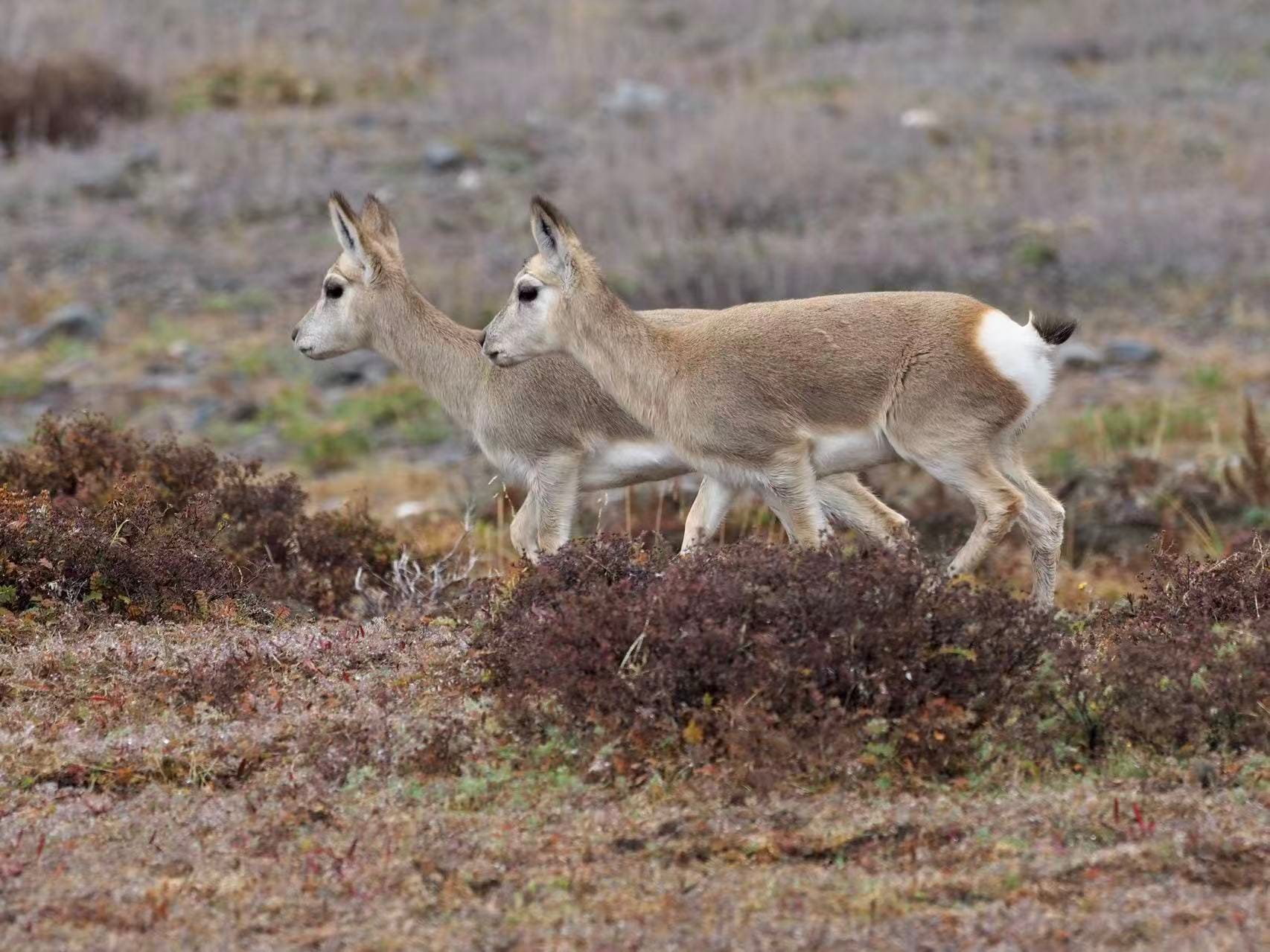
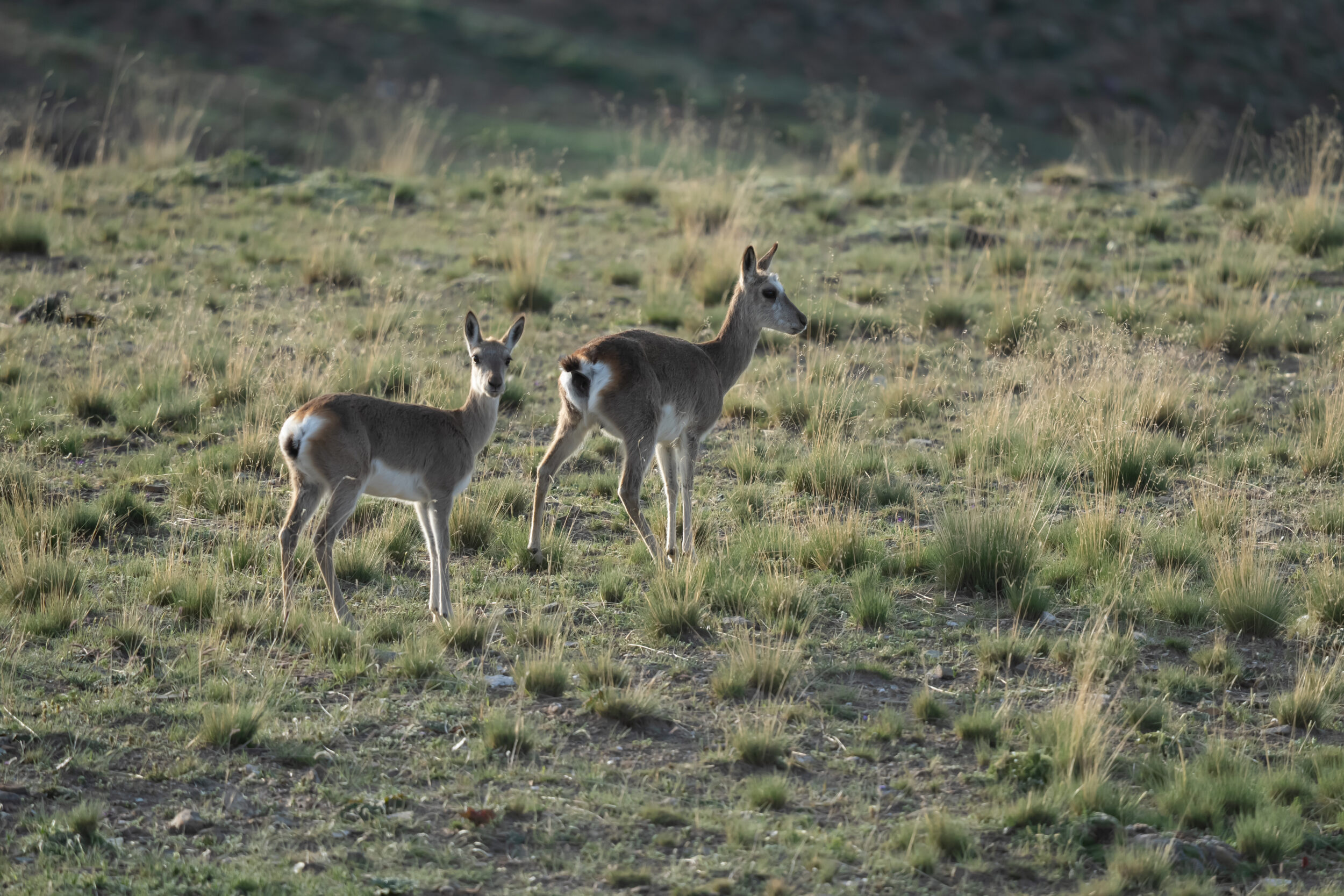
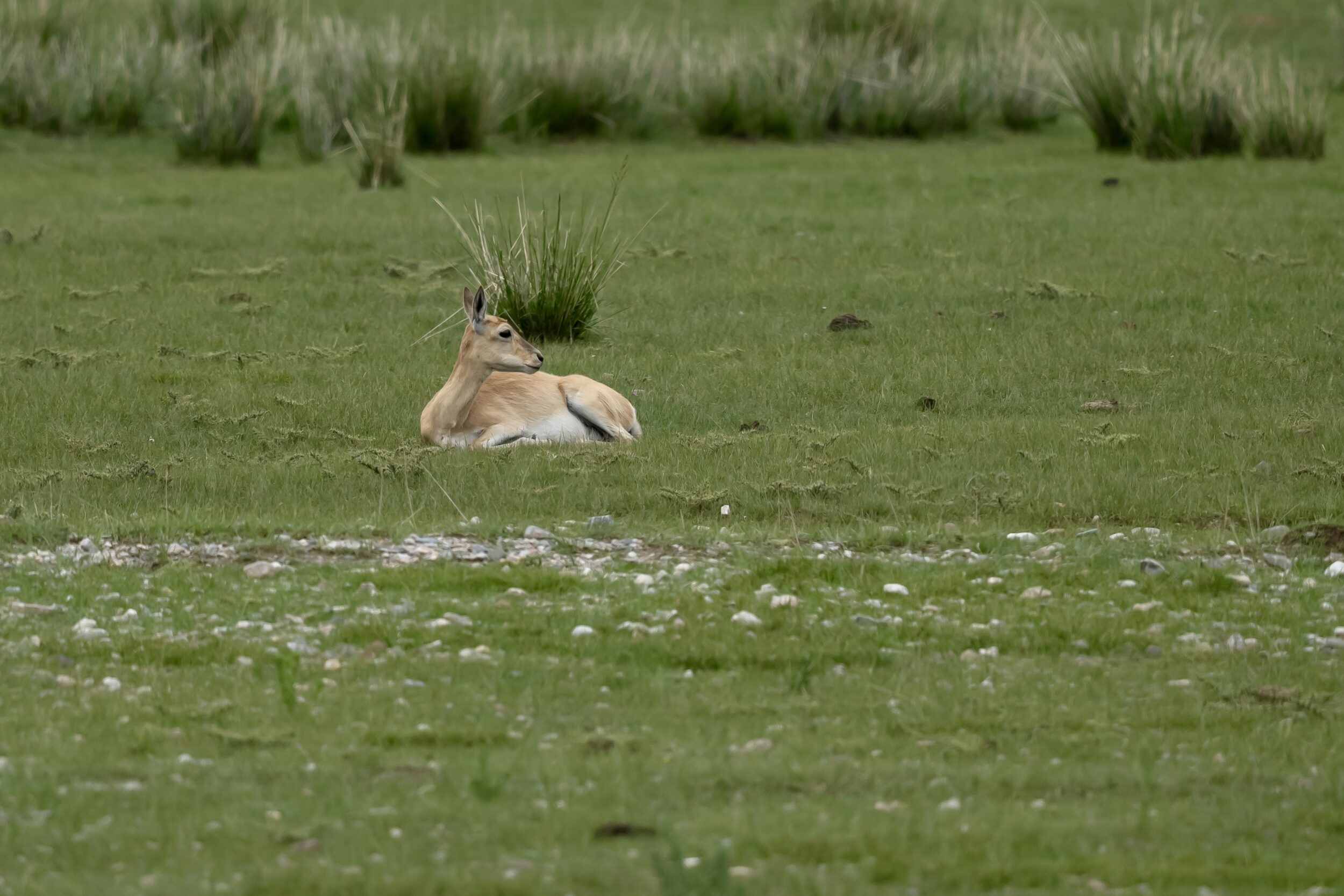
In addition to Snow Leopards, the region supports an impressive diversity of mammals, including Pallas’s Cat, Tibetan Wolf, Eurasian Lynx, Tibetan Fox, Tibetan Gazelle and Kiang. Each day provides excellent opportunities for wildlife photography and close encounters with the plateau’s unique fauna. Comfortable accommodations, expert guidance, and well-organized logistics ensure a rewarding and memorable field experience in one of China’s wildest and most awe-inspiring regions.
Tour Schedule
2026 Oct 10- Oct 17 (8 days) Mammal & Bird watching guide : Summer Wong, scheduled tour, group limit : 6-10 pax, cost: 2800 USD
2027 April 20-April 27 (8 days) Mammal & Bird watching guide : Summer Wong & Kexin Peng , scheduled tour, group limit : 6-10 pax, cost: 2800 USD
Besides our scheduled and private tours, we also offer budget-friendly birding tours. If you are an international birding company looking for a reliable ground operator in China, please feel free to contact us for rates and further details.
Deposit : USD 500 per person
Single Room Supplement (7 nights) :USD 200 per person
Tour Cost Includes:
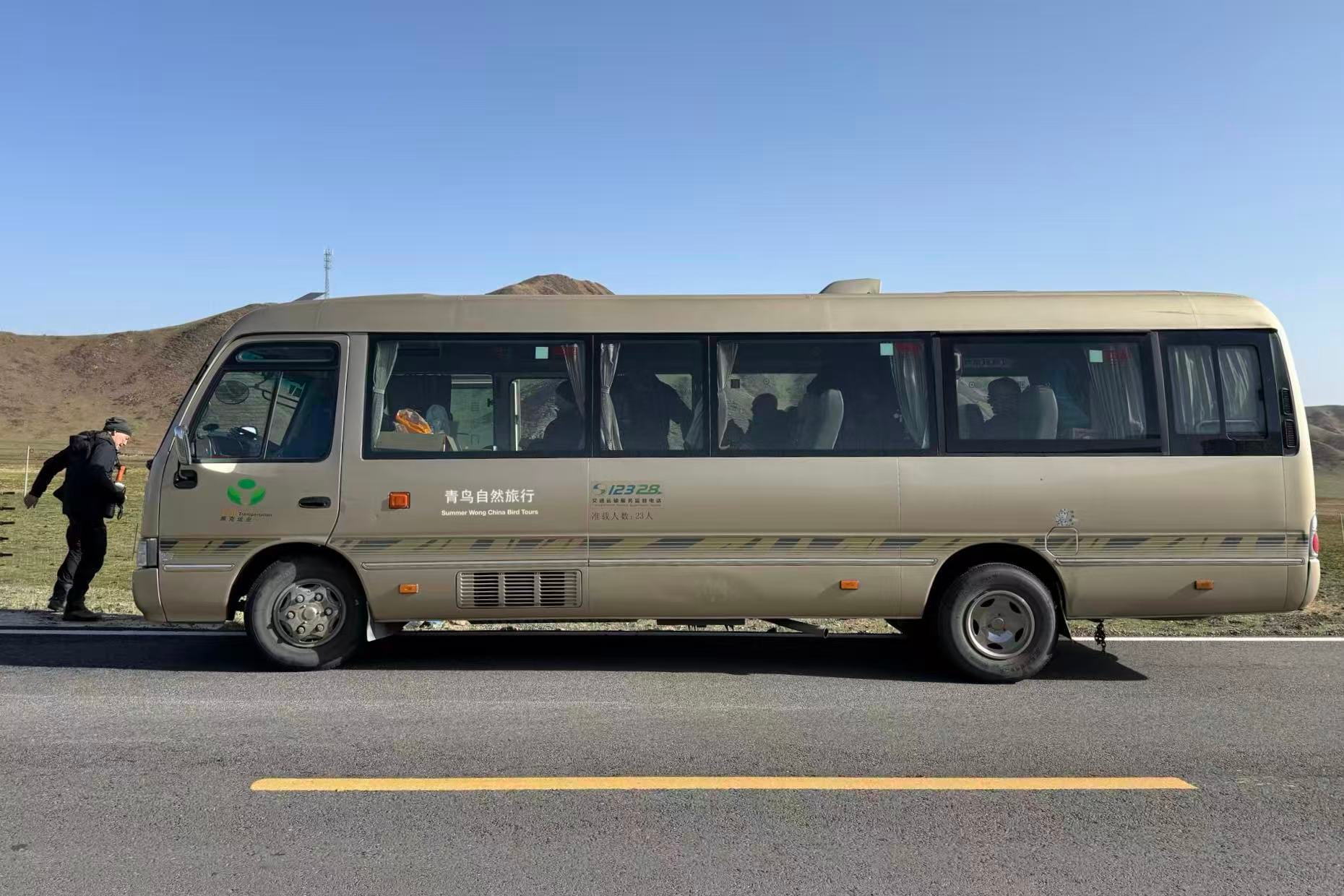
All ground transportation by 4WD
Accommodation in twin-share or single rooms
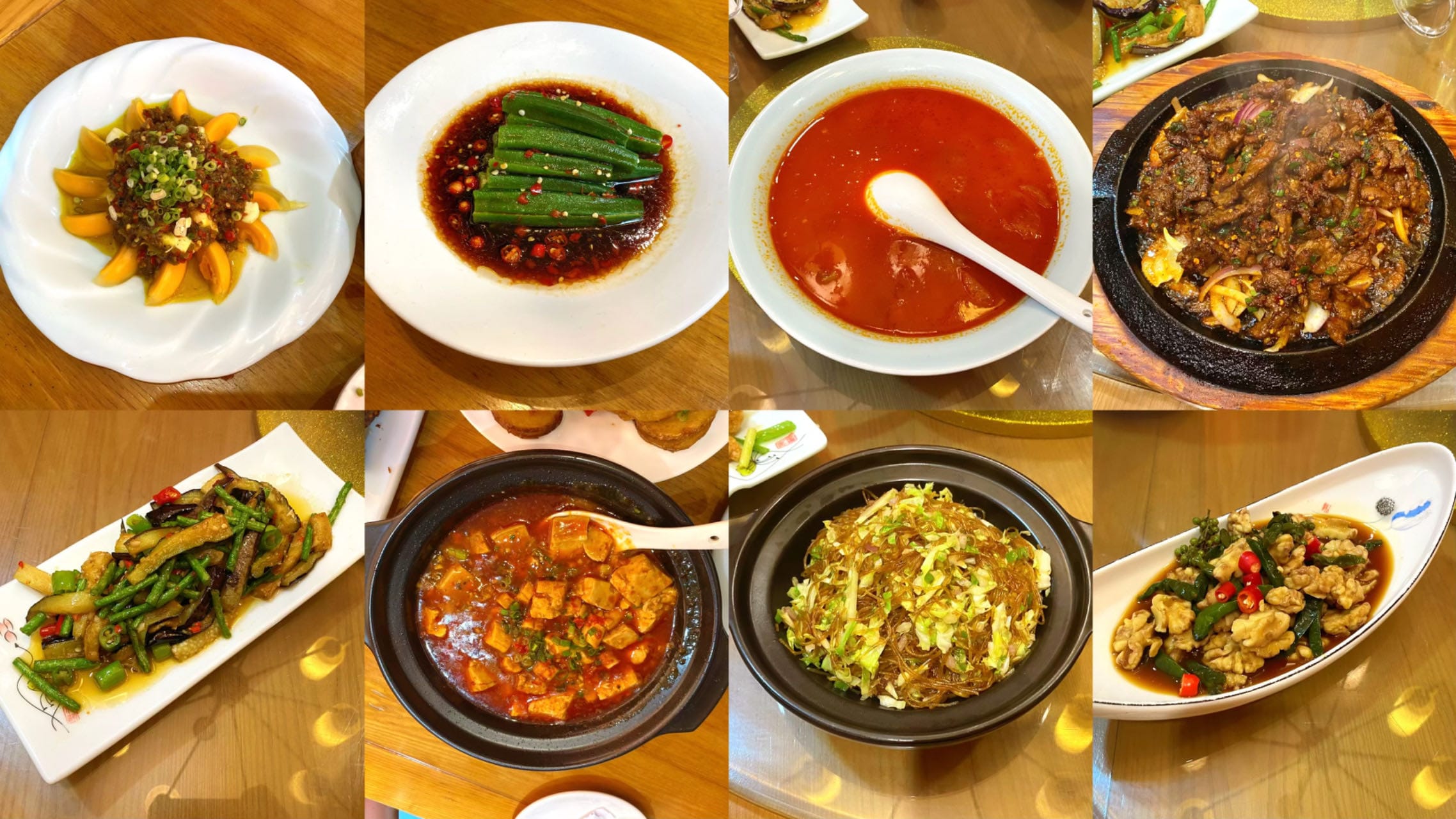
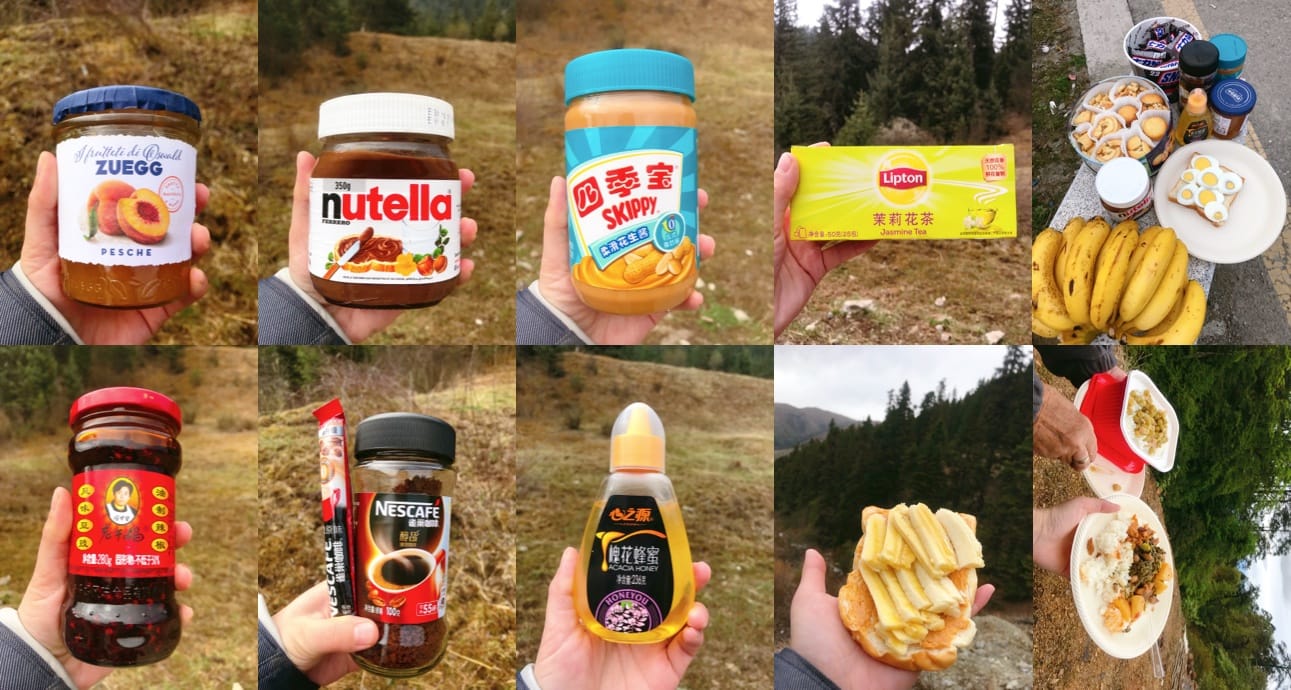
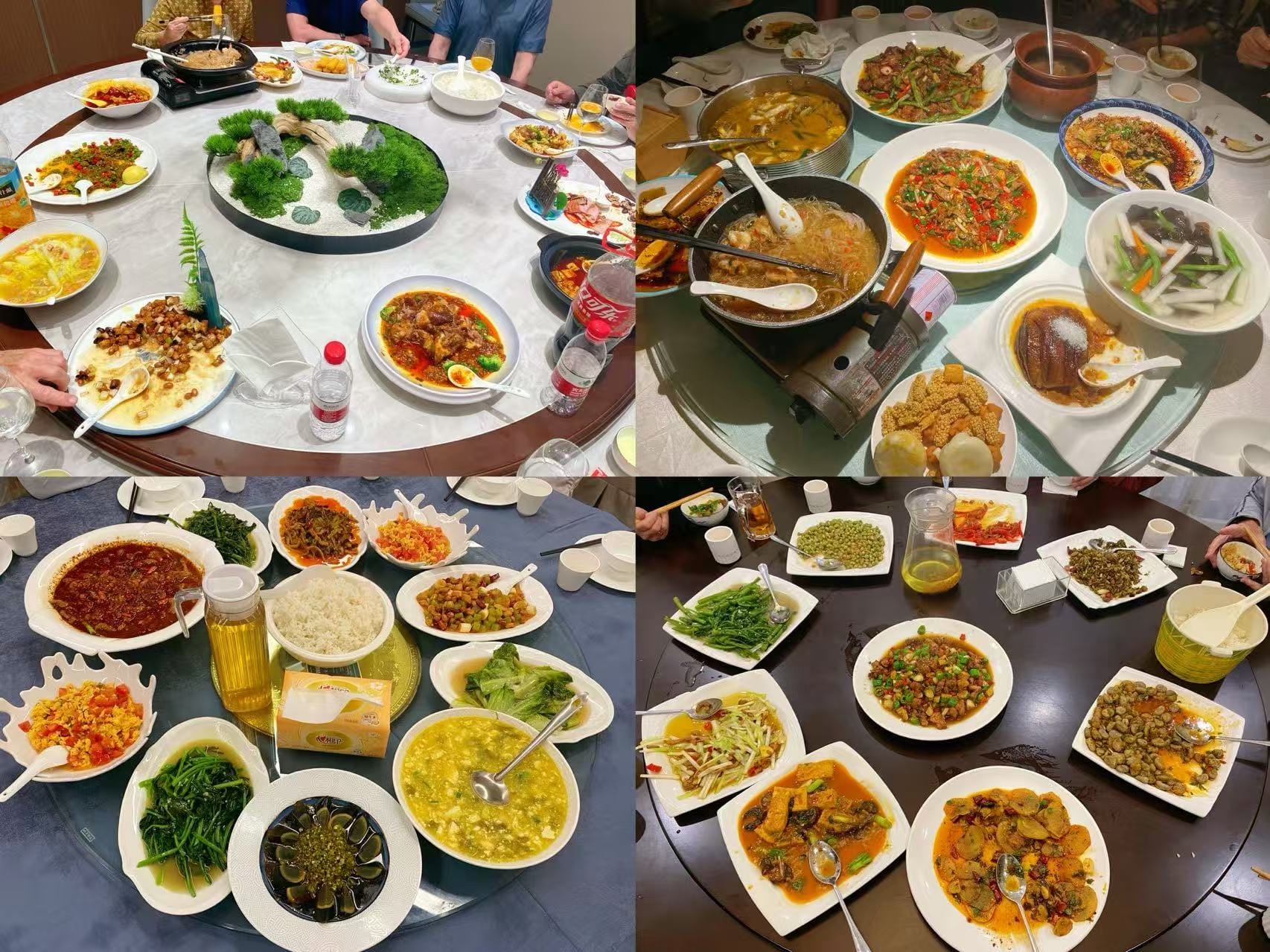
All meals (including daily bottled water, packed breakfasts, and lunches/dinners mostly at local restaurants)
All necessary entrance fees and nature reserve permits
All guide and driver expenses (meals, accommodation, and service fees)
Tour Cost Excludes:
International and domestic flights
Travel insurance
Soft drinks and alcoholic beverages
Tips for local staff
Tour Itinerary
Day 1 – Arrival in Golmud, Transfer to Xiangride
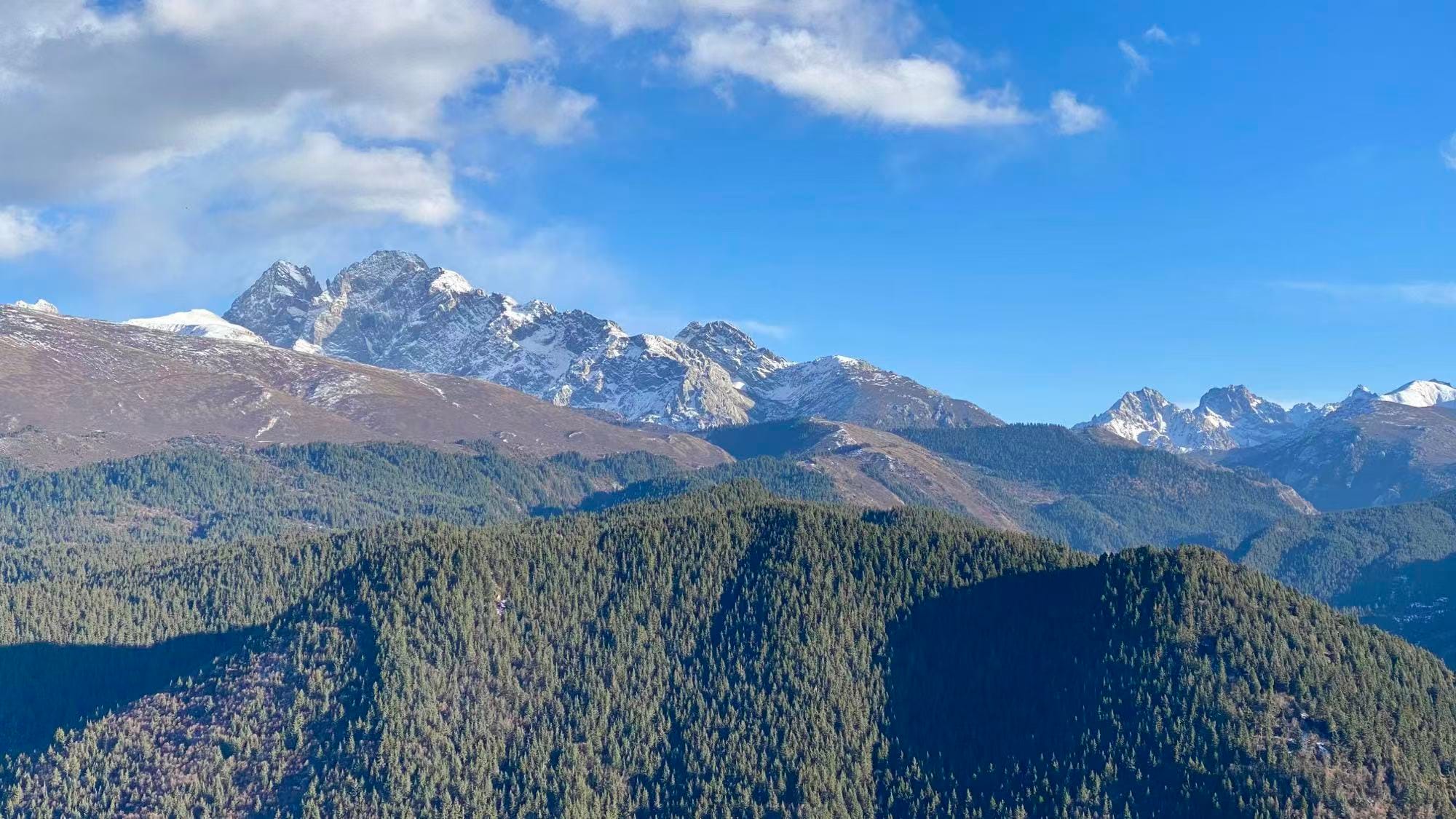
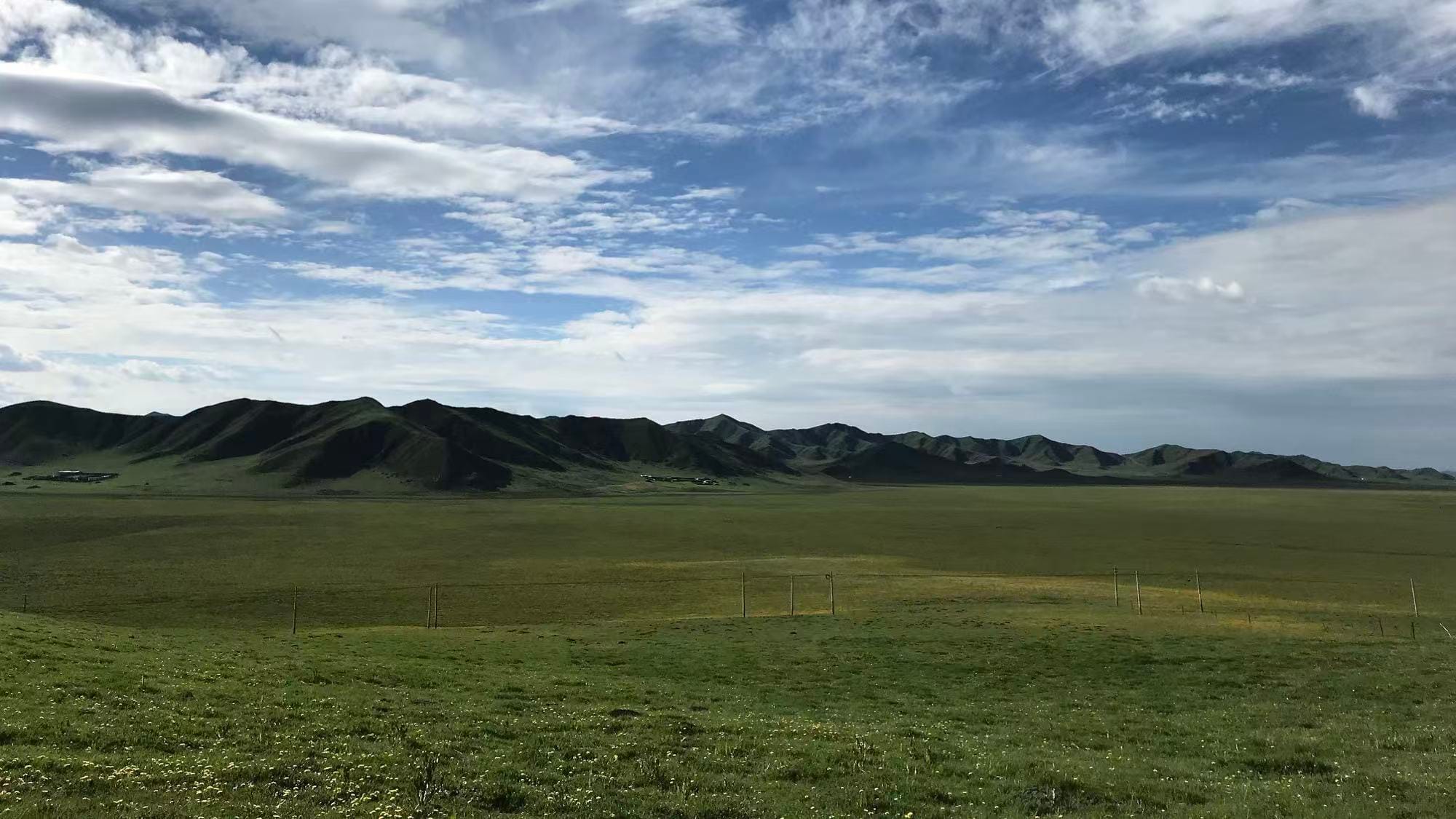
Upon arrival at Golmud Airport, you will be greeted by our local team and travel by 4WD vehicles to Xiangride (approximately 3.5 hours). The drive offers your first glimpse of the vast Tibetan Plateau, with its sweeping grasslands and distant snow-capped peaks. Settle into your comfortable accommodation and rest in preparation for the exciting days of field exploration ahead. Overnight in Xiangride.
Days 2–7 – Wildlife Exploration in Gouli Valley
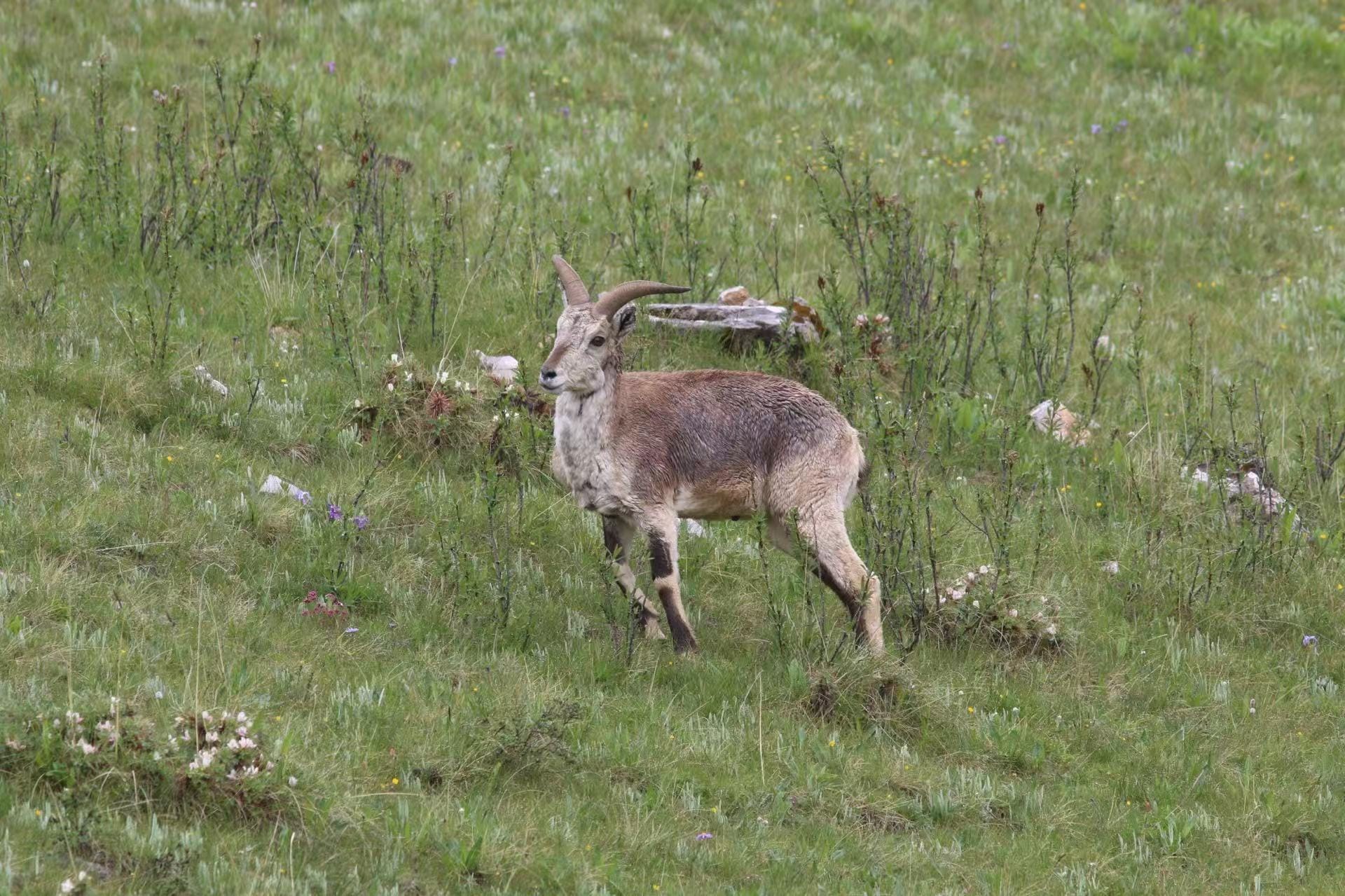
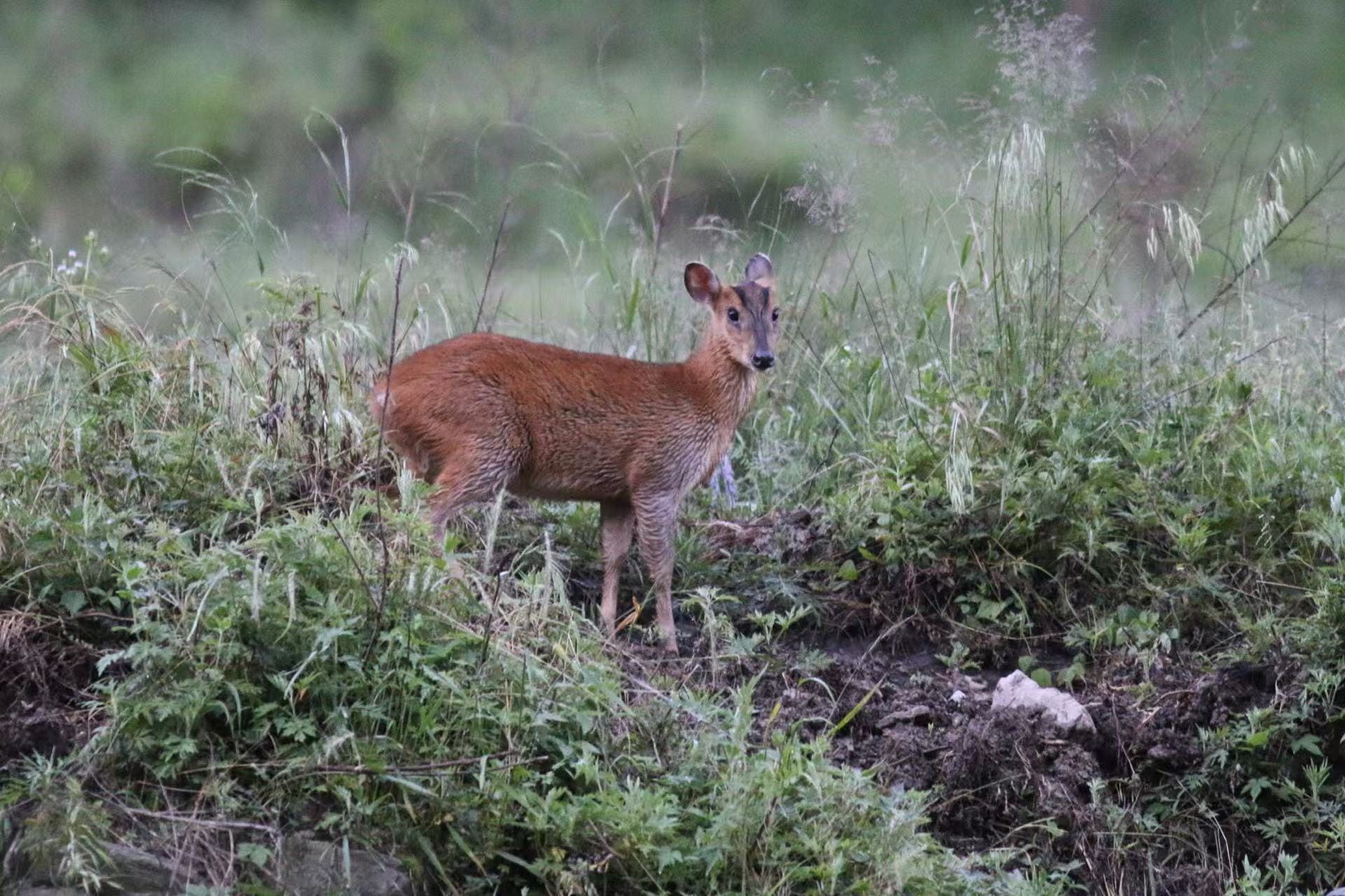
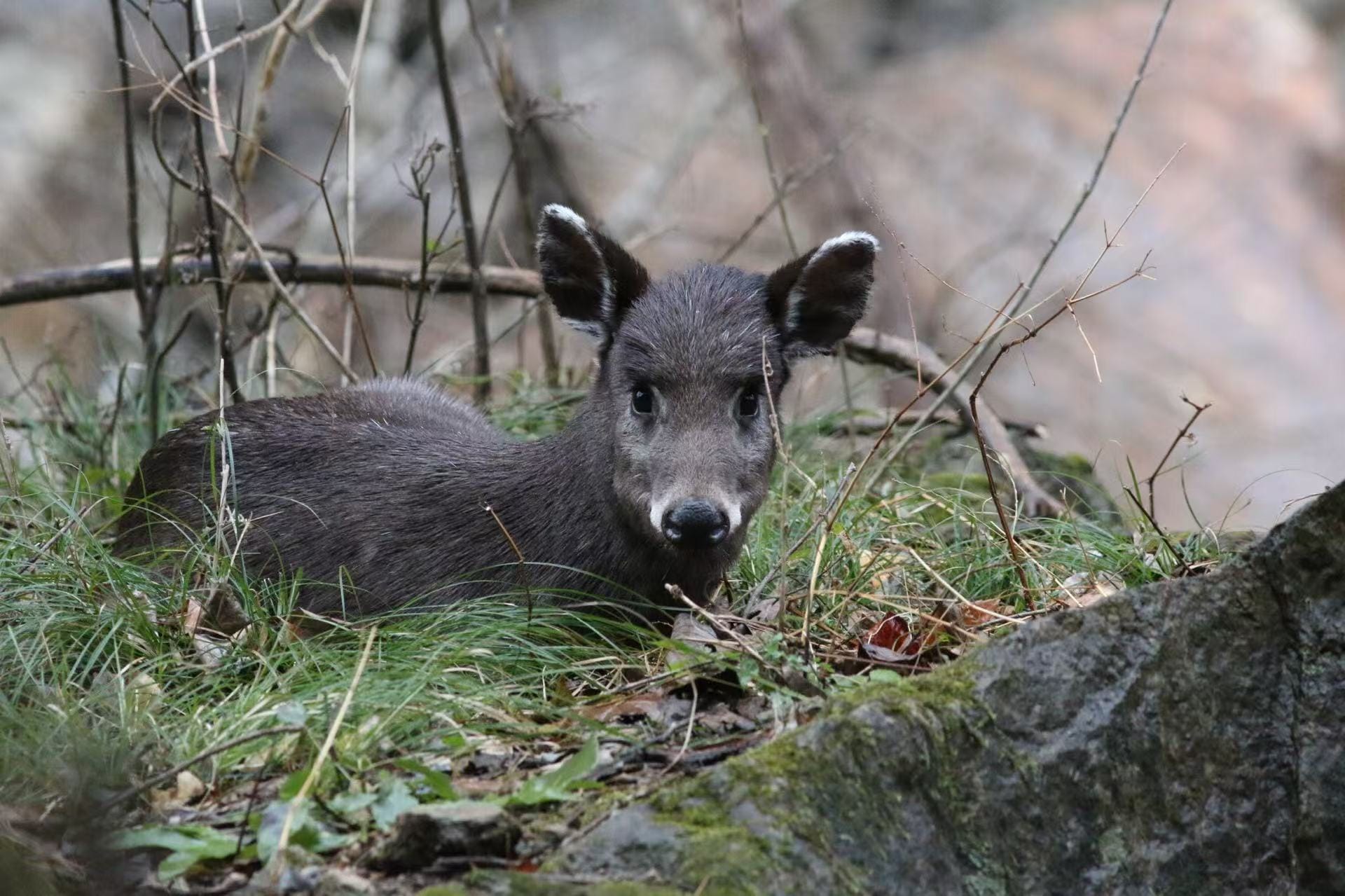
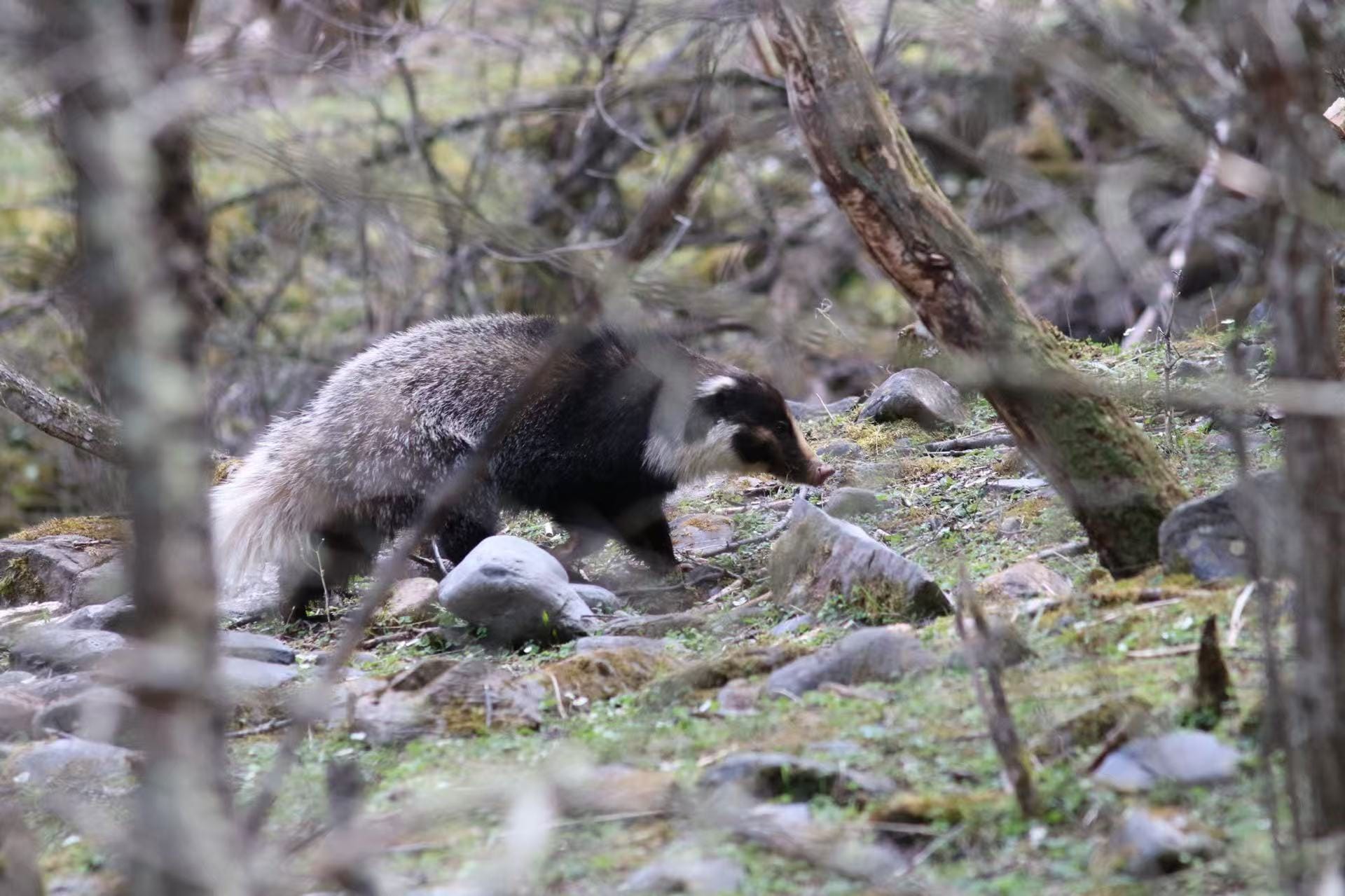
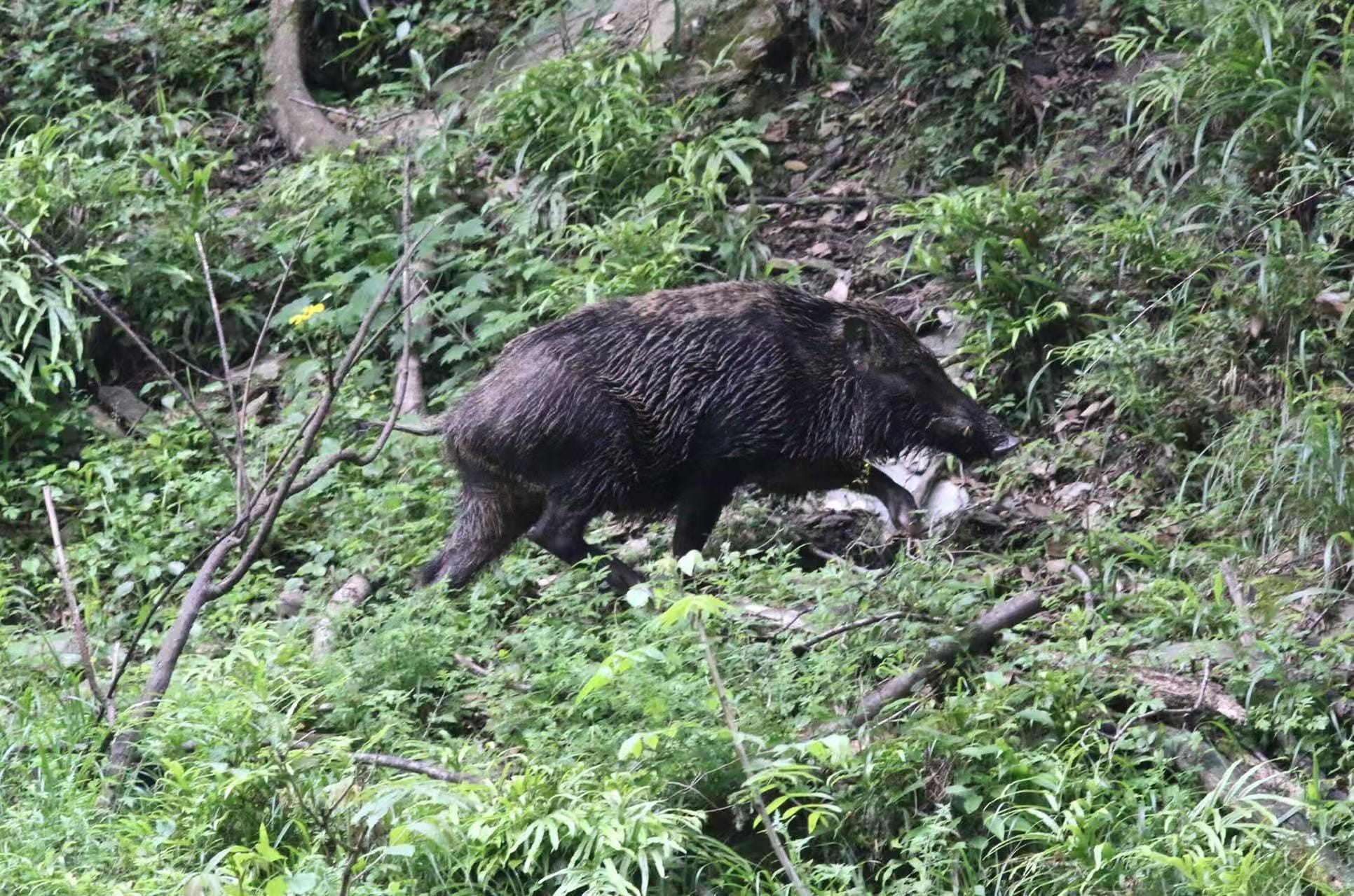
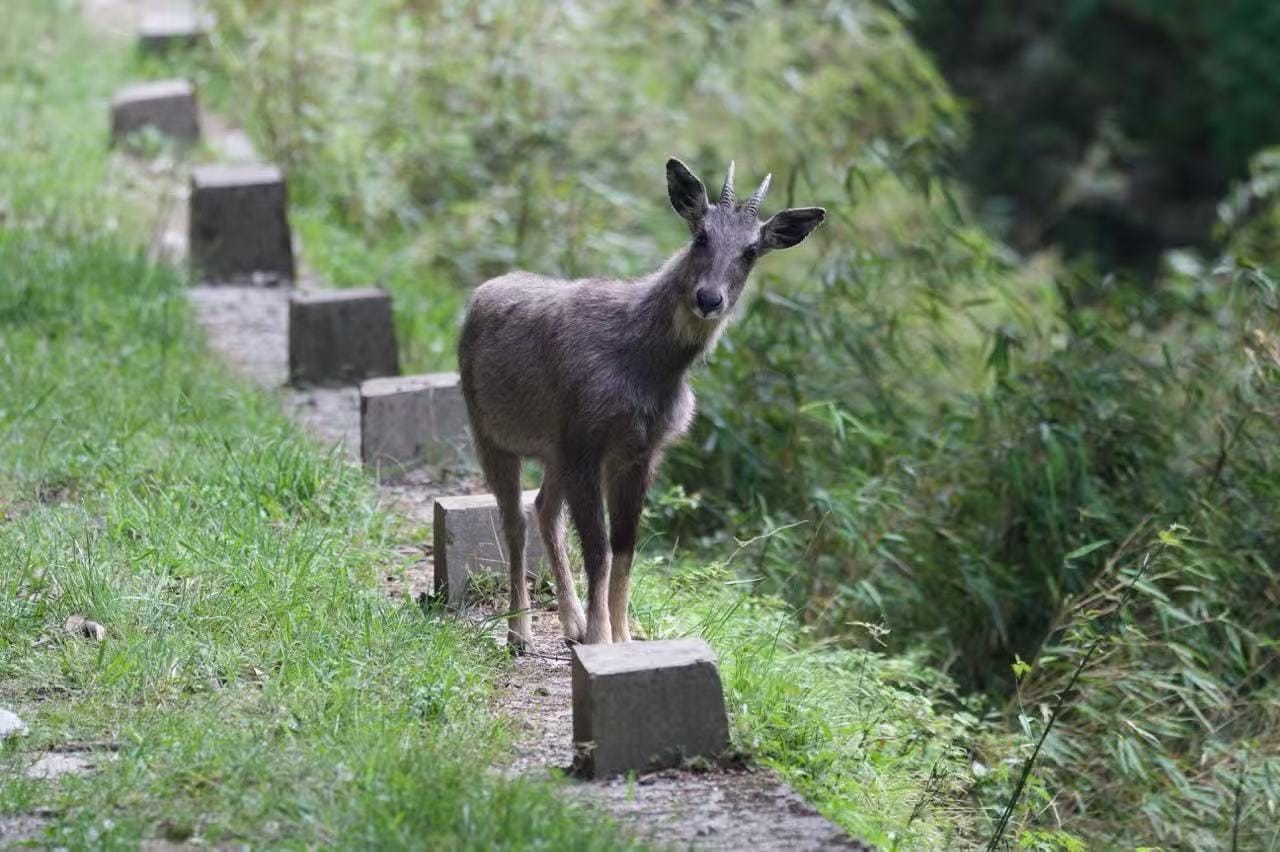
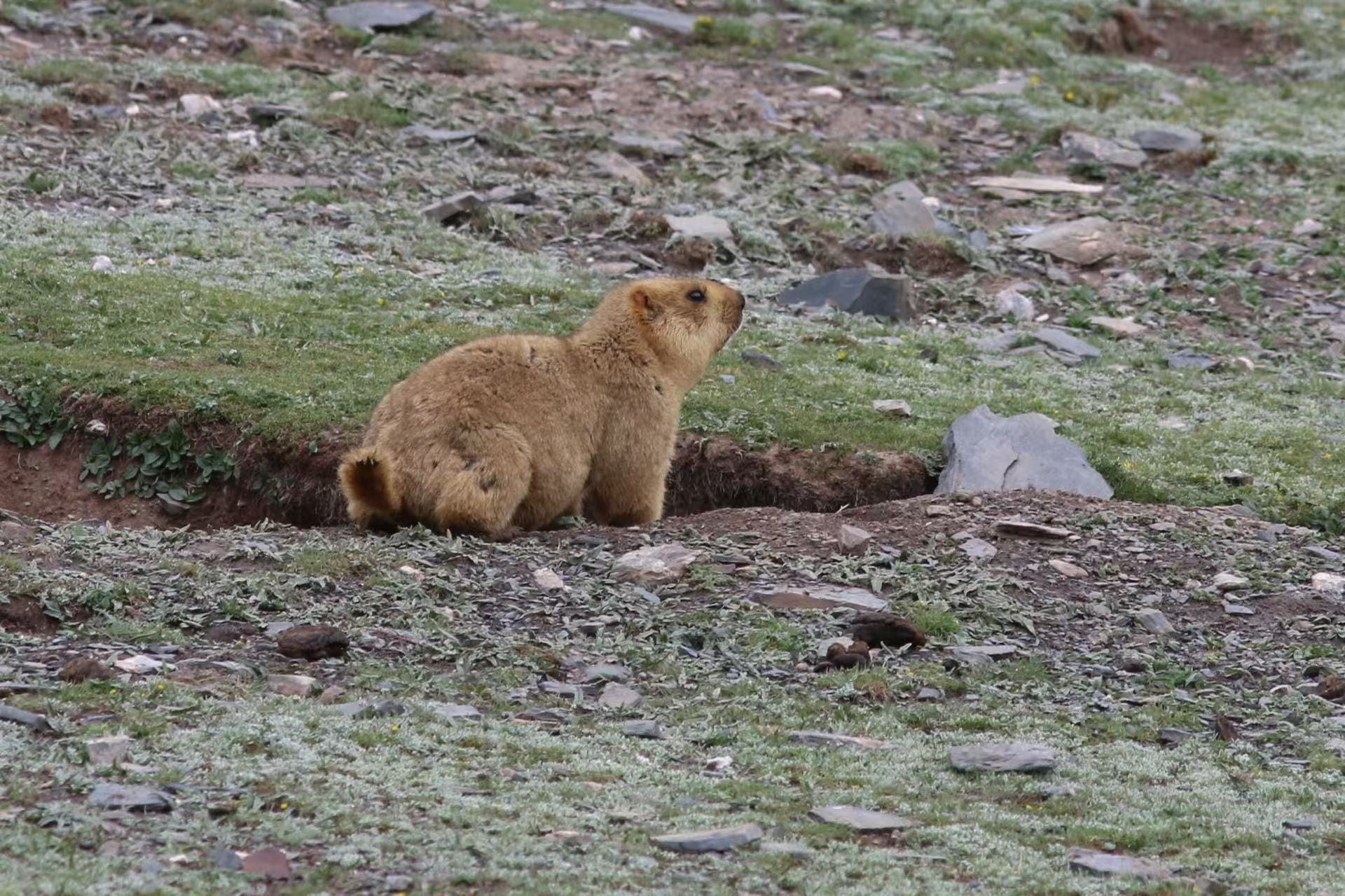
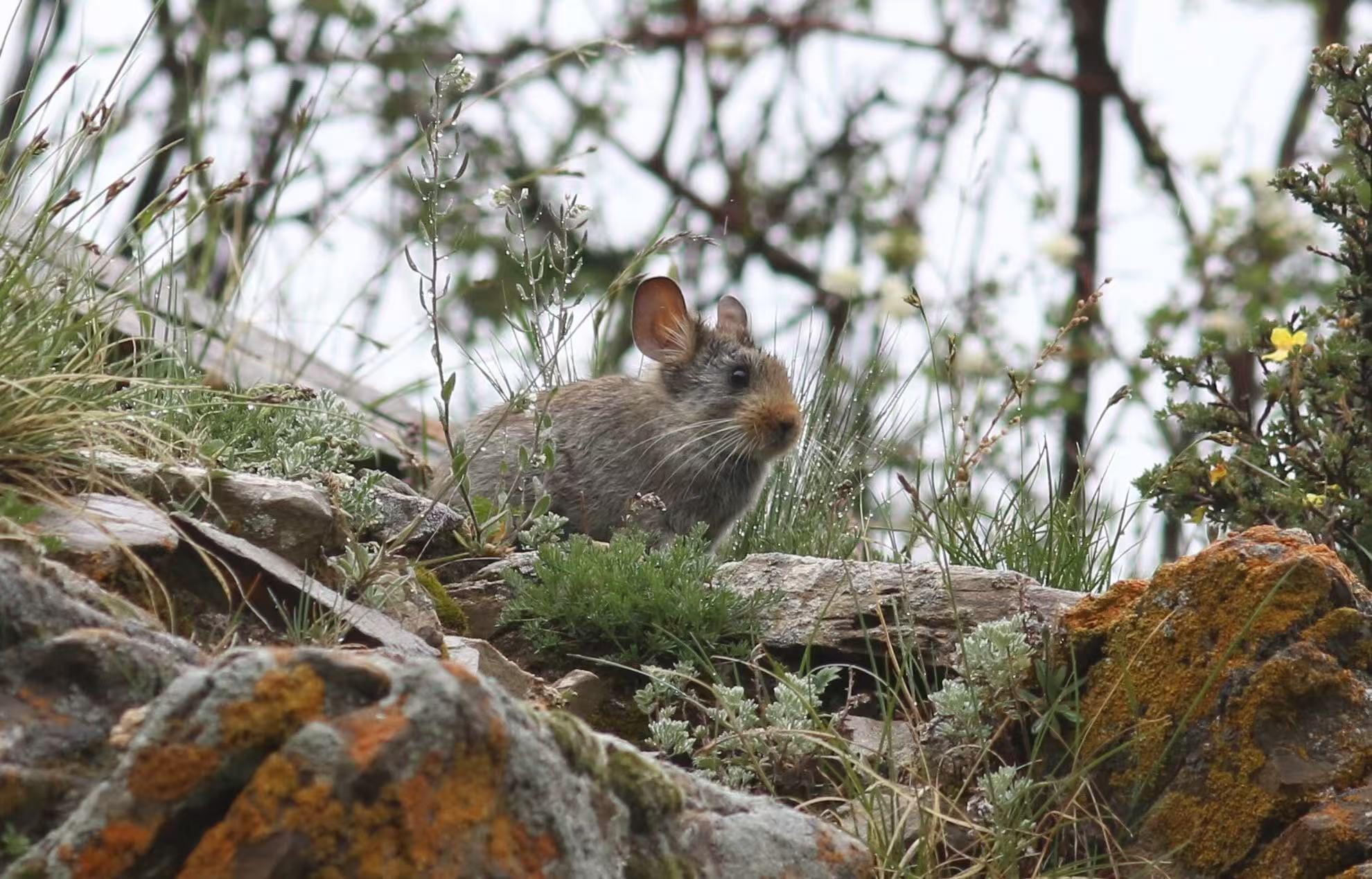
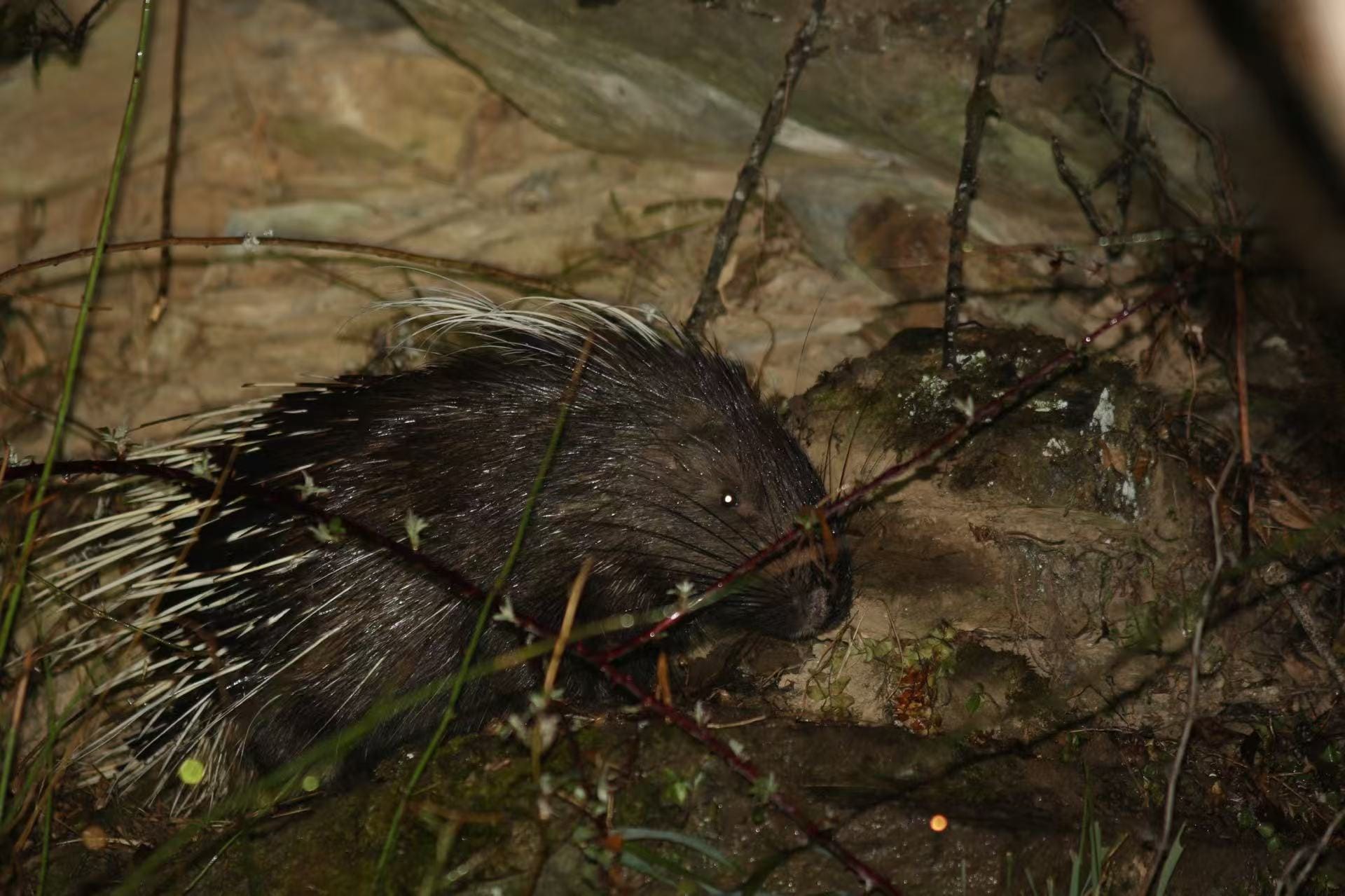
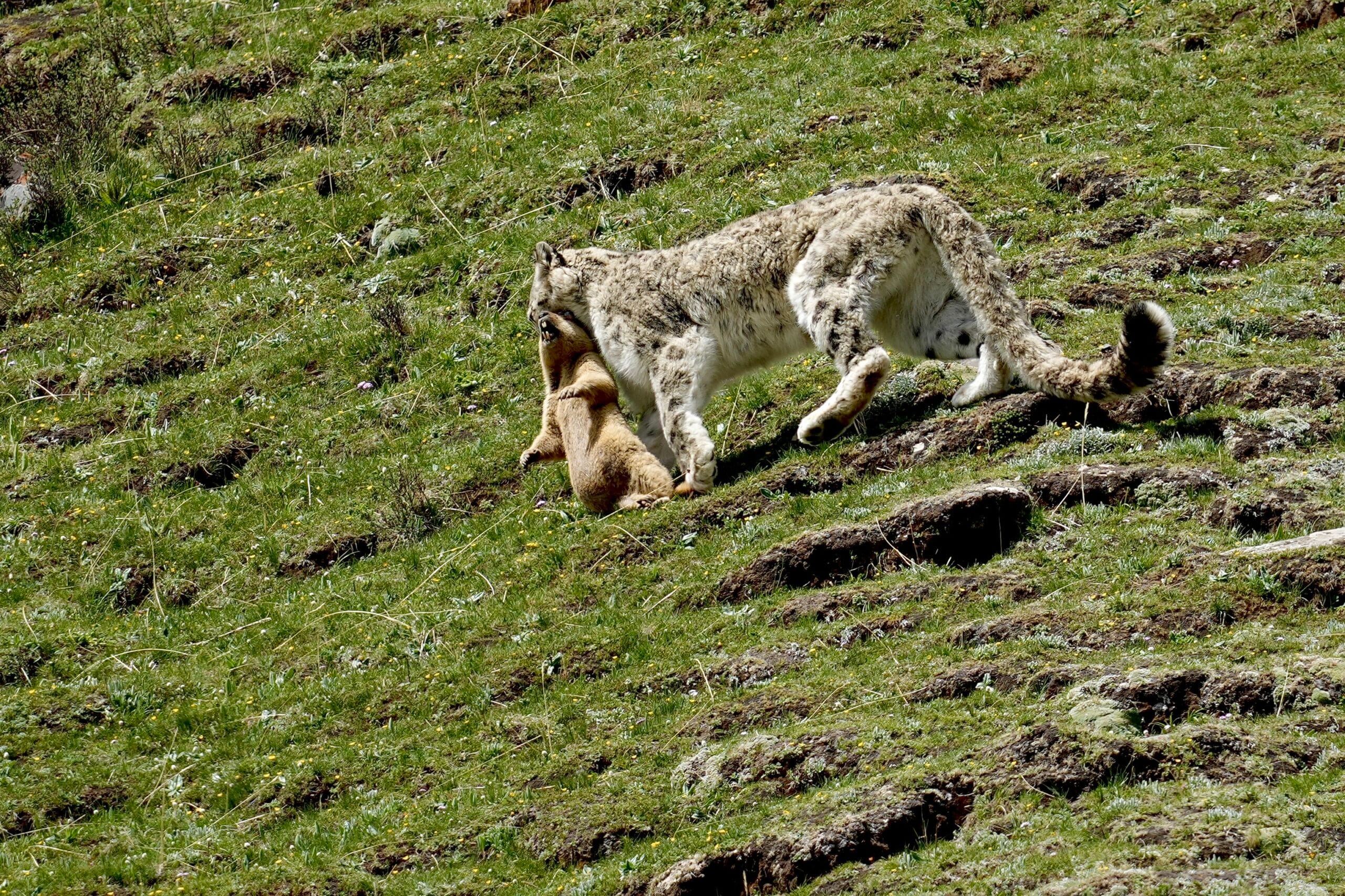
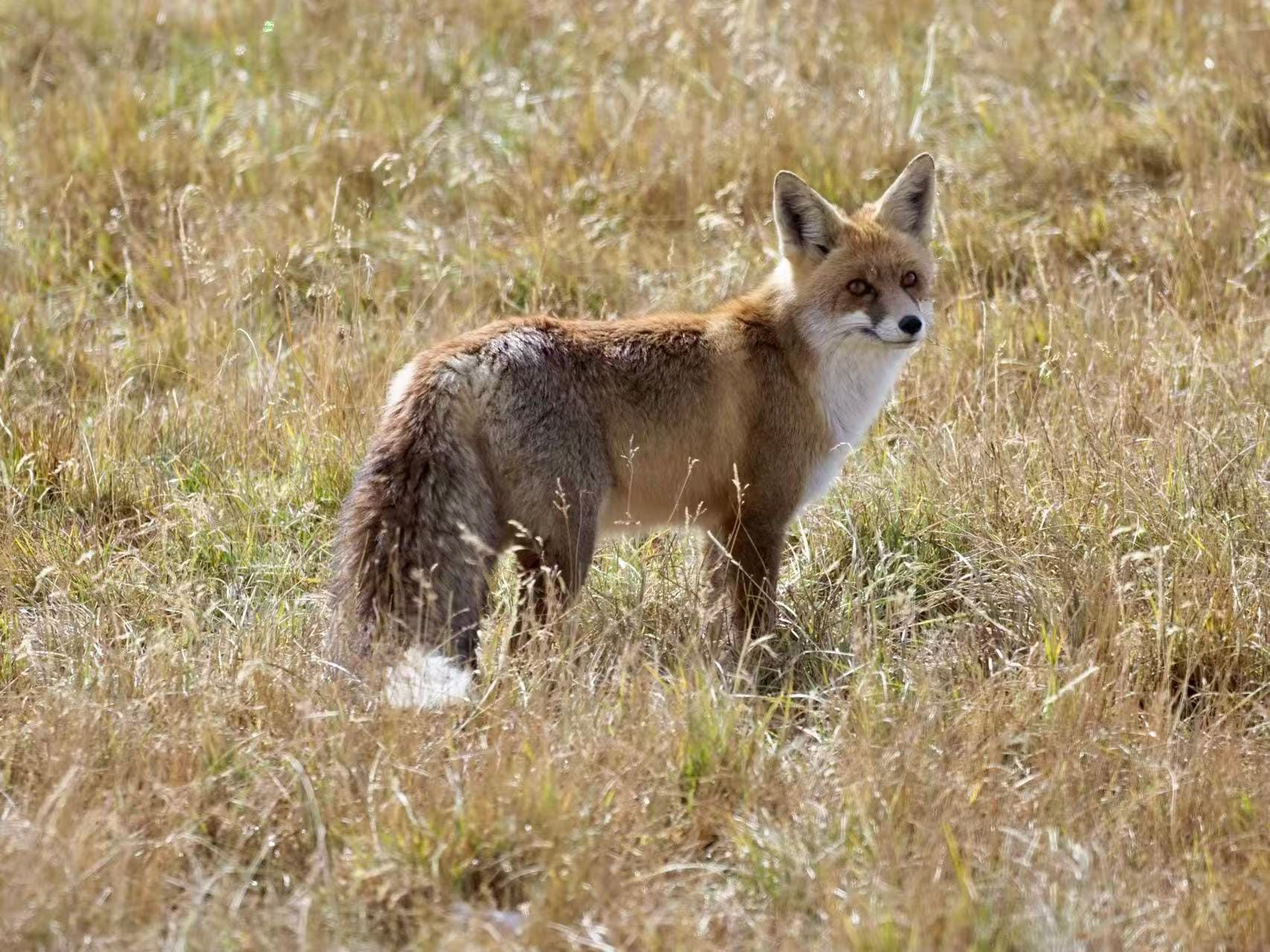
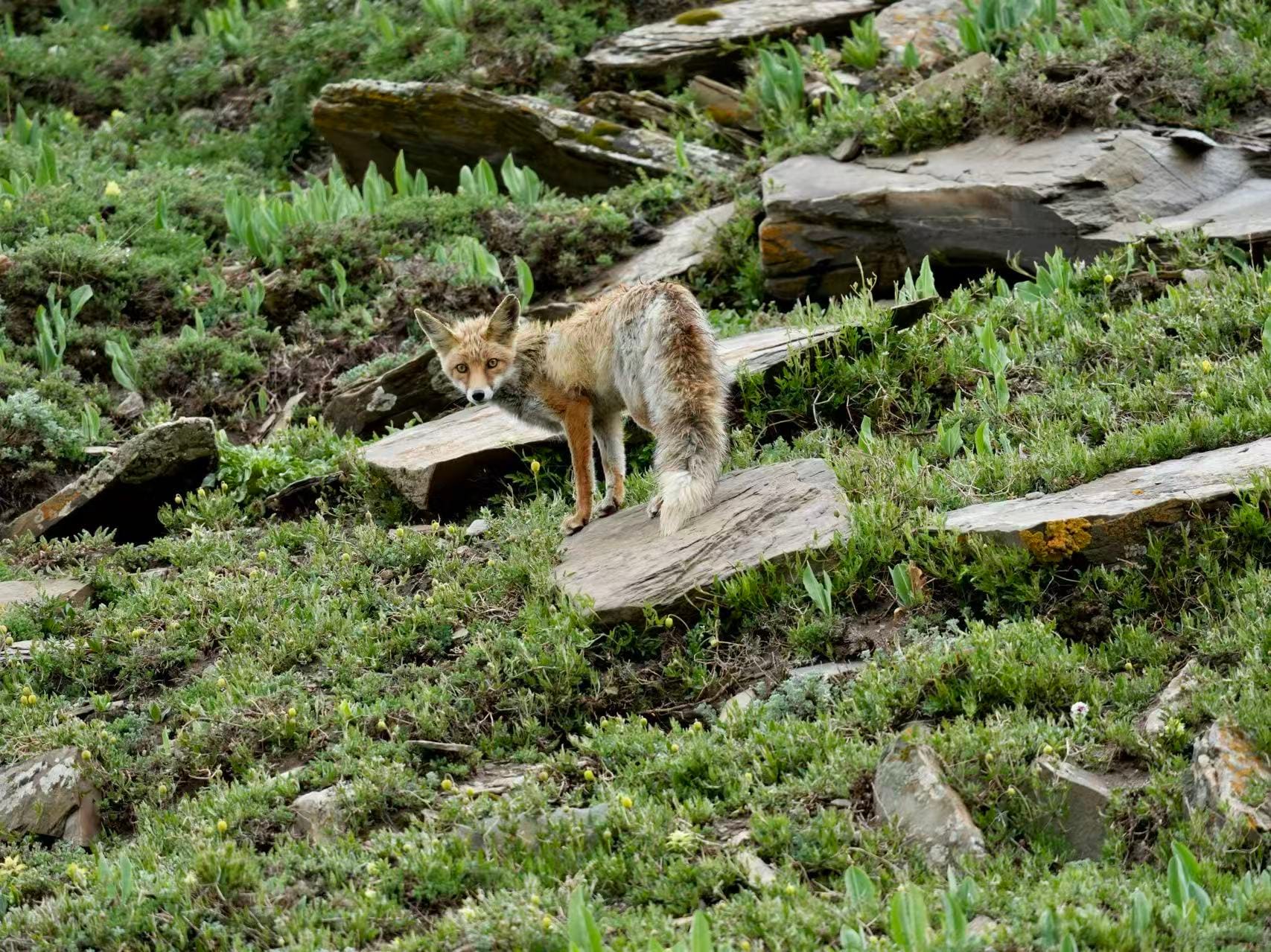
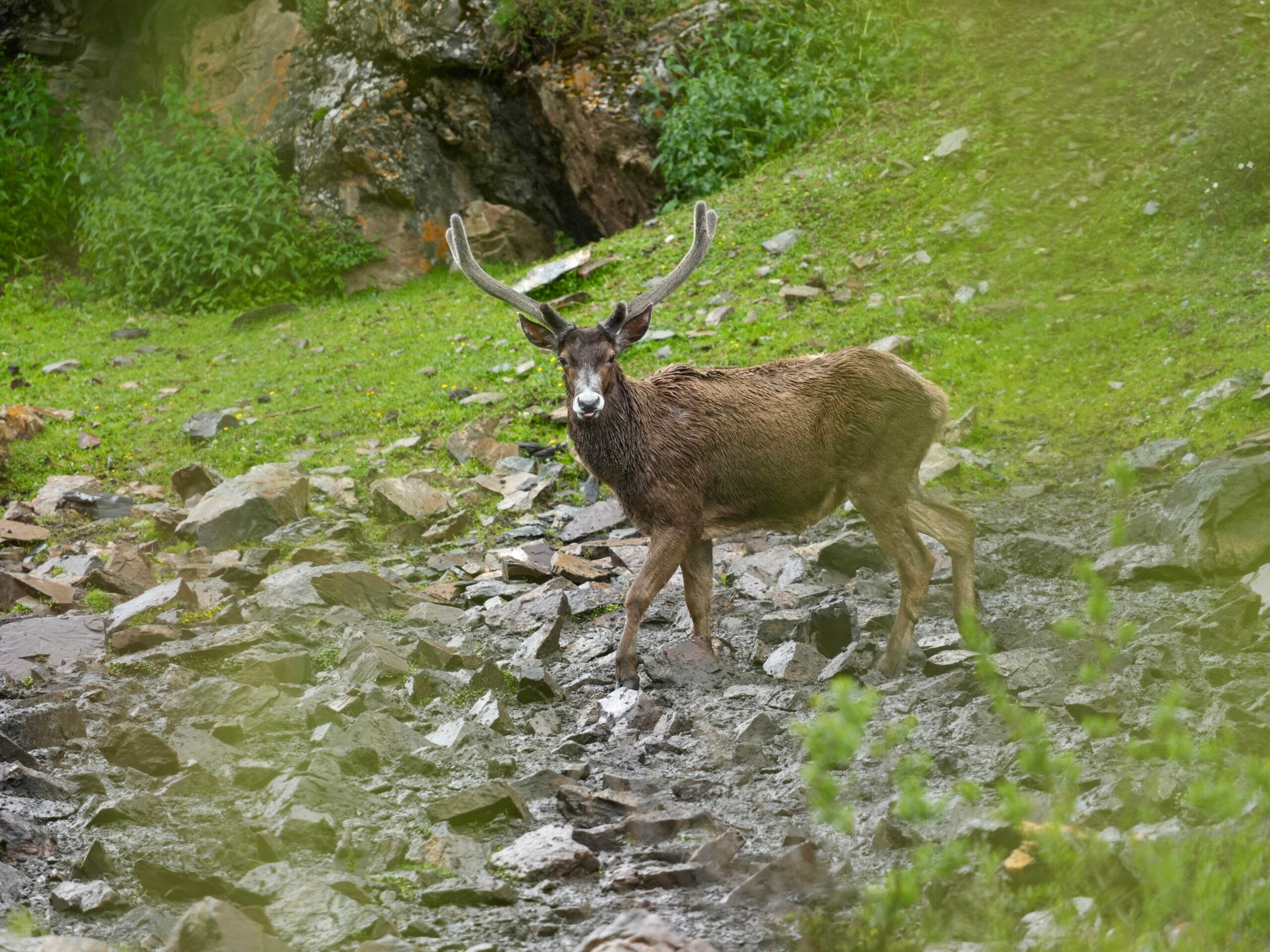
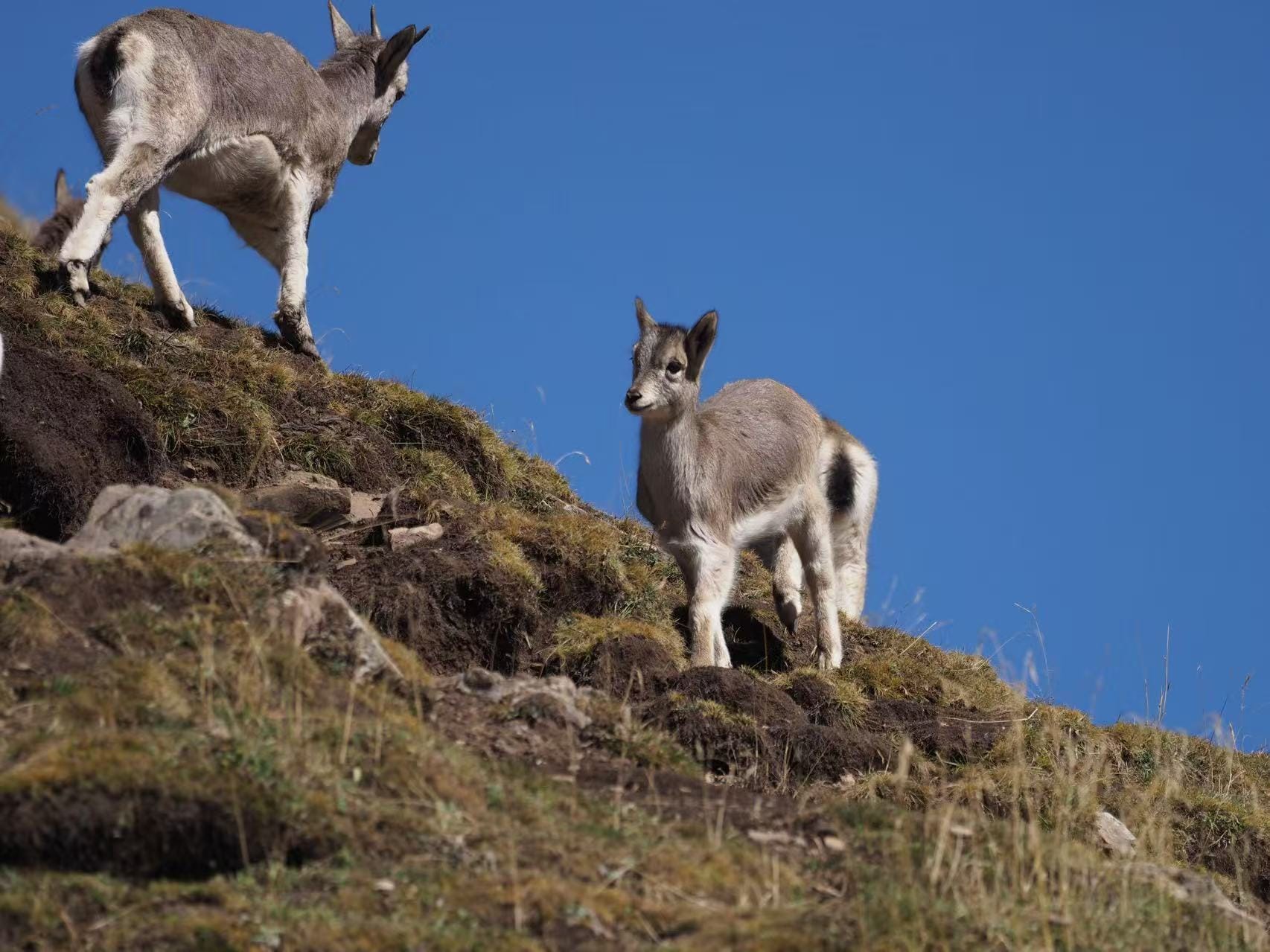
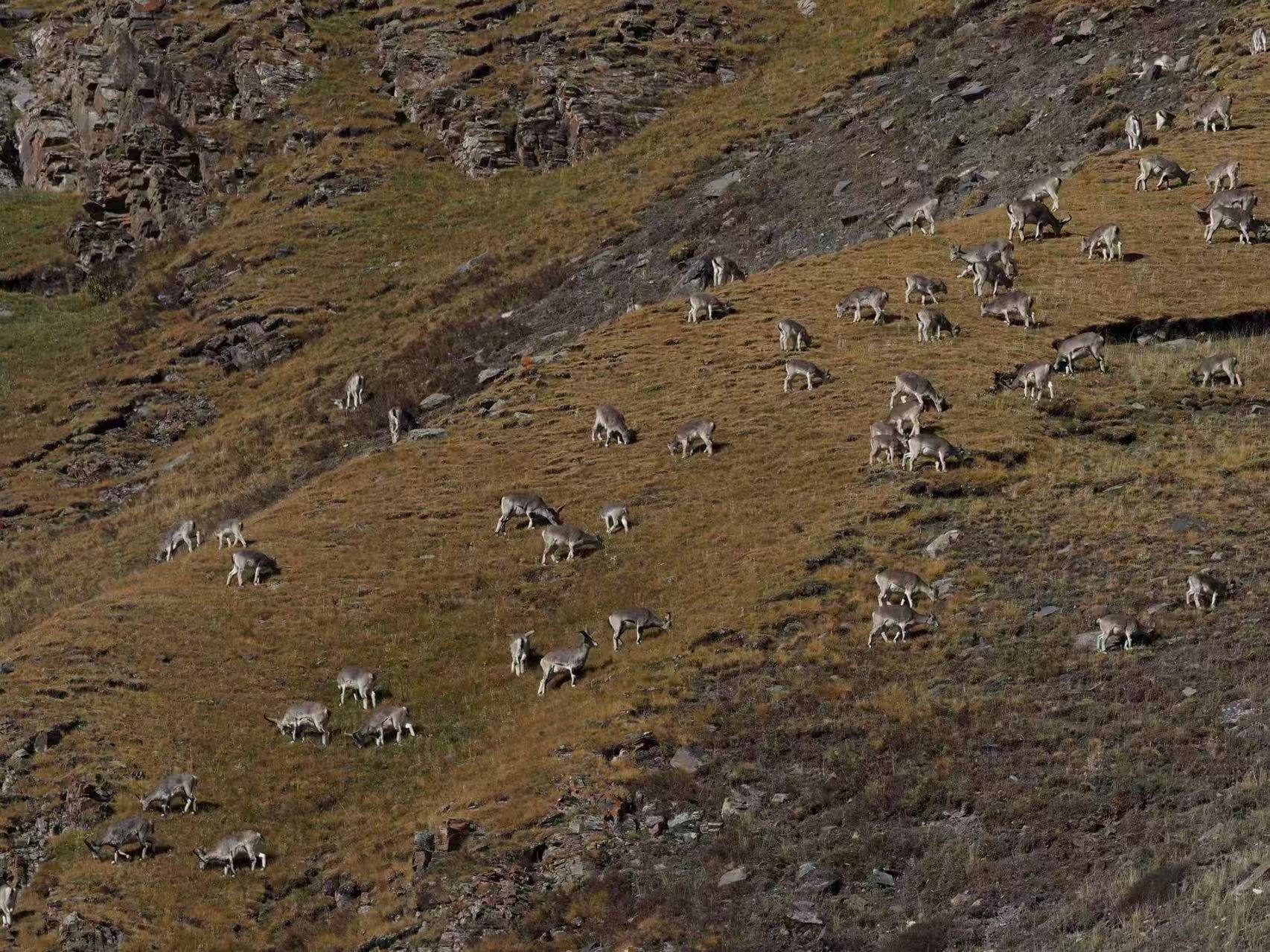
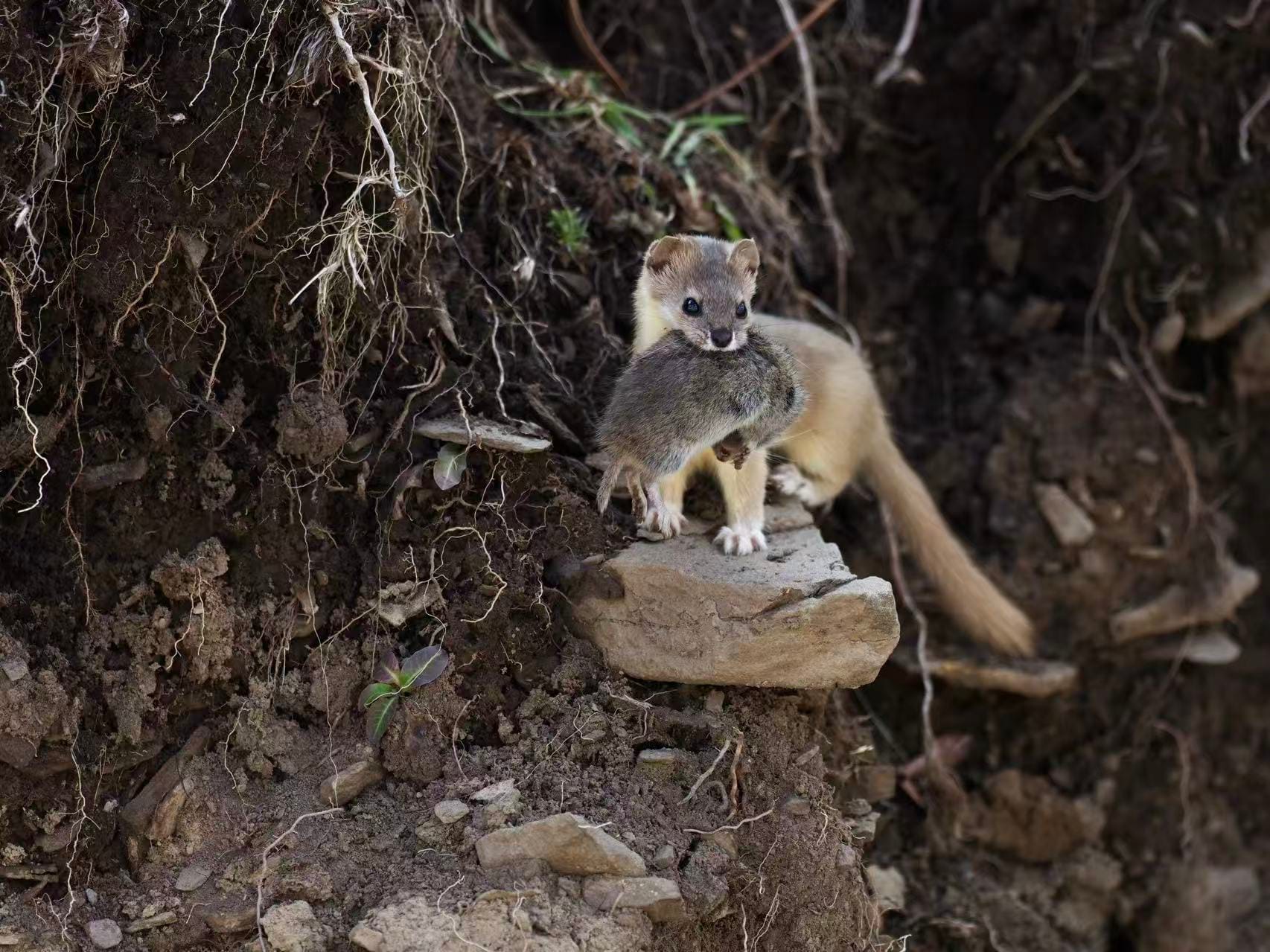
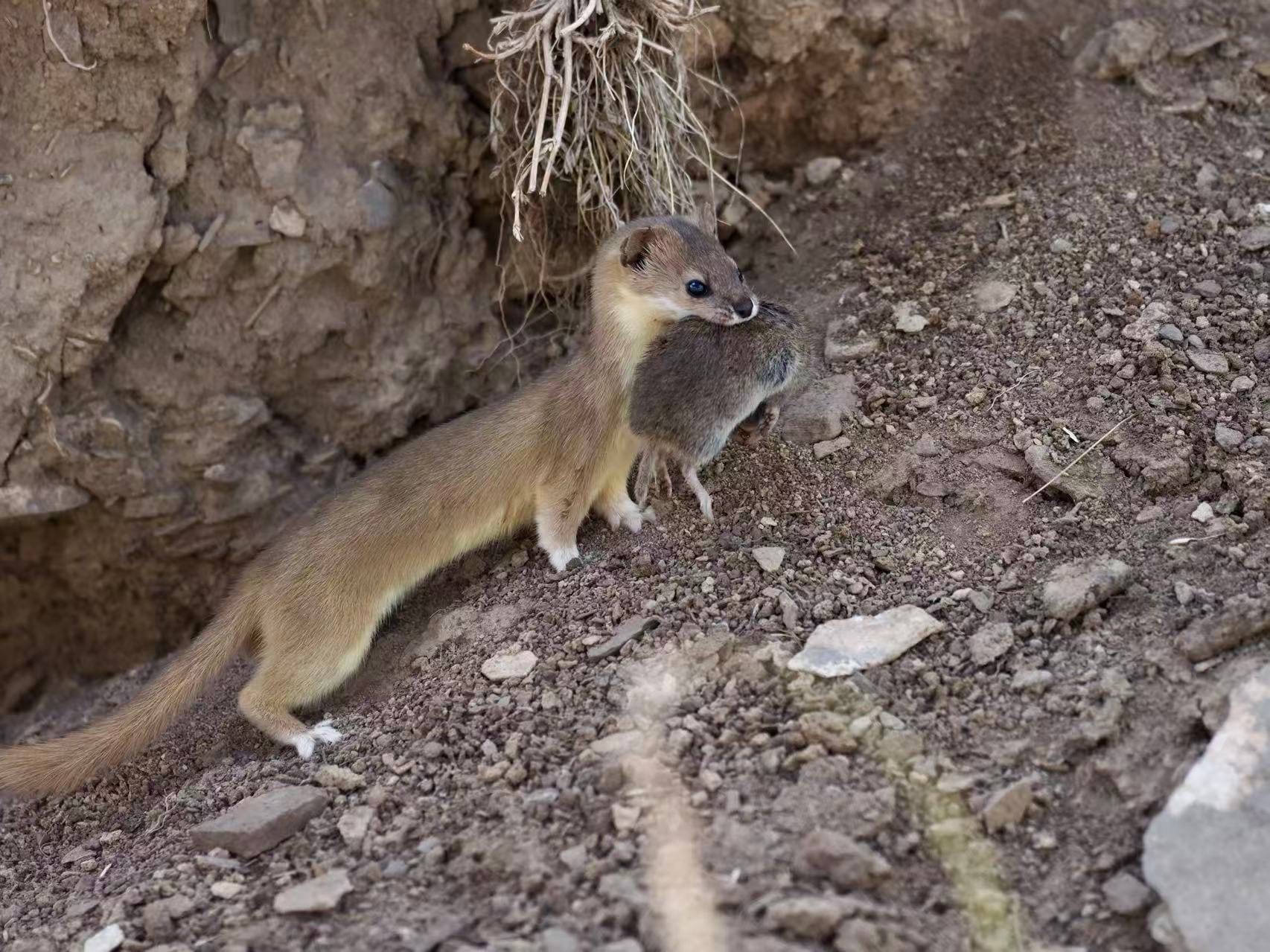
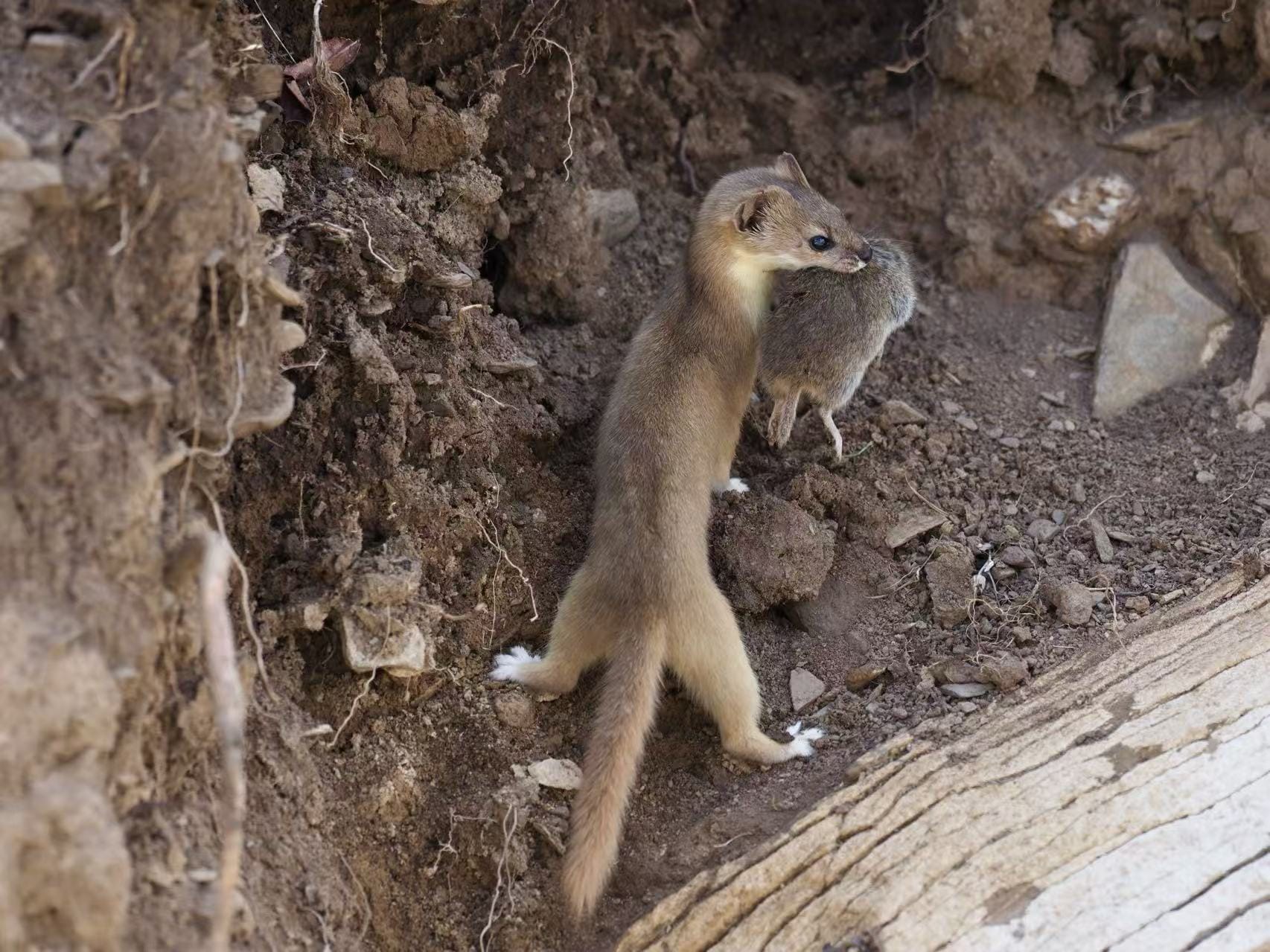
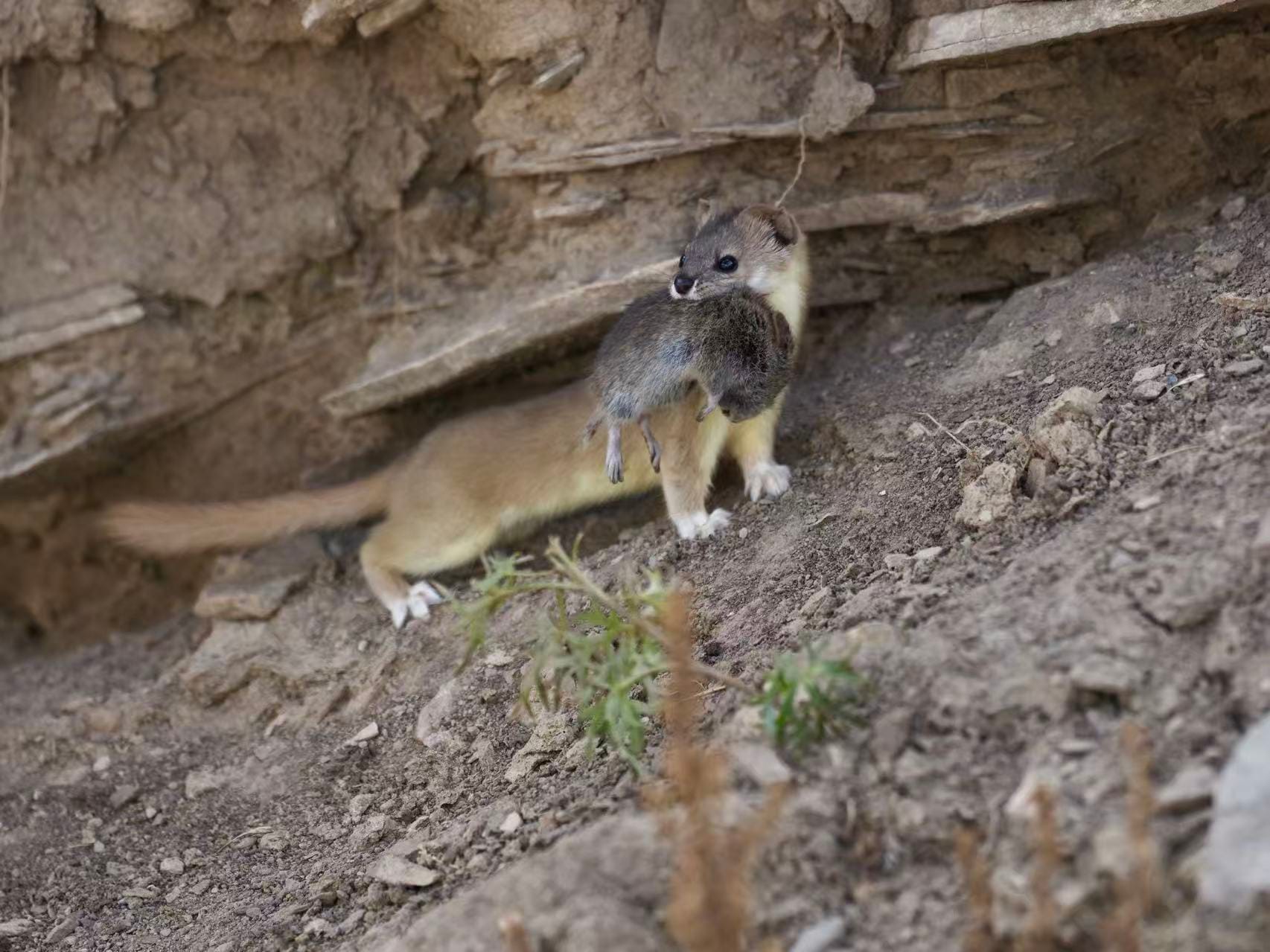
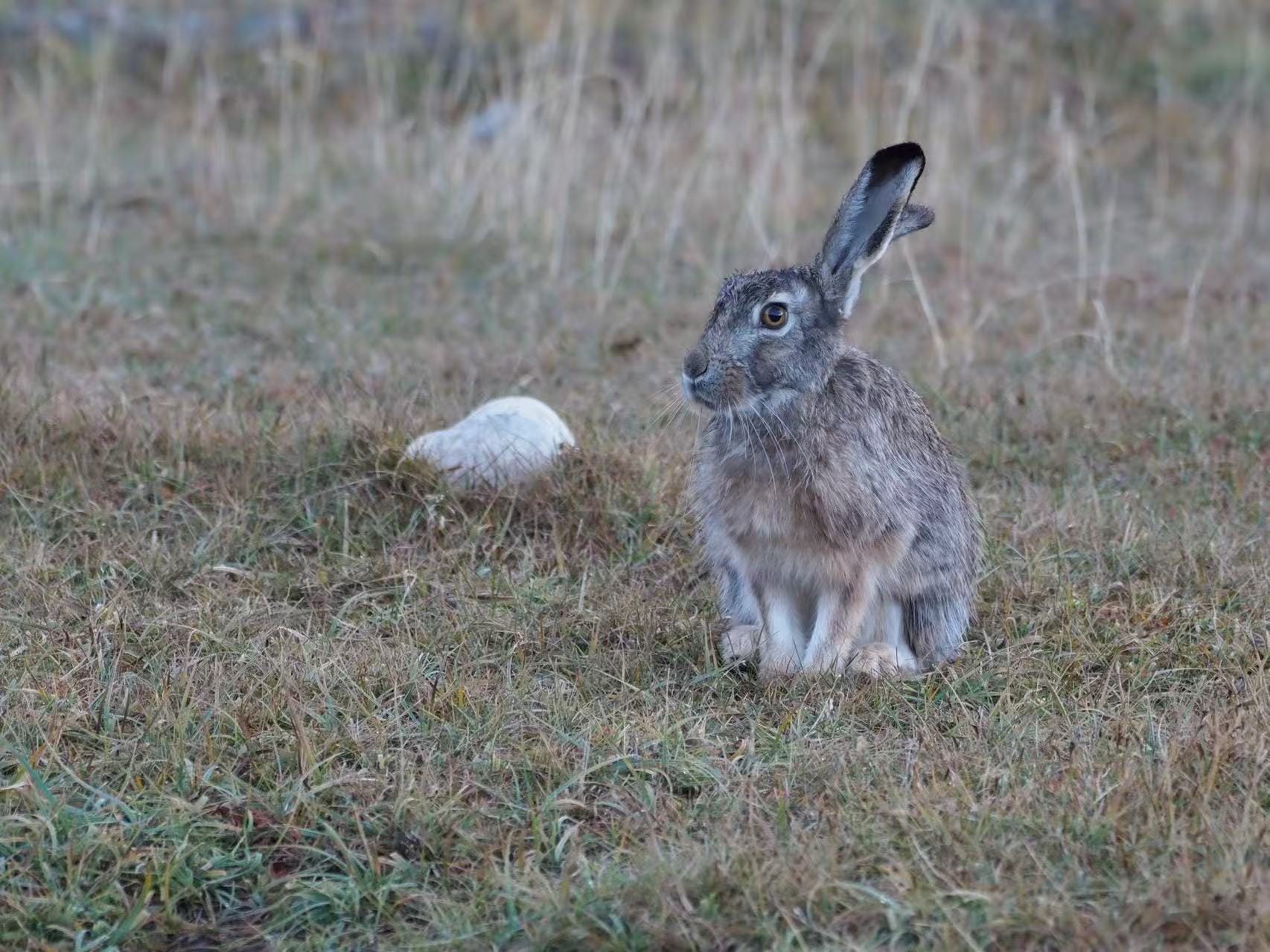
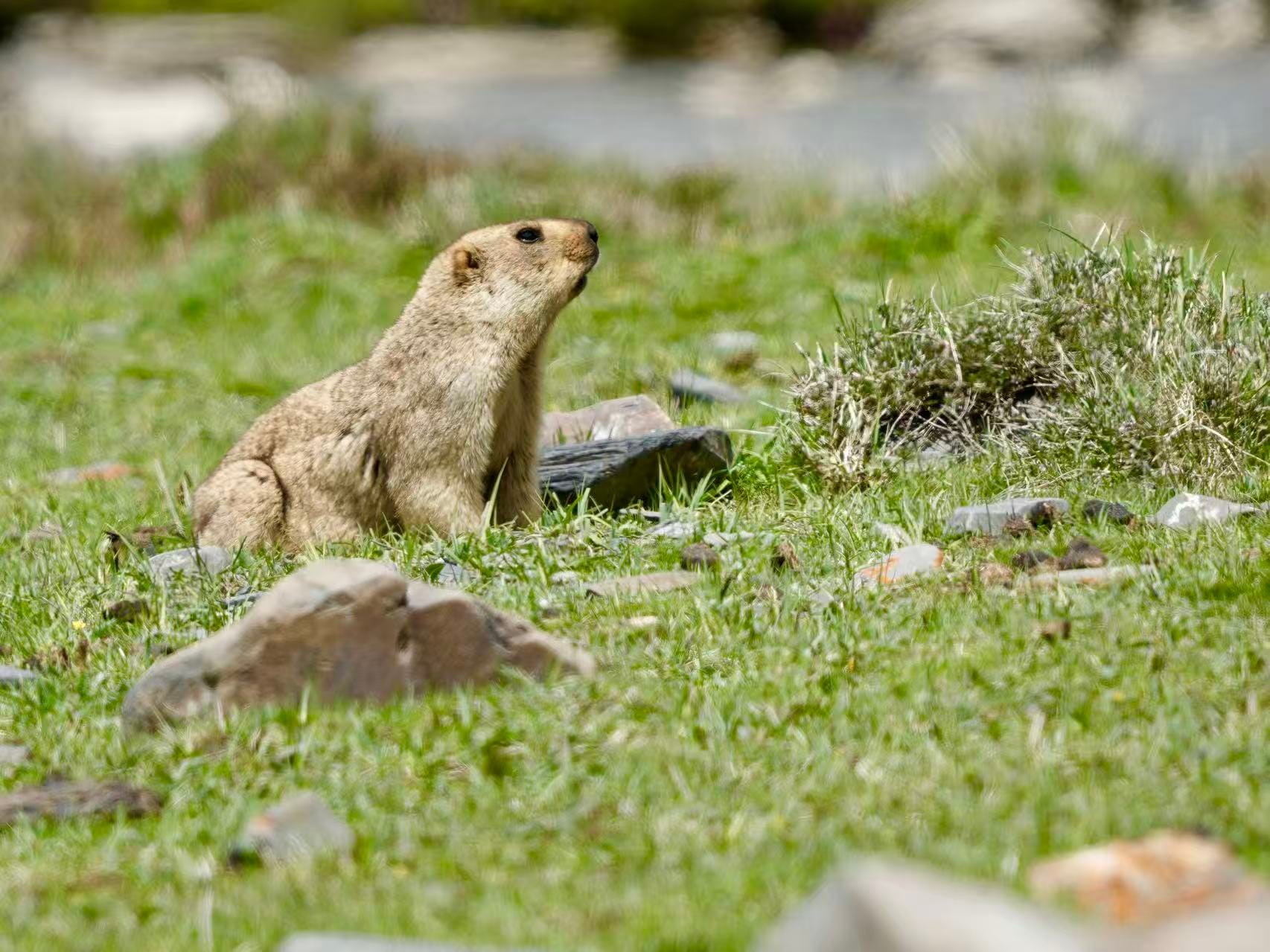
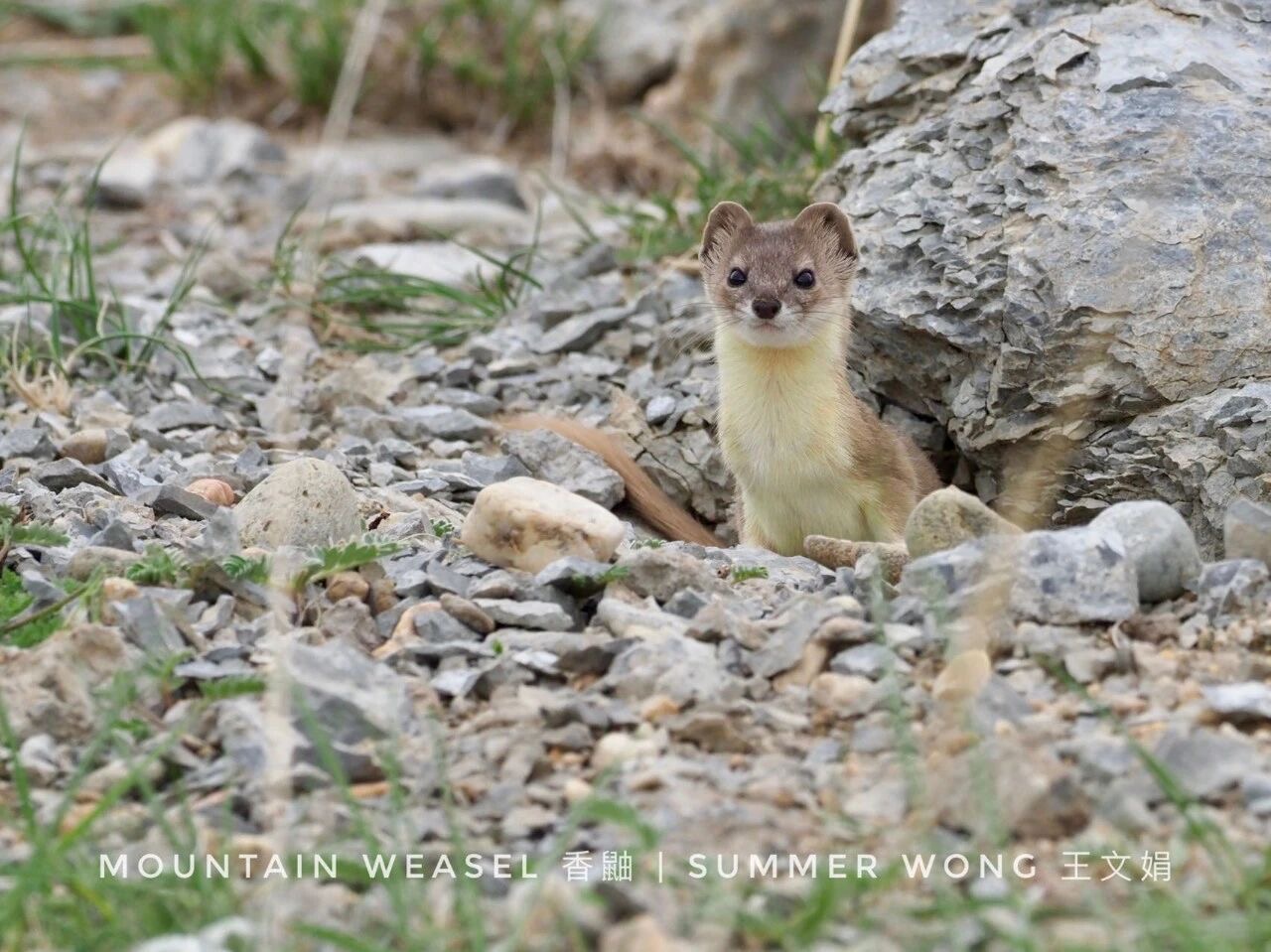
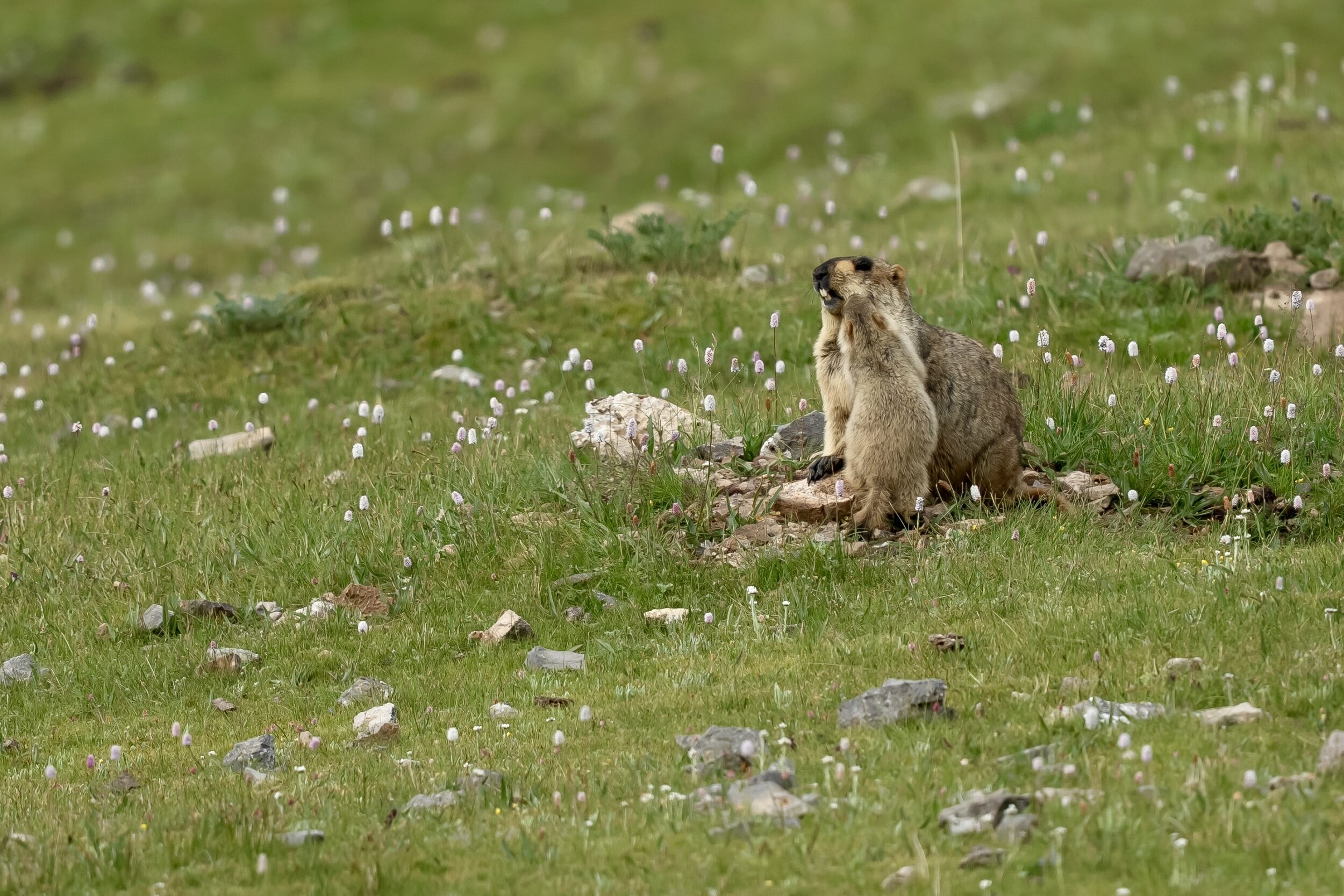
Spend six full days exploring the breathtaking Gouli Valley, traveling by 4WD to access prime wildlife habitats. Accompanied by experienced local guides, you will search for the elusive Snow Leopard and a remarkable diversity of other mammals, including Eurasian Lynx, Pallas’s Cat, Tibetan Wolf, Tibetan Fox, Blue Sheep, Red Fox, Himalayan Marmot, Himalayan Mountain Weasel, Tibetan Gazelle, White-lipped Deer, Alpine Musk Deer, Woolly Hare, Kiang, Plateau Pika, Asian Badger, Smoky Mountain Vole, Chinese Dhole (Asiatic Wild Dog), Steppe Polecat, and Tibetan Argali.
Each day offers new opportunities to observe and photograph high-altitude wildlife amid pristine mountain scenery, while learning about the delicate ecosystems and conservation efforts of this extraordinary region. Overnight in Xiangride.
Day 8 – Return to Golmud and Departure
After breakfast, drive back to Golmud Airport for your onward flight. Bid farewell to the spectacular landscapes of the Qinghai–Tibetan Plateau and conclude your unforgettable wildlife adventure.
Practical Notes & Recommendations
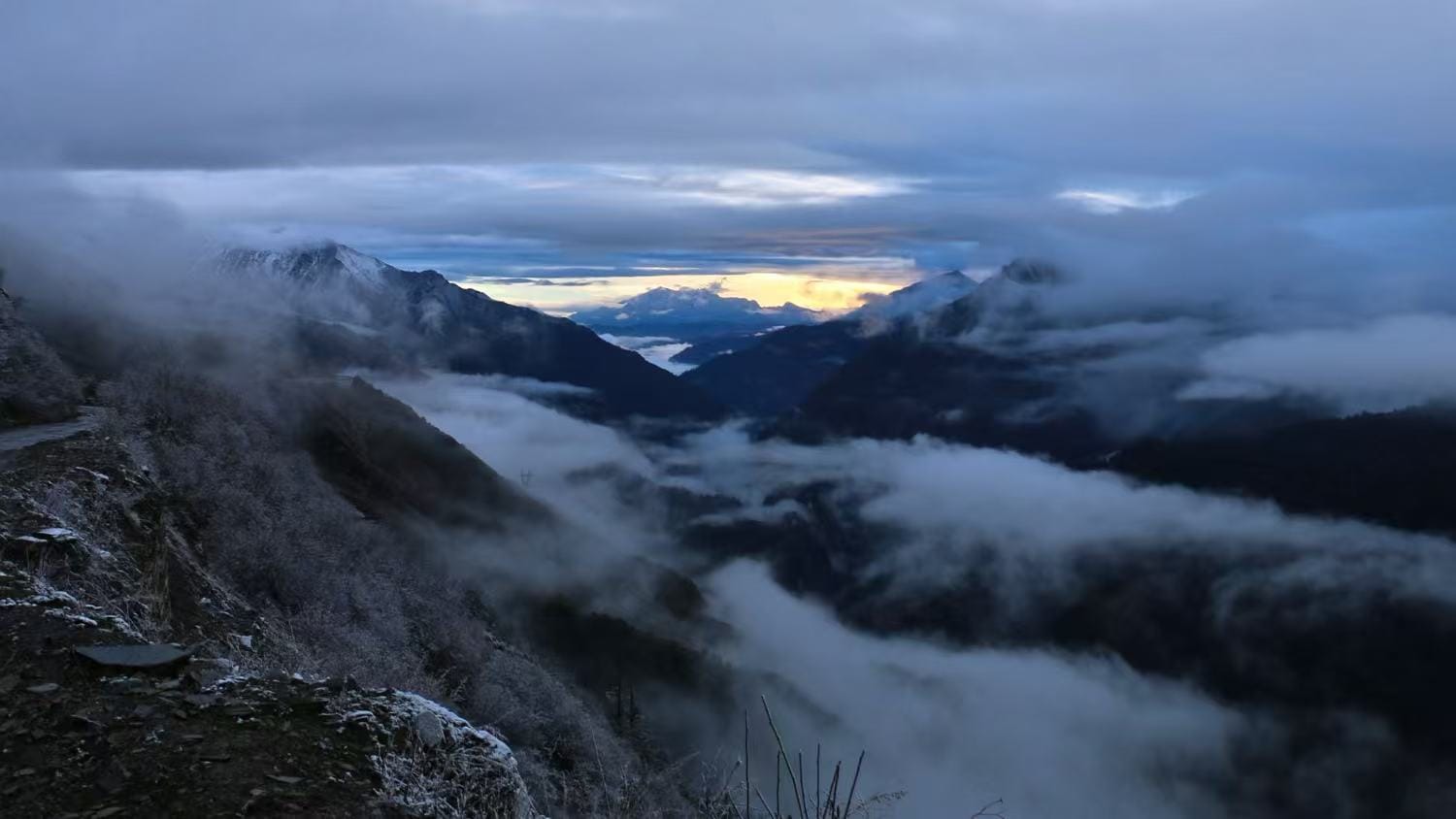
Altitude: The tour takes place on the Tibetan Plateau, with the hotel located at around 2,900 m and the snow leopard search area at approximately 4,150 m. Altitude is the main challenge of this expedition rather than physical exertion. Please allow time for acclimatization, stay hydrated, and inform your guides if you experience any symptoms of altitude sickness.
Weather & Clothing: Weather conditions can be very cold, especially during the April expedition. Temperatures may drop to around -5°C to -10°C. We recommend bringing warm layered clothing, including a down jacket, windproof outer layers, thermal base layers, warm gloves, a hat, and good sun protection. UV radiation is very strong at high altitude.
Transportation & Searching: Snow leopard searching is mainly conducted by 4WD vehicles, with regular stops at suitable viewpoints. This is not a trekking expedition, and there is very little walking involved. However, participants should be comfortable spending long periods outdoors and in vehicles while scanning the mountain slopes for wildlife.
Photography: This tour offers excellent opportunities for wildlife photography. A medium to long telephoto lens is highly recommended for photographing snow leopards, blue sheep, and other Tibetan Plateau wildlife. A sturdy tripod or monopod can also be useful for long-distance photography and extended viewing.
Wildlife Viewing: Although our snow leopard sighting success rate has been excellent, wildlife sightings can never be guaranteed. We will spend several full days searching the best areas, using local knowledge and experienced guides to maximize the chances of finding snow leopards.
Flexibility: The itinerary may be adjusted slightly depending on weather conditions, wildlife activity, road conditions, and the advice of local trackers, in order to maximize wildlife viewing opportunities.
Health & Fitness: A good general level of fitness is recommended. Since the tour involves high altitude, participants should be comfortable with the conditions at 4,000+ meters. Previous high-altitude travel experience is helpful, but extensive hiking ability is not required.
An Epic 12-Day Birding Journey Across the Roof of the World
Tour Overview
The Tibetan Plateau is one of the world’s greatest birding frontiers. Stretching across vast alpine grasslands, snow-capped mountains, pristine forests, high-altitude wetlands and barren deserts, it supports one of the most distinctive avifaunas on Earth. Our carefully designed 12-day Qinghai Birding Tour explores the northeastern Tibetan Plateau, covering a remarkable diversity of habitats and offering excellent opportunities to observe many of the plateau’s most sought-after endemic and near-endemic species.
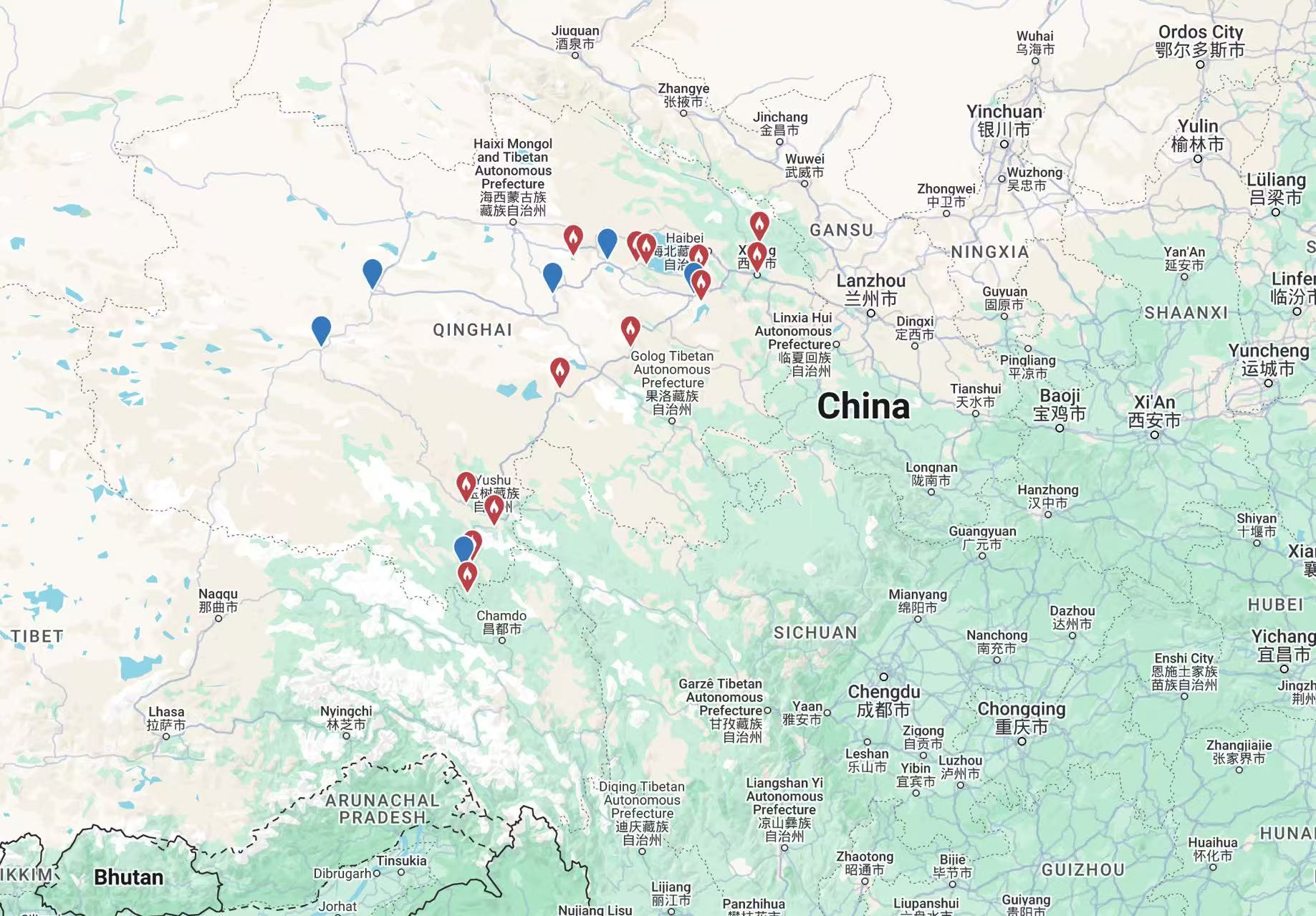
Beginning in Xining, we gradually ascend onto the Roof of the World, travelling through Dongxia Forest Park, Longyangxia Valley, the spectacular alpine landscapes of Maduo, Yushu and Nangqian, the remote grasslands around Qumalai, the deserts near Golmud, and finally the famous Qinghai Lake before returning to Xining. This route has been carefully planned to maximise habitat diversity, giving us excellent chances of recording 150-200 bird species while experiencing some of the most breathtaking scenery anywhere in Asia.
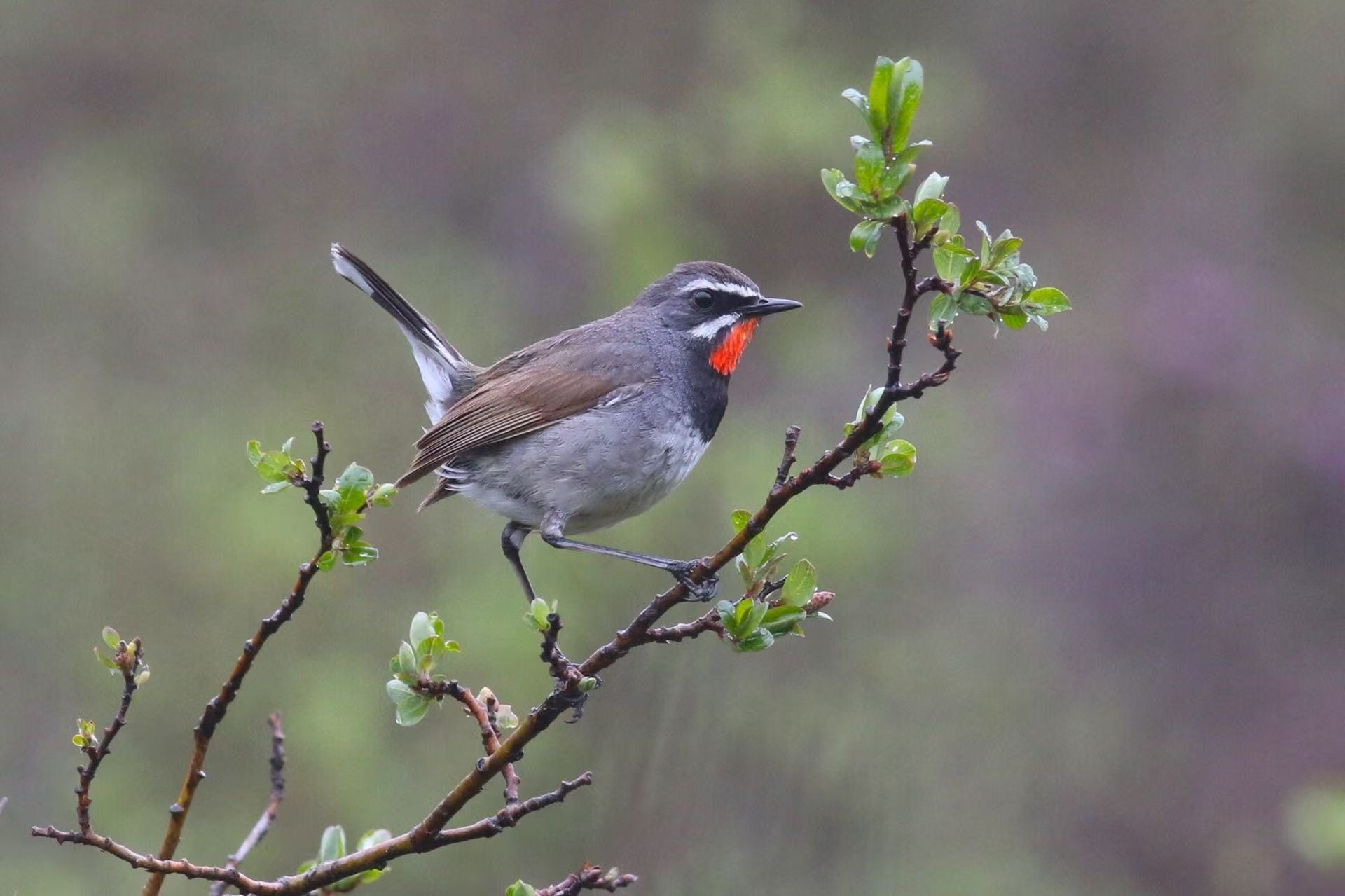
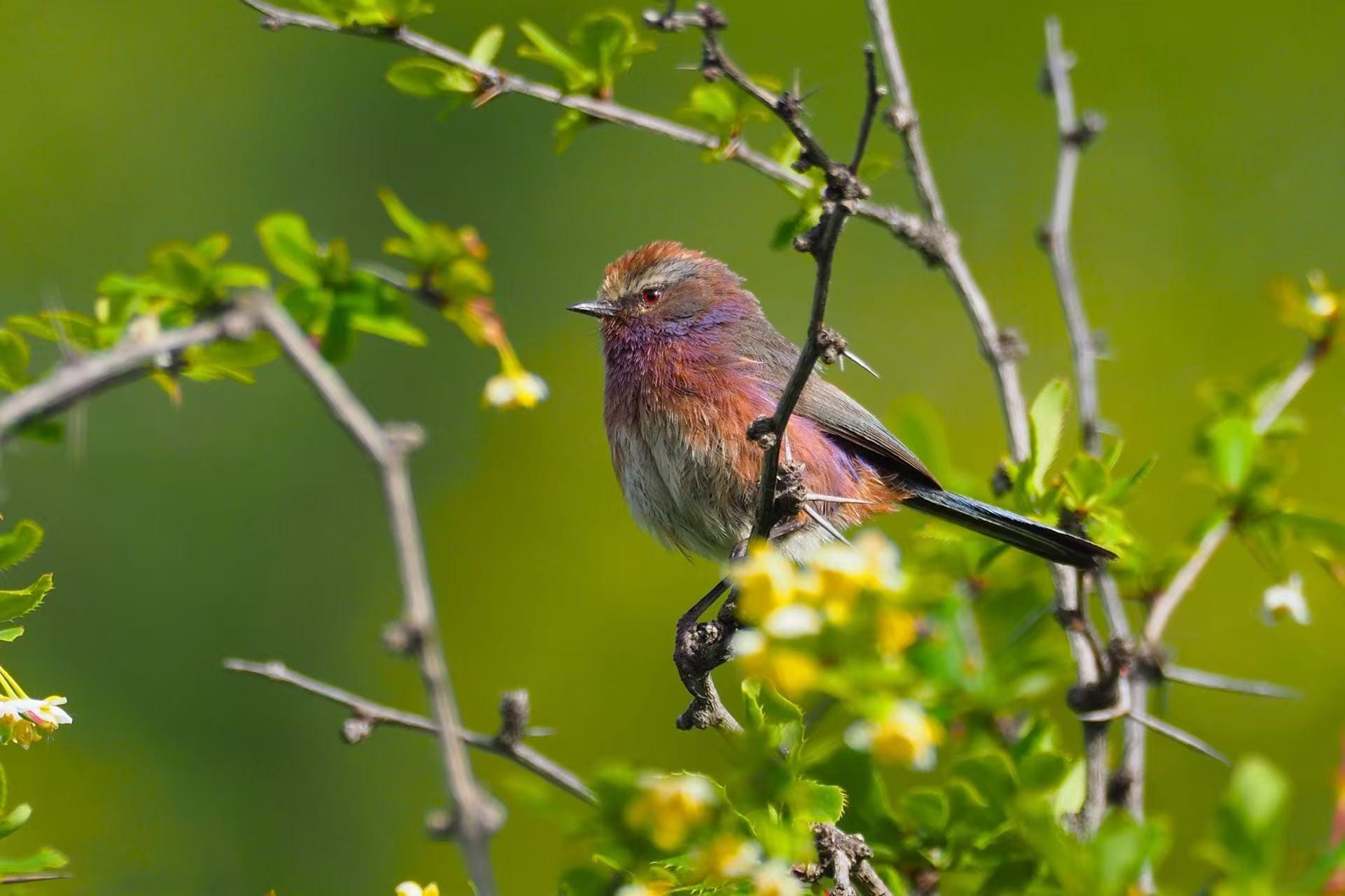
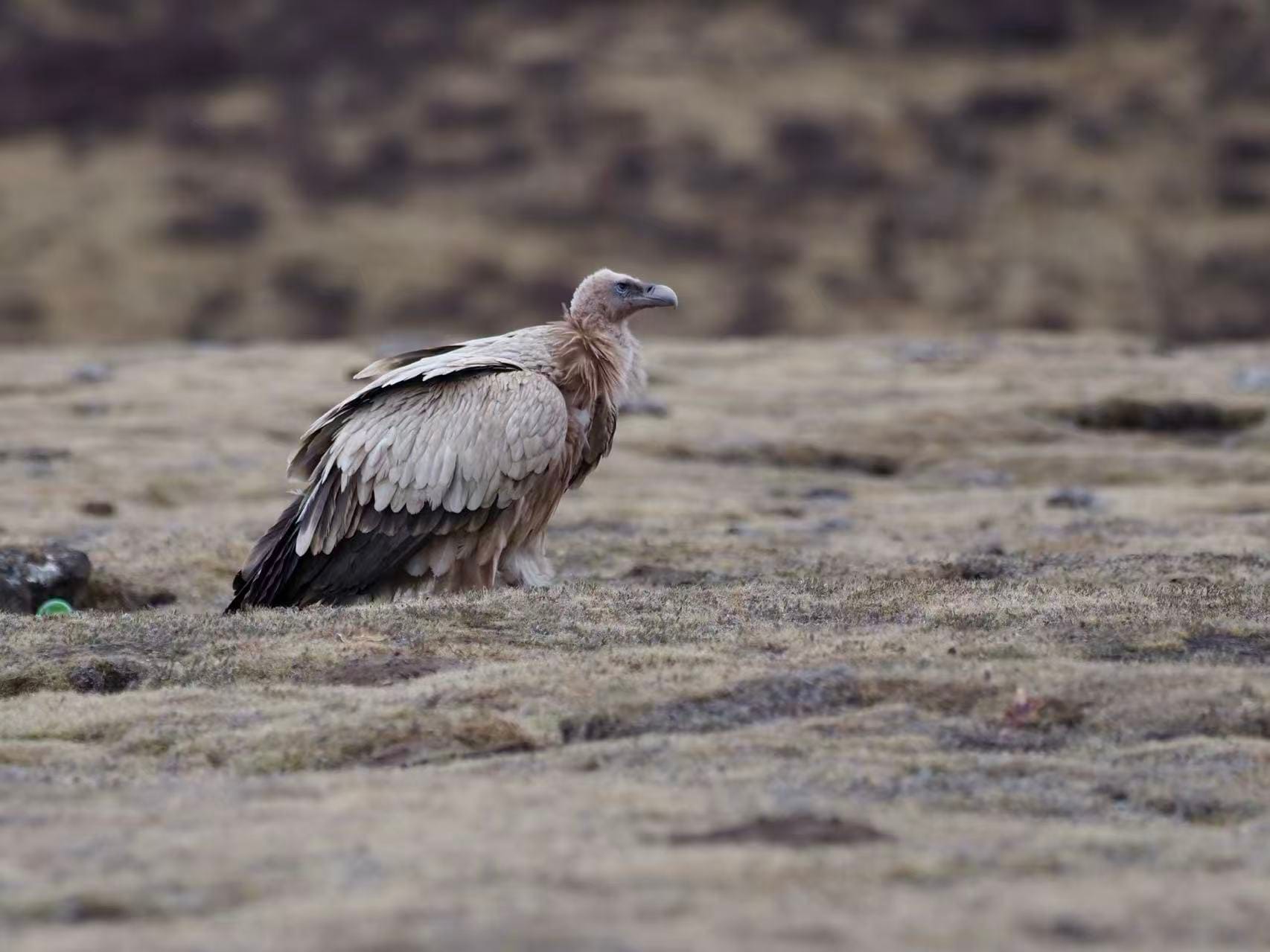
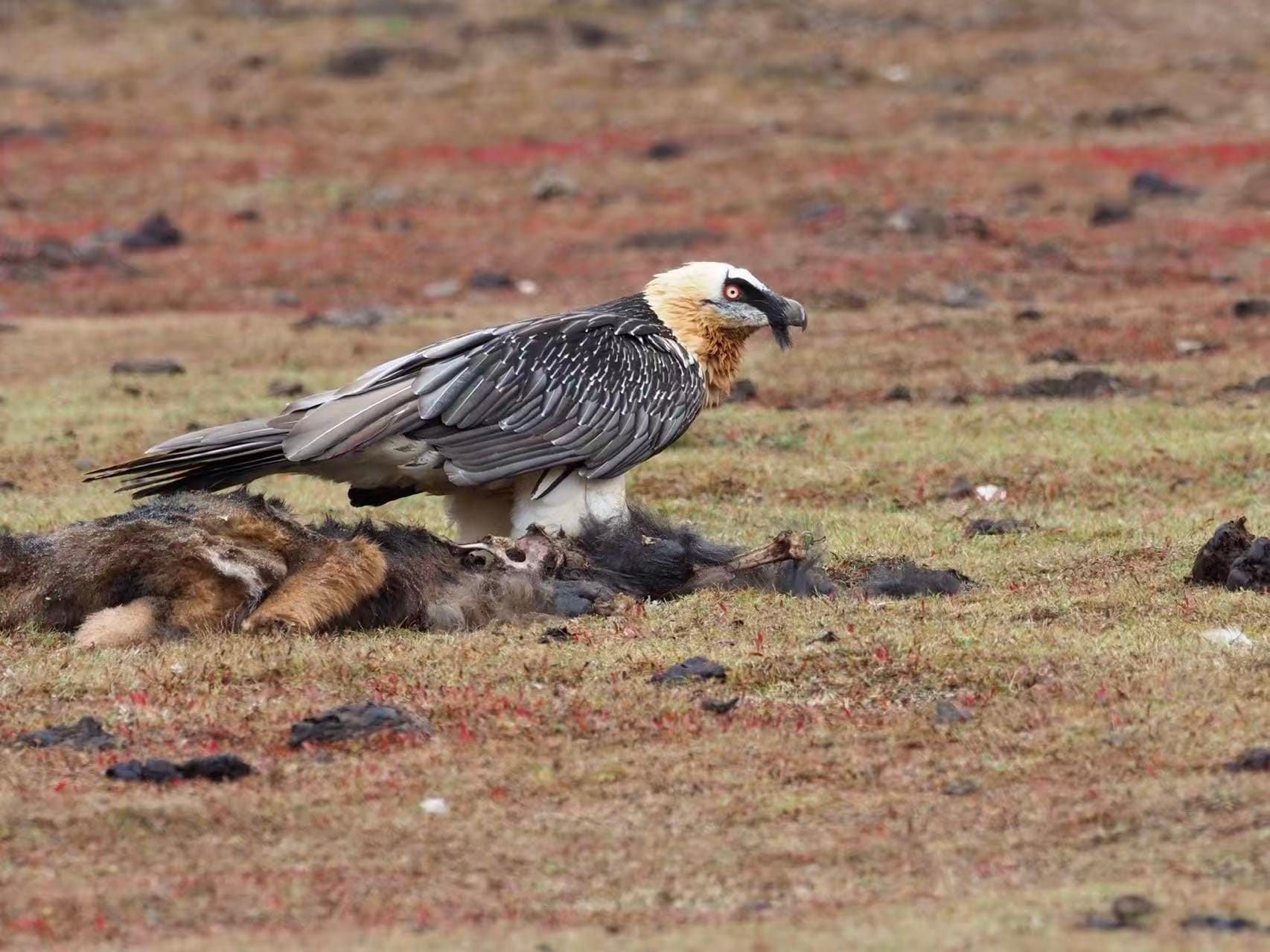
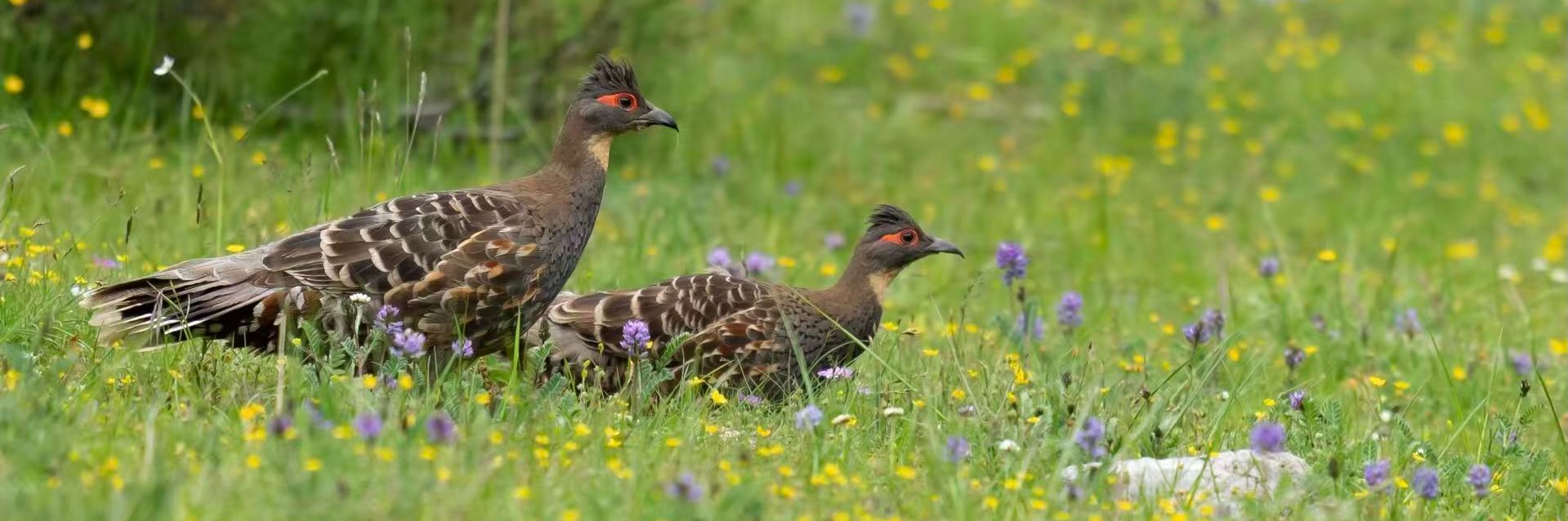
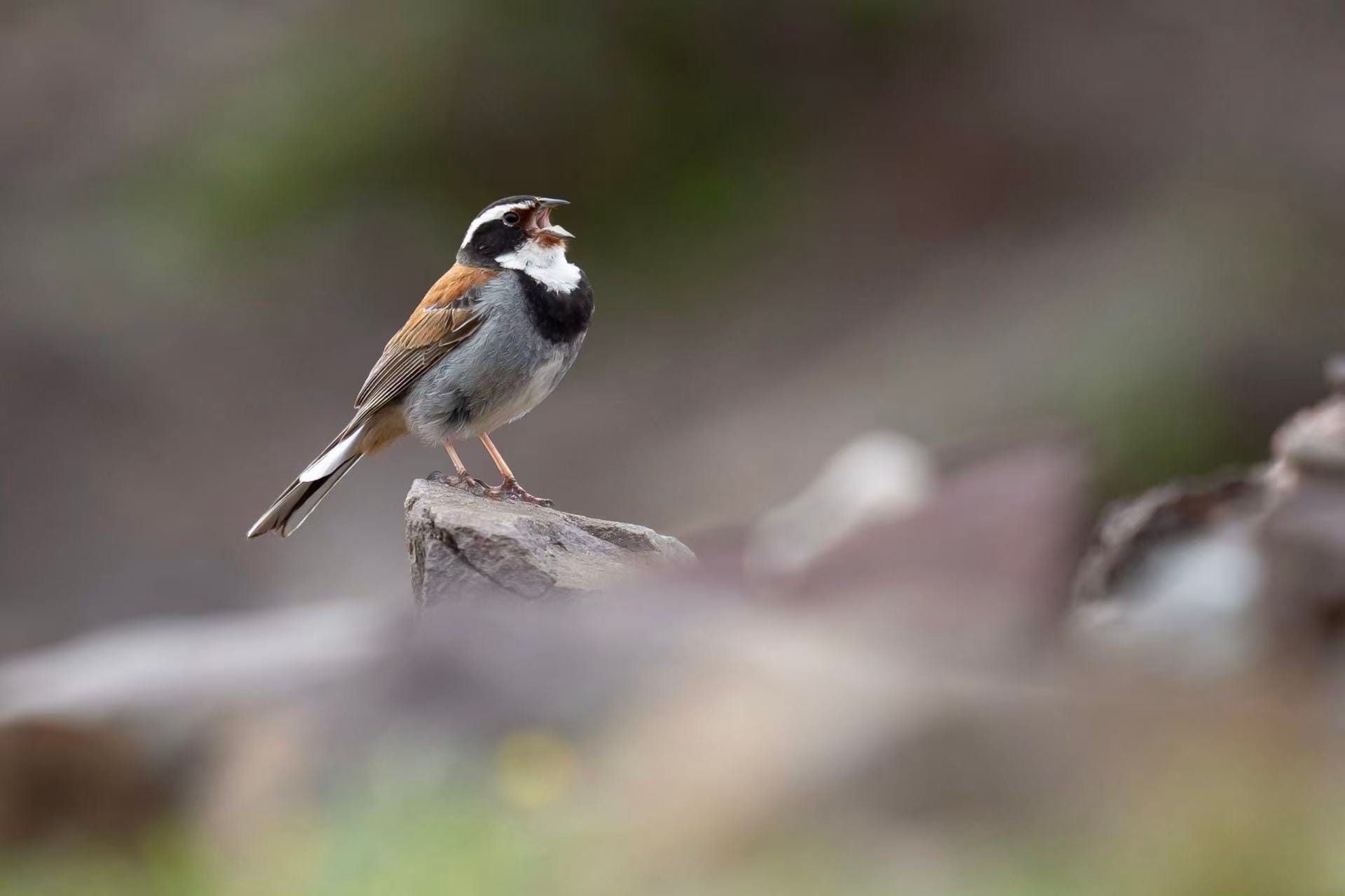
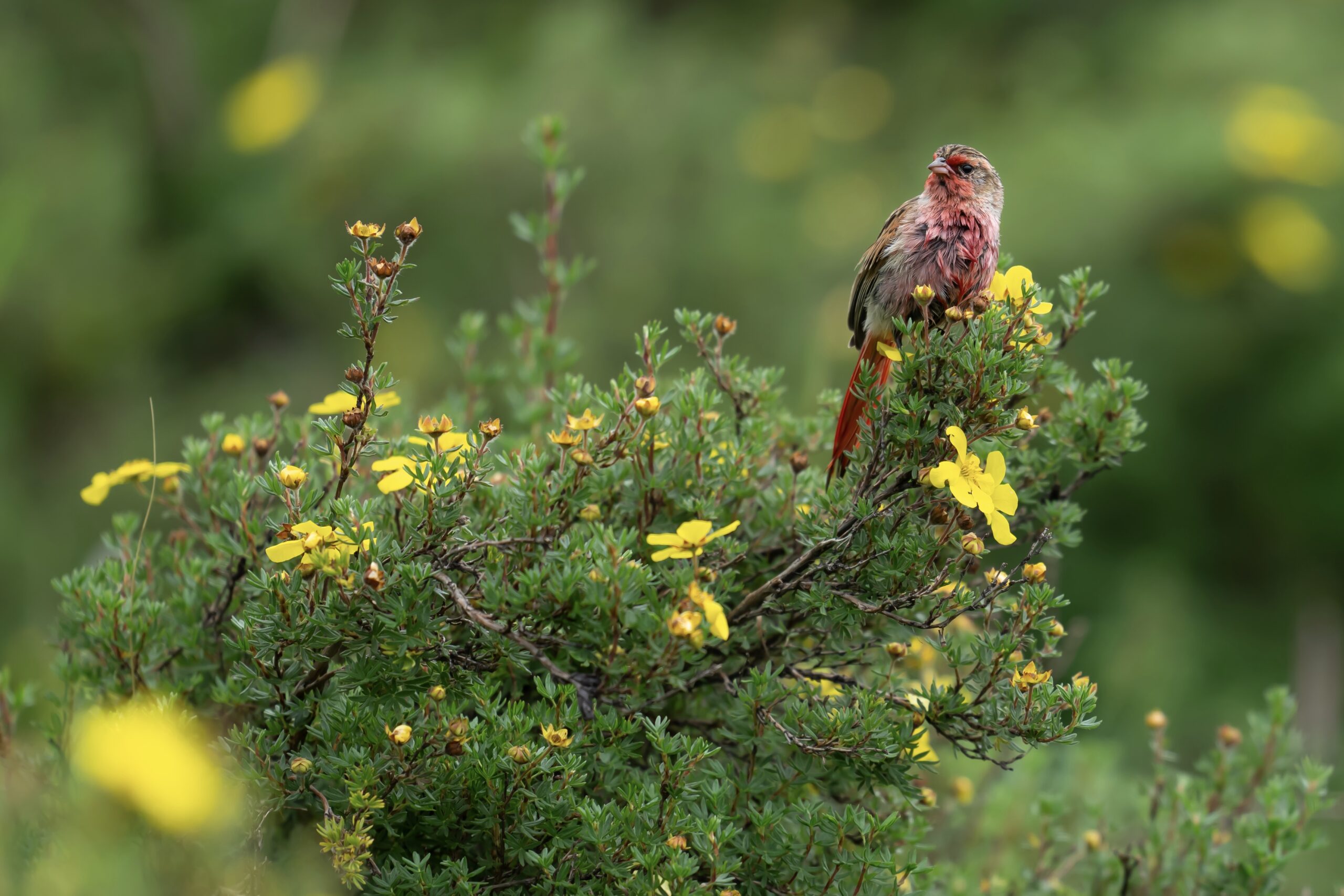
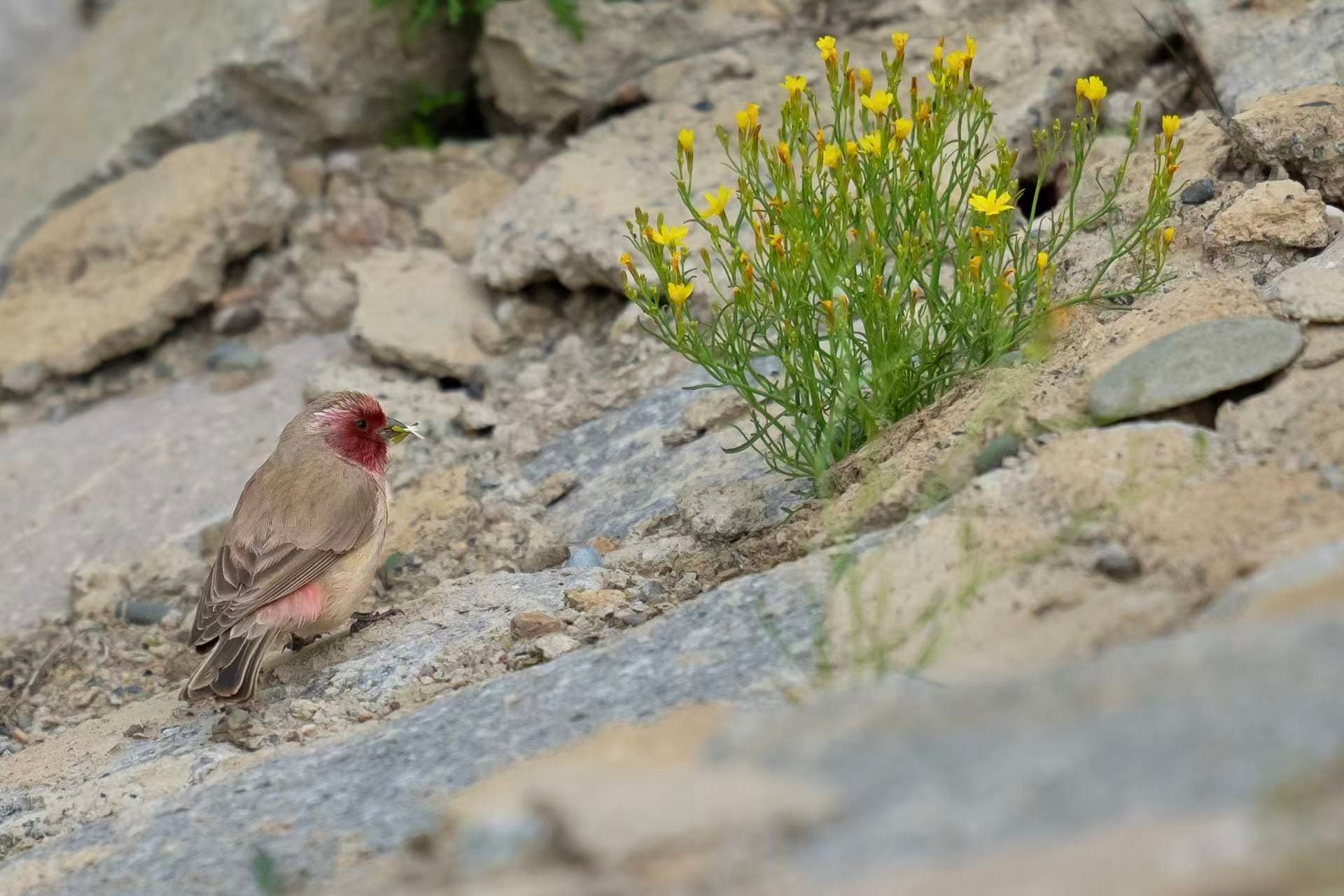
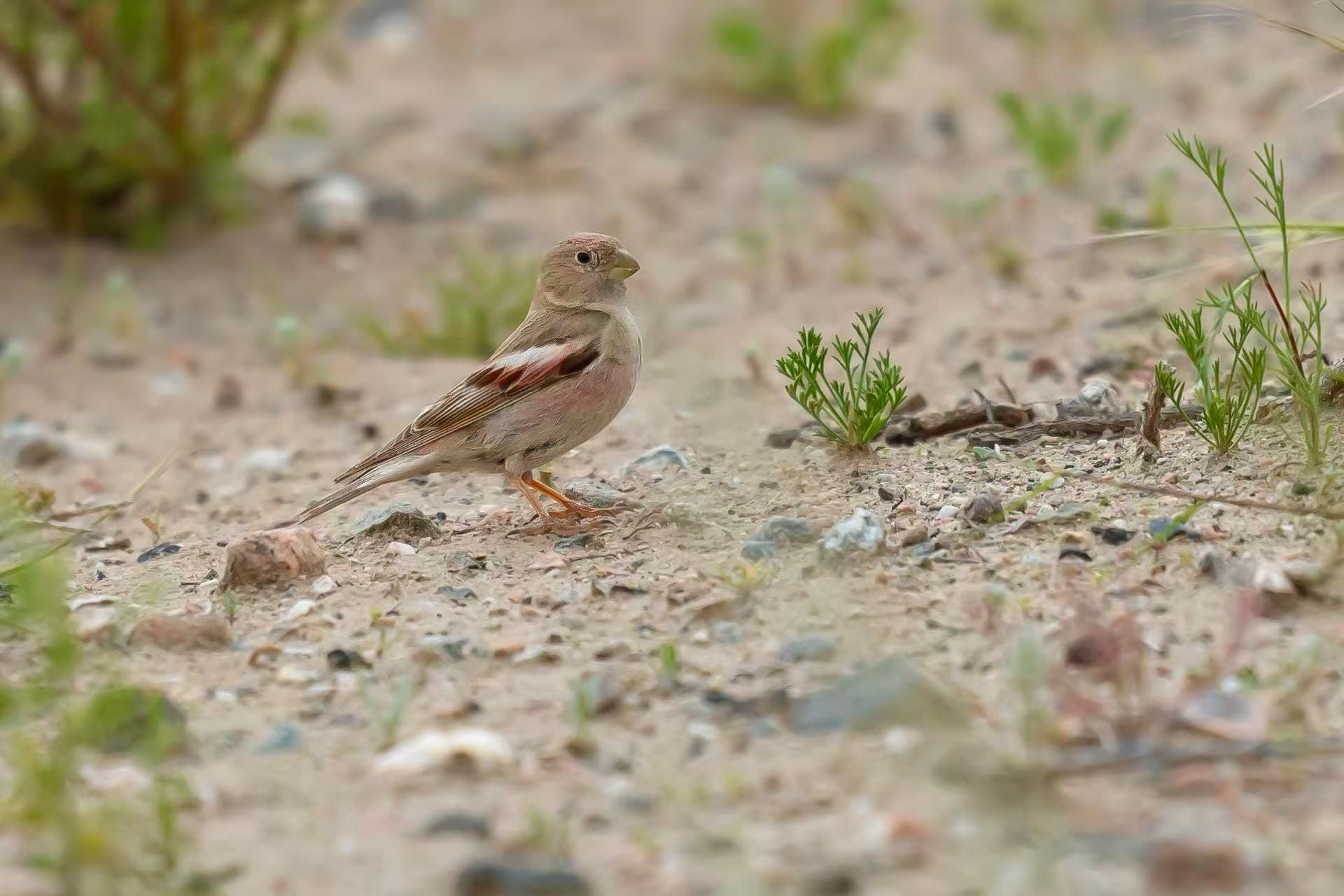
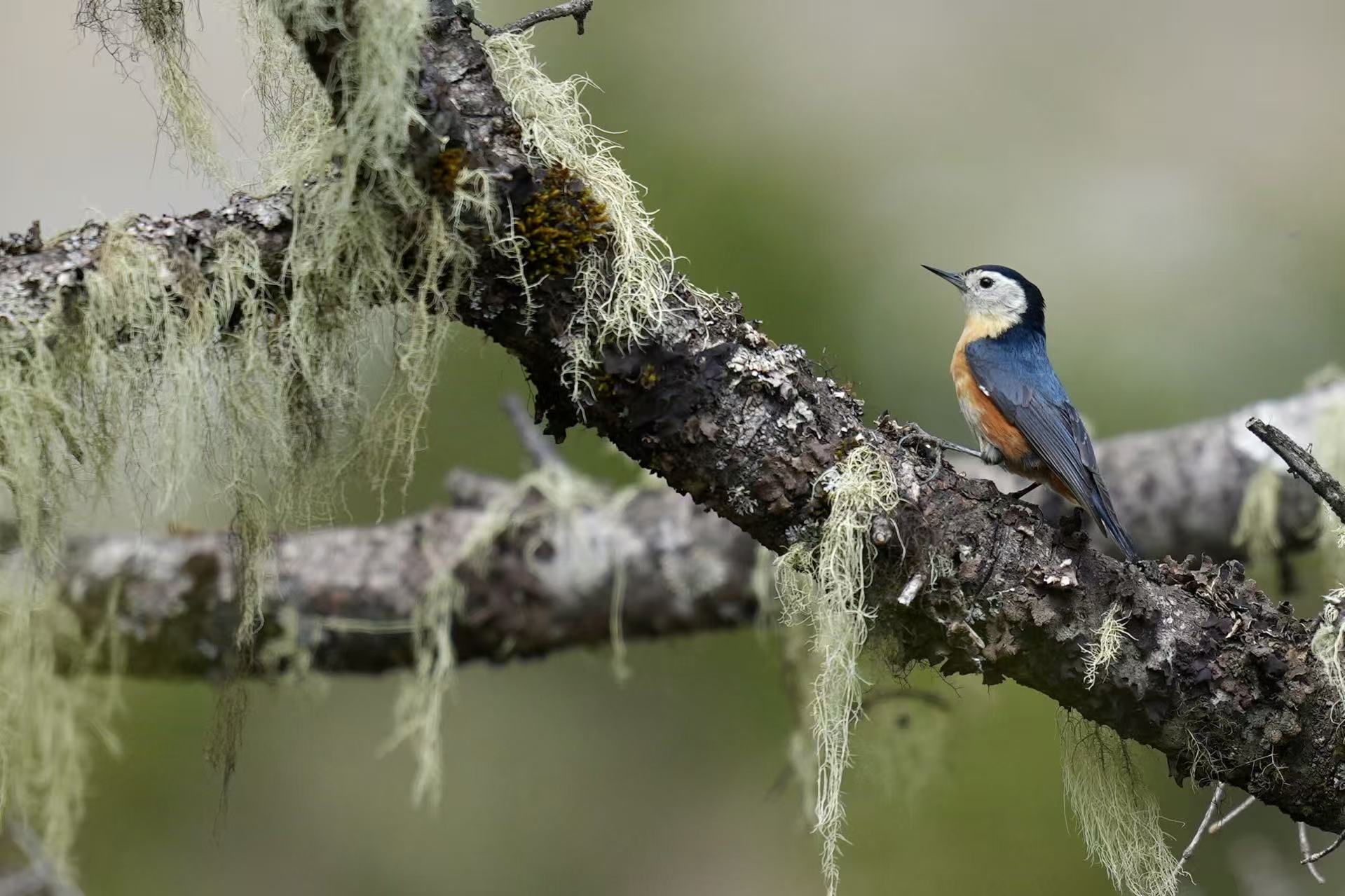
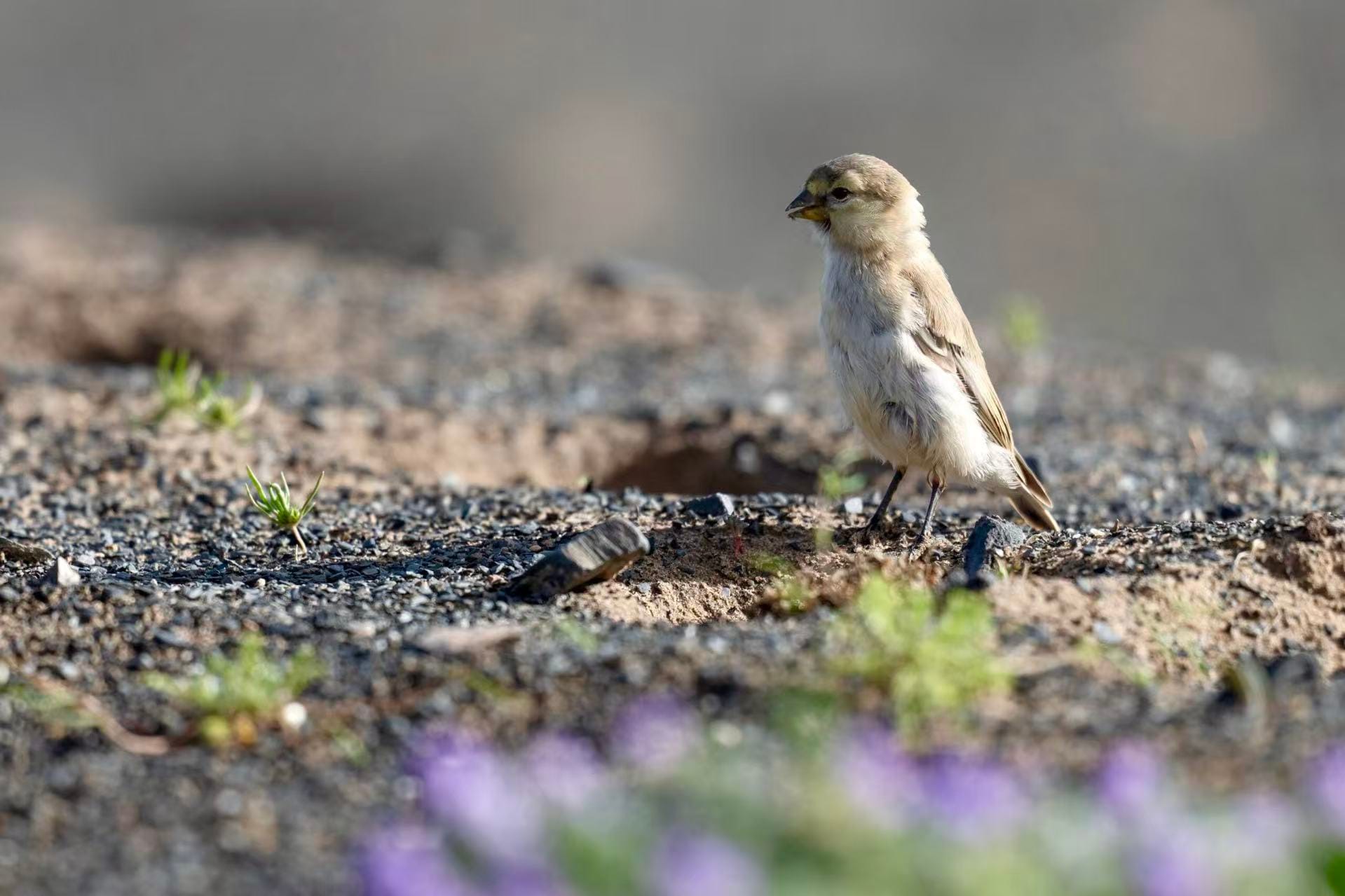
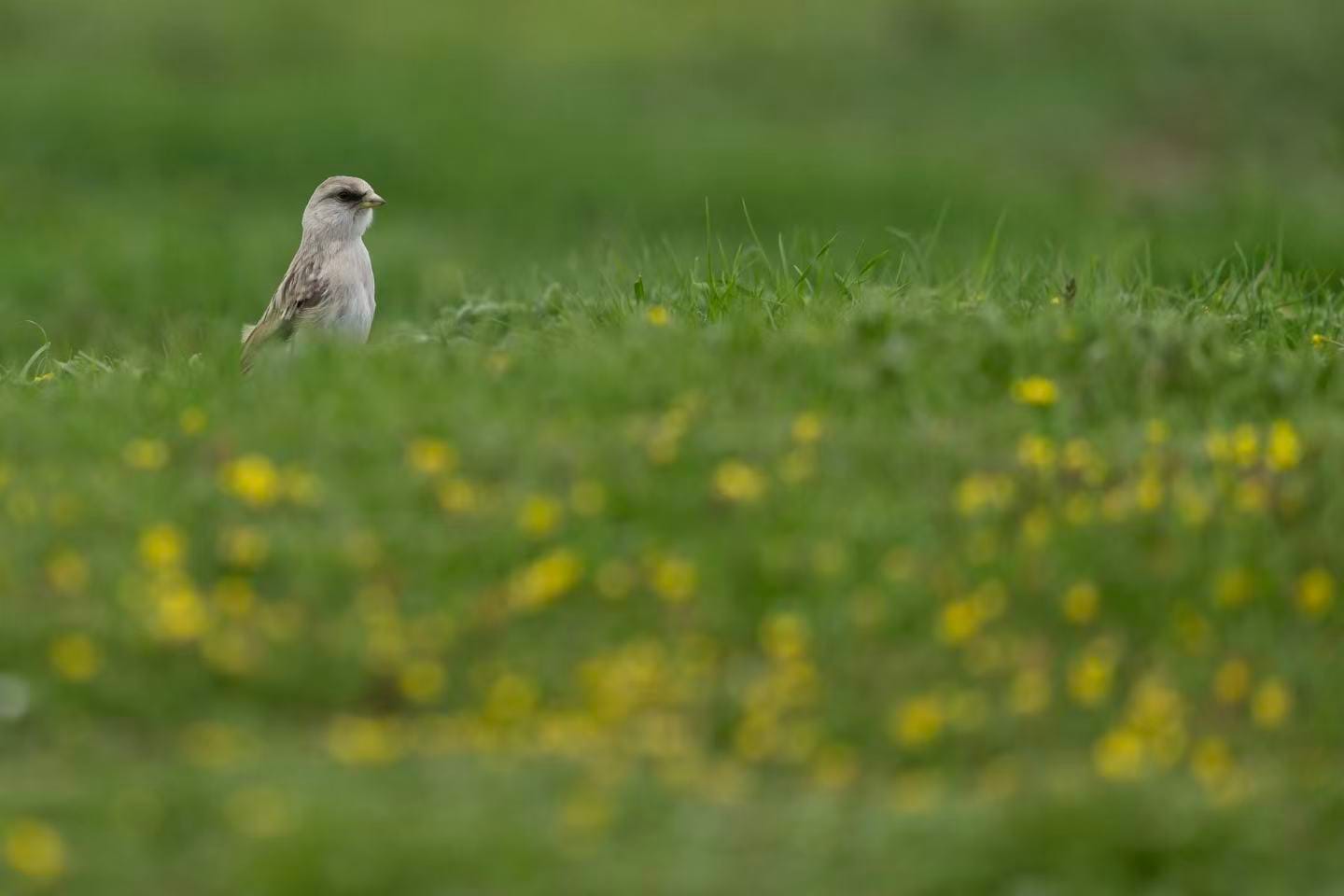
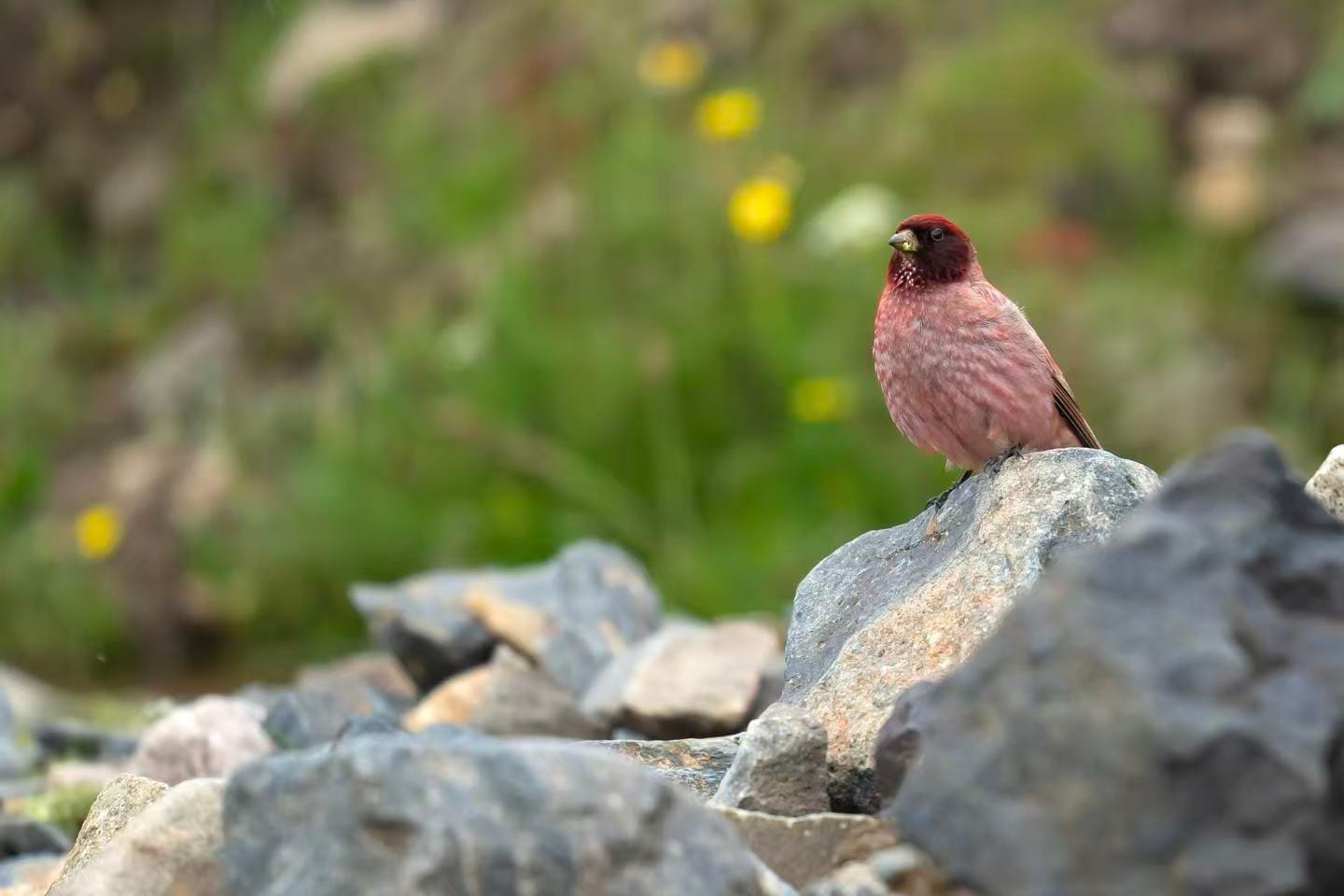
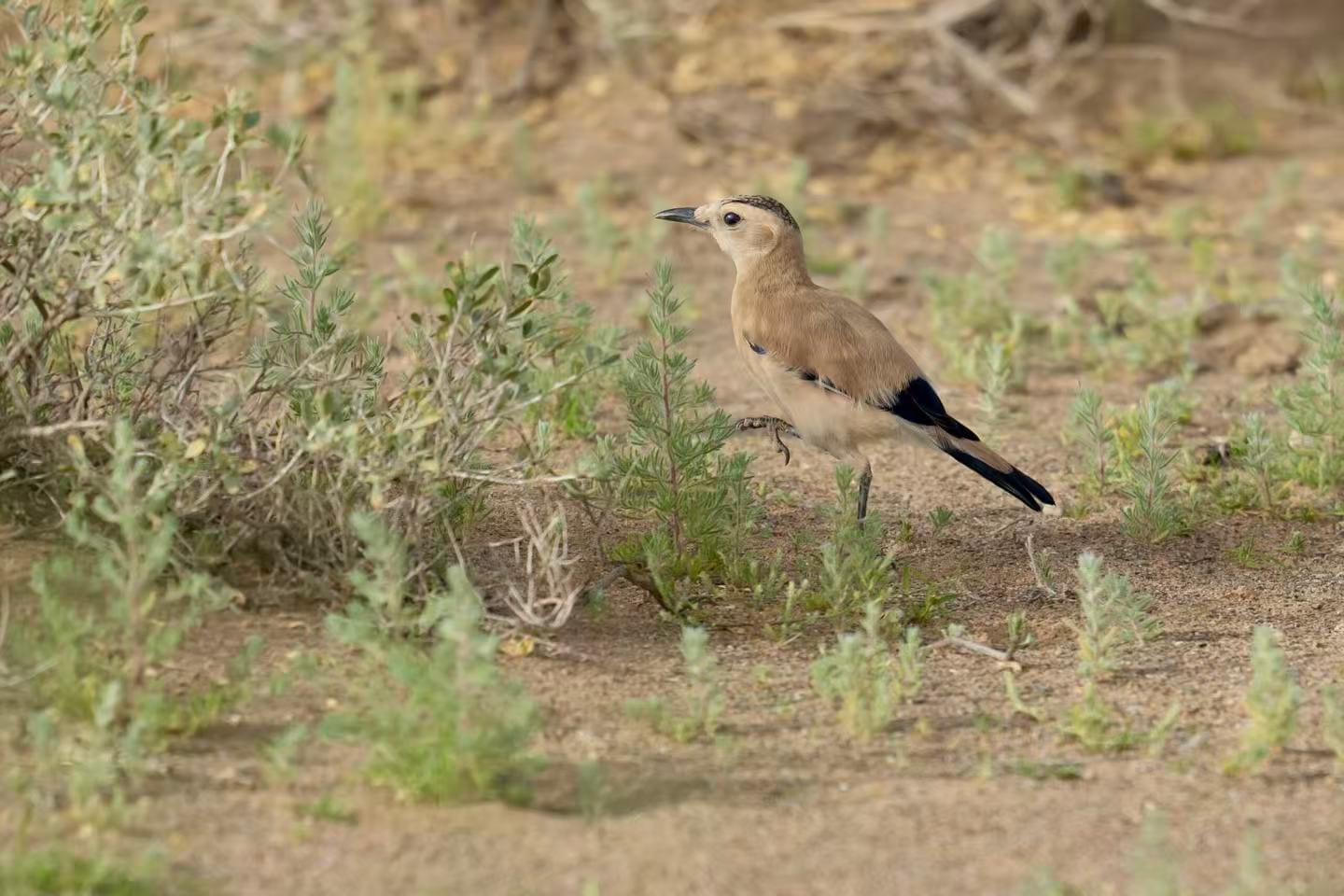
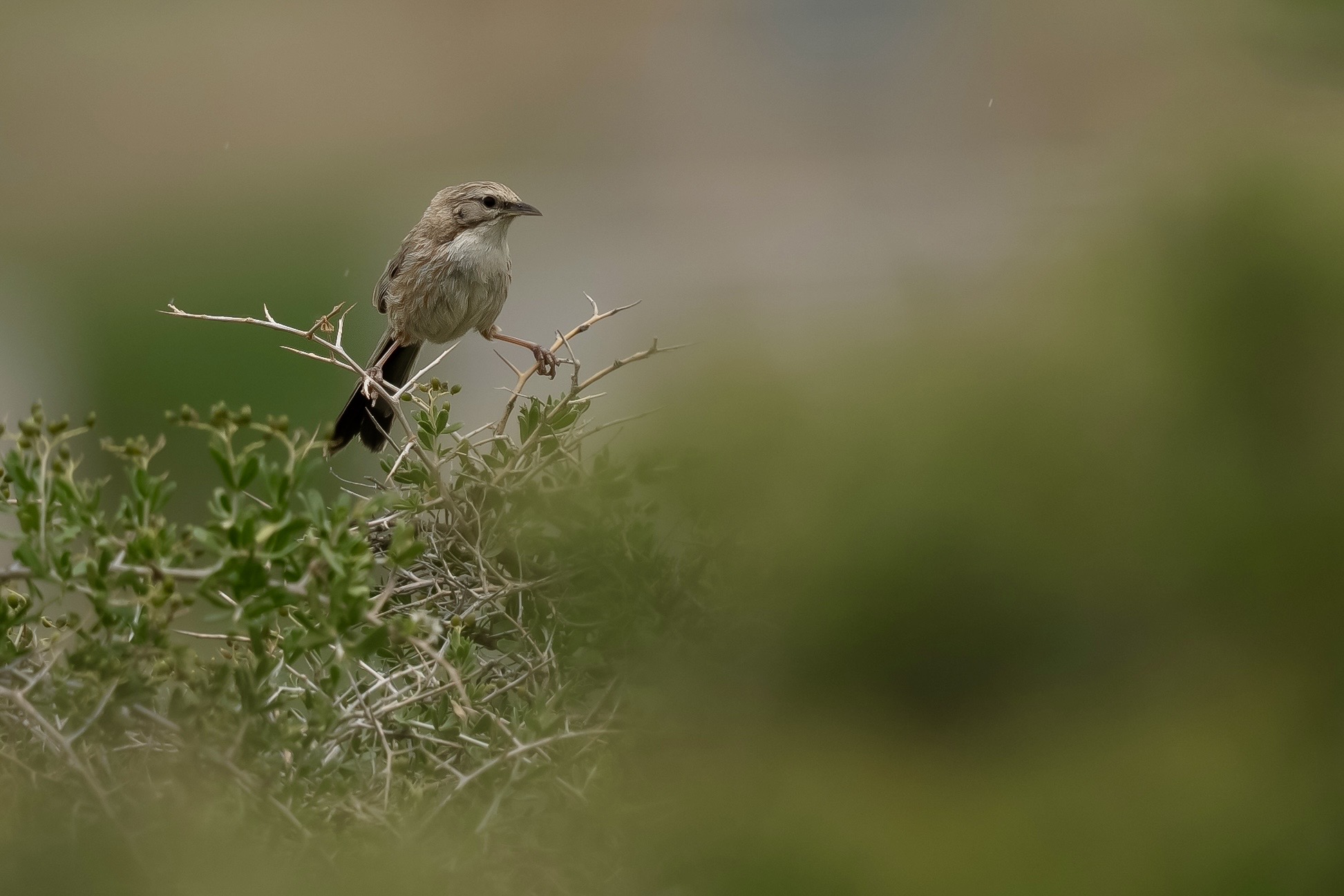
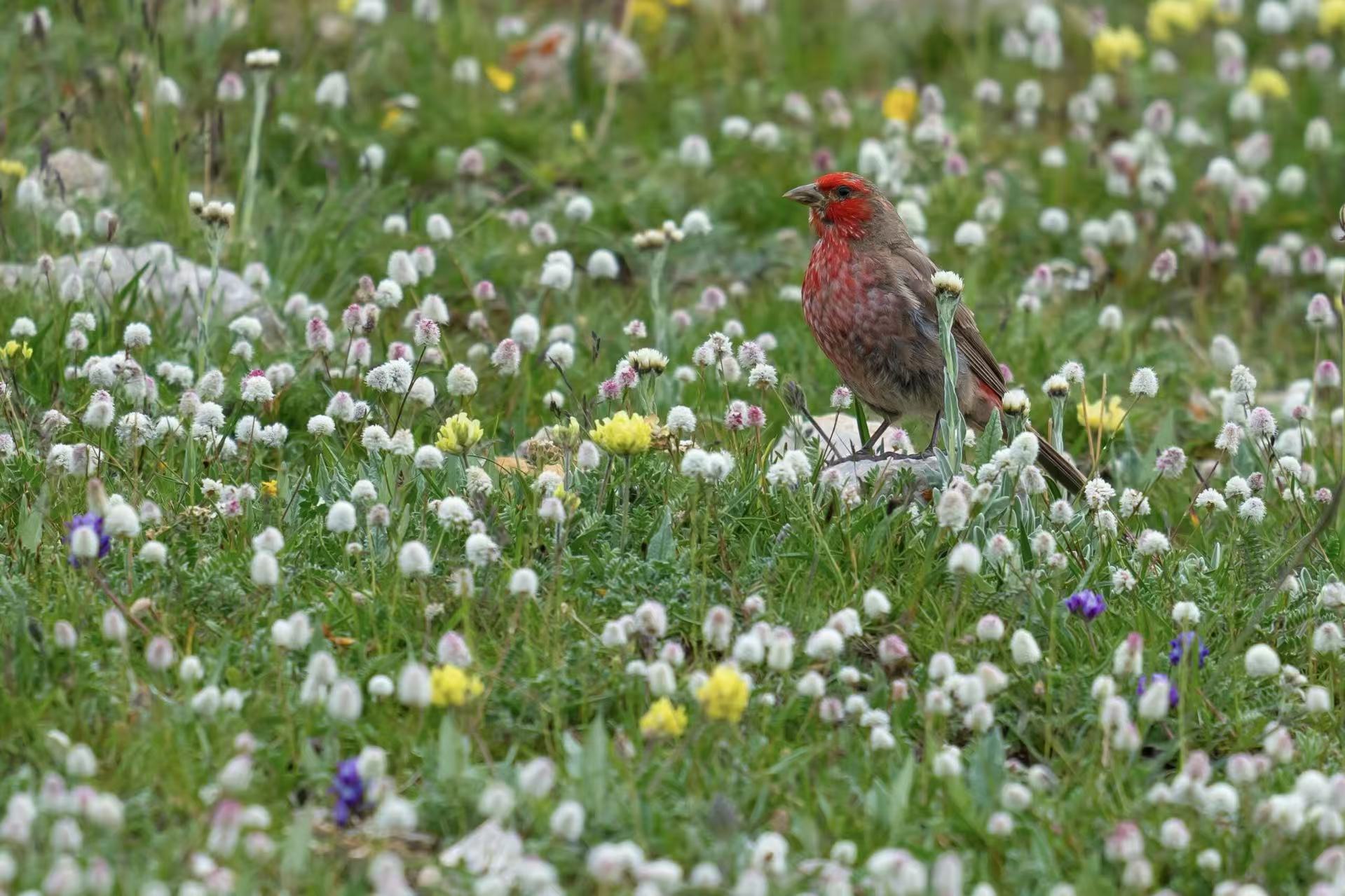
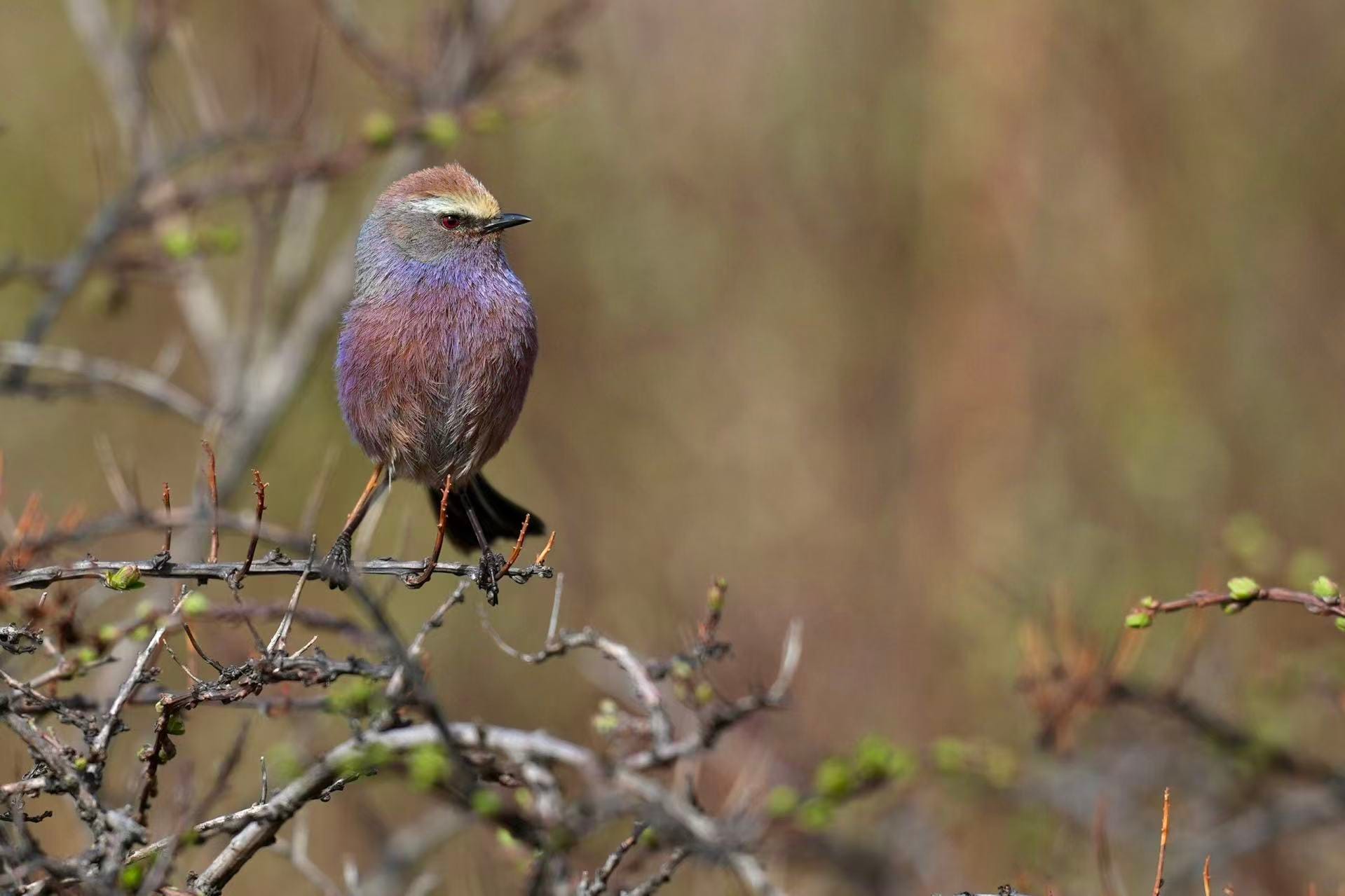
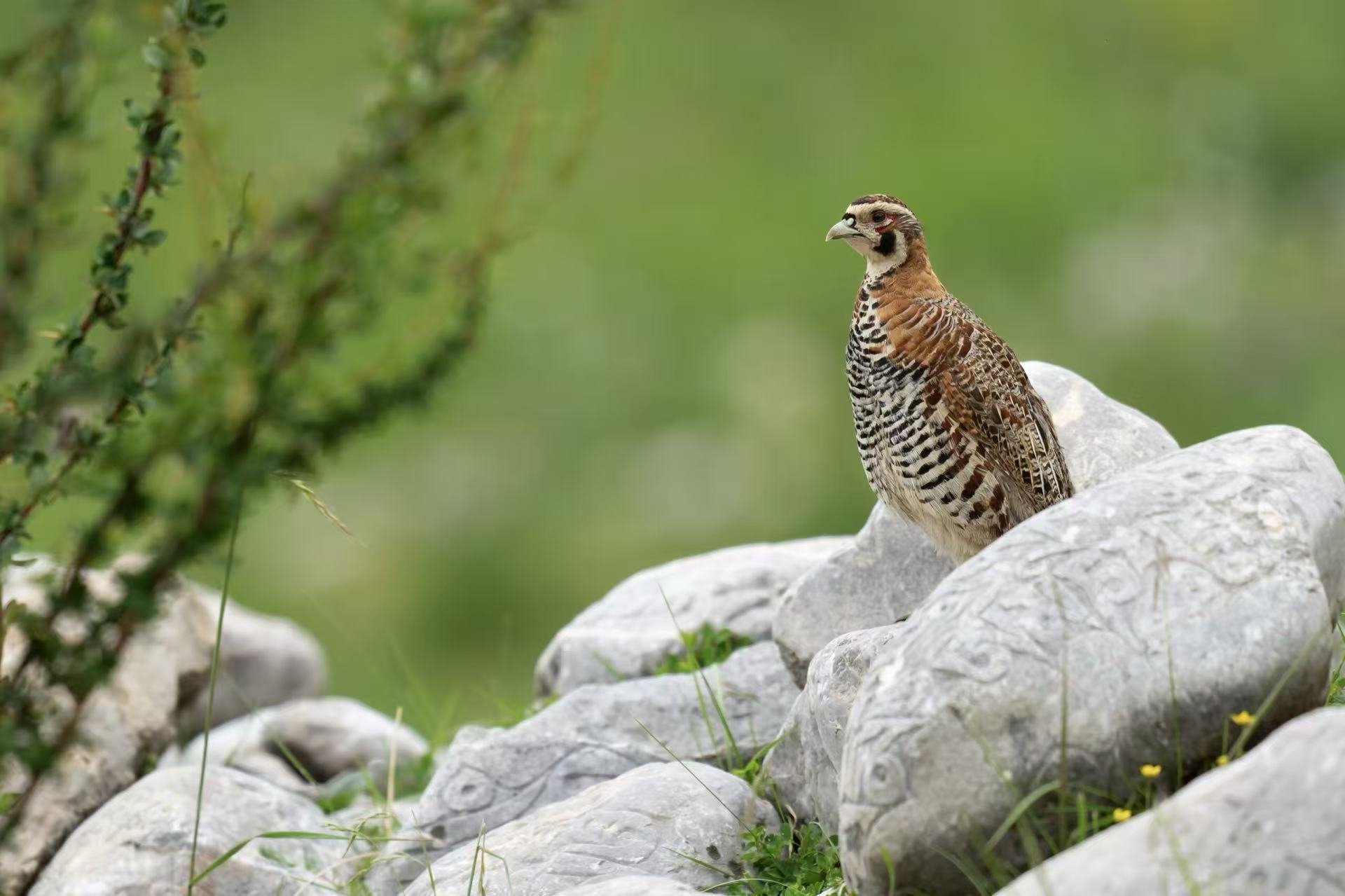
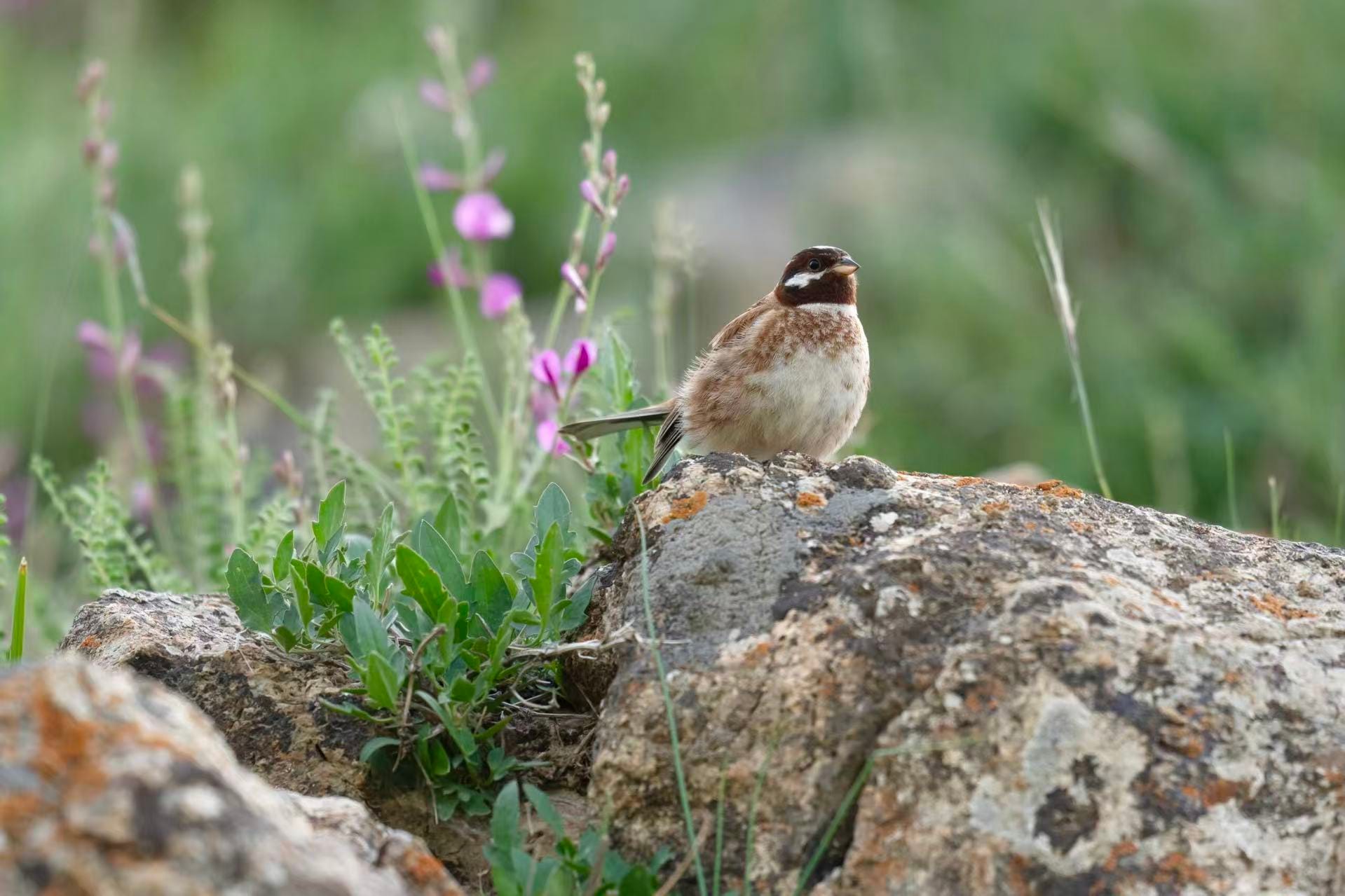
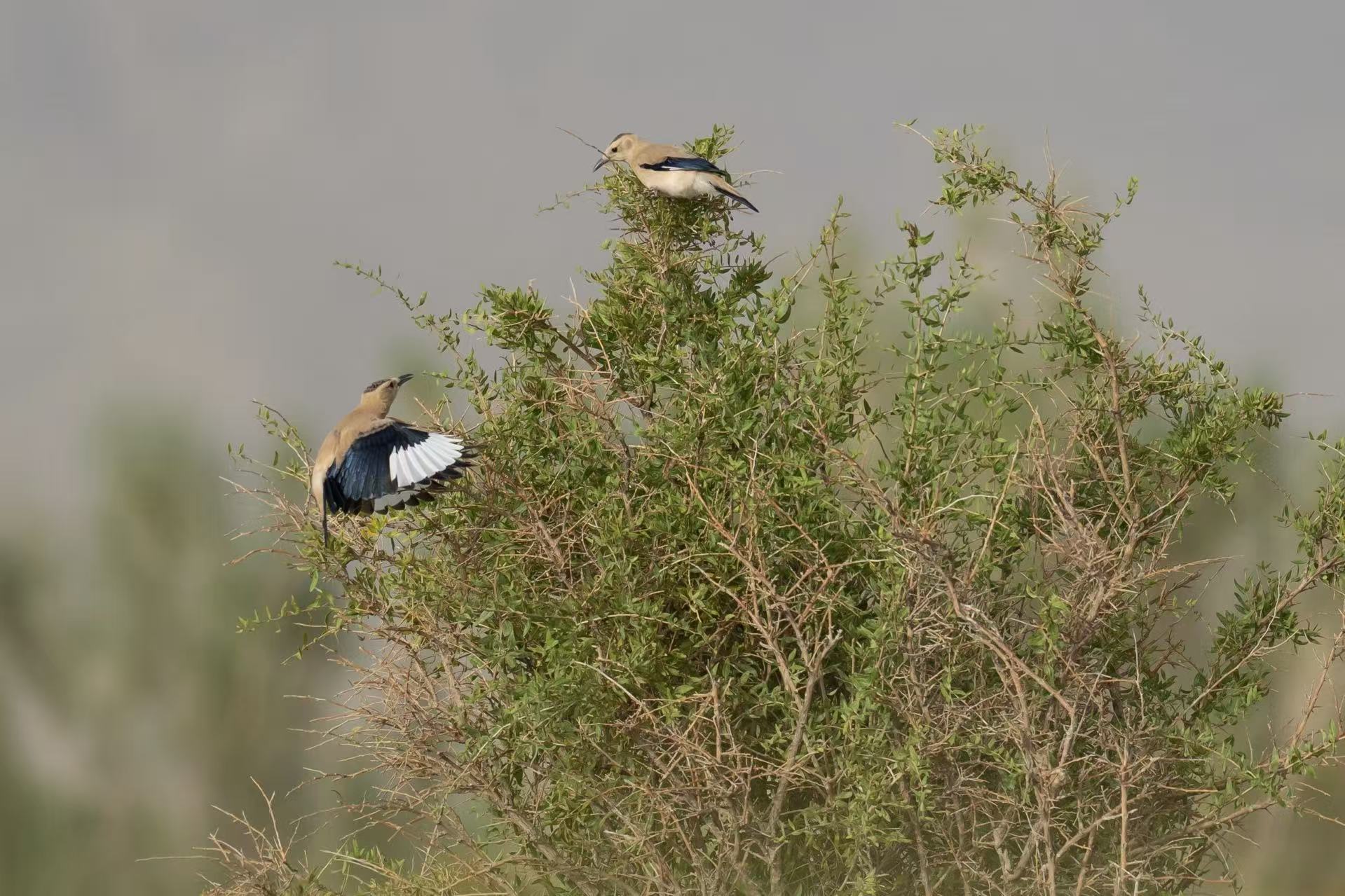
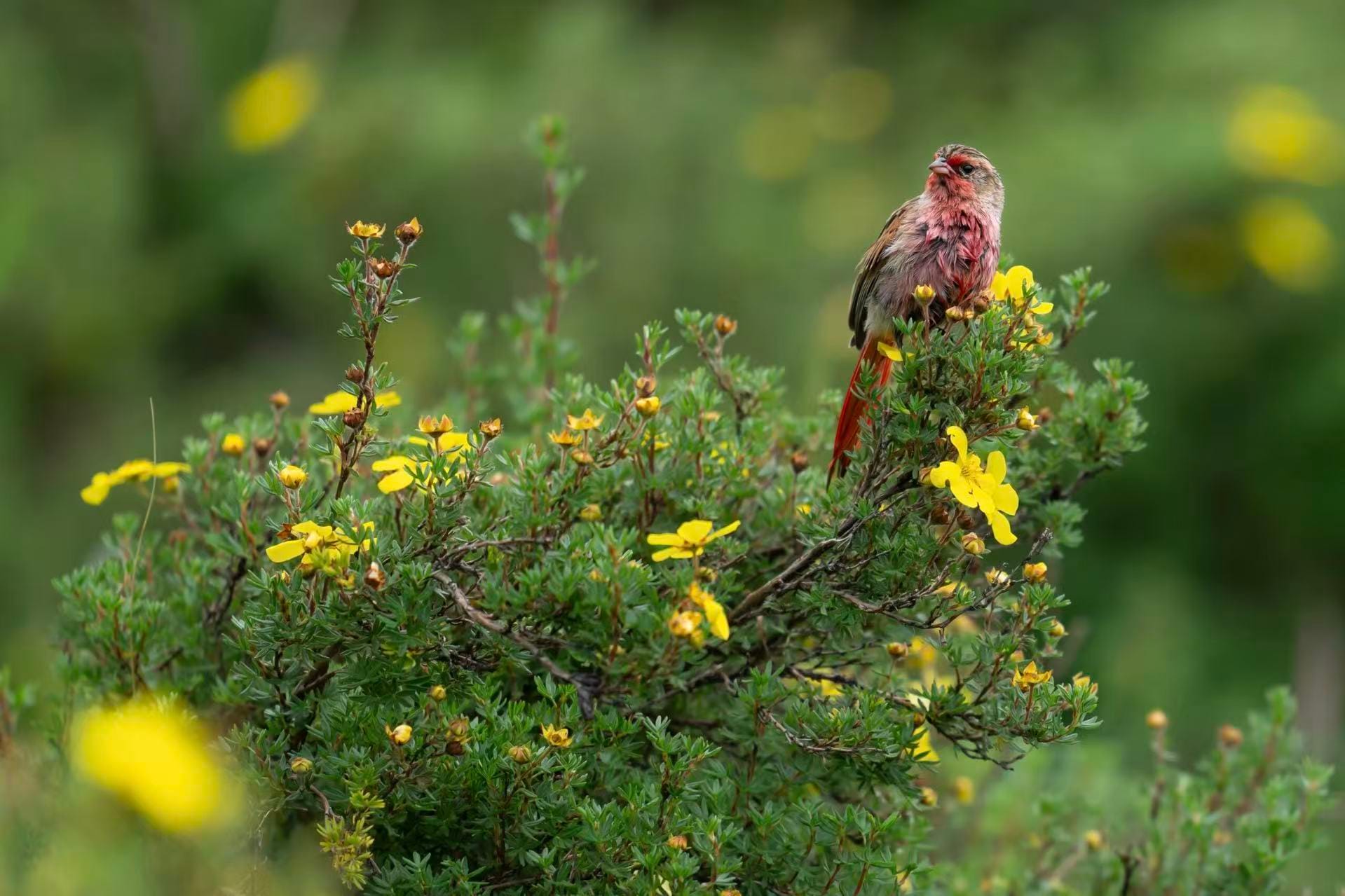
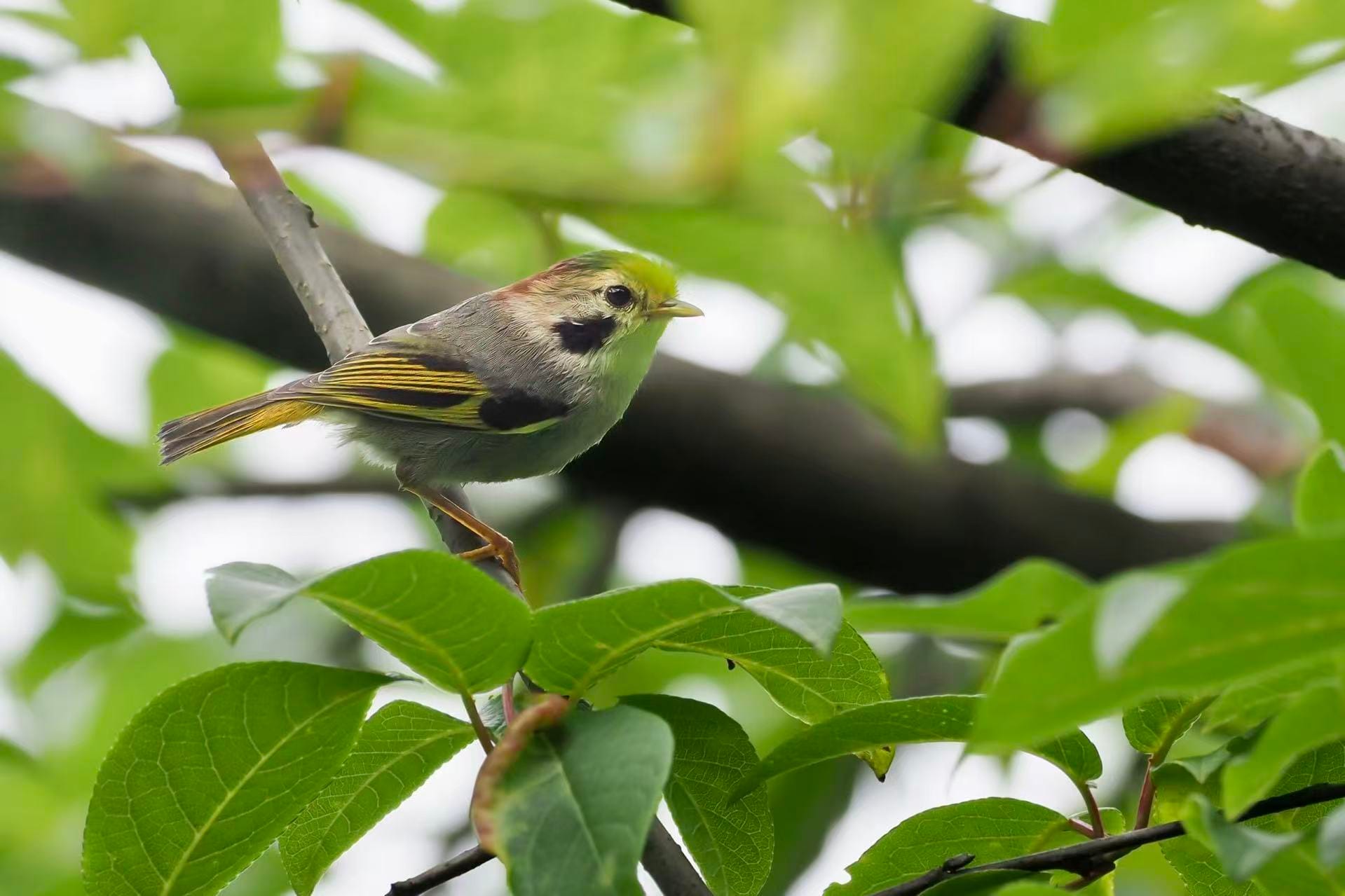
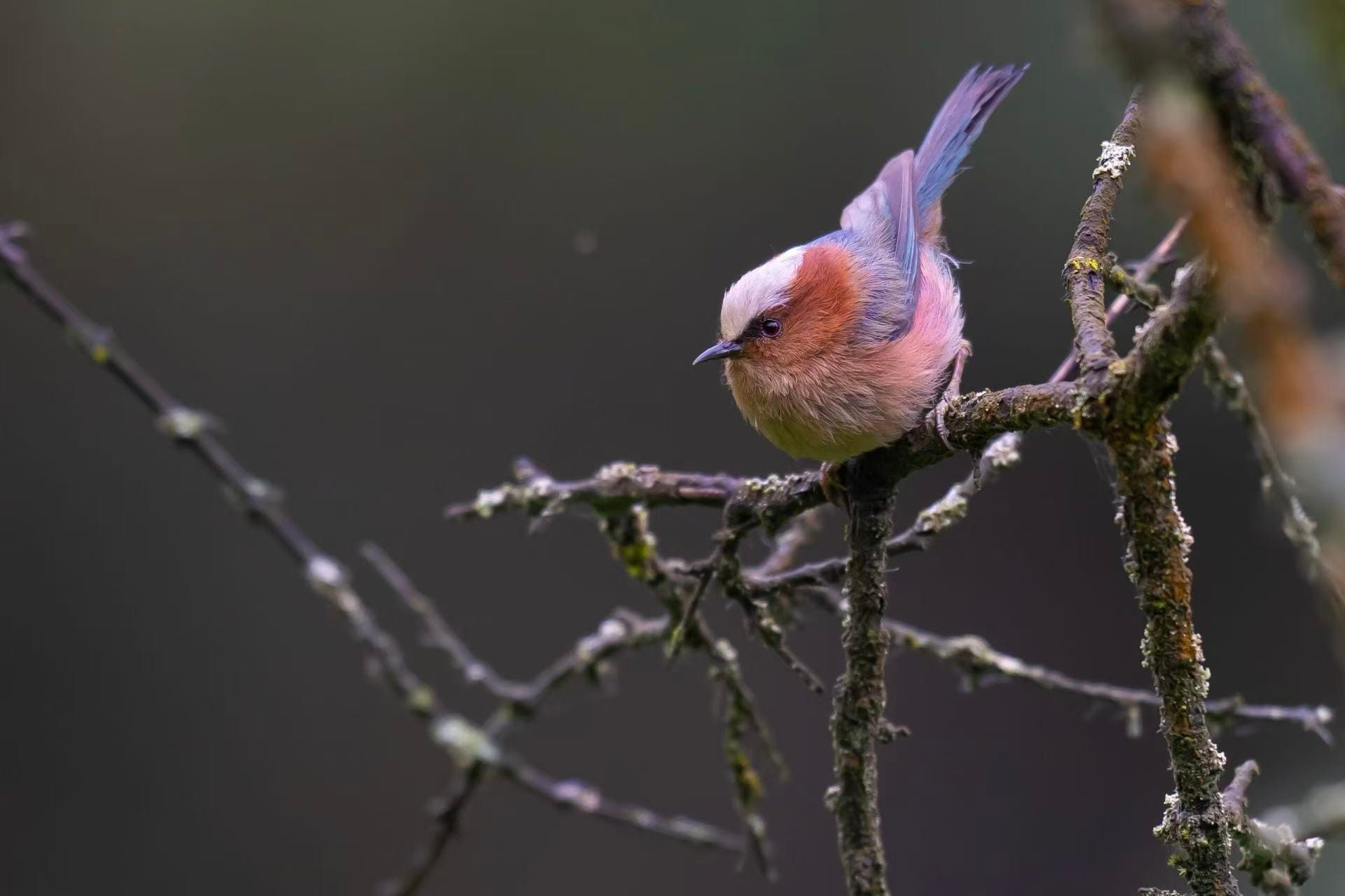
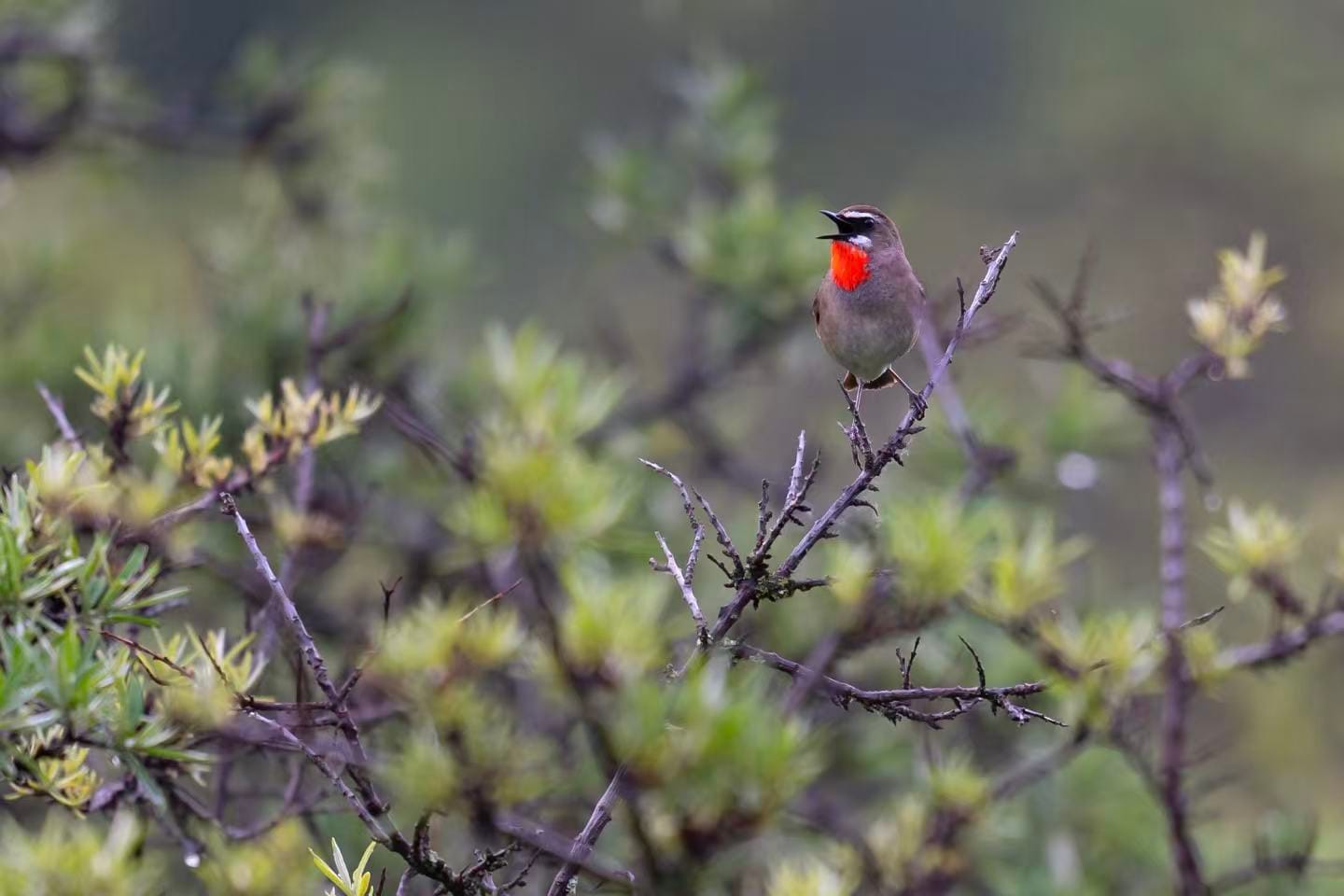
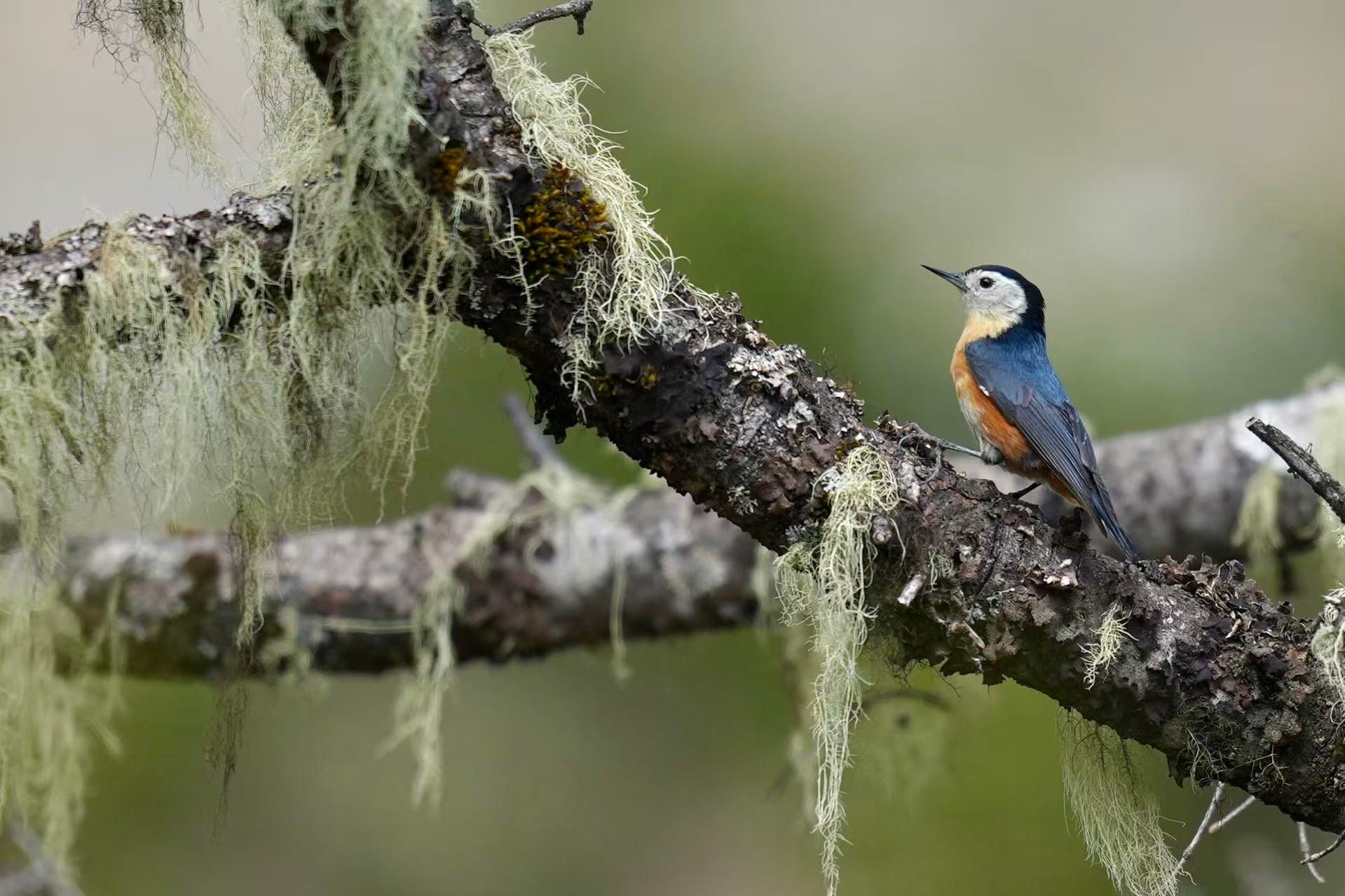
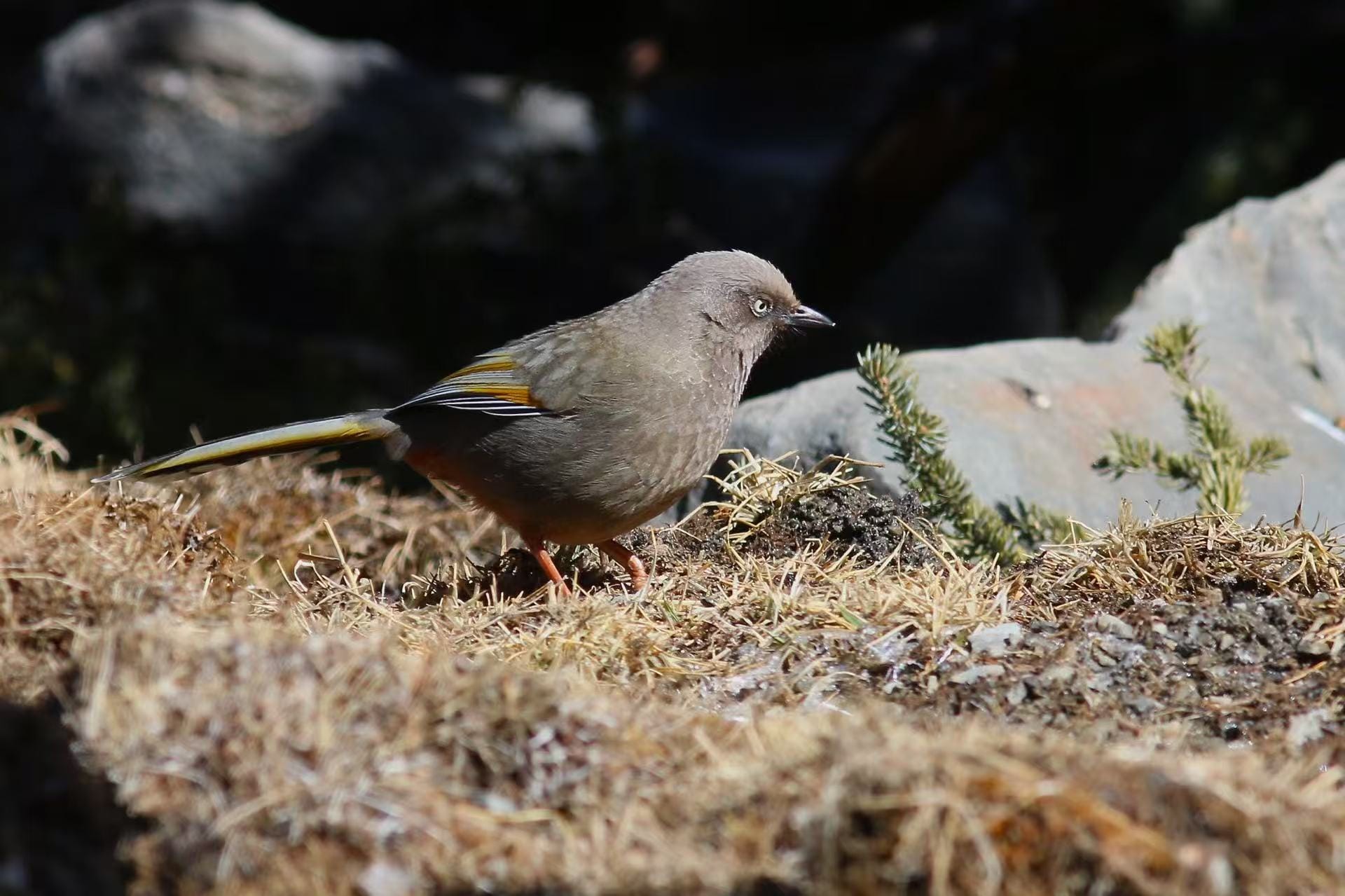
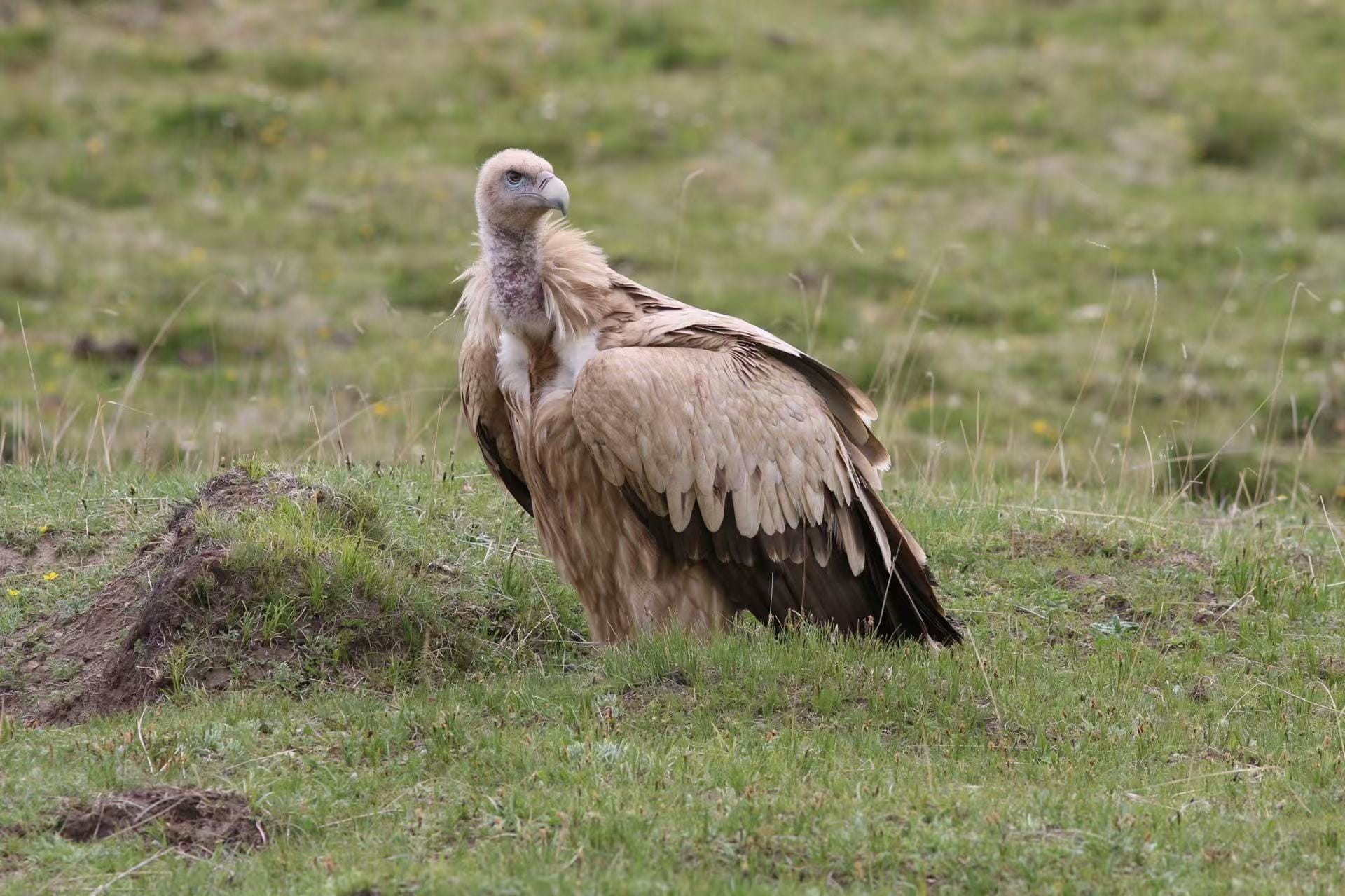
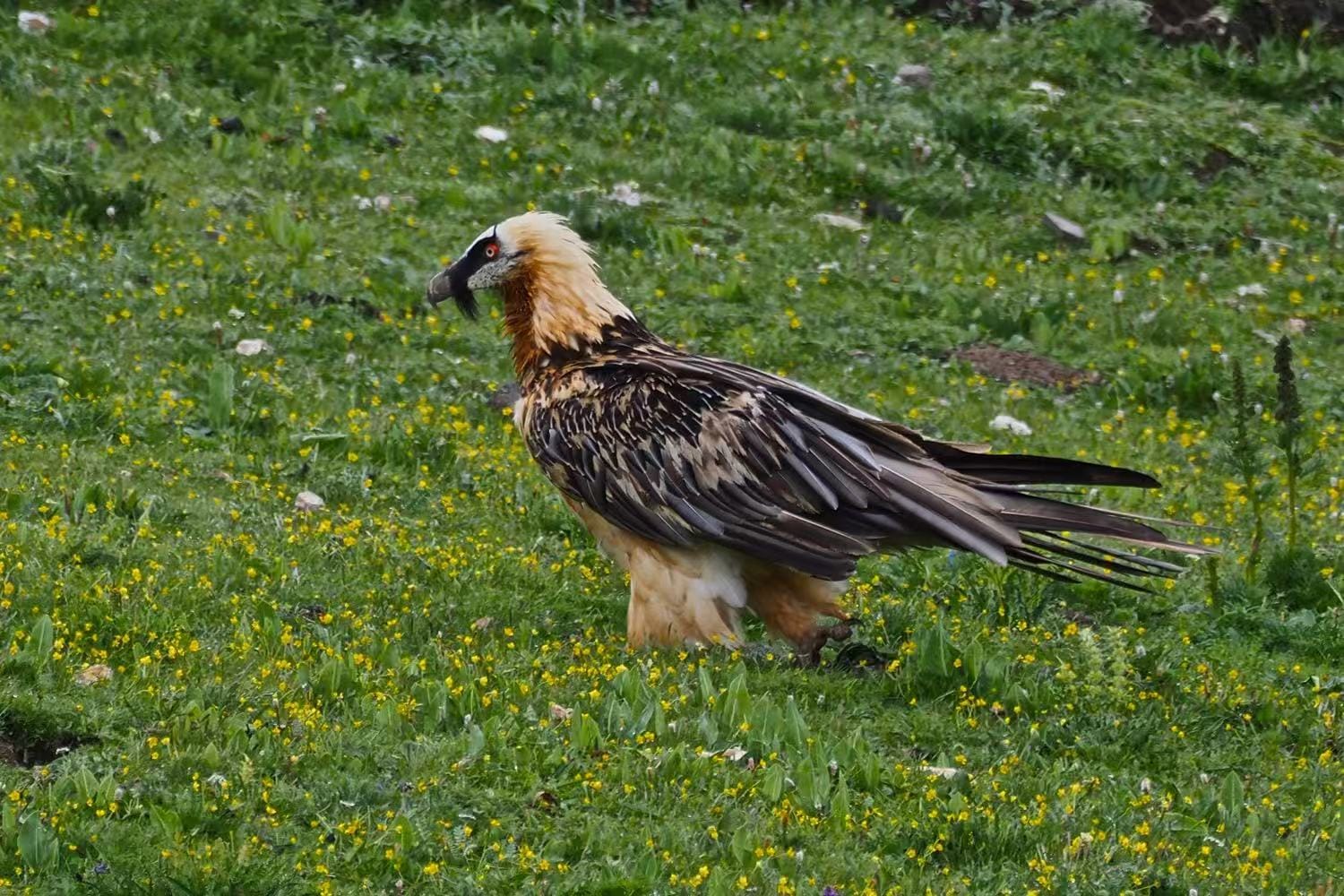
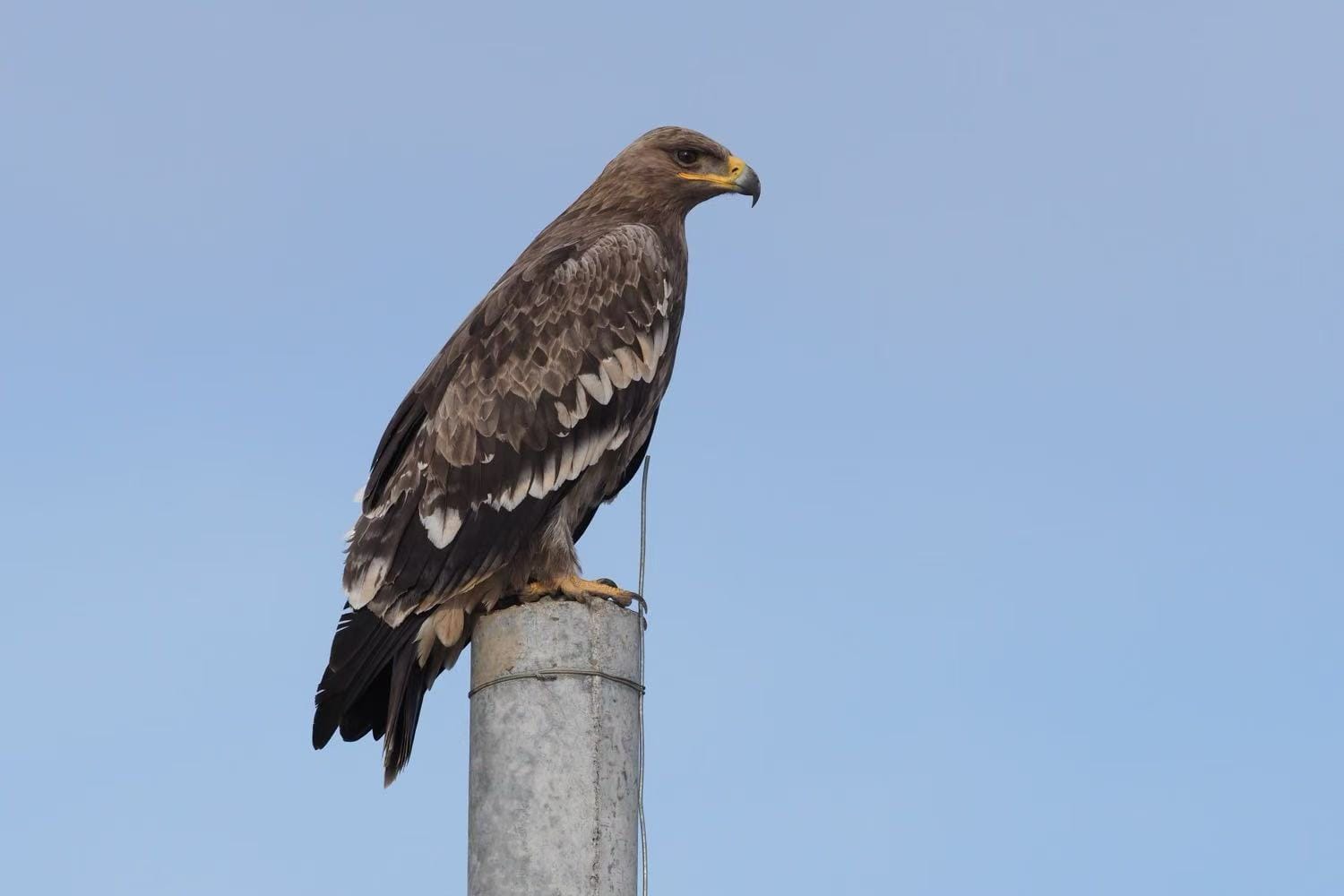
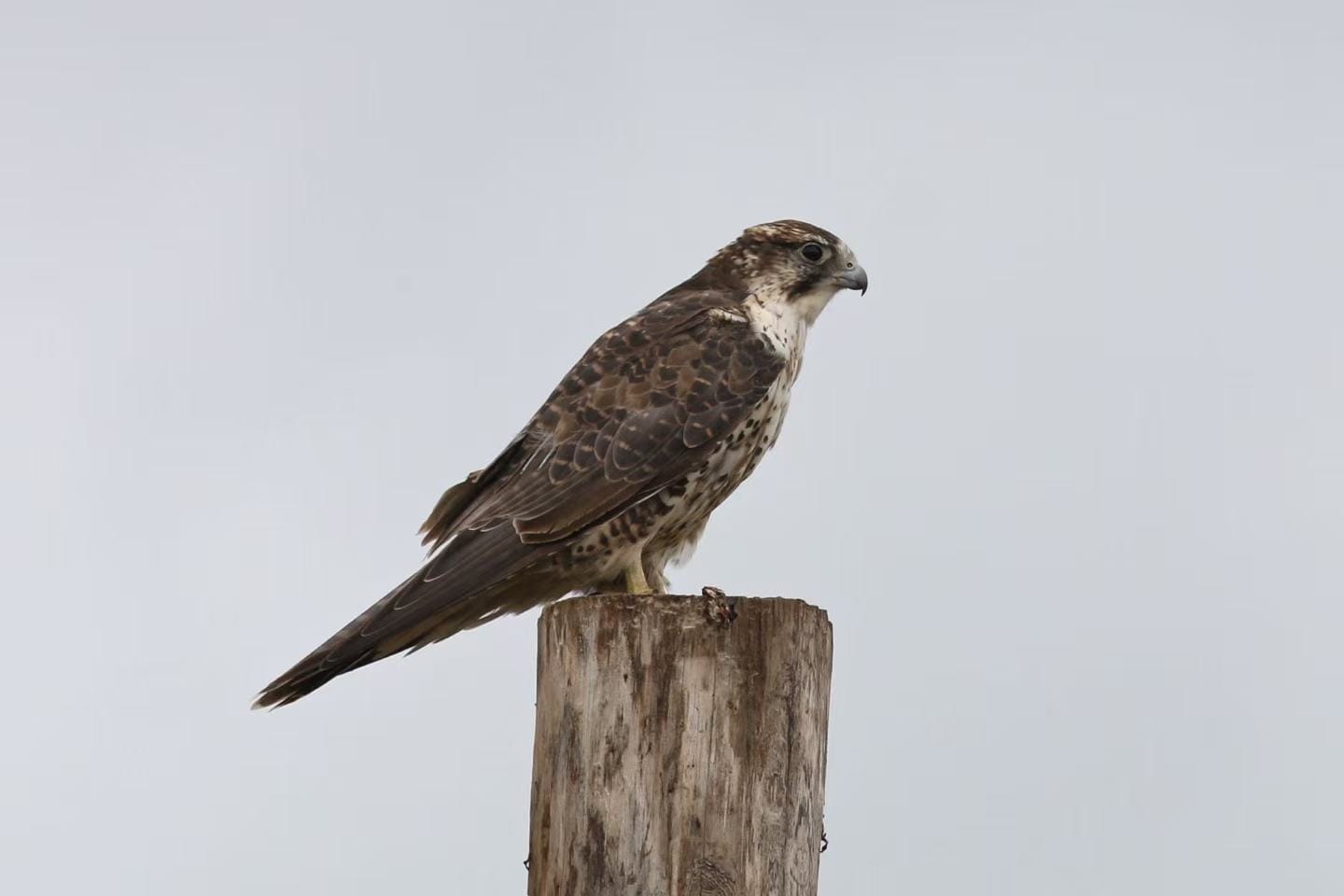
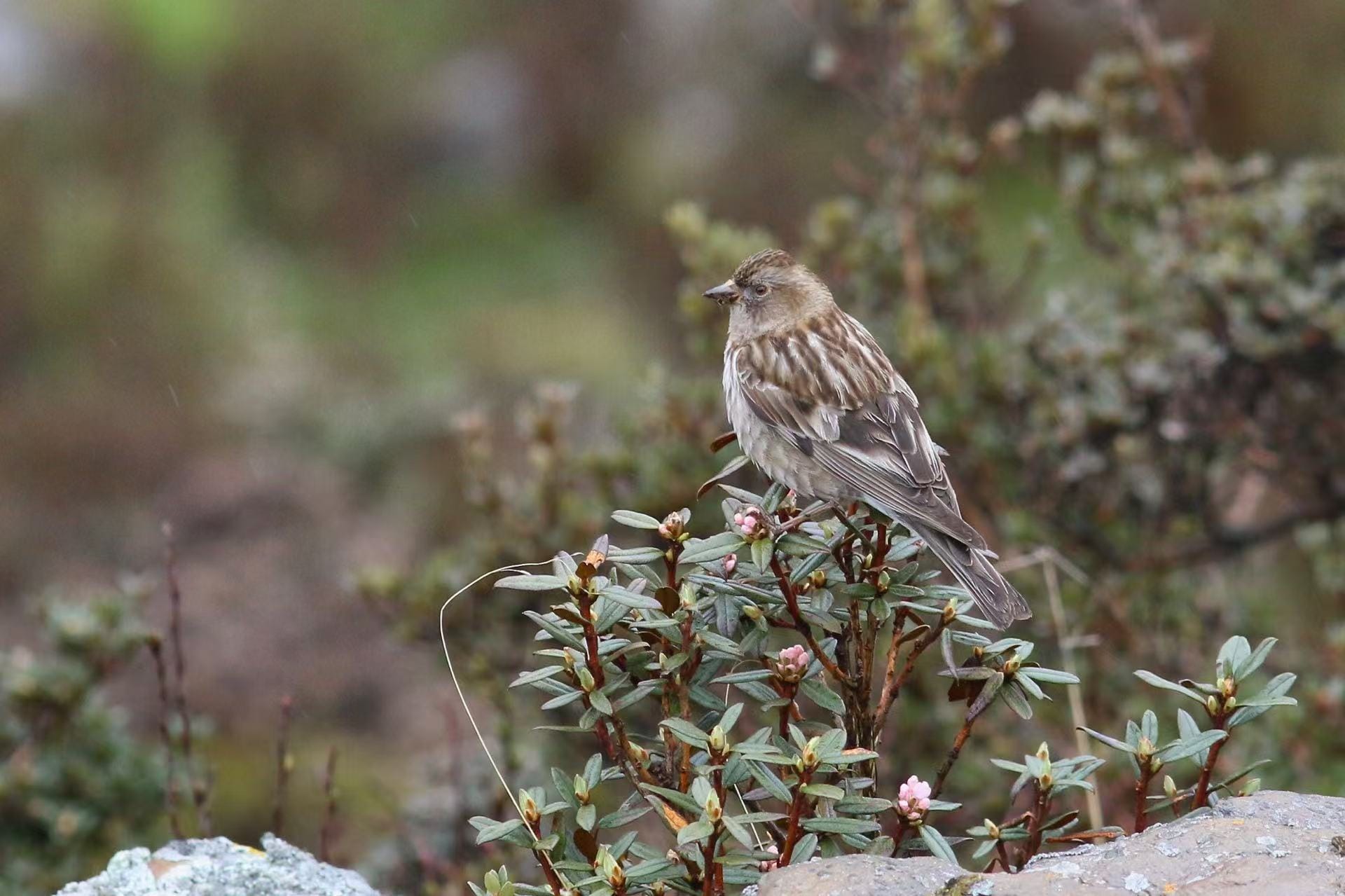
Among the many highlights are Tibetan Bunting, Tarim Babbler, Przevalski’s Finch, Roborovski’s (Tibetan) Rosefinch, Gansu Leaf Warbler, Przevalski’s Nuthatch, Chinese Nuthatch, Przevalski’s Partridge, Buff-throated Partridge, Tibetan Partridge, Tibetan Babax,Chinese Rubythroat, Crested Tit Warbler, White-browed Tit Warbler, Pale Rosefinch, Henderson’s Ground Jay, Ground Tit, Tibetan Sandgrouse, Black-necked Crane, Ibisbill, together with an outstanding selection of rosefinches, snowfinches, mountain finches and high-altitude raptors including Lammergeier, Himalayan Griffon, Saker Falcon and Golden Eagle.
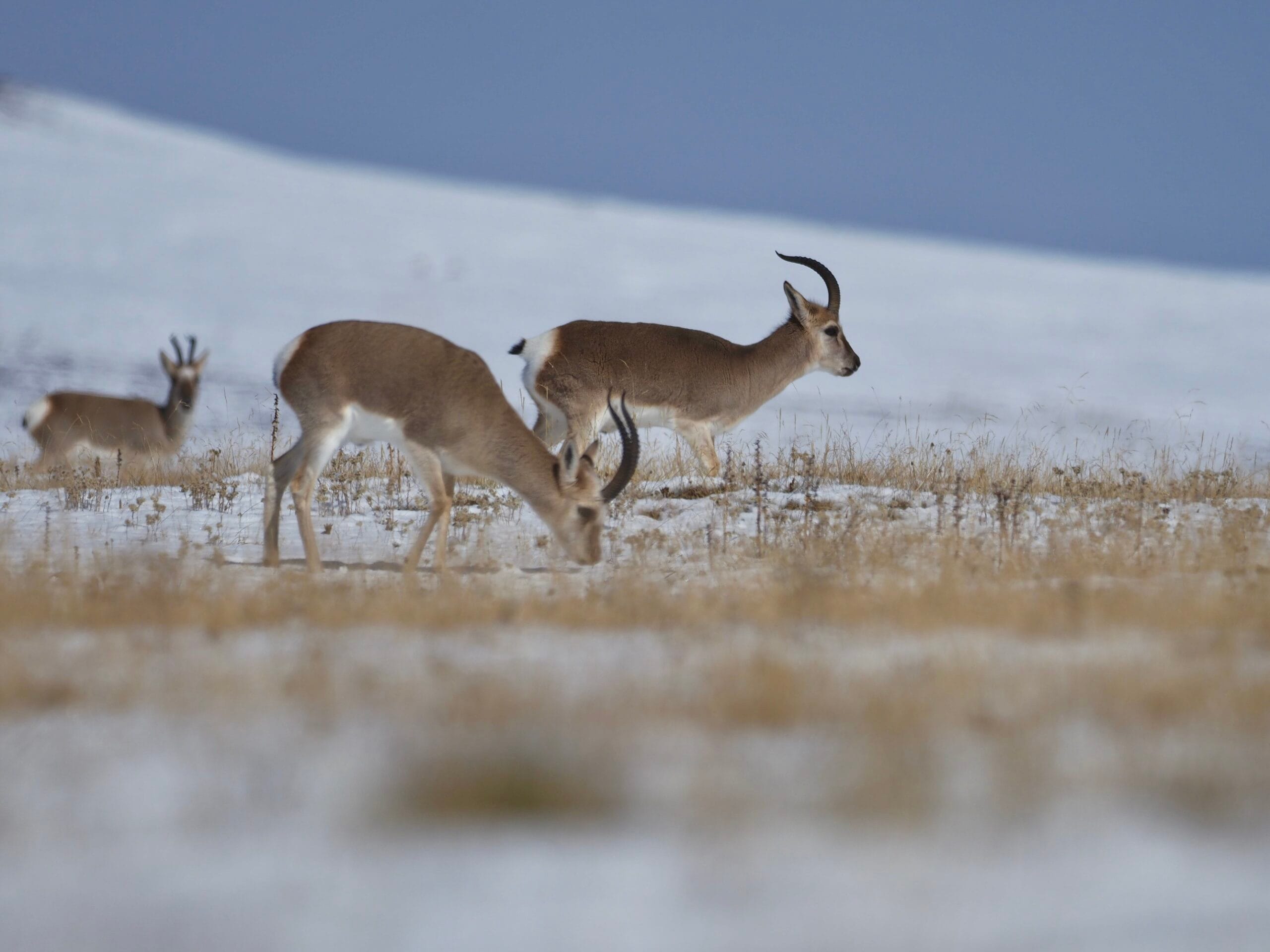
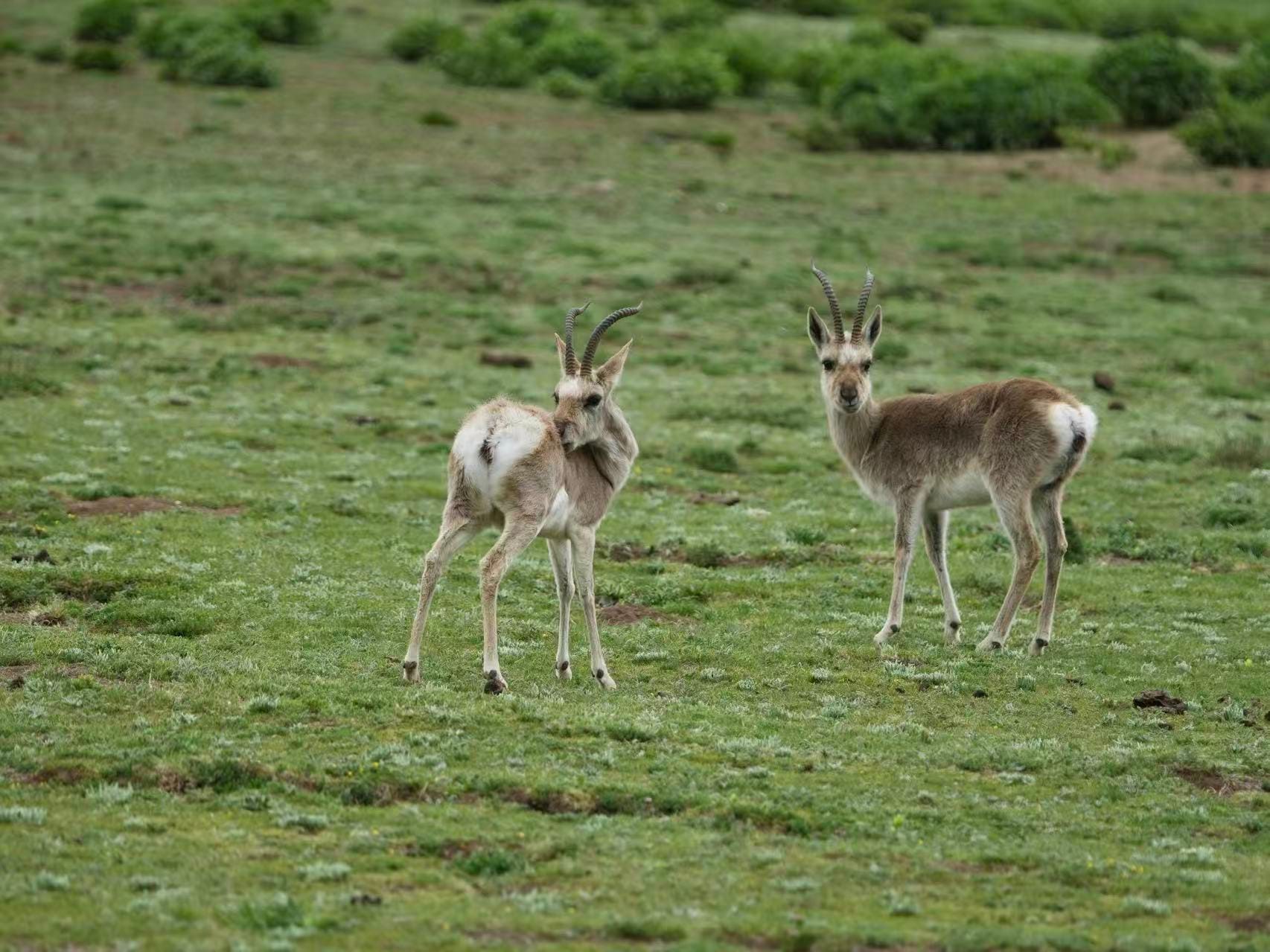
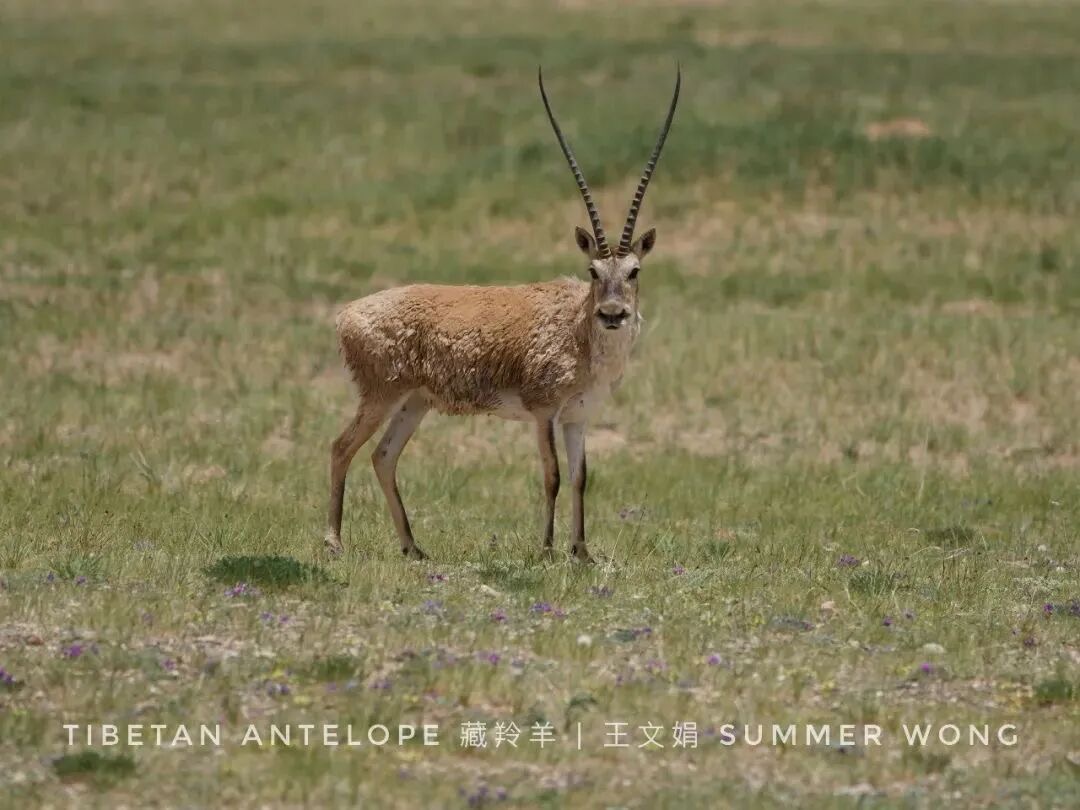
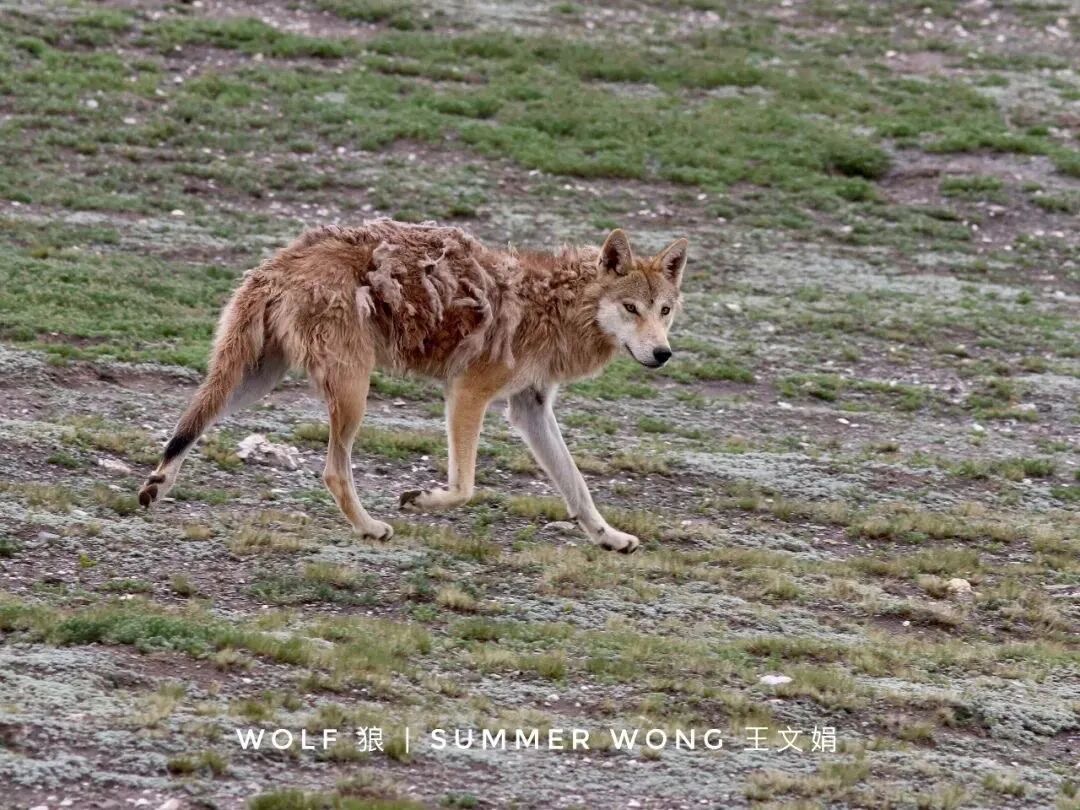
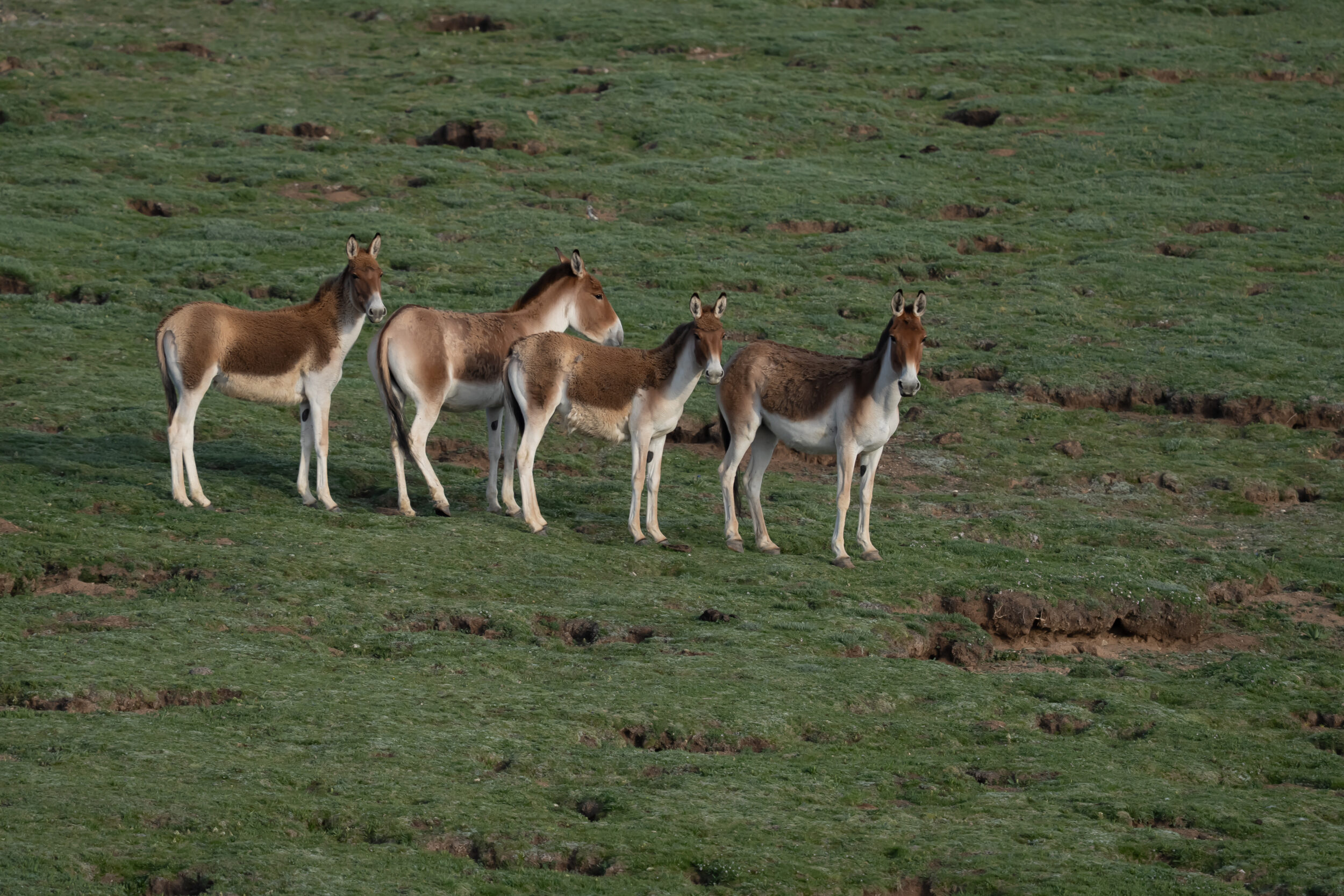
The tour is equally rewarding for mammal enthusiasts. As we traverse the vast open plateau, we have excellent chances of encountering Kiang, Tibetan Antelope, Pallas’s Cat, Tibetan Gazelle, Przewalski’s Gazelle, Goitered Gazelle, Blue Sheep, Tibetan Fox and Wolf, making this one of China’s finest combined birding and wildlife expeditions.
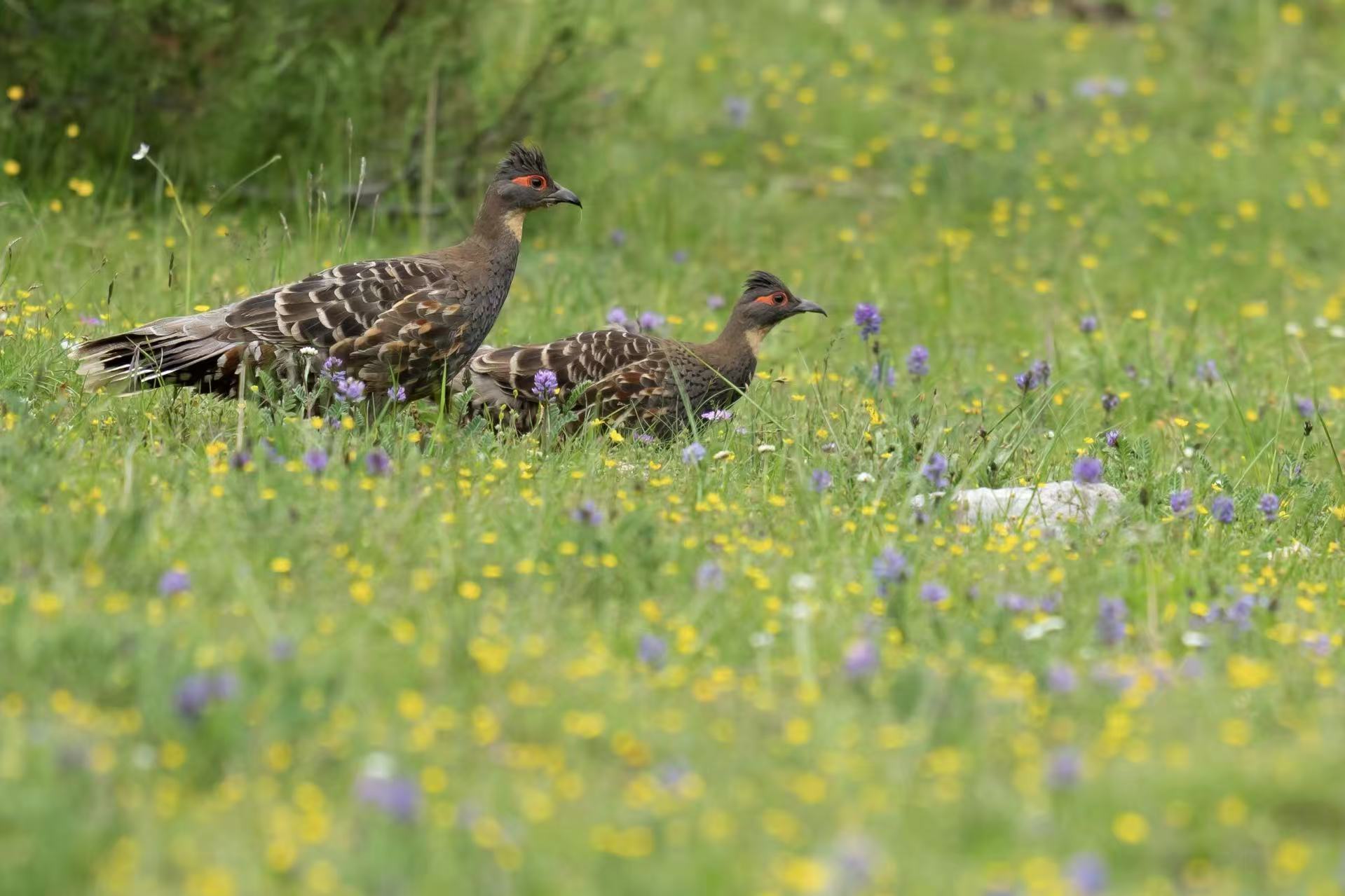
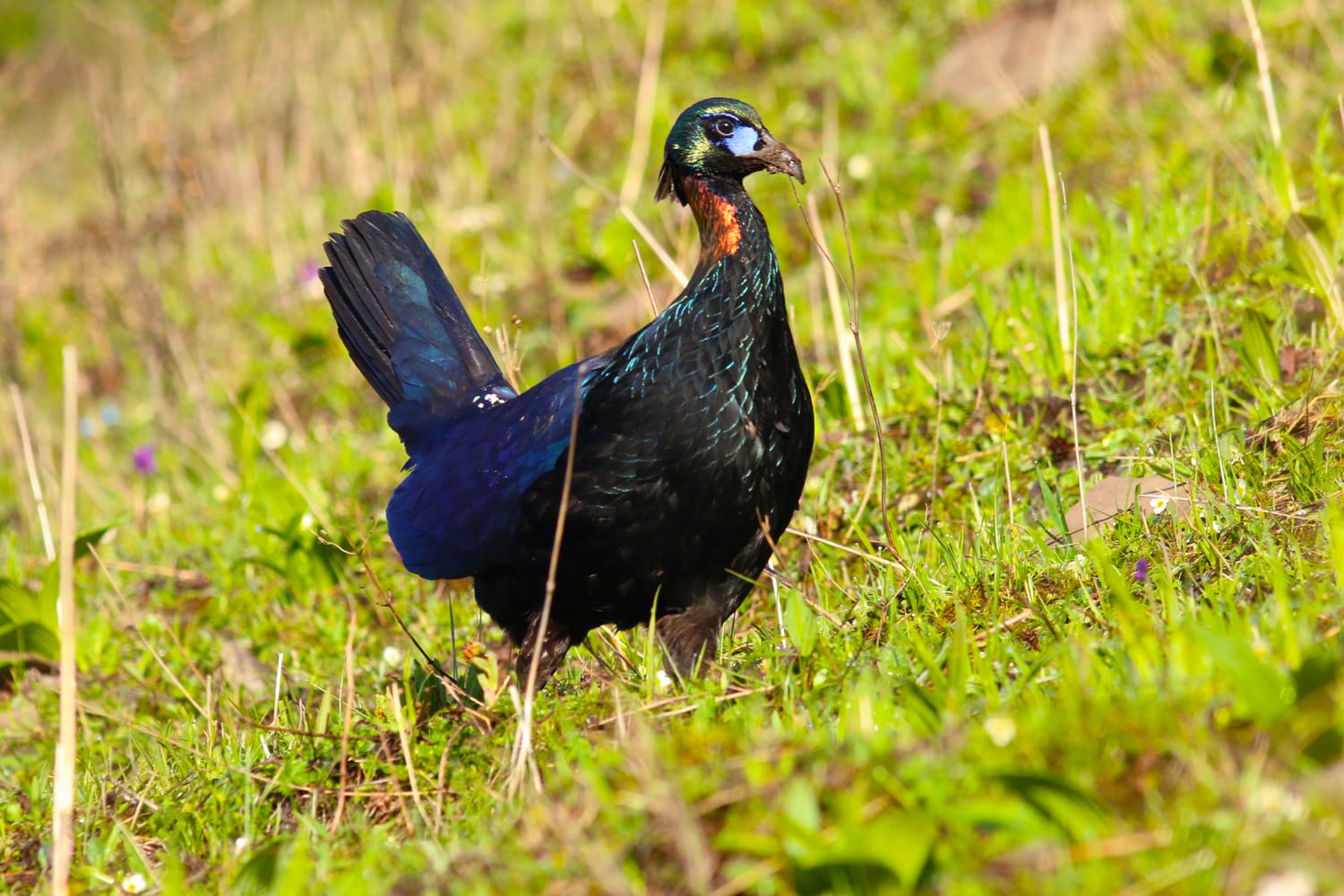
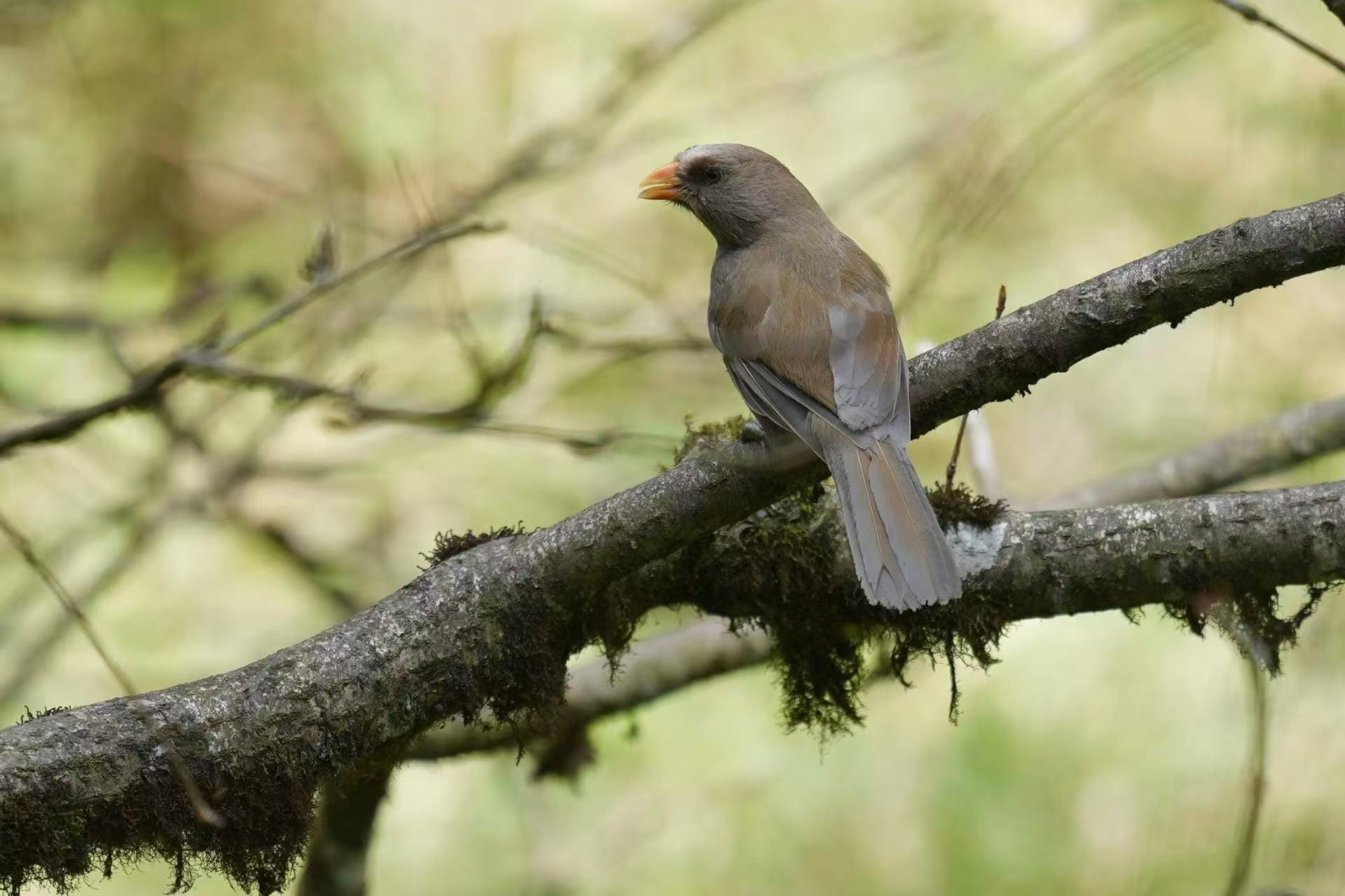
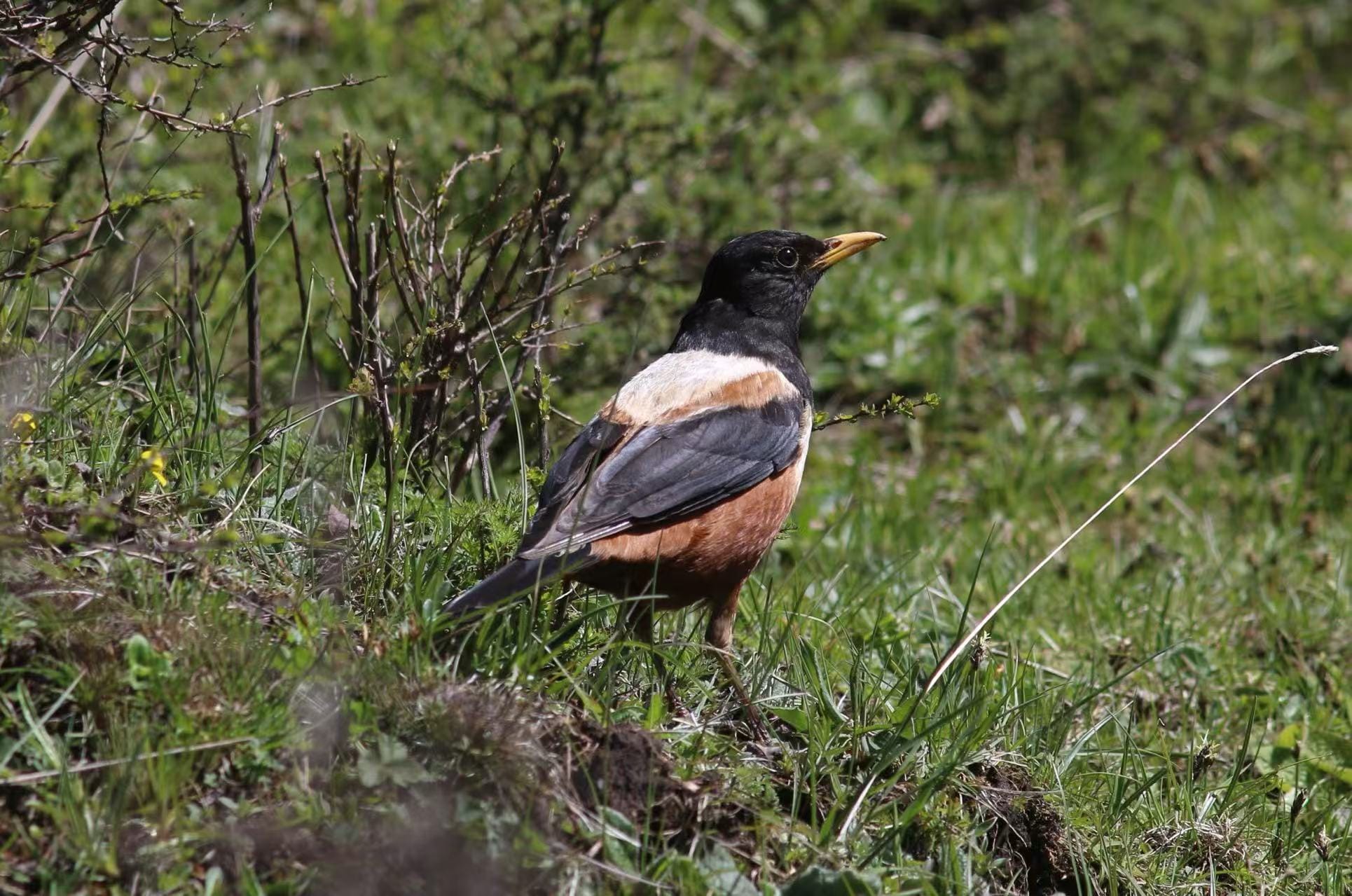
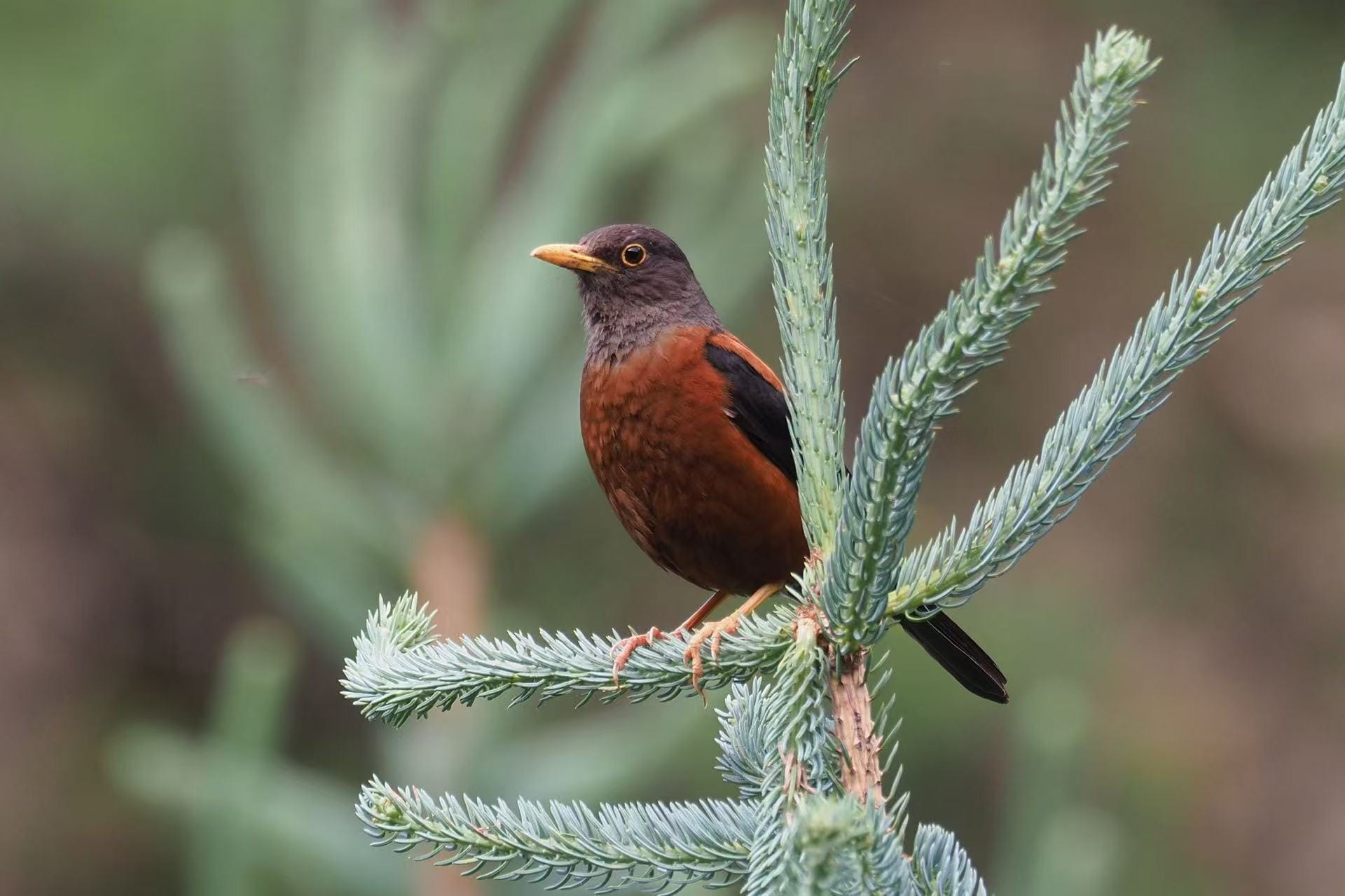
For those wishing to experience the cultural heart of Tibet while adding several highly localised species to their life list, we offer an optional four-day Lhasa Extension. Besides visiting the magnificent Potala Palace, Jokhang Monastery and the historic Barkhor Street, we will search for Lord Derby’s Parakeet, Tibetan Blackbird, Prince Henri’s Laughingthrush, Giant Babax, Tibetan Eared Pheasant and Tibetan Snowcock around Lhasa and Shugseb Nunnery.
Combining exceptional birding, remarkable mammal watching, spectacular Himalayan scenery and the unique culture of the Tibetan Plateau, this tour offers one of the most comprehensive wildlife experiences available in western China.
Tour Schedule & Departure Dates
2026 July 10-13, Lhasa extension (4 days) cost: 1400 USD
2026 July 13-24, Tibetan Plateau (12 days) Leader : Summer Wong, scheduled tour, max group size: 10 pax, cost: 2900 USD Tour is full
2028 July 13-24, Tibetan Plateau(12 days) Leader : Summer Wong, scheduled tour, max group size: 10 pax, cost: 3100 USD
2028 July 24-27, Lhasa extension (4 days), group size: 4-10 pax, cost: 1400 USD
Besides our scheduled and private tours, we also offer budget-friendly birding tours. If you are an international birding company looking for a reliable ground operator in China, please feel free to contact us for rates and further details.
Deposit : USD 500 per person
Qinghai Tibetan Plateau Tour Single Room Supplement (11 nights):USD 450 per person
Lhasa Tour Single Room Supplement (3 nights):USD 175 per person
Tour Cost Includes:
All ground transportation by private car/van/coach
Accommodation in twin-share or single rooms
All meals (including daily bottled water, packed breakfasts, and lunches/dinners mostly at local restaurants)
All necessary entrance fees and nature reserve permits
All guide and driver expenses (meals, accommodation, and service fees)
Tour Cost Excludes:
International and domestic flights
Travel insurance
Soft drinks and alcoholic beverages
Tips for local staff
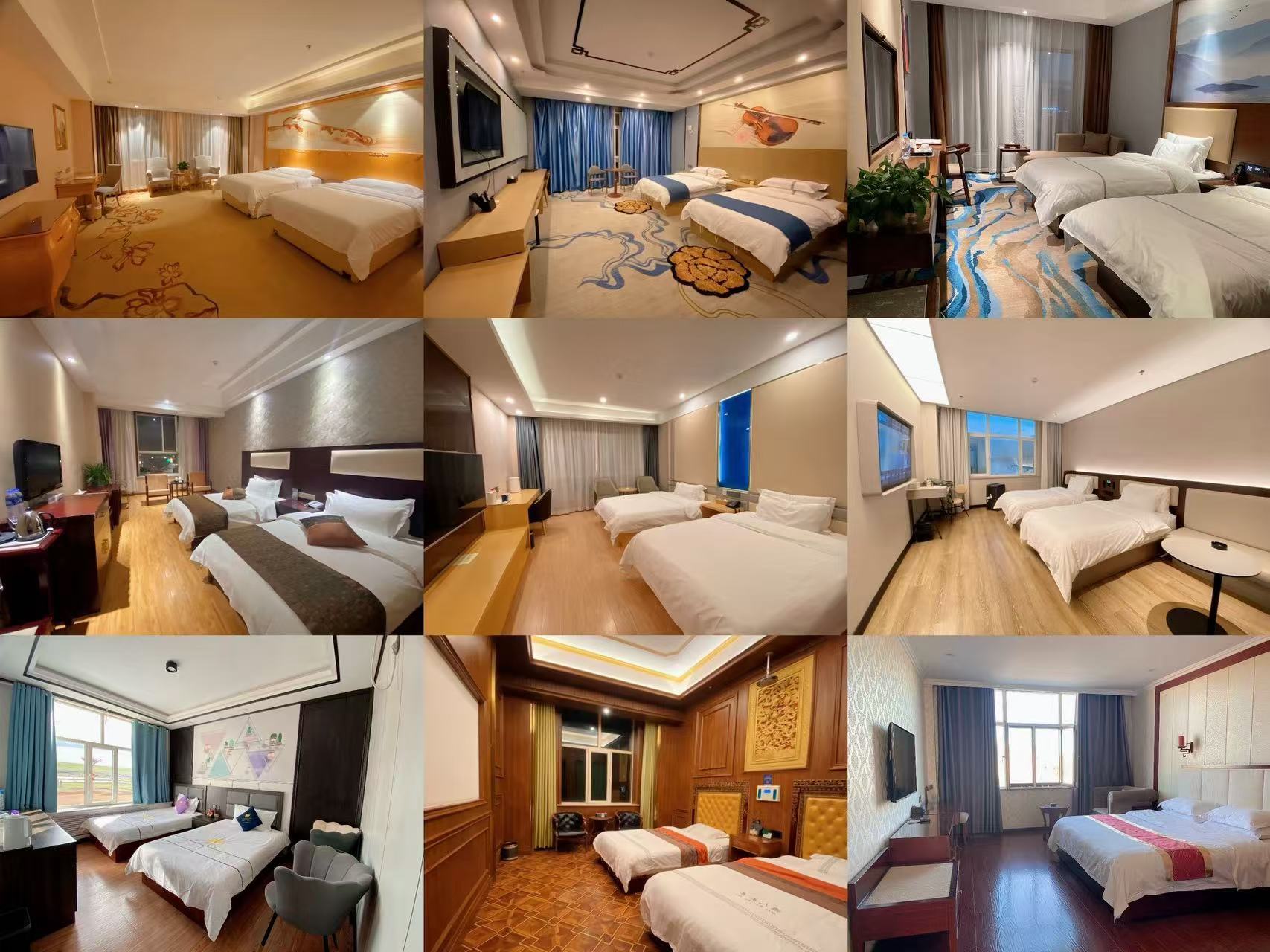
Scroll down to check out the itinerary, map, photos of hotels and food, plus birds, mammals, and stunning scenery
Detailed Daily Itinerary & Highlight Birds
Day 1 (Arrival Day) — Xining
Xining airport pickup and transfer to hotel.
Overnight: Xining
Day 2 — Morning Dongxia Forest Park Birding → 3hrs drive to Gonghe (185km)
Morning birding at Dongxia forest park, roadside birding upon arrival in Gonghe.
Main targets in Dongxia forest park: Gansu Leaf Warbler,Przevalski’s Nuthatch, Chinese Nuthatch,Crested Tit Warbler, Goldcrest, Siberian Rubythroat, Chinese White-browed Rosefinch, Yellow-streaked Warbler, White-throated Redstart, Chinese Song Thrush, Elliot’s Laughingthrush, White-winged Grosbeak, Black-faced Bunting, Grey-headed Bullfinch
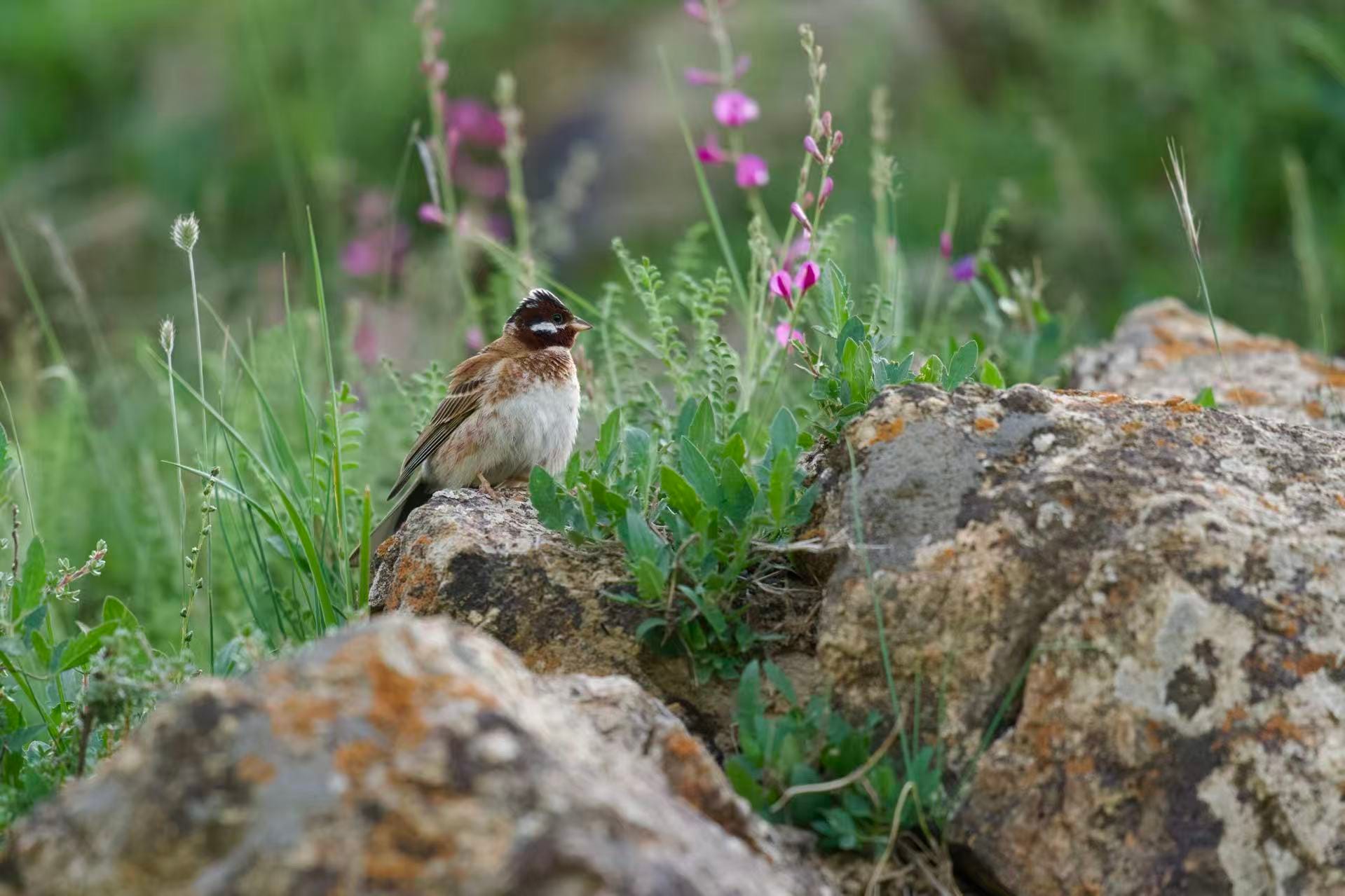
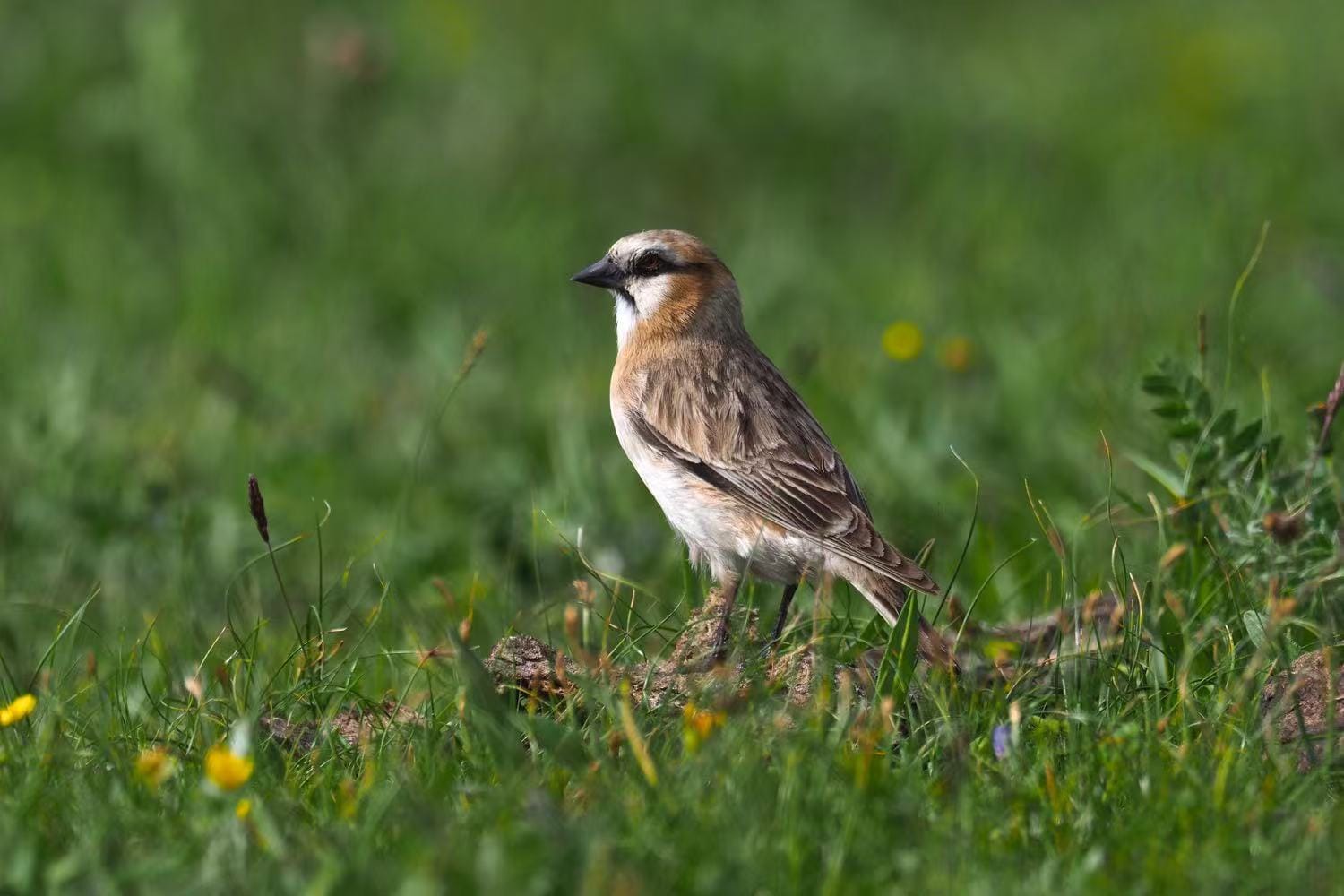
Main targets near Gonghe: Mongolian Finch, Desert Finch, Lesser Whitethroat, Pine Bunting, Black-faced Bunting, Isabelline Wheatear, Desert Wheatear, Rock Sparrow
Overnight: Gonghe
Day 3 — Birding at Longyangxia Valley & Mt. Ela → 4hrs drive to Maduo (340km)
Full morning birding at Longyangxia Valley and Mt. Ela, long drive to Maduo with en route birding stops.
Main targets in Longyangxia Valley: Pale Rosefinch, Przevalski’s Partridge, Desert Finch, Mongolian Finch, Lesser Whitethroat
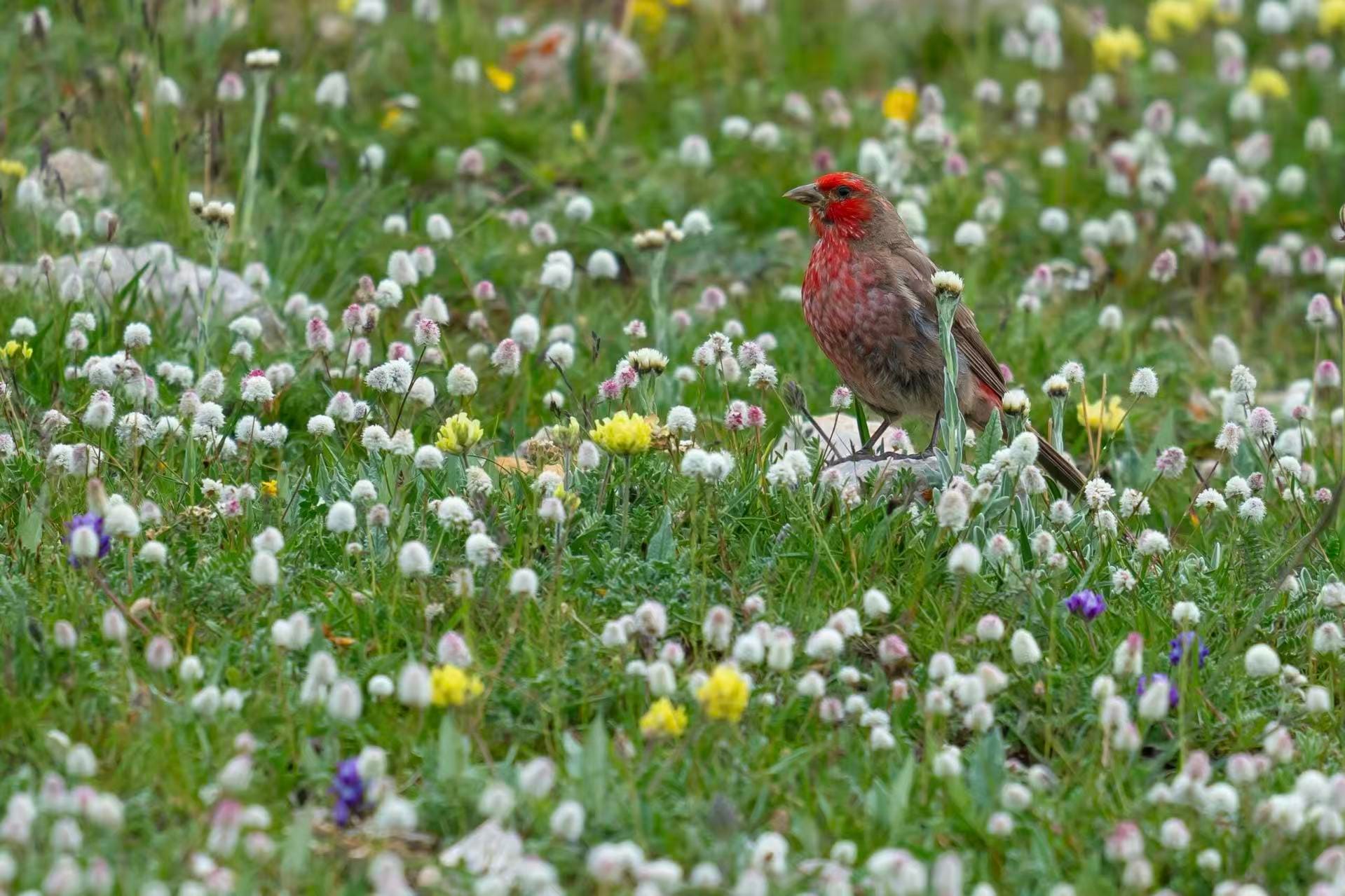
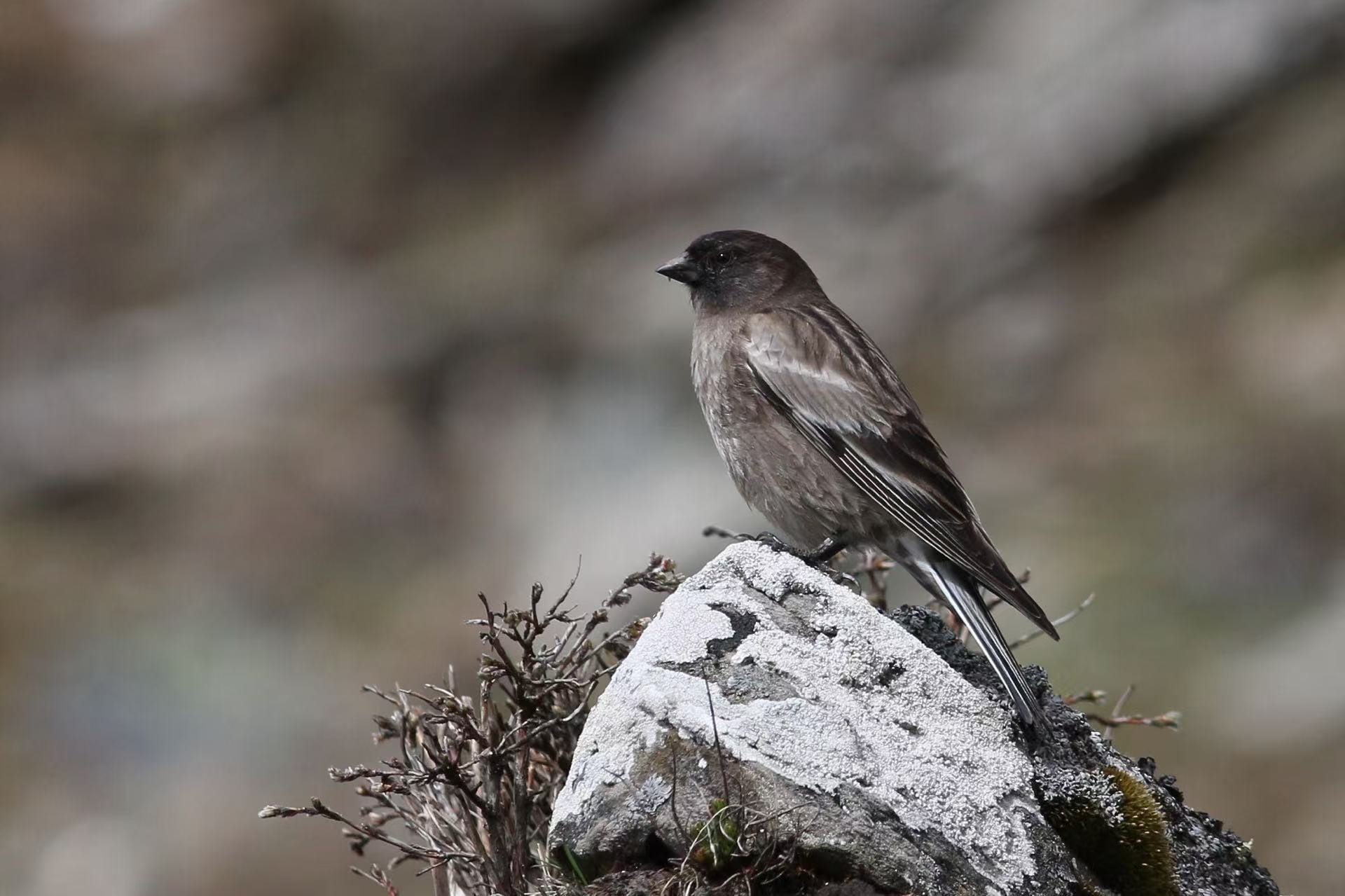
Main targets in Mt. Ela: Tibetan Rosefinch (Roboroveski’s), Guldenstadt’s (White-winged) Redstart, Tibetan Snowfinch, Brandt’s Mountain Finch, Plain Mountain Finch
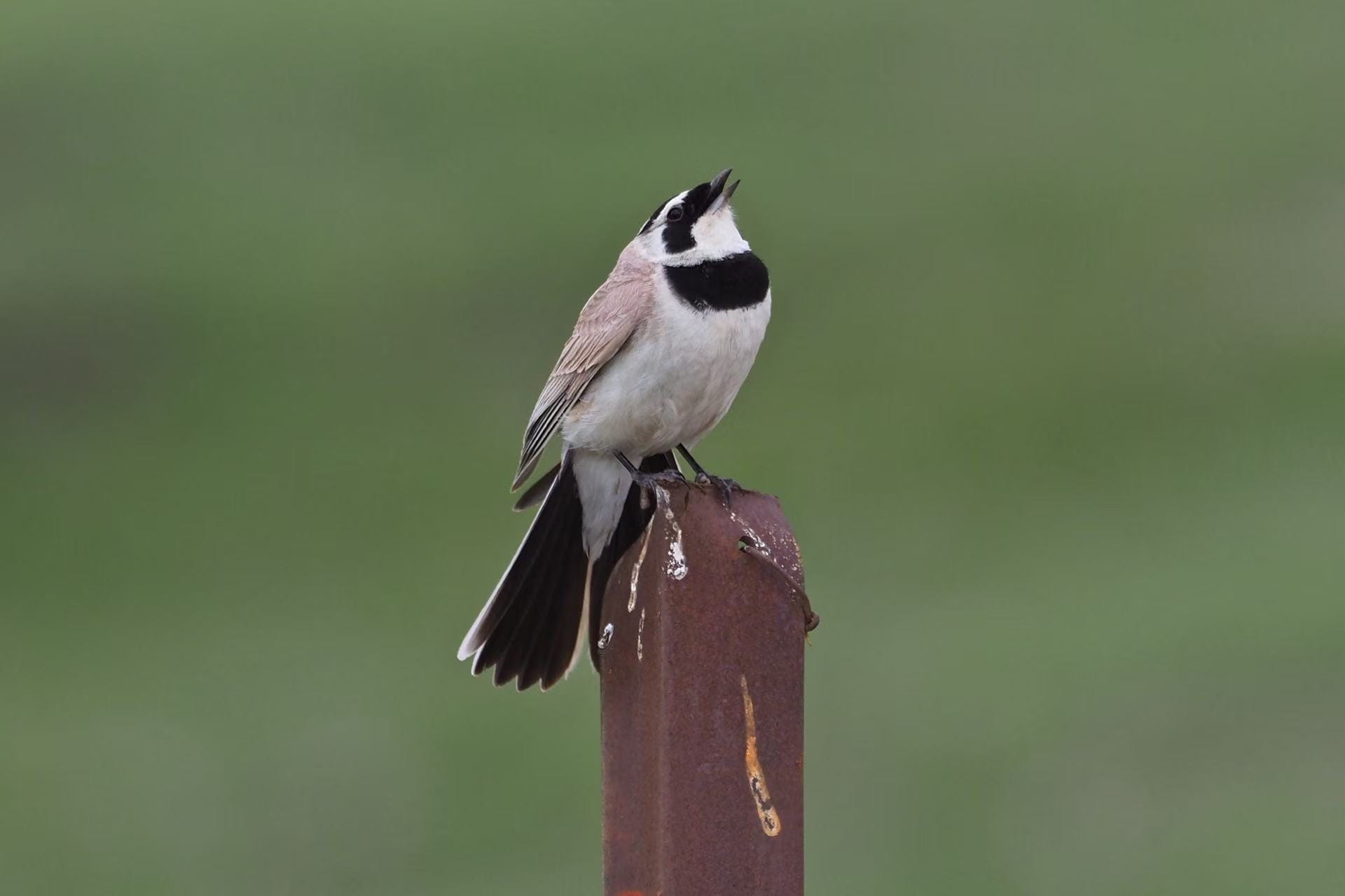
Main targets en route from Gonghe to Maduo: Mongolian Lark,Przevalski’s Finch, White-browed Tit, Streaked Rosefinch, Red-fronted Rosefinch, Great Rosefinch, Black-winged Snowfinch, Guldenstadt’s (White-winged) Redstart
Overnight: Maduo
Day 4 — 7hrs drive from Maduo to Nangqian via Yushu (500km)
Continuous birding and mammal observation along the whole journey.
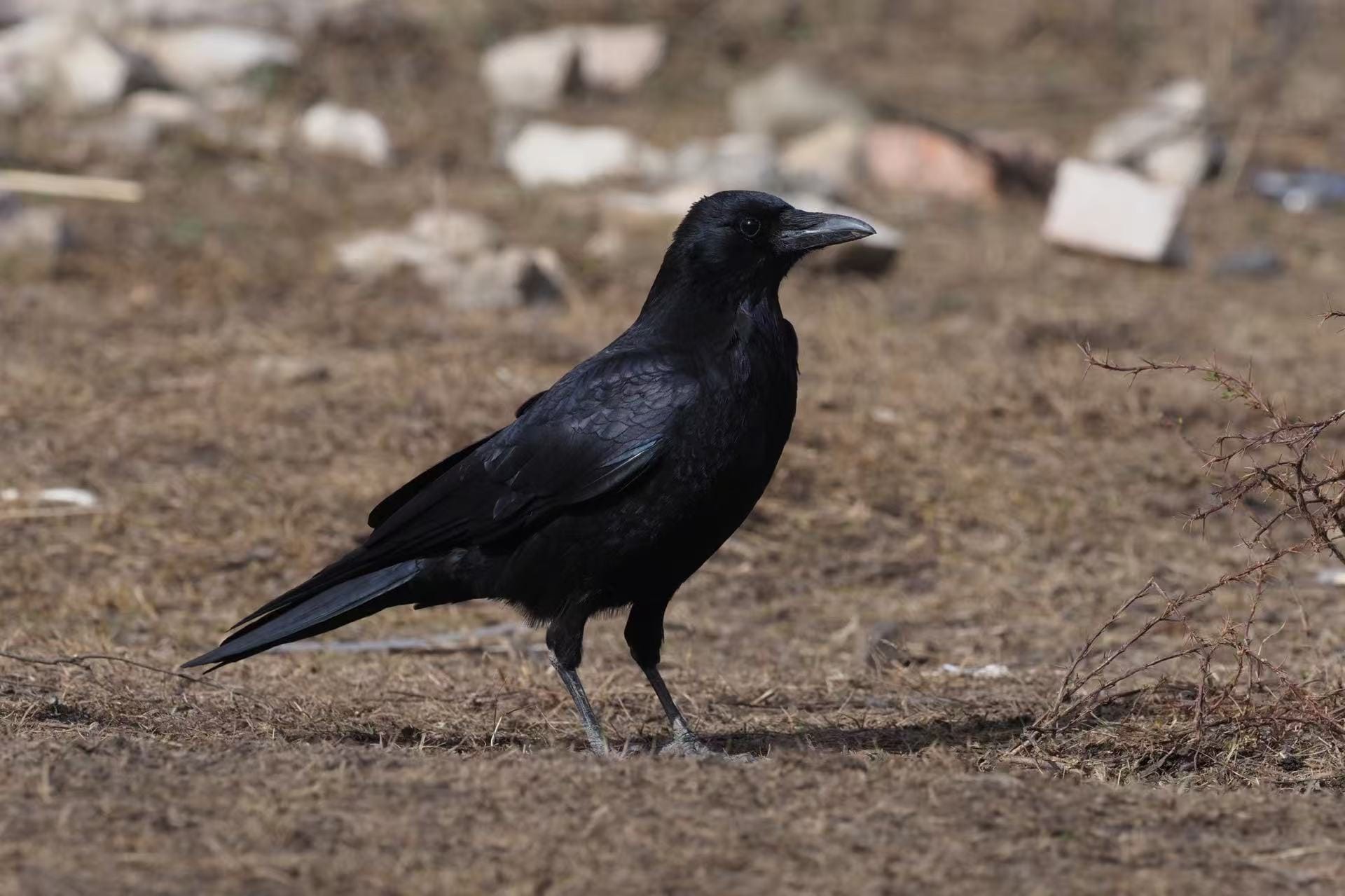
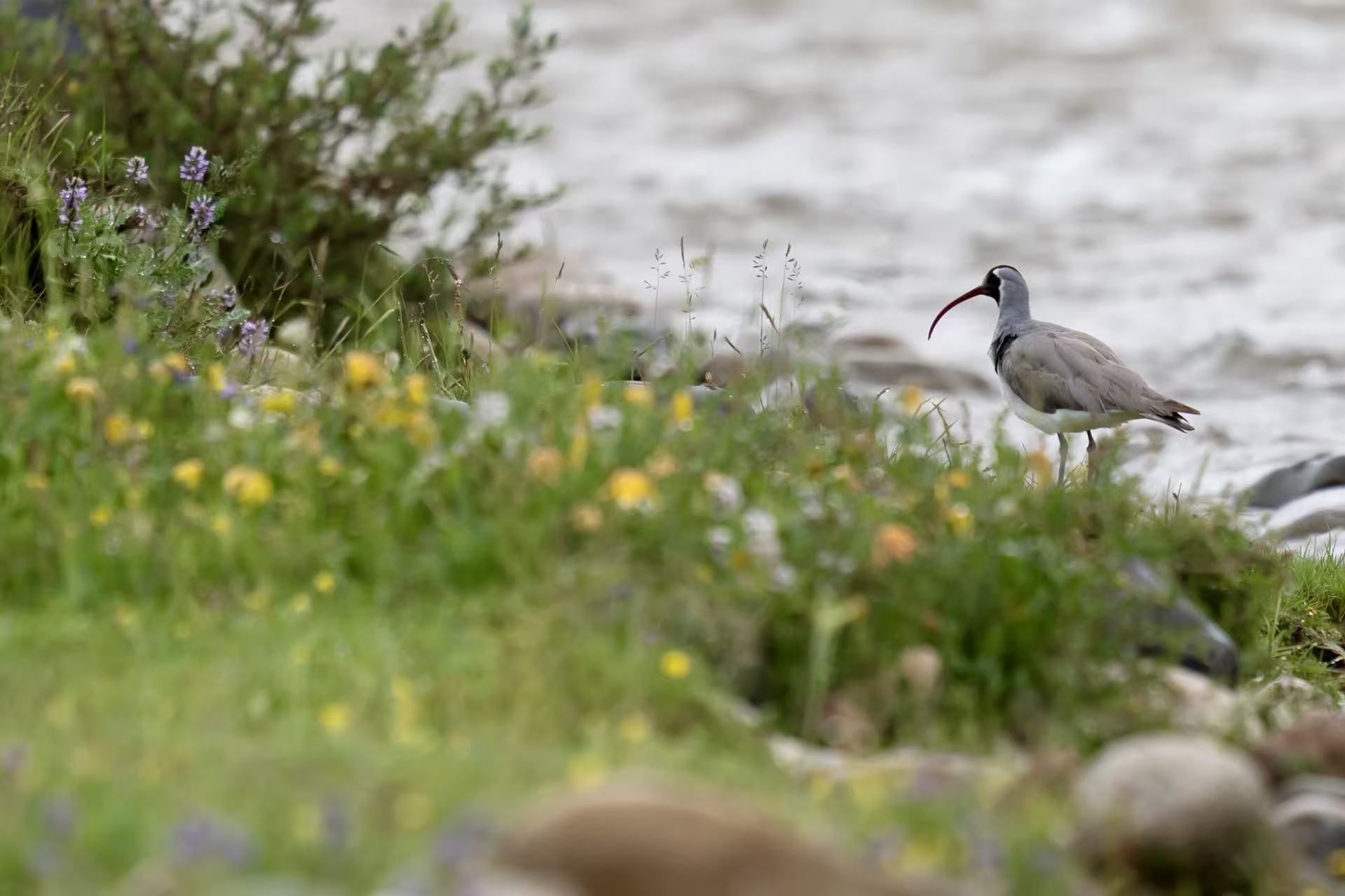
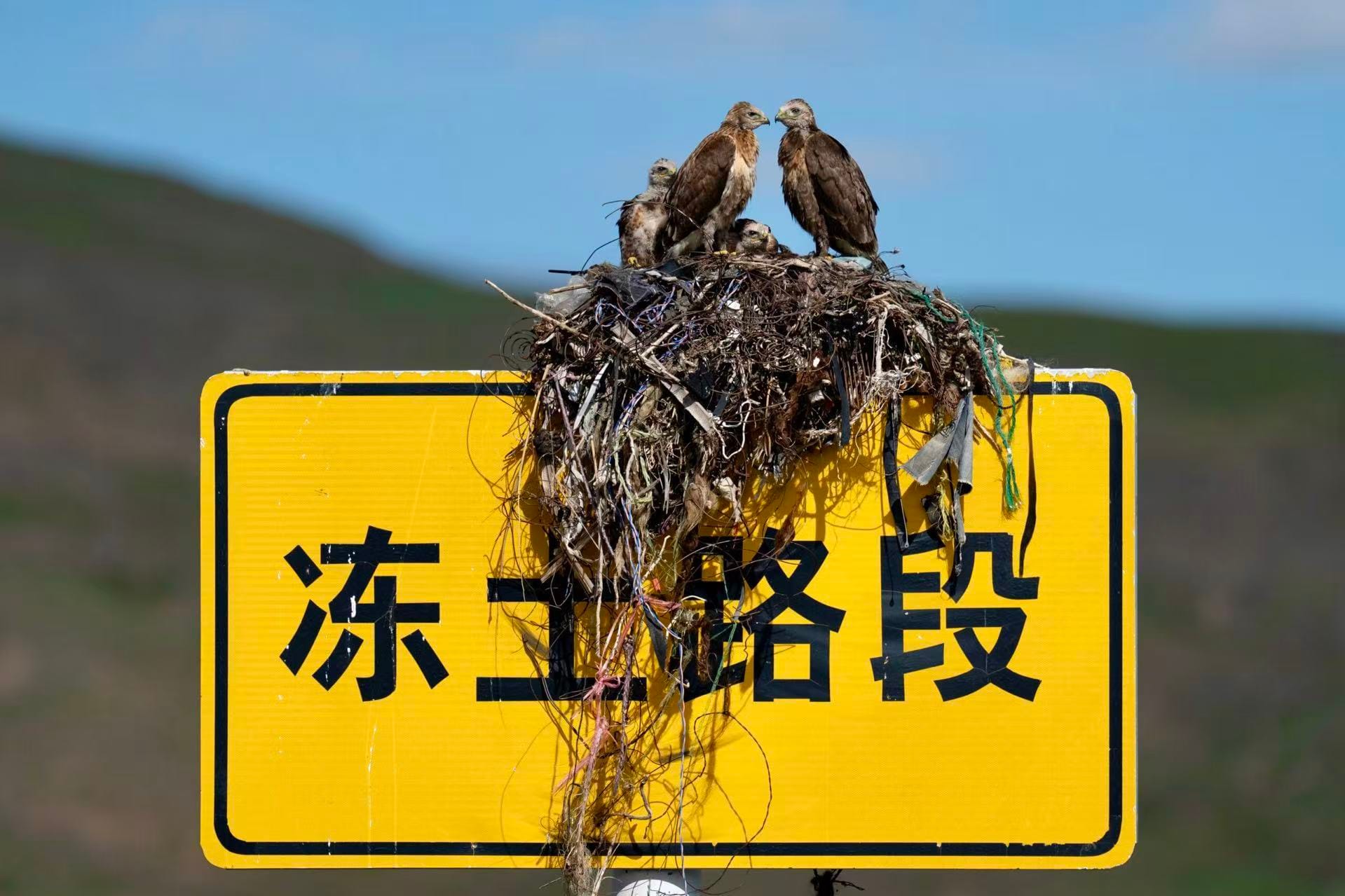
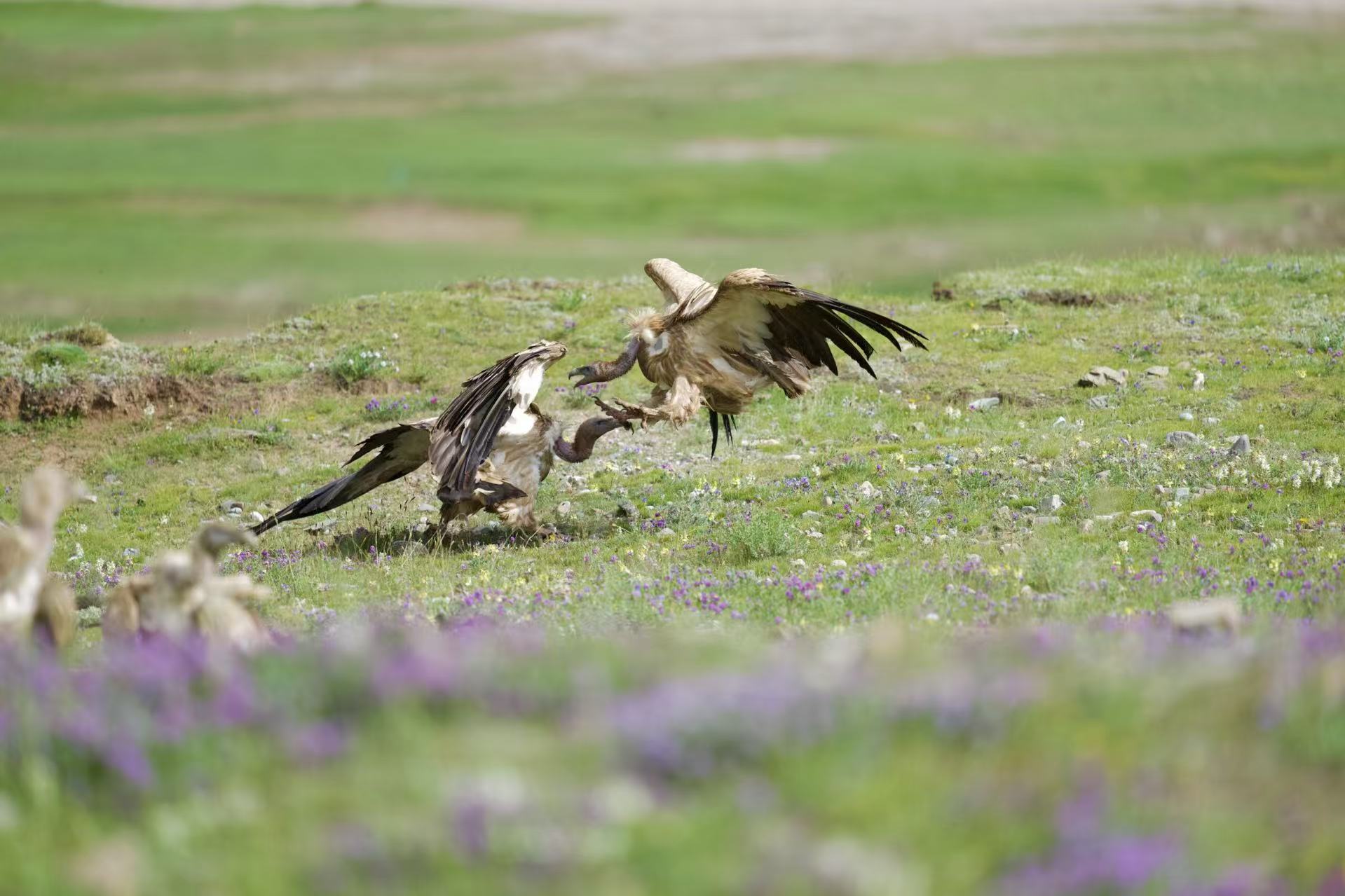
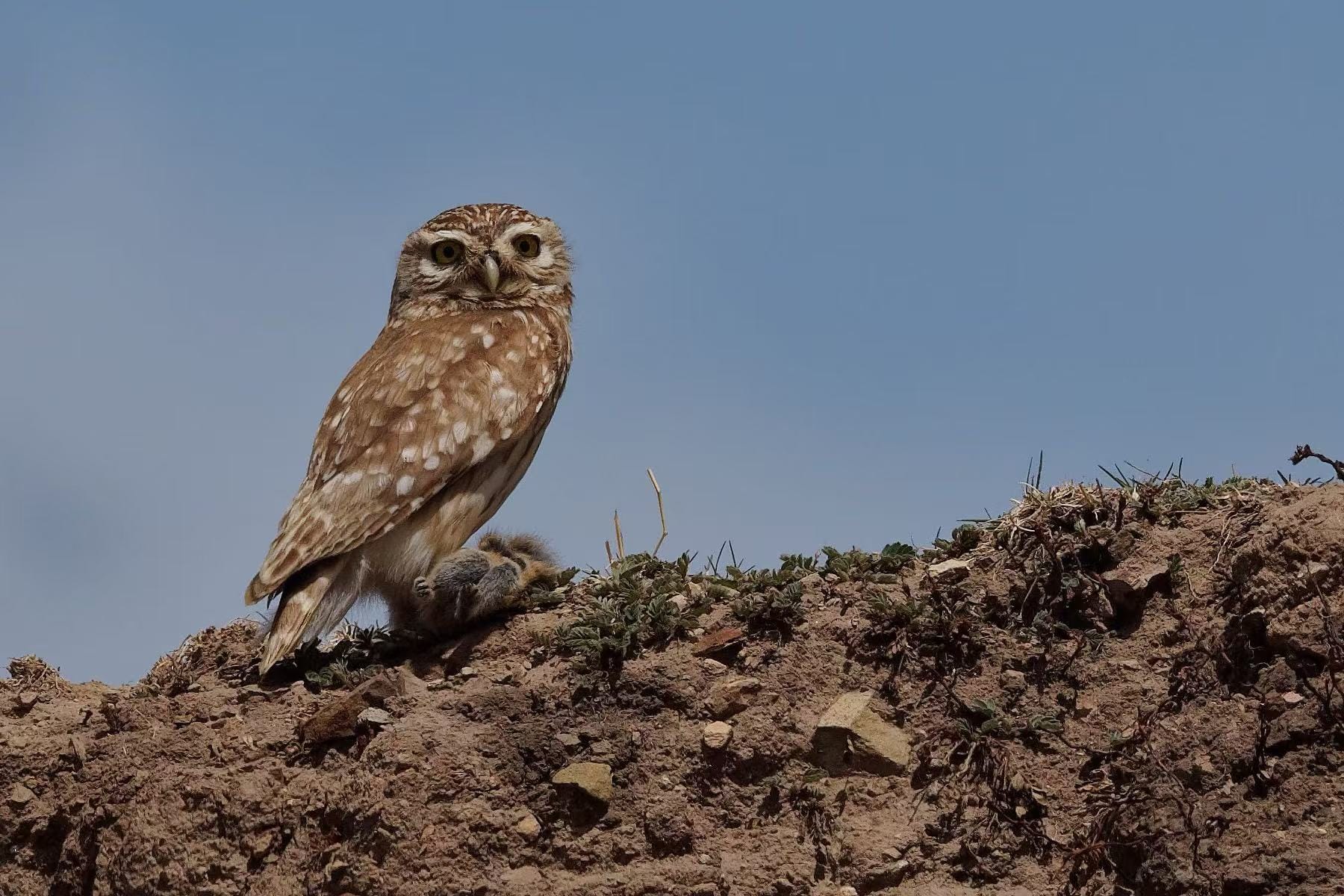
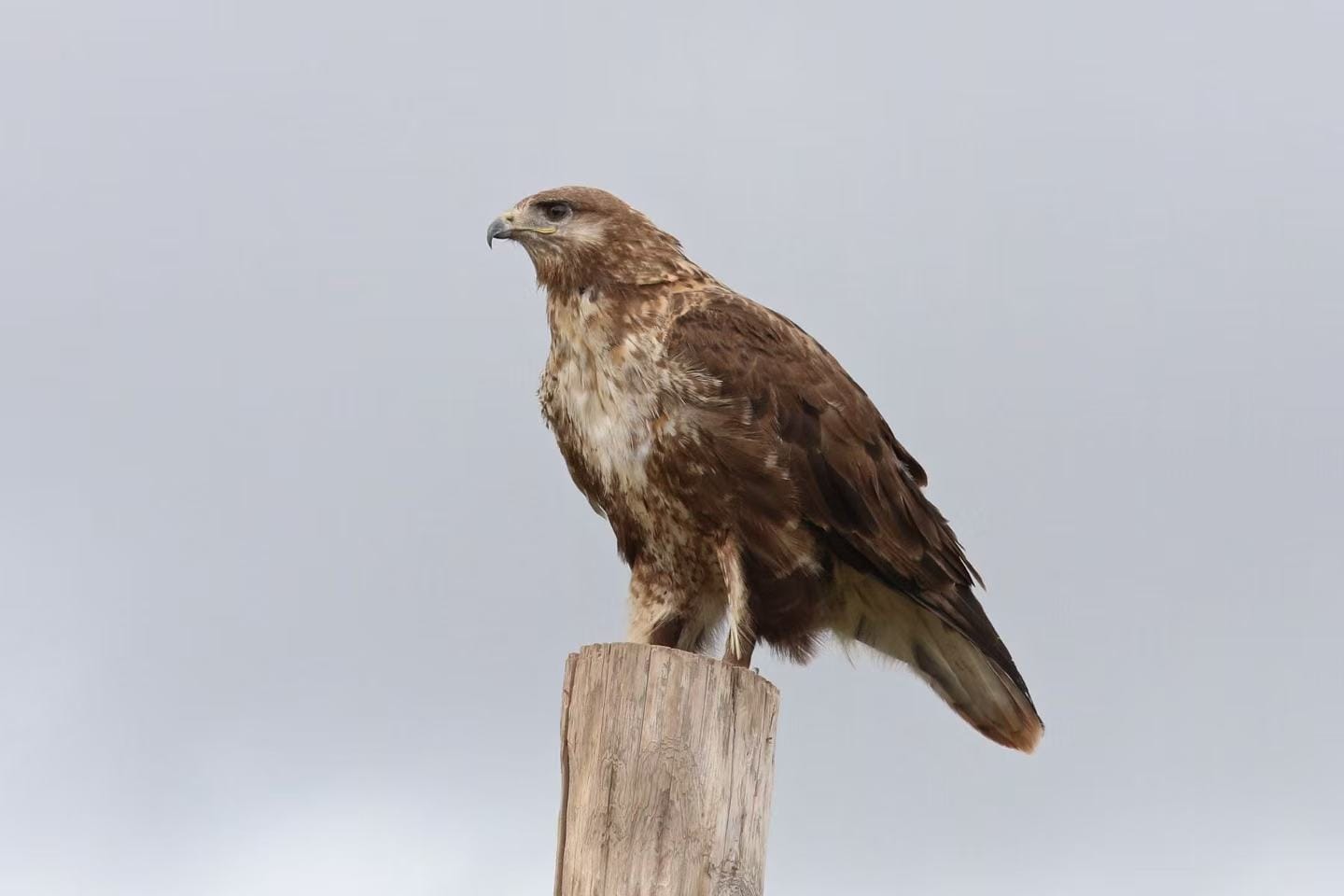
Main targets en route from Maduo to Nangqian via Yushu: Ibisbill, Upland Buzzard, Himalayan Griffon, Lammergeier, Saker Falcon, Daurian Jackdaw, Little Owl, Pale Martin, Citrine Wagtail, Salim Ali’s Swift, Streaked Rosefinch, Great Rosefinch,Chinese Rubythroat
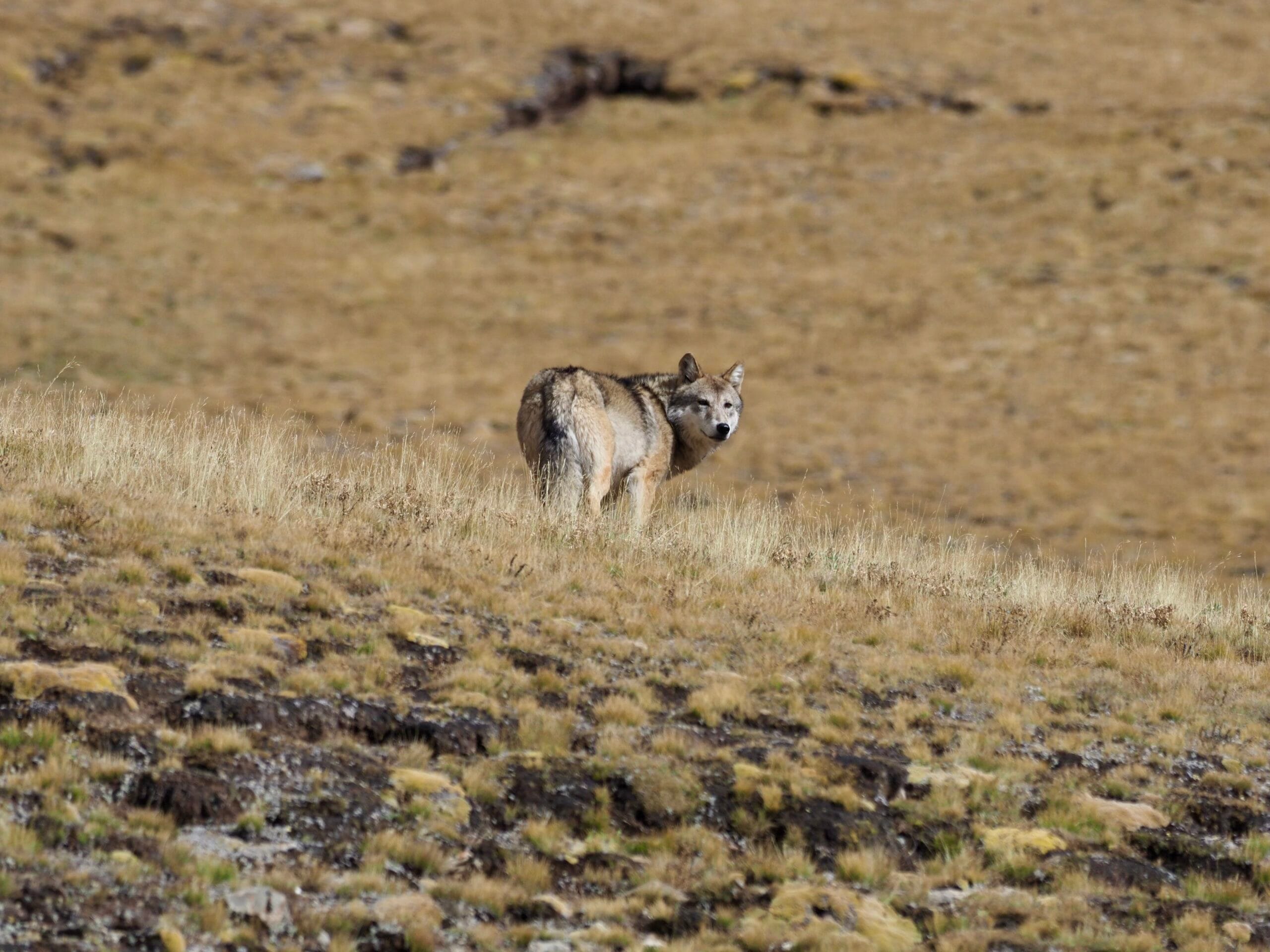
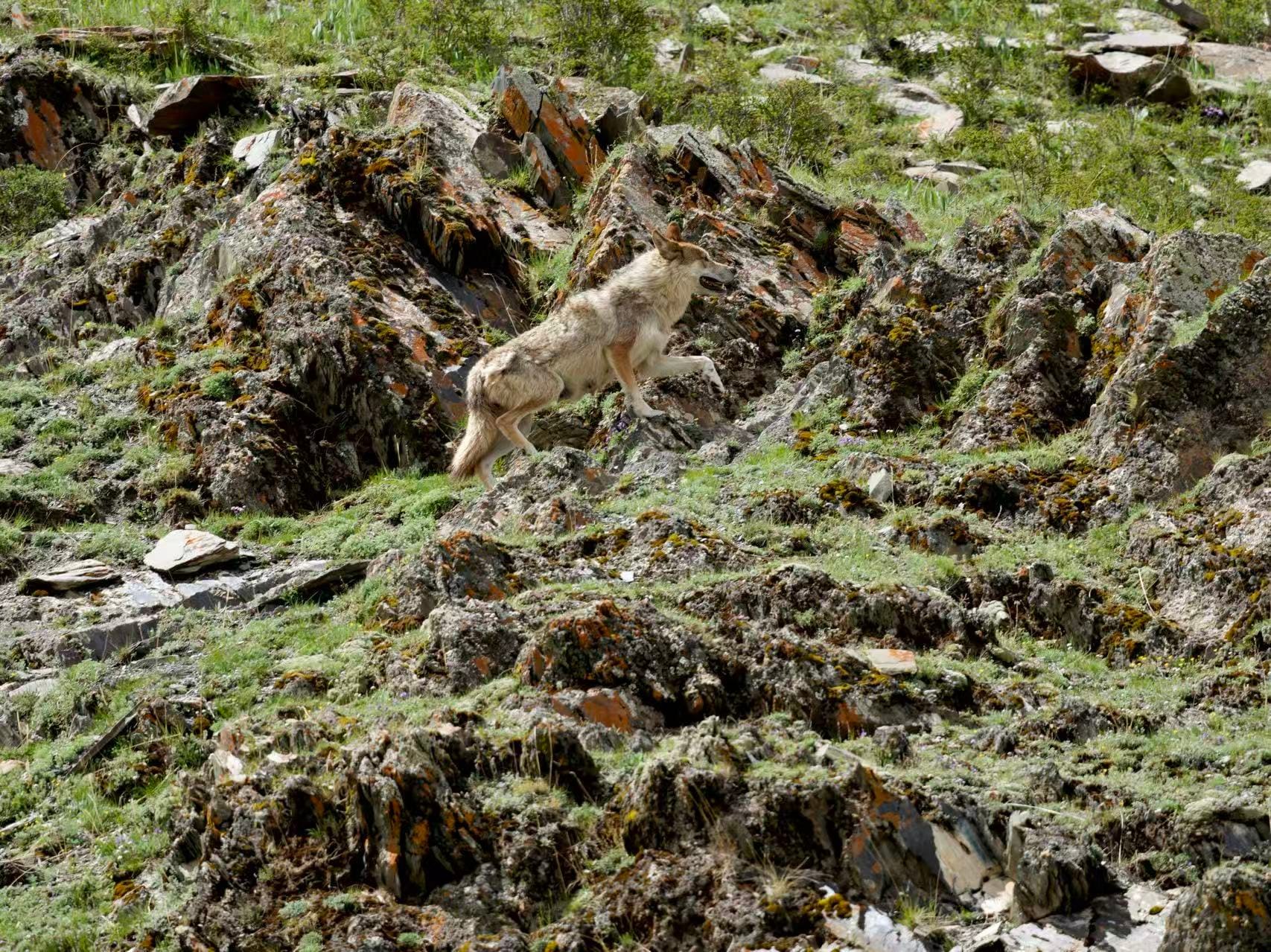
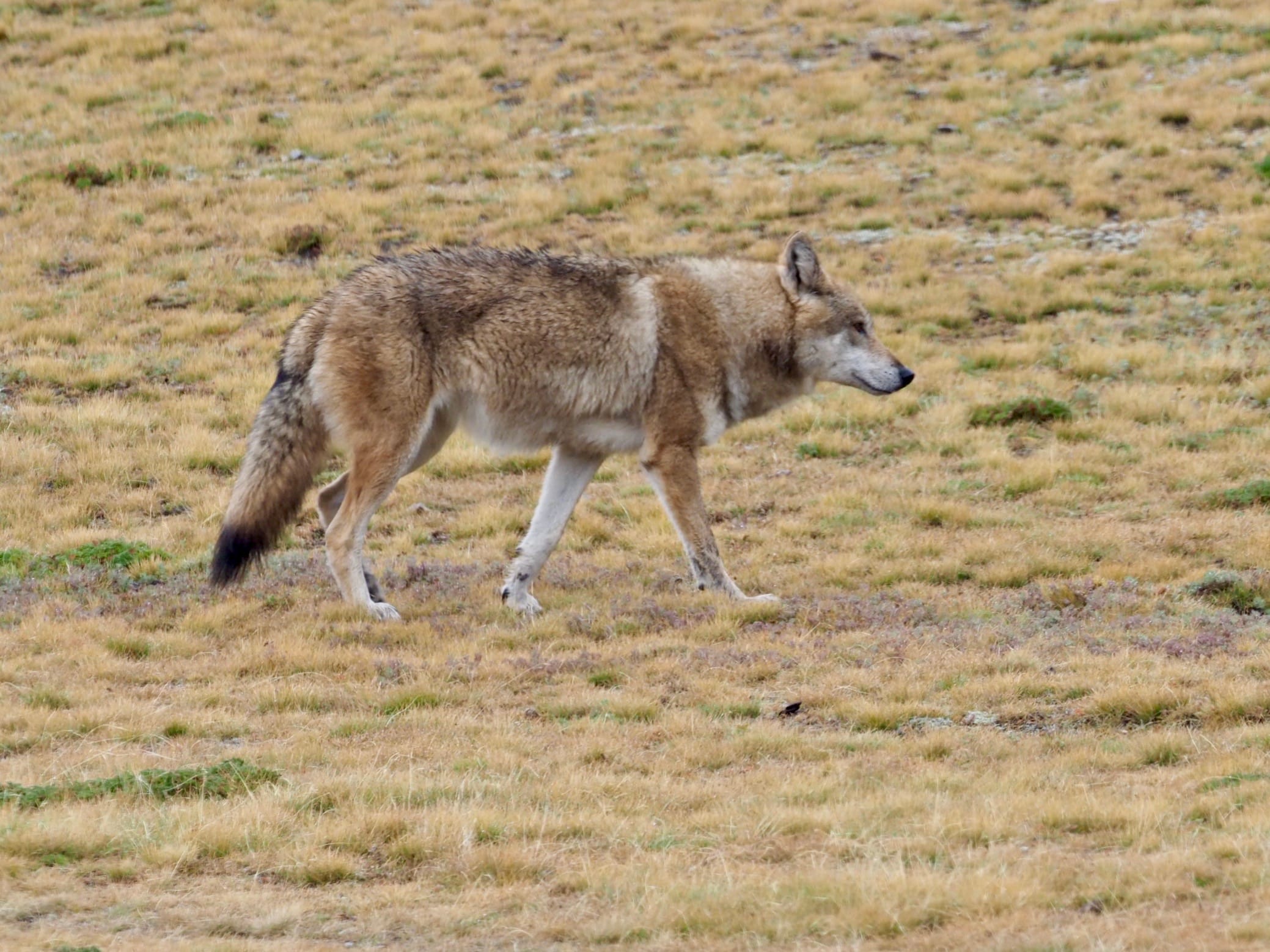
Mammals en route: Kiang, Tibetan Gazelle, Tibetan Fox, Wolf
Overnight: Nangqian
Day 5 — Full day birding at Kanda Shan
All-day mountain birding at Kanda Shan; good chance to spot Blue Sheep.
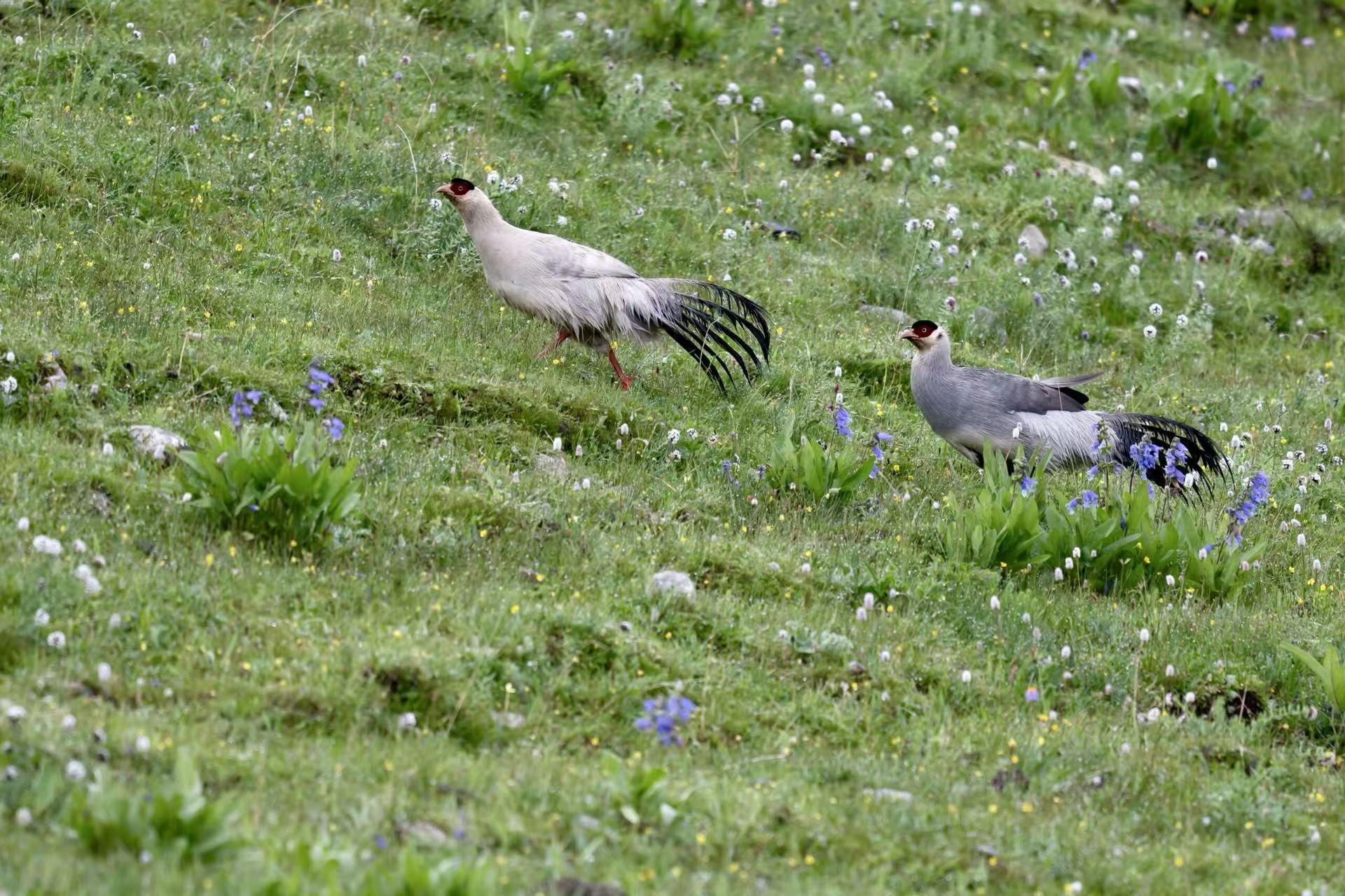
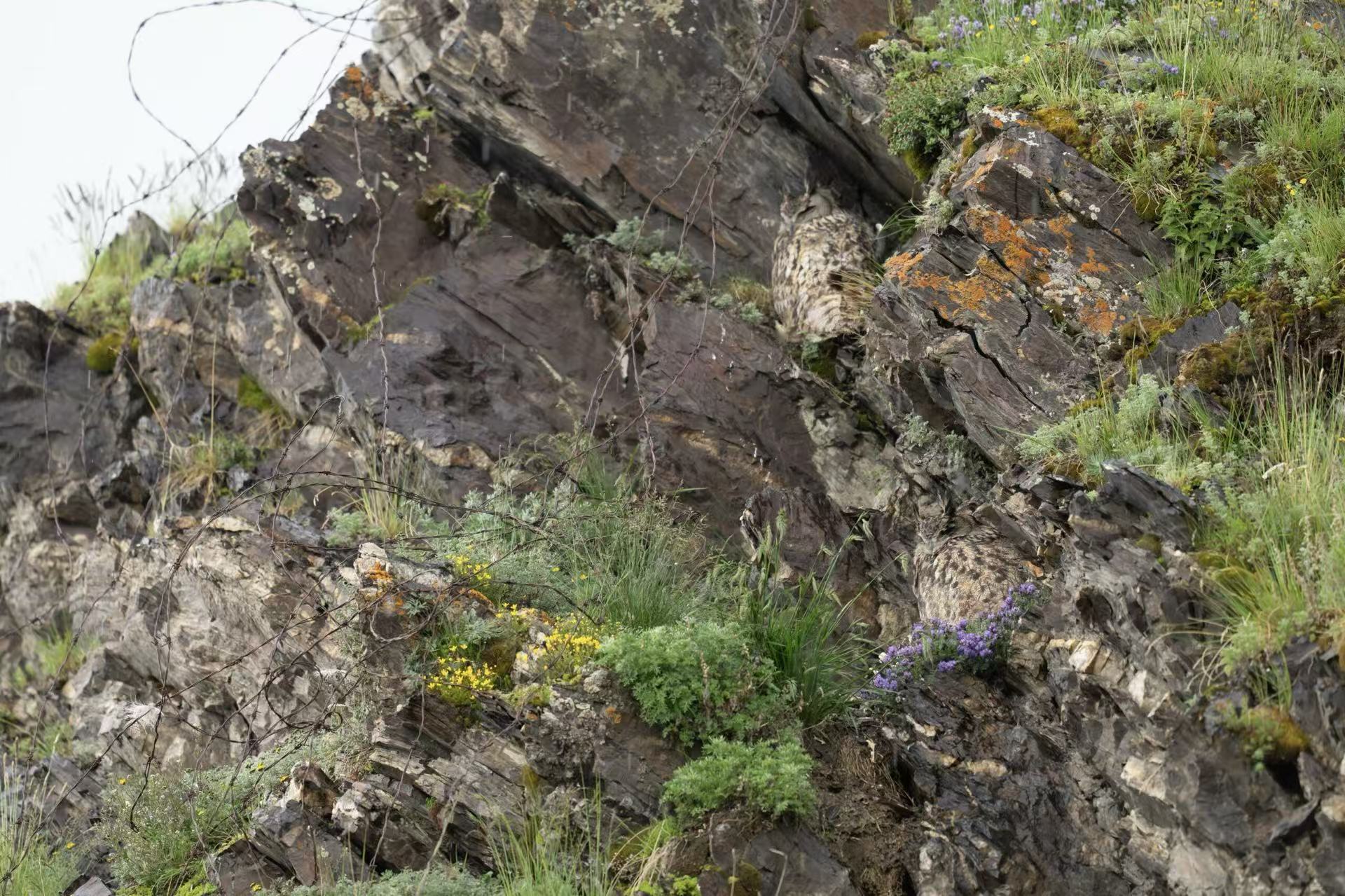
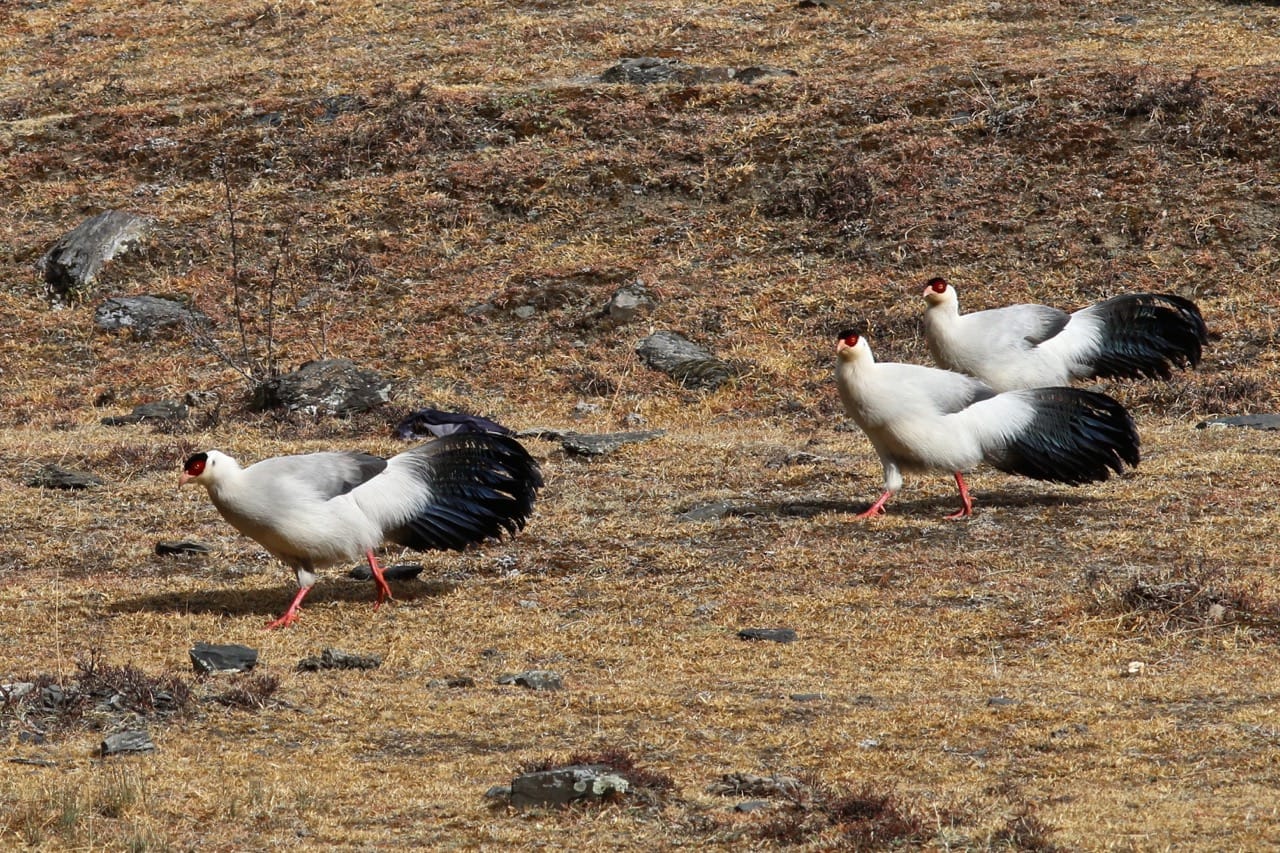
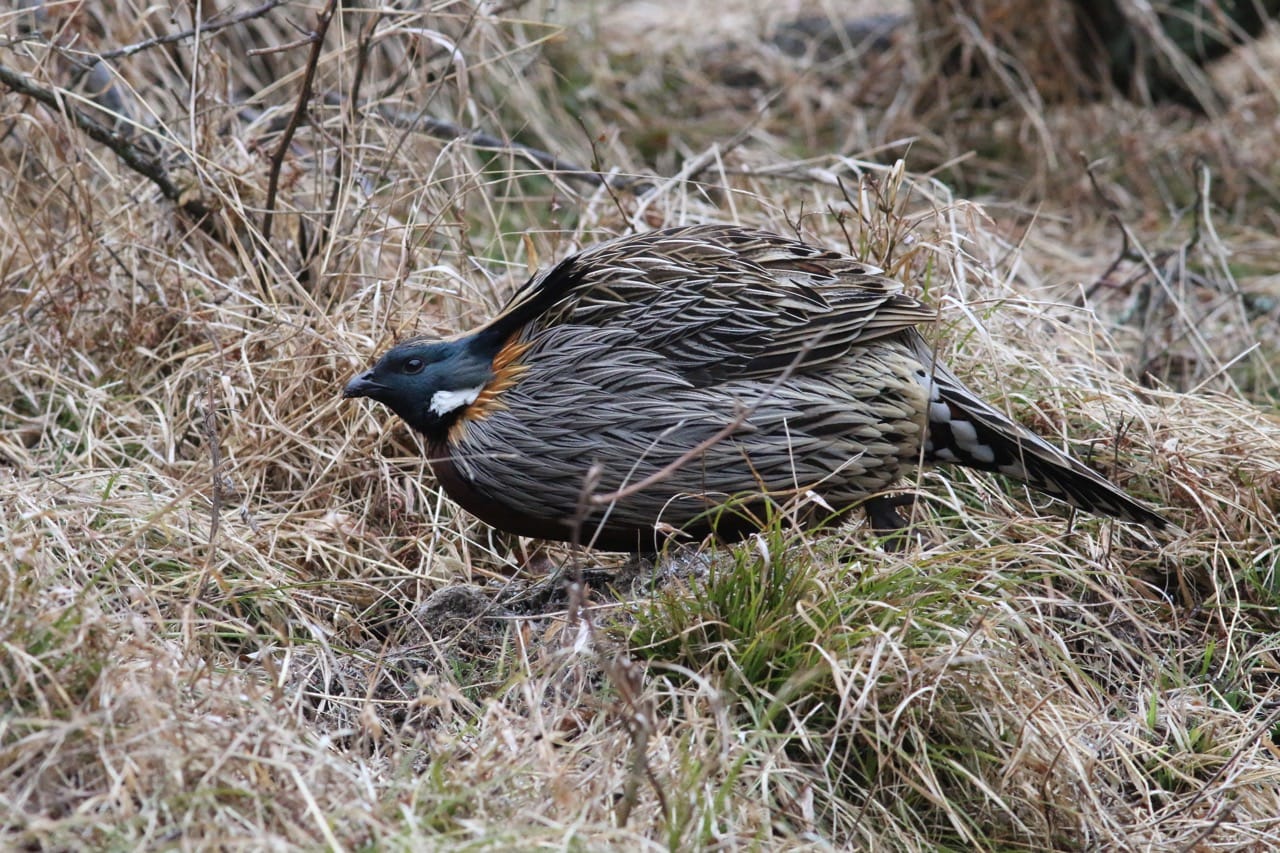
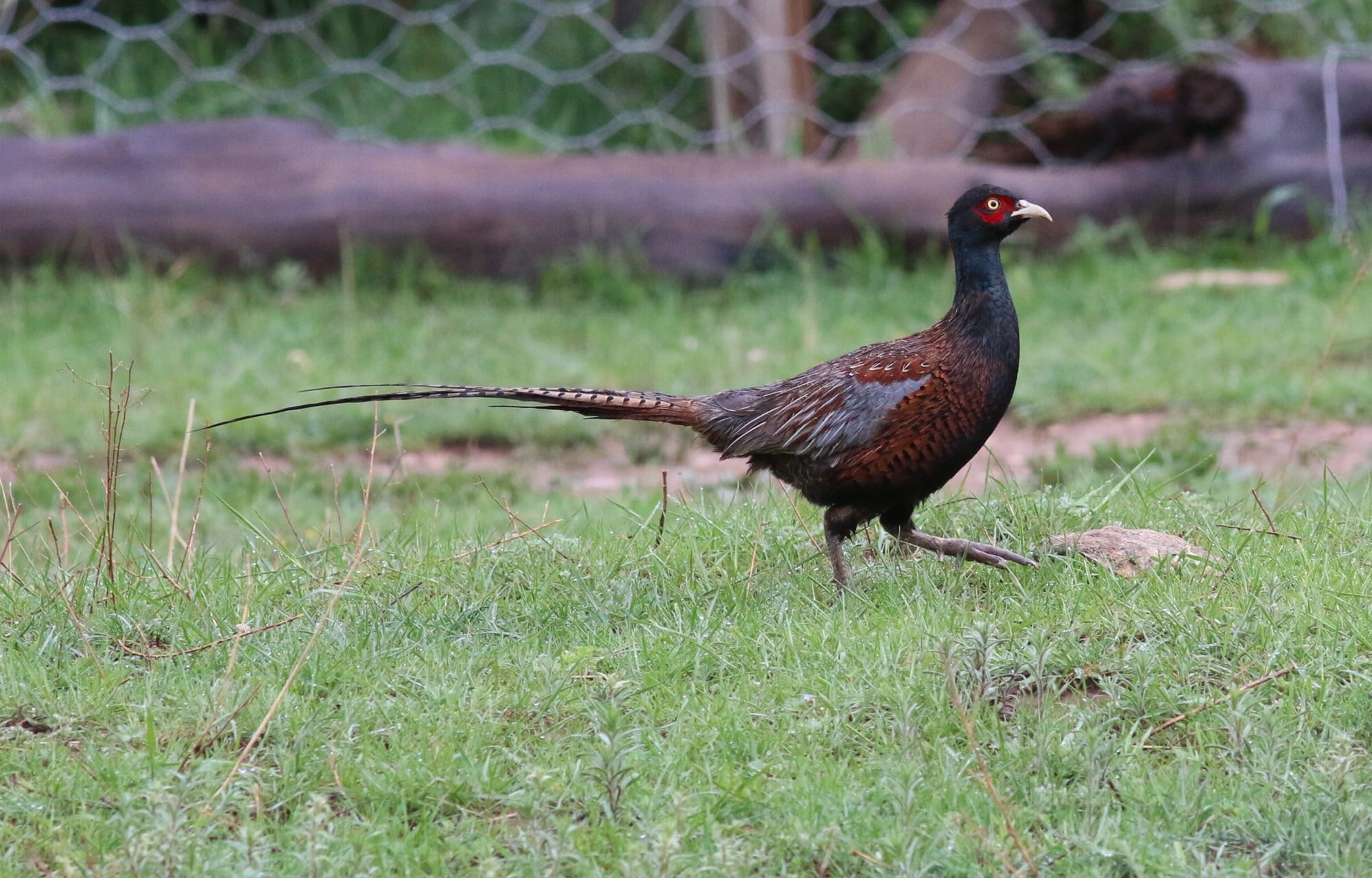
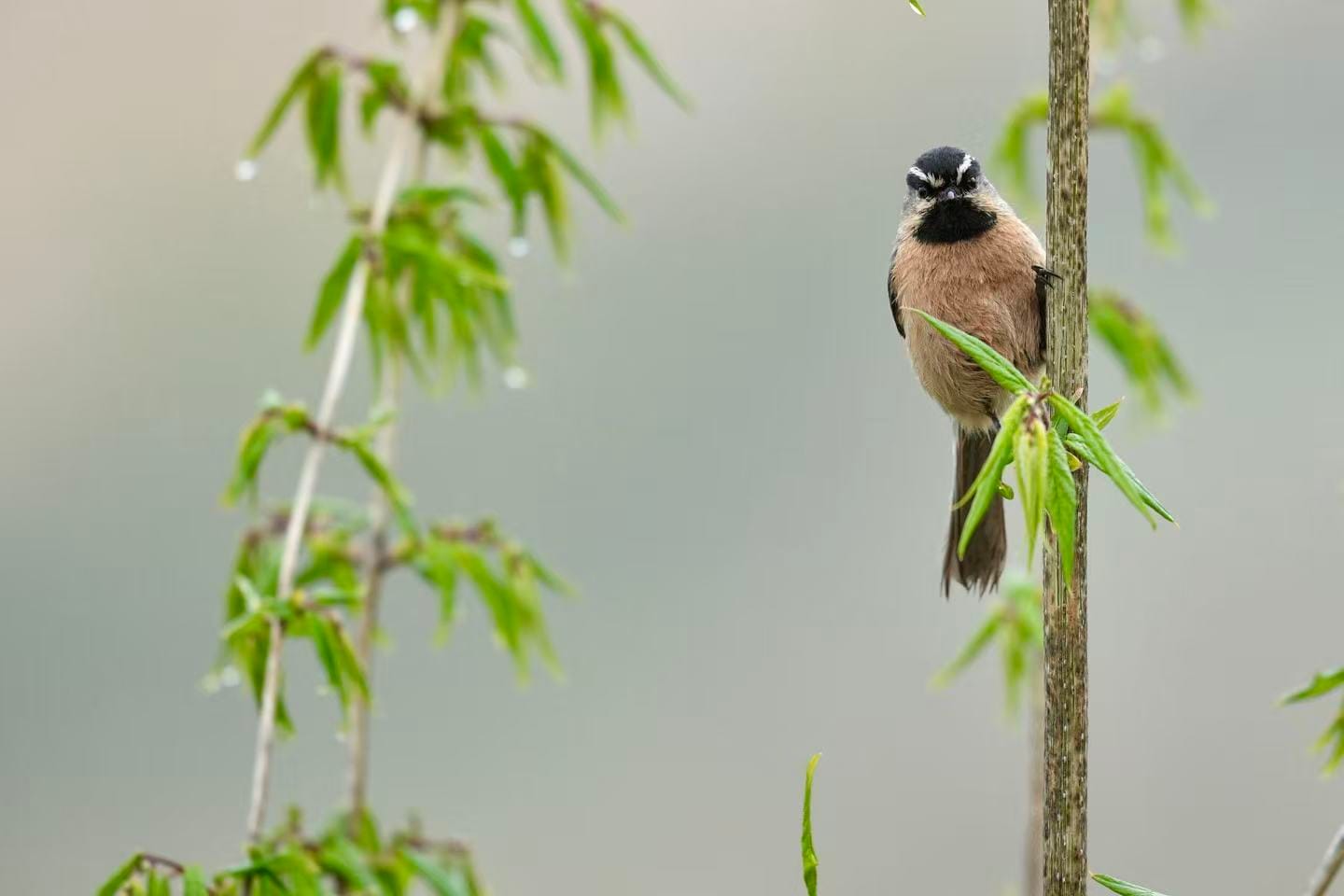
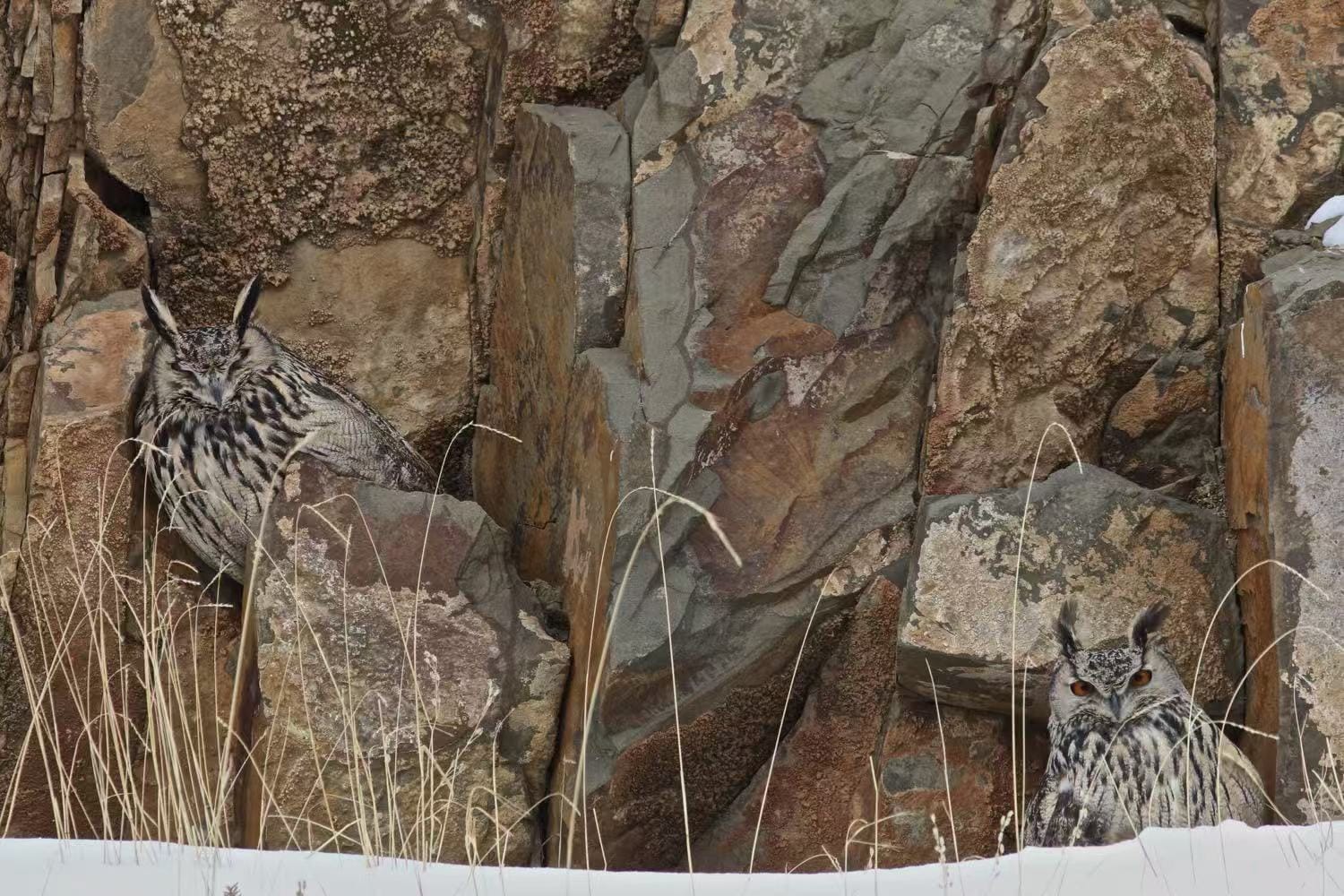
Main targets in Kanda Shan: Tibetan Bunting, Tibetan Snowcock, Tibetan Partridge, White-eared Pheasant, Buff-throated Partridge (Szechenyi’s Monal-Partridge), Tibetan Babax,Chinese Rubythroat, White-browed Tit, Sichuan Tit, White-browed Tit Warbler, Wallcreeper, Eurasian Eagle Owl, Golden Eagle, Grandala, Chinese Beautiful Rosefinch, Red-fronted Rosefinch, Streaked Rosefinch, Snow Pigeon, White-capped Redstart, Plain Mountain Finch, White-winged Grosbeak
Mammal highlight: Blue Sheep
Overnight: Nangqian
Day 6 — Full day birding at Baizha Forest
Full forest birding at Baizha forest; good chance to spot Blue Sheep.
Day 7 — 5hrs drive from Nangqian to Qumalai (400km)
Birding and mammal watching during the transfer.
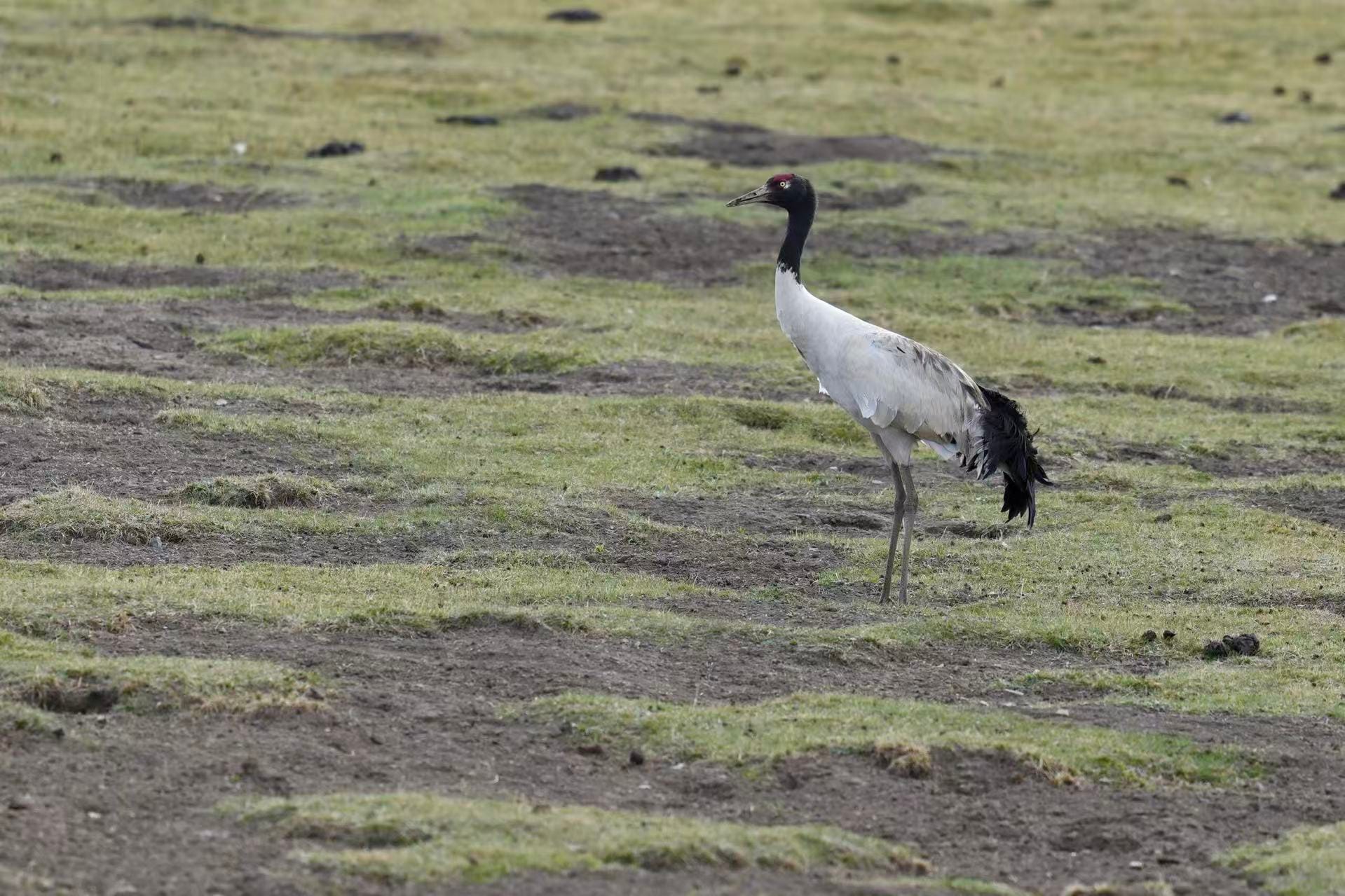
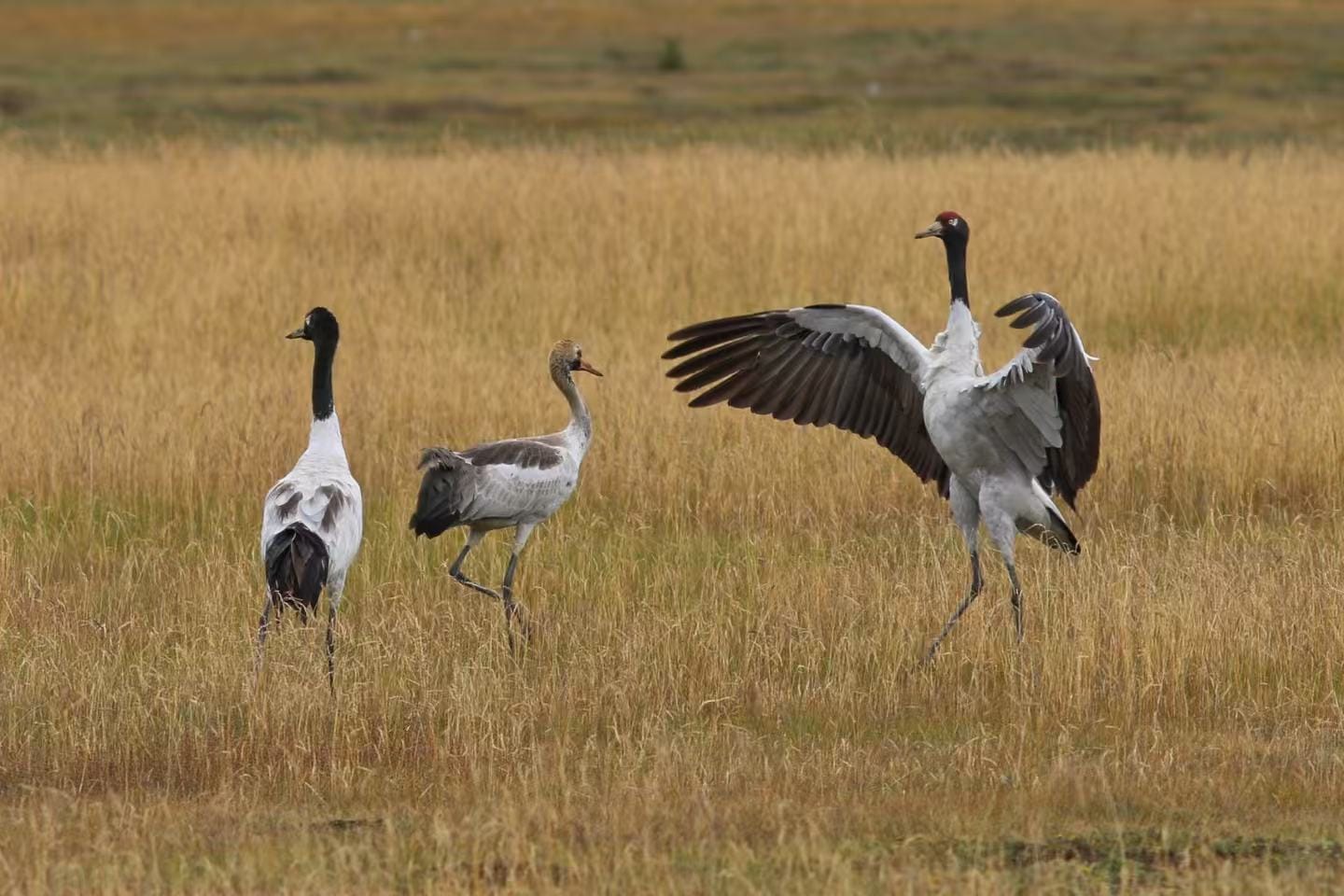
Main targets en route from Nangqian to Qumalai: Ibisbill, Black-necked Crane, Upland Buzzard, Himalayan Griffon, Lammergeier, Saker Falcon
Mammals spotted en route: Kiang, Wolf, Tibetan Fox
Overnight: Qumalai
Day 8 — 6hrs drive from Qumalai to Golmud (480km)
Roadside birding and mammal observation throughout the drive.
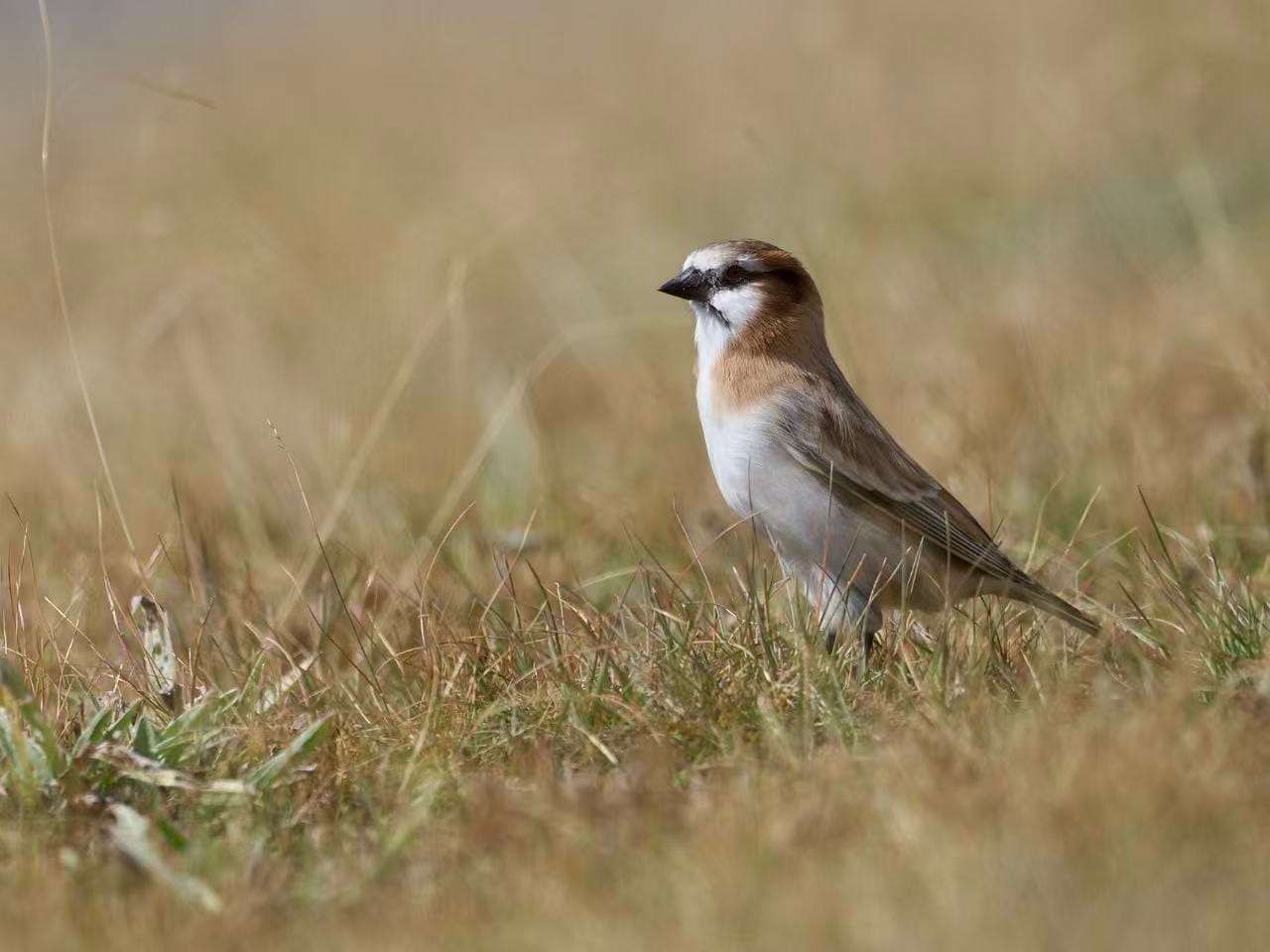
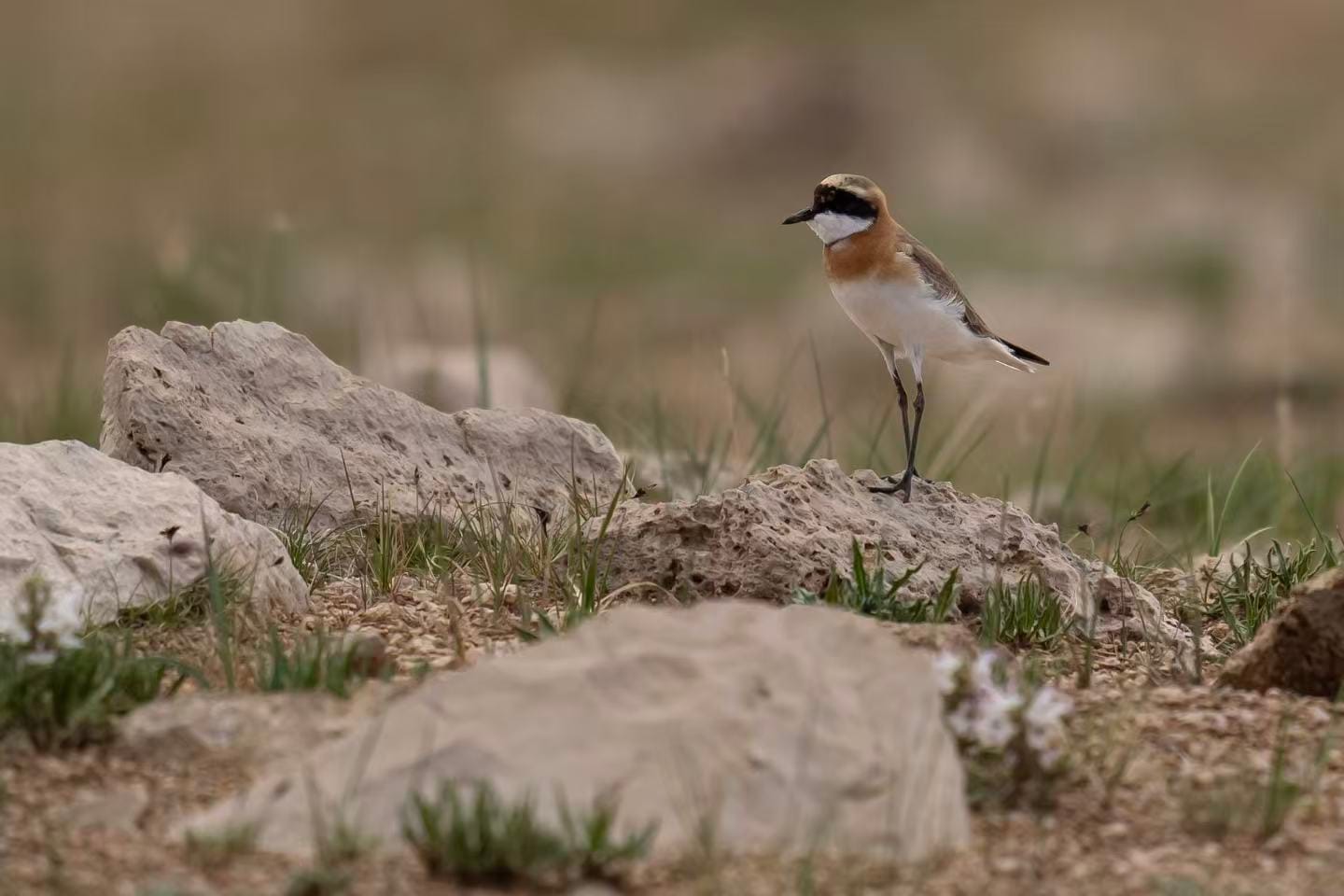
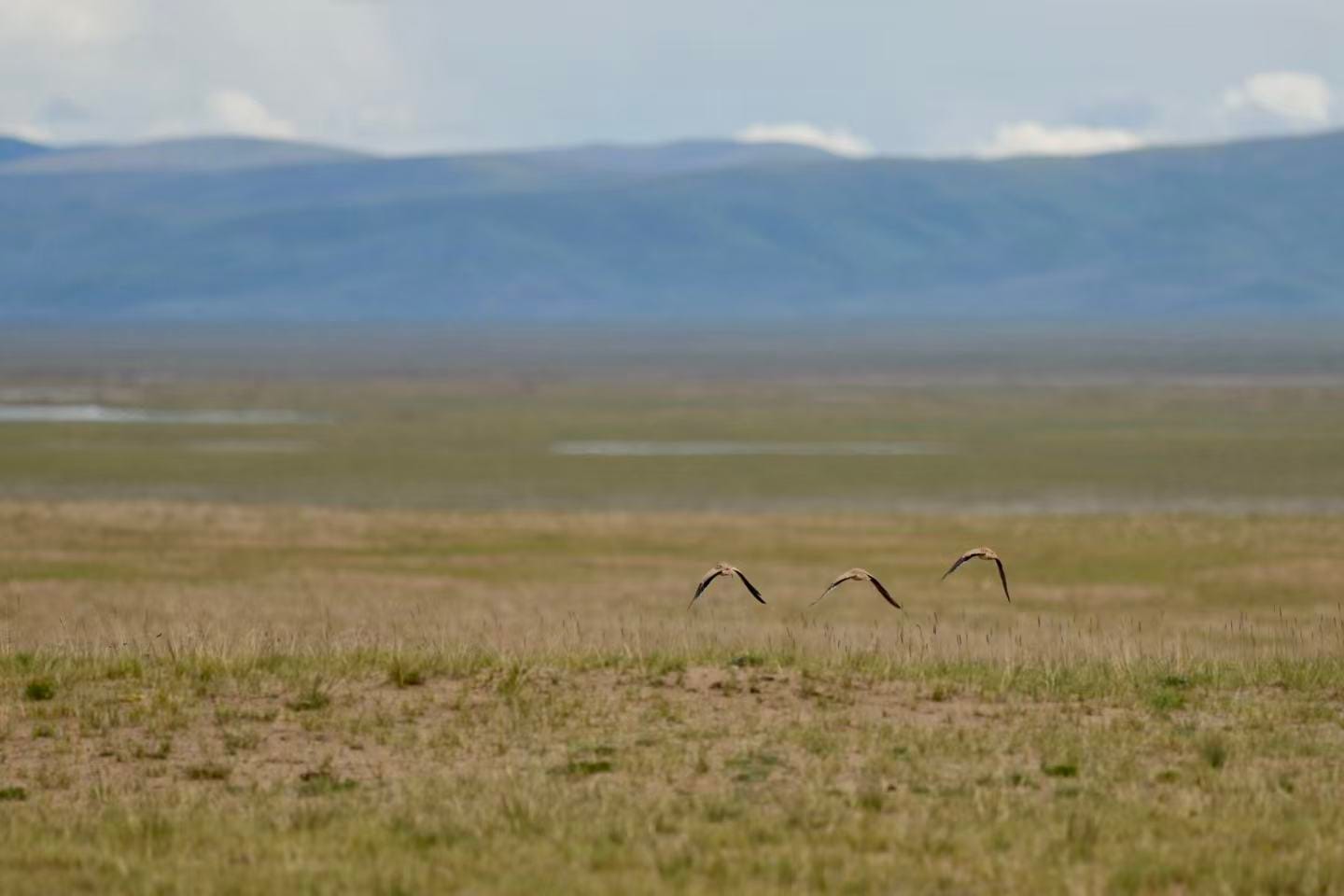
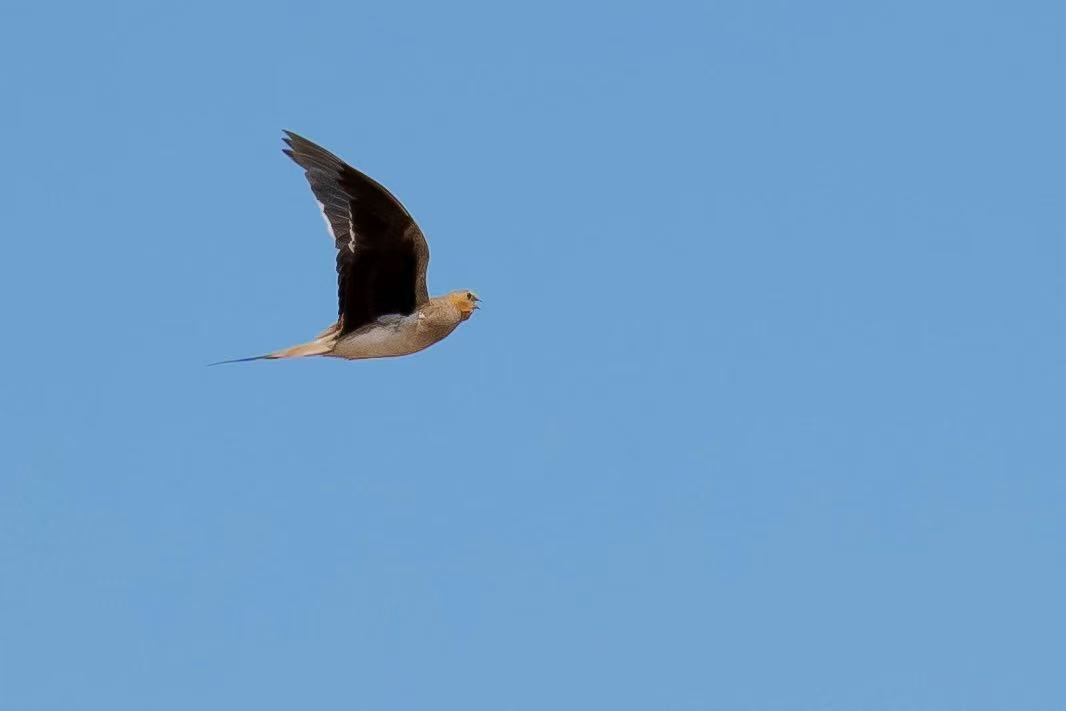
Main targets en route from Qumalai to Golmud: Tibetan Sandgrouse, Tibetan Sand Plover, Great Rosefinch, Blanford’s Snowfinch (Plain-backed), Saker Falcon, Upland Buzzard, Little Owl
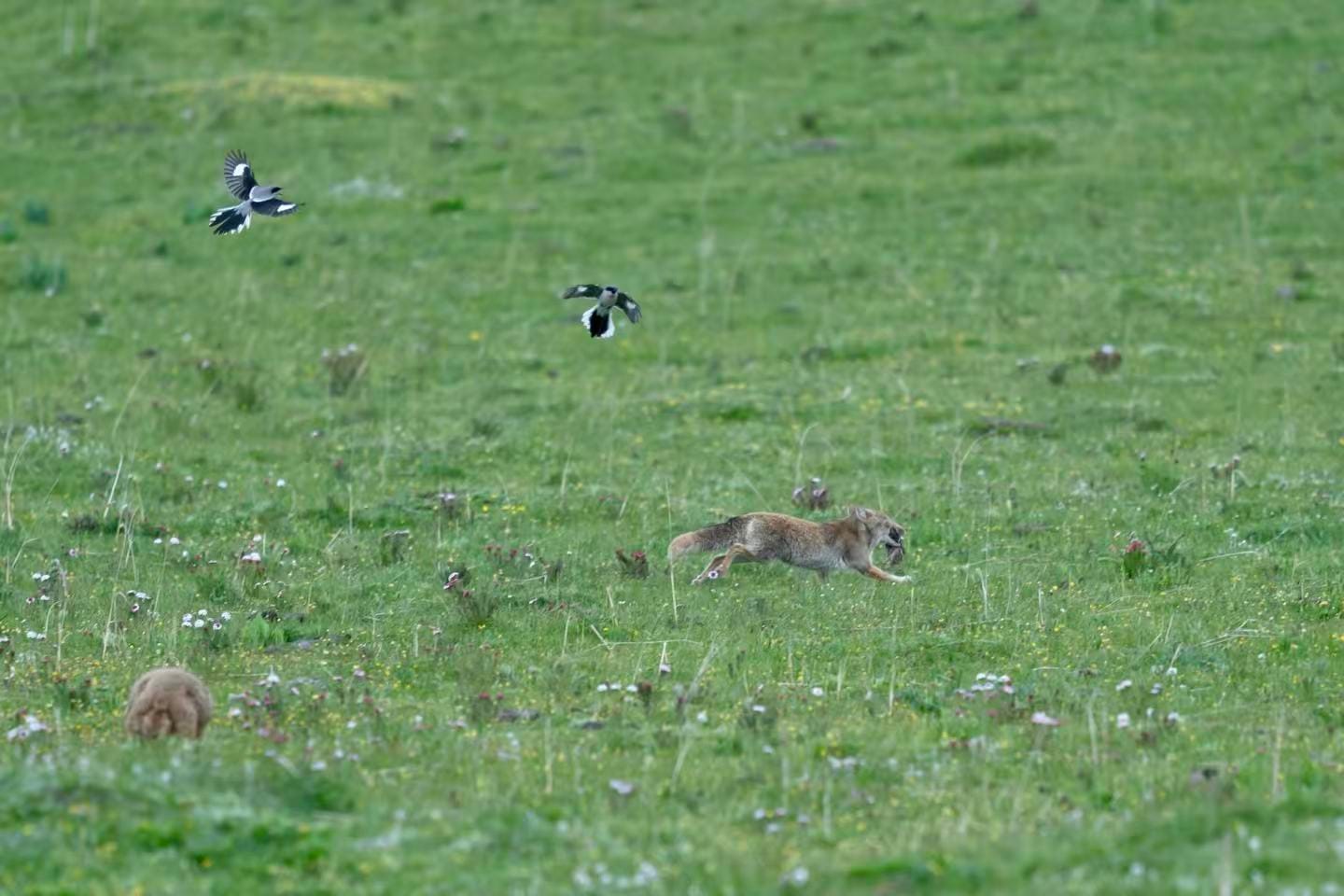
Mammals spotted en route: Tibetan Antelope, Pallas’s Cat, Tibetan Gazelle, Tibetan Fox, Kiang, Wolf
Overnight: Golmud
Day 9 — 4hrs drive from Golmud to Dulan (350km)
Birding stops along the transit route.
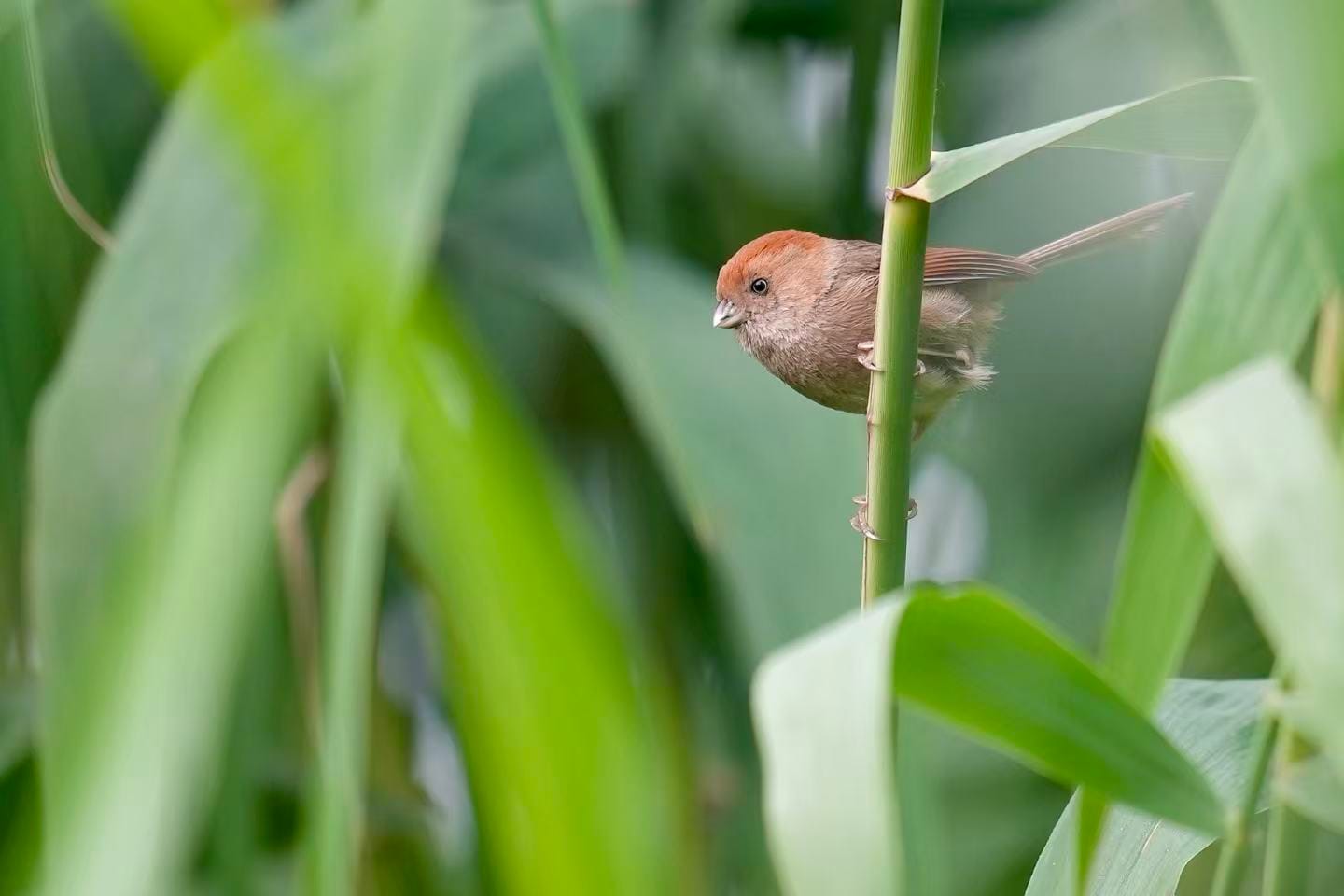
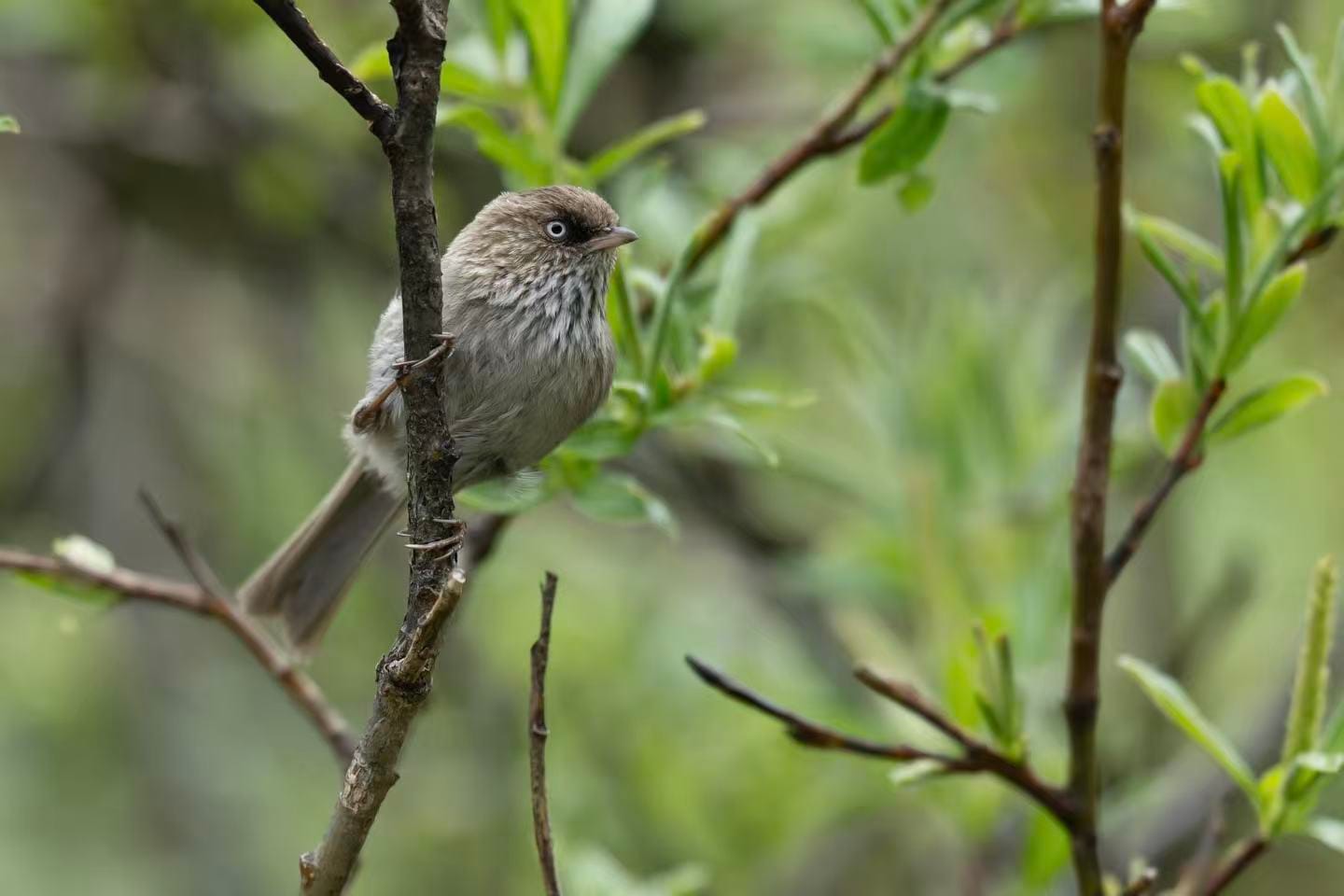
Main targets en route from Golmud to Dulan: Henderson’s Ground Jay, Lesser Whitethroat, Asian Short-toed Lark, Isabelline Shrike, Bearded Reedling
Mammal spotted en route: Goitered Gazelle
Overnight: Dulan
Day 10 — Drive from Dulan to Wulan with roadside birding
Scattered birding opportunities on the way to Chaka.
Main targets en route from Dulan to Chaka: Przevalski’s Redstart, Przevalski’s Partridge, Daurian Partridge, Pine Bunting, Giant Grey Shrike, White-winged Grosbeak, Black Redstart
Overnight: Chaka
Day 11 — Morning Wulan Area Birding → Rubber Mountain & Qinghai Lake → Drive back to Xining
Morning birding in Wulan, then explore Rubber Mountain and Koko Nor (Qinghai Lake), transfer back to Xining in the evening.
Main targets in Wulan area: Tarim Babbler, Mongolian Finch, Pallas’s Sandgrouse, Henderson’s Ground Jay, Mongolian Lark, Desert Wheatear, Isabelline Wheatear
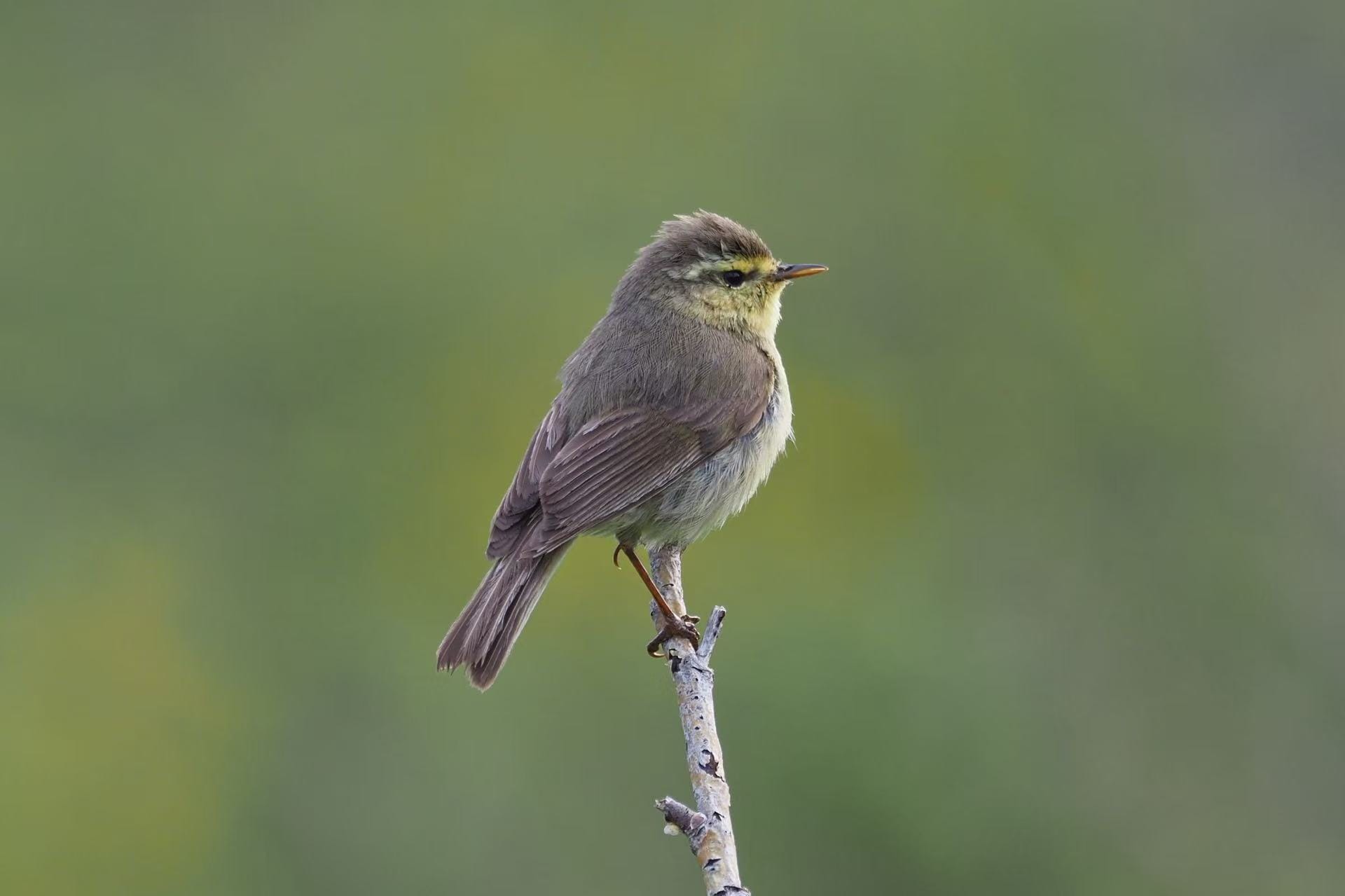
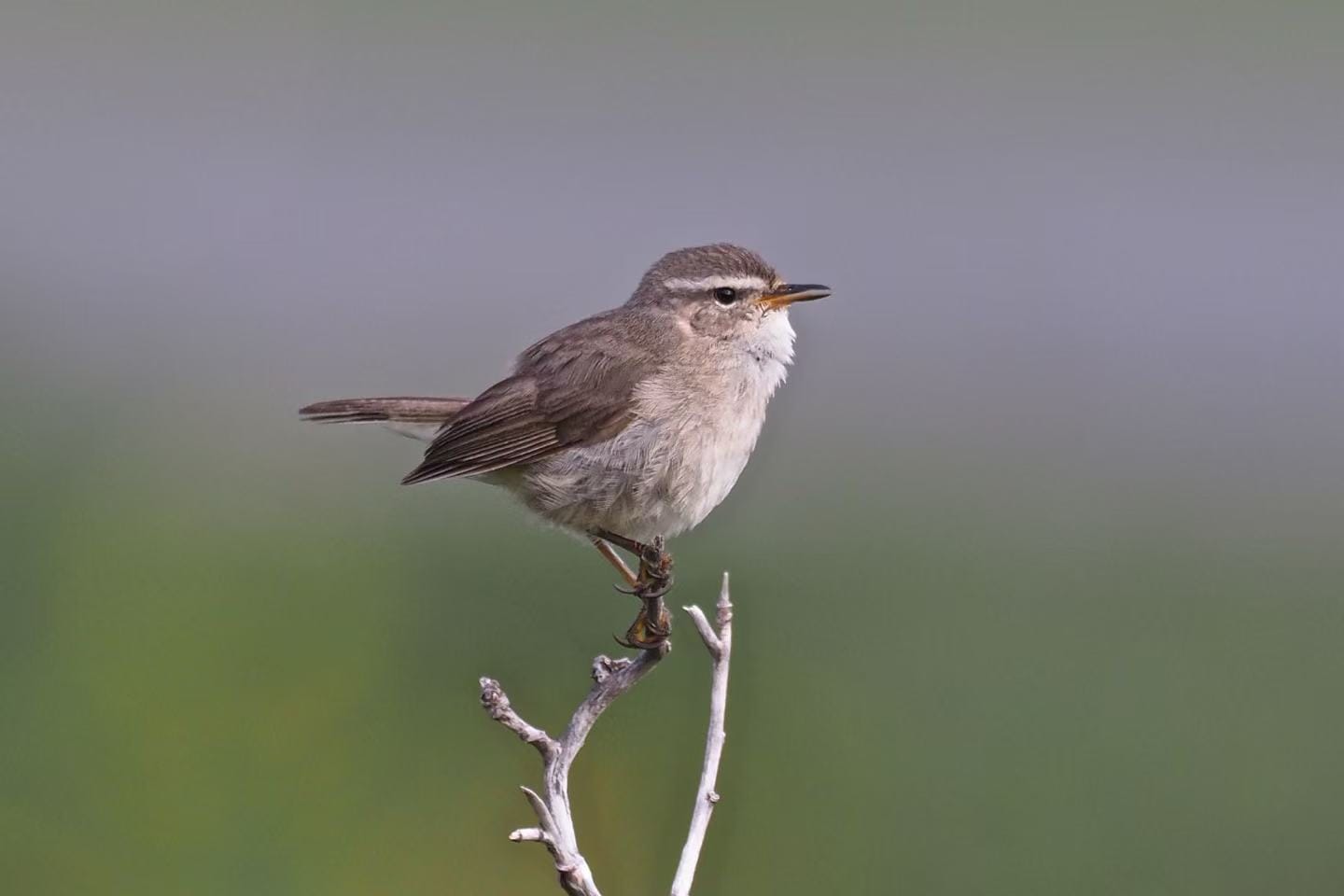
Main targets in Rubber Mountain: Przevalski’s Finch, White-browed Tit, White-rumped Snowfinch, Rufous-necked Snowfinch, Black-winged Snowfinch, Robin Accentor, Brown Accentor, Dusky Warbler, Tickell’s (Alpine) Leaf Warbler
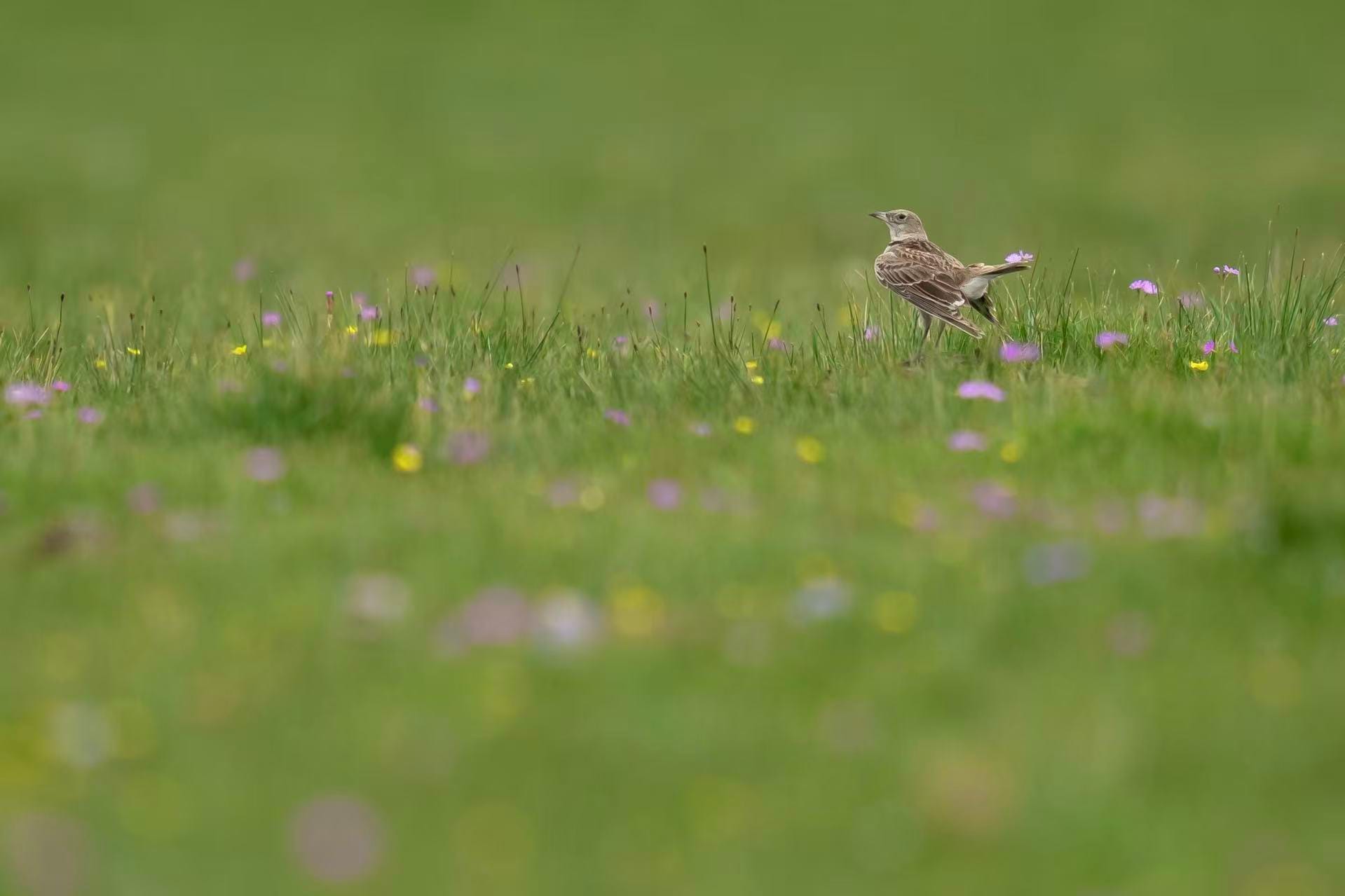
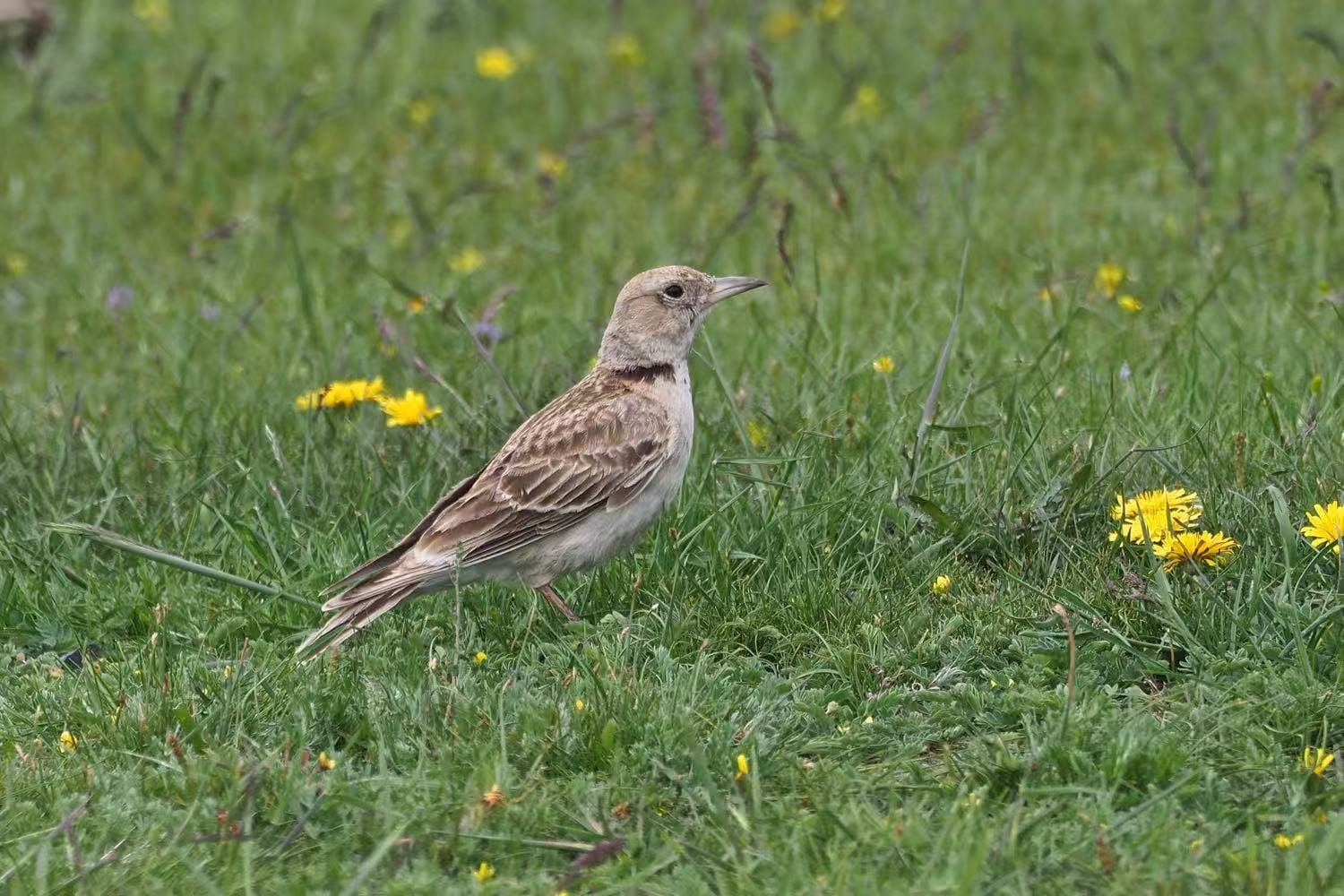
Main targets in Koko Nor (Qinghai Lake): Black-necked Crane, Pallas’s Fish Eagle, Bar-headed Goose, Brown-headed Gull, Ground Tit, Mongolian Lark, Hume’s Short-toed Lark, Tibetan Lark, Pere David’s Snowfinch, Pale Martin
Mammal highlight: Przewalski’s Gazelle
Overnight: Xining
Day 12 (Departure Day) — Optional morning birding around Xining
Optional short birding nearby Xining if your schedule allows. We suggest booking international flights departing after 14:00. End of tour.
Lhasa extension
Day 1 Lhasa airport pick up, check in hotel, visit Jokhang Monastery , Barkhor Street, night in Lhasa
Day 2 Morning birding in Luobulinka Park, visit Potala Palace in the afternoon, night in Lhasa
Main target birds in Luobulinka Park: Lord Derby’s Parakeet, Tibetan Blackbird
Day 3 Full day birding in Xiongse Monastery(Shugseb Nunnery) and around Lhasa, night in Lhasa
Main target birds in Xiongse Monastery: Prince Henri’s Laughingthrush, Giant Babax, Tibetan Eared Pheasant, Tibetan Snowcock
Day 4 Morning birding in Lhasa area if time allowed, then drive to airport send off, departure
Our Best of Sichuan Birding Tour is built on many years of guiding experience across this exceptionally bird-rich region of China. Sichuan is widely regarded as one of the country’s premier birding destinations, and this 20-day itinerary offers birders the opportunity to explore some of the most diverse and productive habitats in China. From city parks and bamboo forests to mossy conifer slopes and the vast Tibetan Plateau, we target as many of Sichuan’s specialties as possible, with up to 37 endemic and near-endemic bird species and around 300 bird species typically recorded during the tour.
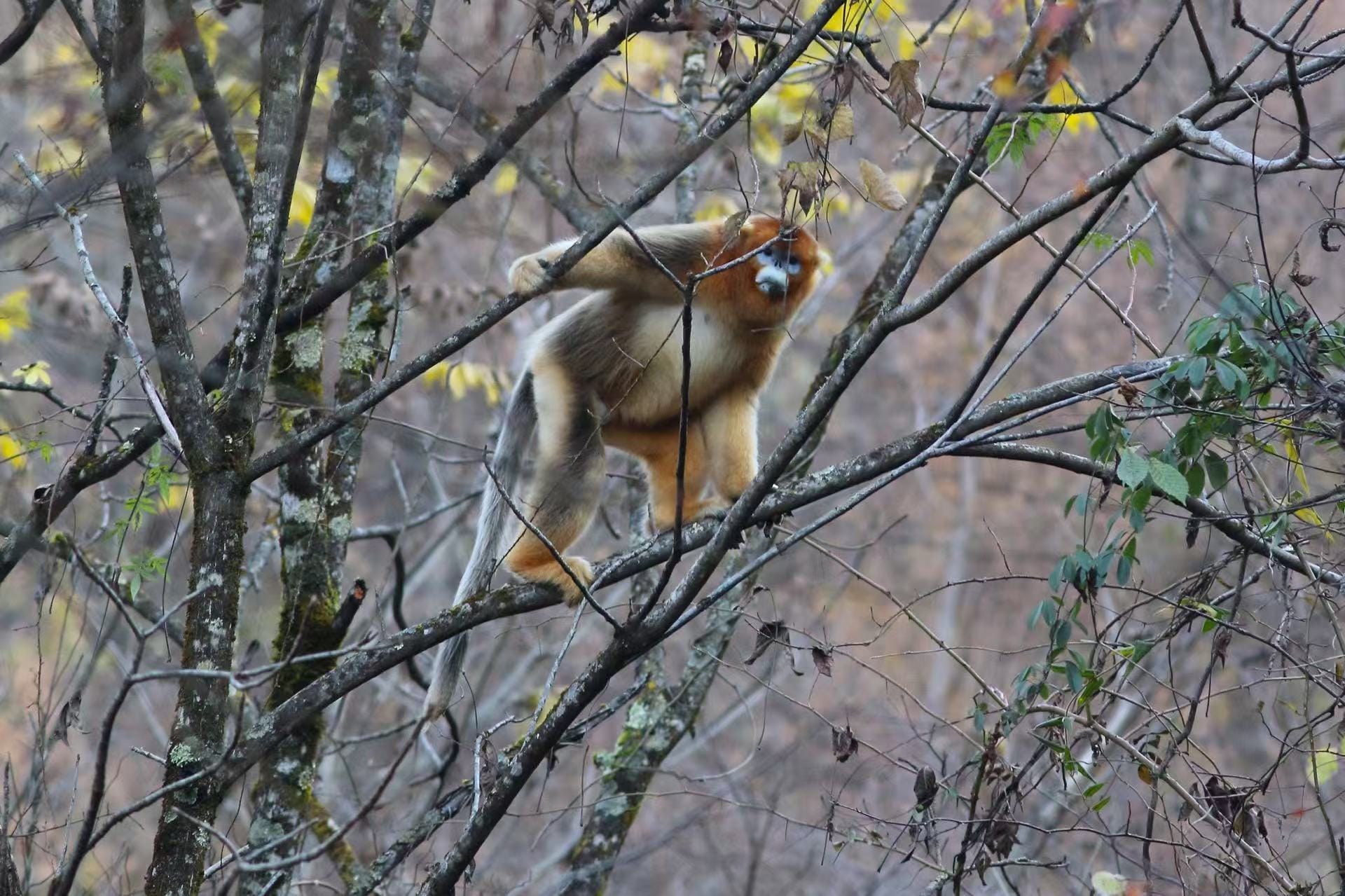
Expect spectacular scenery, excellent photographic opportunities, and the chance to encounter iconic mammals such as the Red Panda. This tour blends outstanding birdwatching, magnificent landscapes, and the unforgettable flavours of world-famous Sichuan cuisine, making it one of the most rewarding birding tours in China.
Tour Highlights
Expert-guided birding across Sichuan’s top sites
Up to 37 endemic bird species
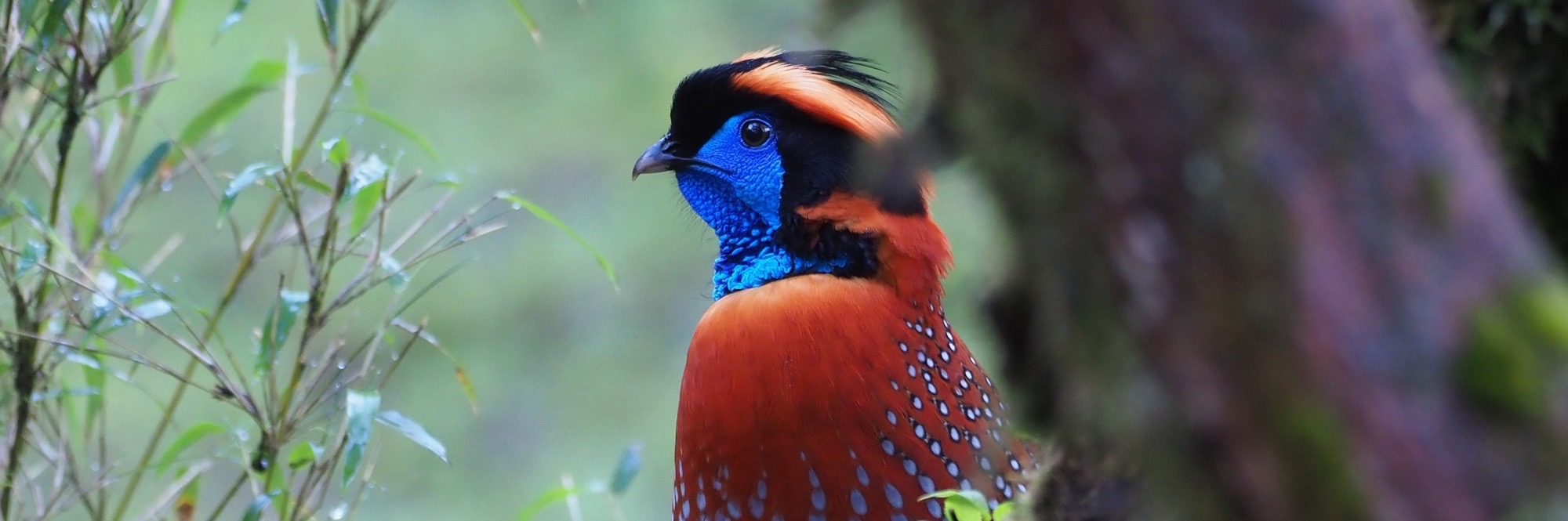
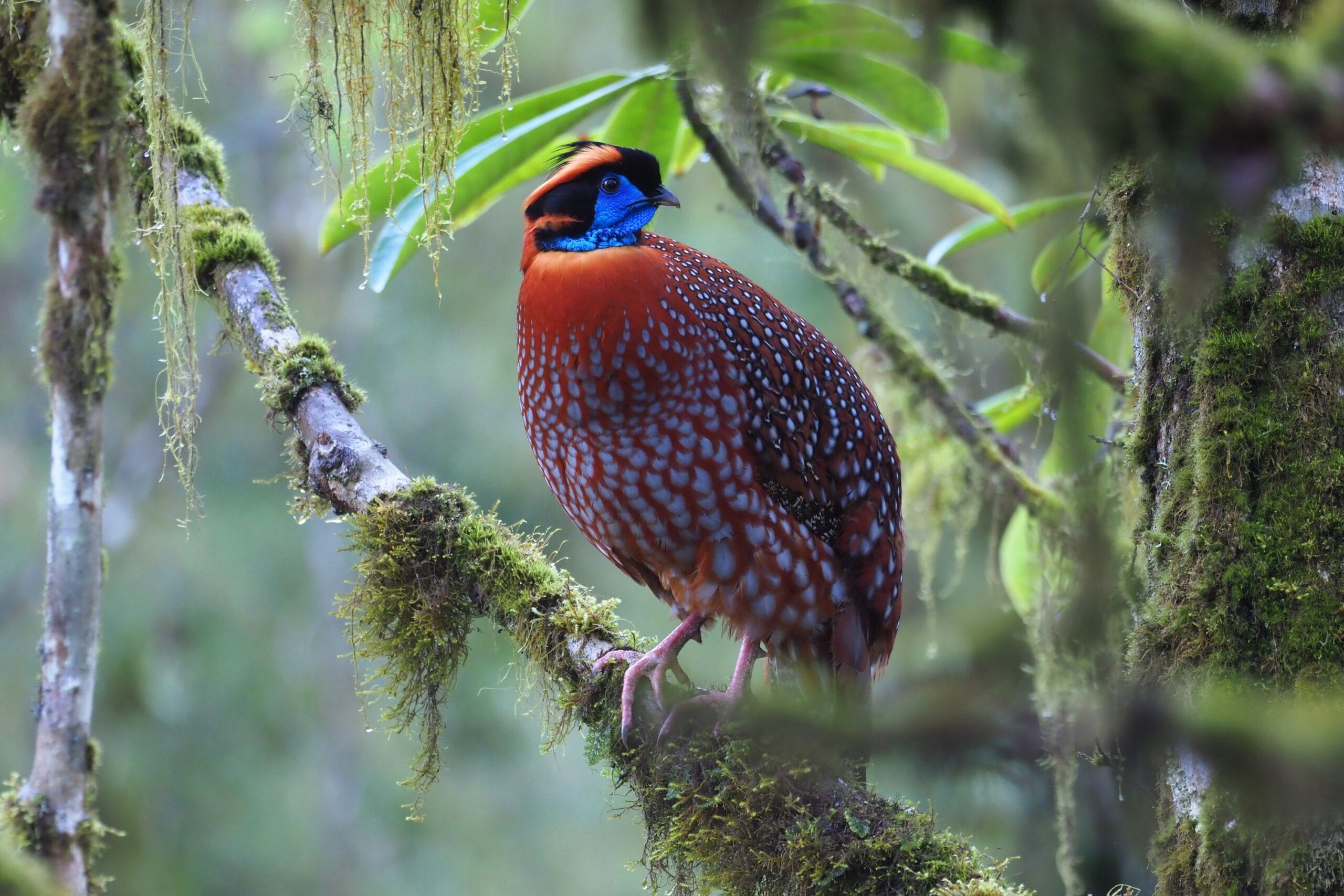
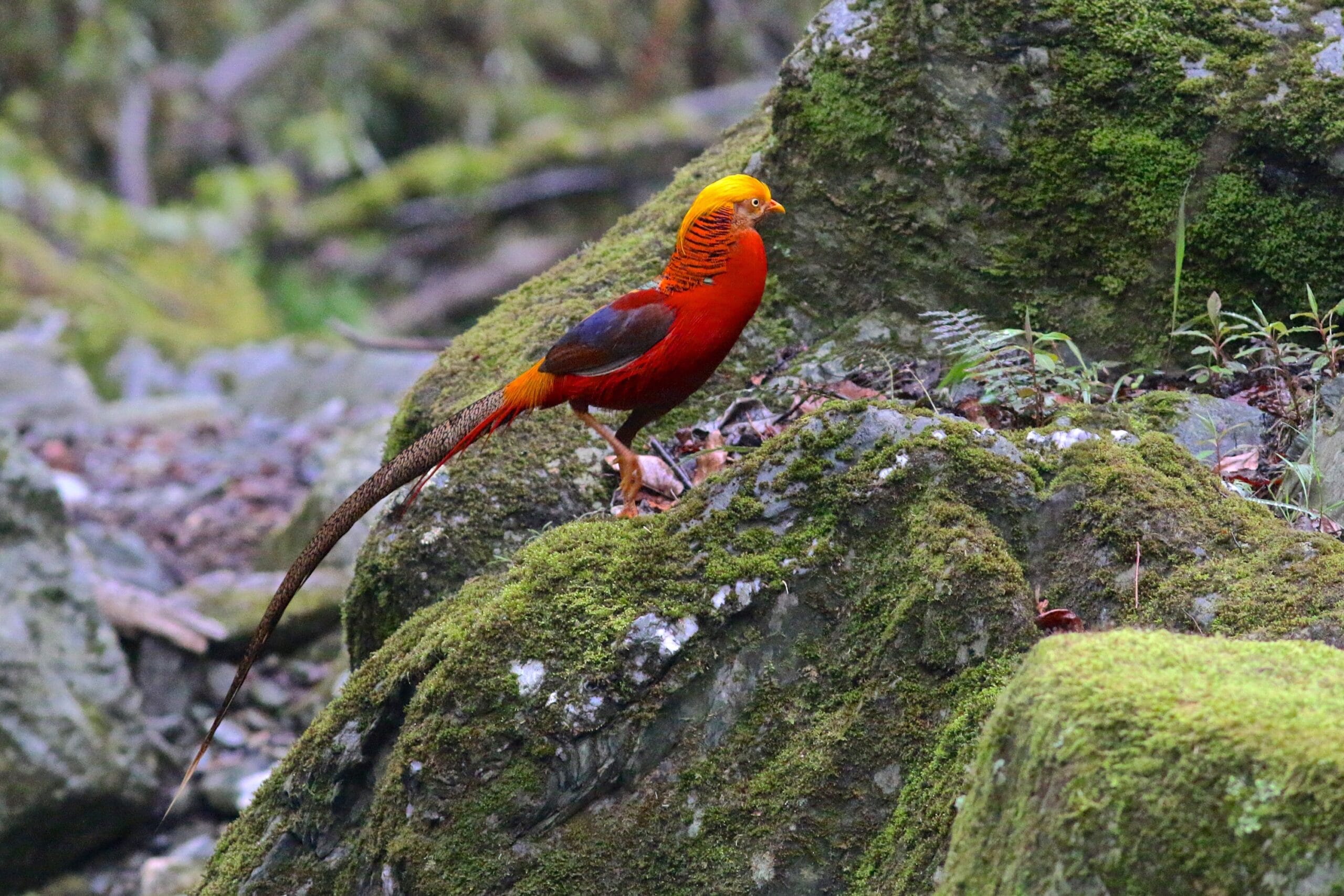
Over 15 pheasant species targeted, including Chinese Monal, Temminck’s Tragopan, and Golden Pheasant
Rich diversity of parrotbills, laughingthrushes, and breeding migrants such as flycatchers, robins, and warblers
High-altitude plateau specialties including Przevalski’s Finch, Ground Tit, Tibetan Lark, and Black-necked Crane
Excellent opportunities for pheasant photography from hides at selected sites
Tour Schedule & Departure Dates
2027 April 28-May 17 (20 days) Bird guide : Summer Wong , private tour, tour is full
2027 May 19-June 7 (20 days) Bird guide : Summer Wong , scheduled tour, group limit : 10 pax, cost: 4300 USD, tour is full
2027 June 9-June 28 (20 days) Bird guide : Summer Wong , scheduled tour, group limit : 10 pax, cost: 4300 USD
2028 April 28-May 17 (20 days) Bird guide : Summer Wong , scheduled tour, group limit : 10 pax, cost: 4500 USD
2028 May 19-June 7 (20 days) Bird guide : Summer Wong , private tour, tour is full
2028 June 9-June 28 (20 days) Bird guide : Summer Wong , scheduled tour, group limit : 10 pax, cost: 4500 USD
Besides our scheduled and private tours, we also offer budget-friendly birding tours. If you are an international birding company looking for a reliable ground operator in China, please feel free to contact us for rates and further details.
Deposit : USD 500 per person
Single Room Supplement (19 nights) :USD 600 per person (2027), USD 700 per person (2028)
Tour Cost Includes:
All ground transportation by private car/van/coach
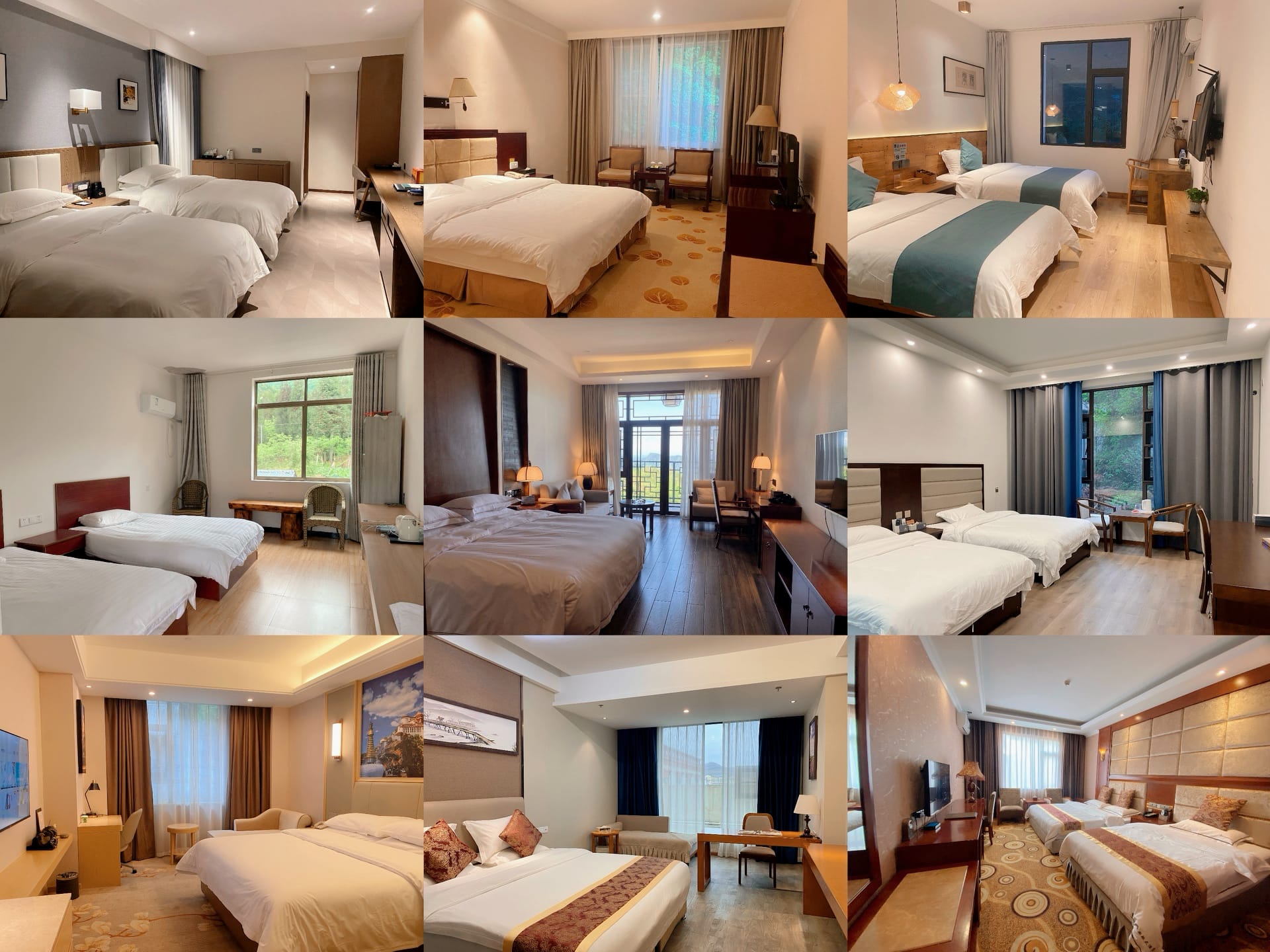
Accommodation in twin-share or single rooms, all with private facilities
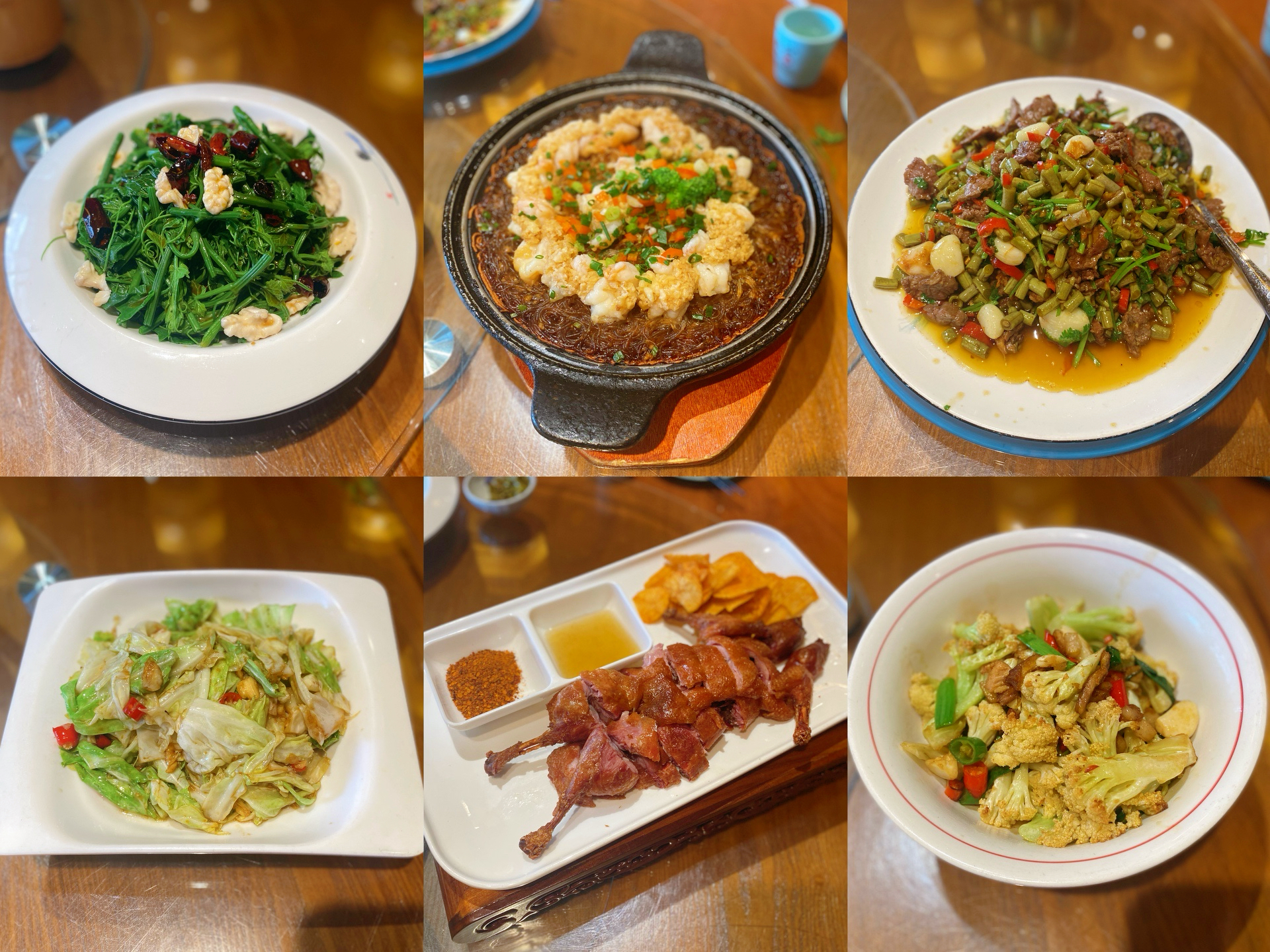
All meals (including daily bottled water, packed breakfasts, and lunches/dinners mostly at local restaurants)
All necessary entrance tickets, hide fees, cable car/shuttle bus fees on tour and nature reserve permits
All guide and driver expenses (meals, accommodation, and service fees)
Tour Cost Excludes:
International and domestic flights
Visa and Travel insurance
Soft drinks and alcoholic beverages
Tips for local staff
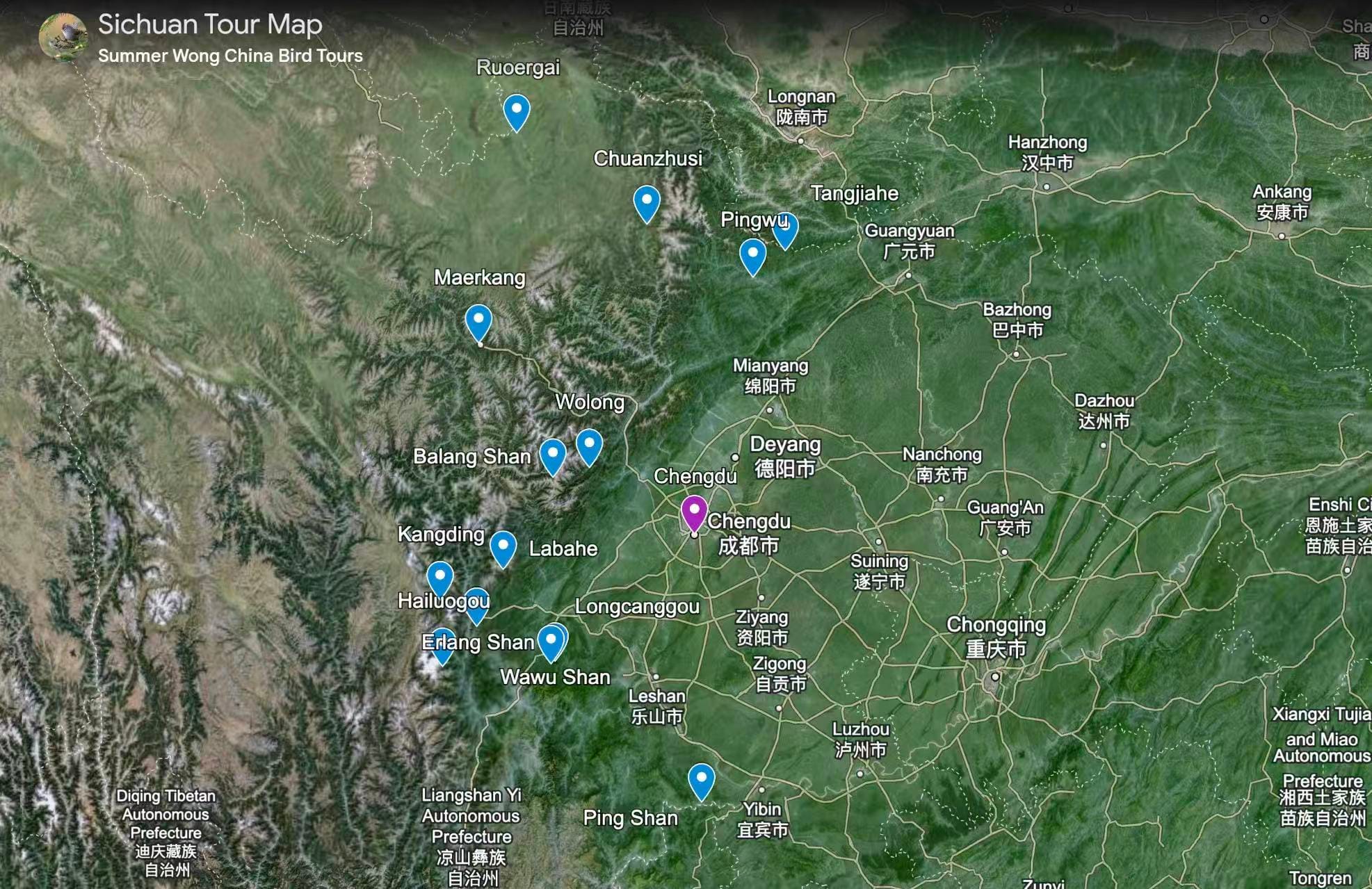
Scroll down to check out the itinerary, map, photos of hotel, food & vehicle, plus birds, mammals, and stunning scenery
Detailed Daily Itinerary & Highlight Birds
Day 1 (Arrival Day)— Chengdu Chengdu TFU / CTU airport pickup and transfer to the hotel. Overnight: Chengdu
Day 2 — Chengdu park (AM) → Tangjiahe (PM) Morning park birding in Chengdu, after lunch then drive to Tangjiahe.
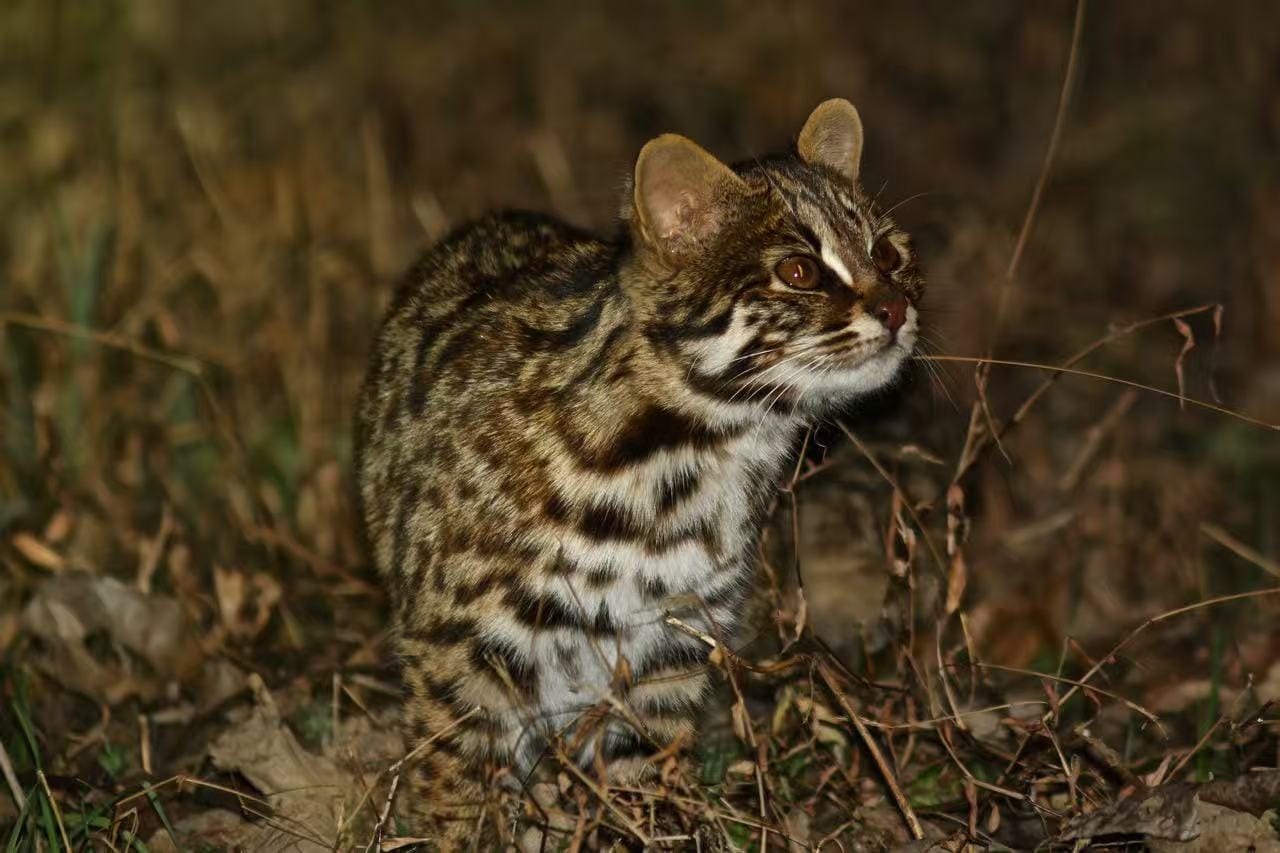
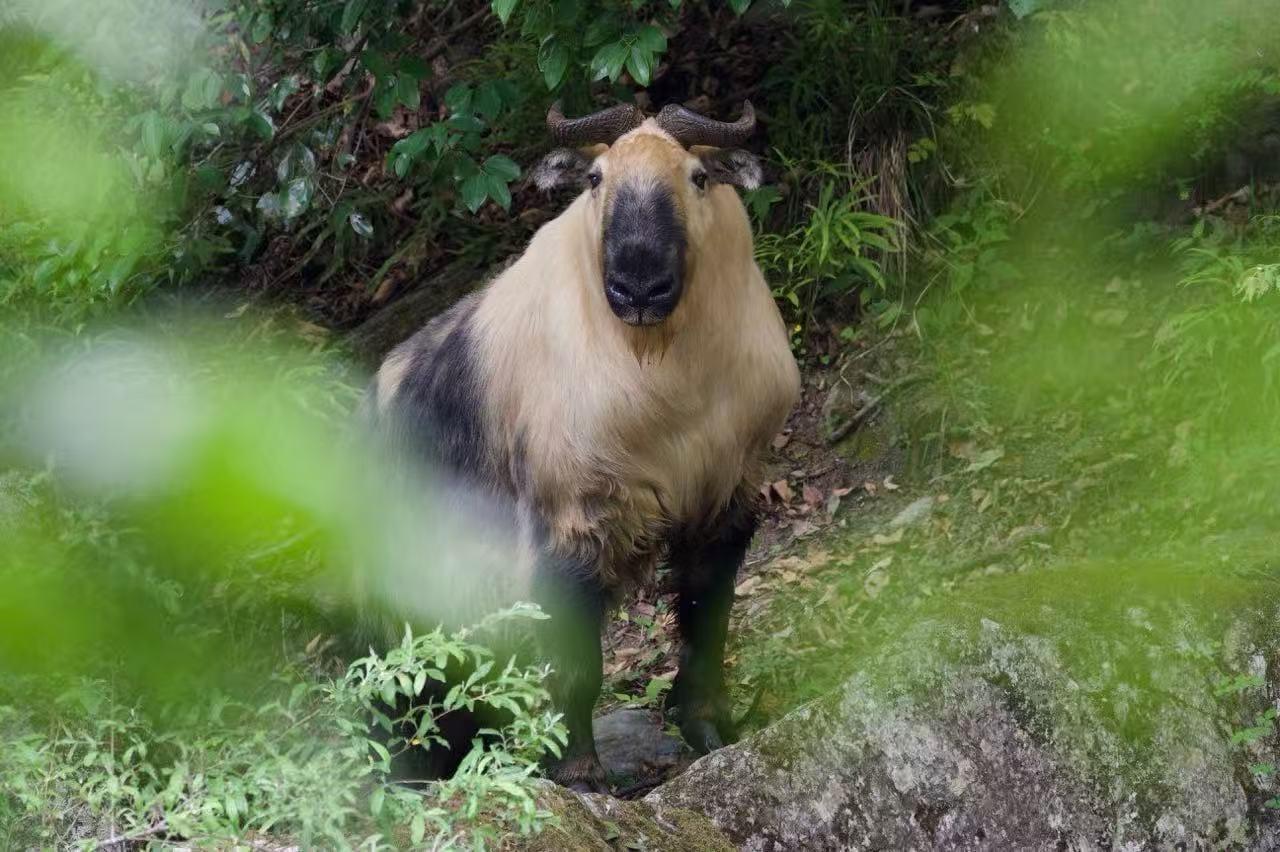
Chengdu Highlight birds: Chinese Bamboo Partridge, Vinous-throated Parrotbill, Ashy-throated Parrotbill, Chinese Grosbeak, Yellow-rumped Flycatcher, Tiger Shrike, White-browed Laughingthrush, Chinese Blackbird, Chinese Bulbul, possible Swinhoe’s Minivet. Tangjiahe highlights: Golden Pheasant, Slaty Bunting, Tawny Fish Owl, Brown Dipper, Sulphur-breasted Warbler, Alström’s Warbler, Little Forktail, Spot-breasted Parrotbill, Zappey’s Flycatcher. Mammals: Takin, Tufted Deer, Reeve’s Muntjac, Chinese Goral, Yellow-throated Marten, (rare) Black Bear. Overnight: Tangjiahe
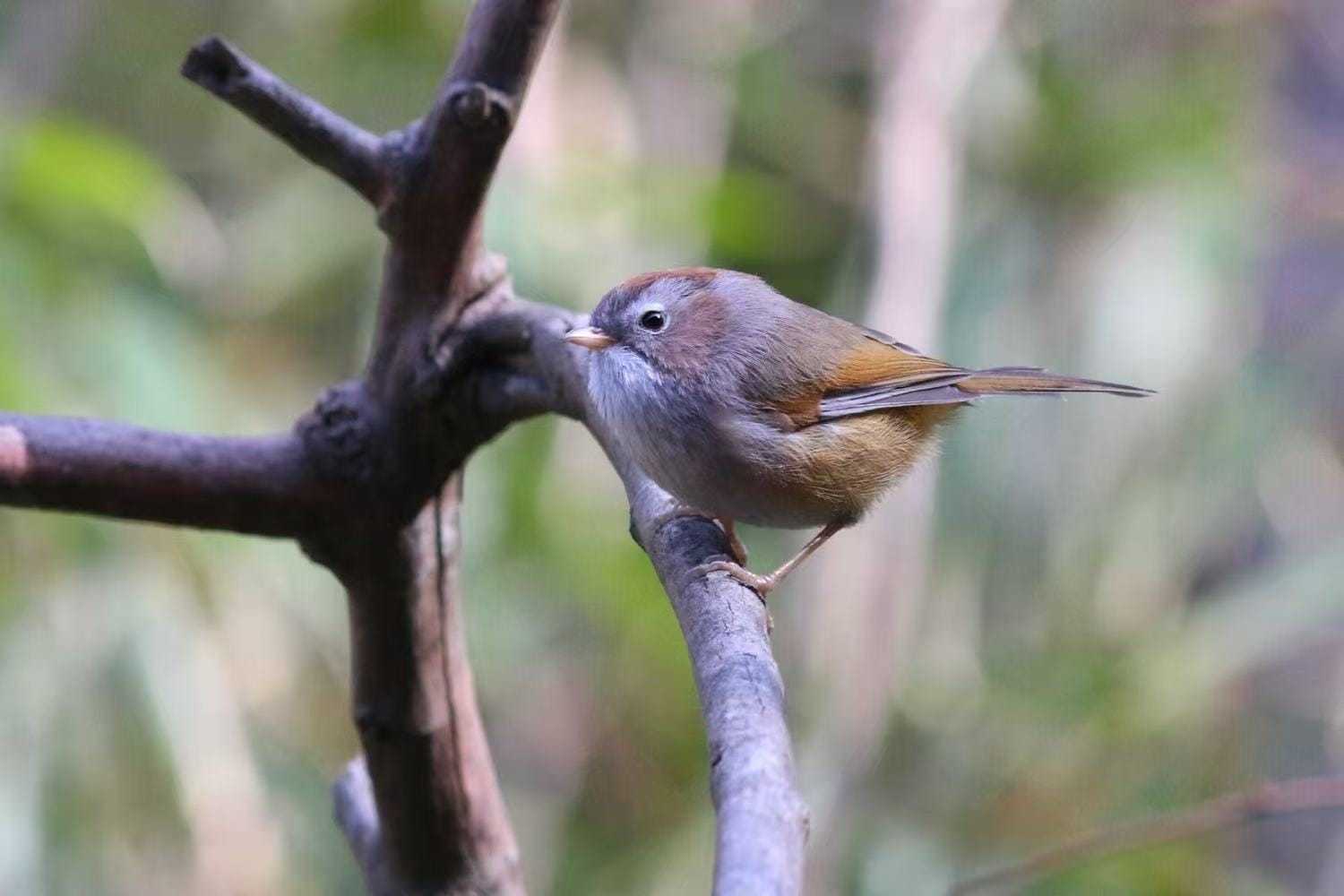
Day 3 — Tangjiahe (AM) → Drive with roadside birding → Chuanzhusi (PM) Morning birding in Tangjiahe; drive west with stops for woodland and roadside species. En-route highlights: Zappey’s Flycatcher, Spectacled Fulvetta, Spot-breasted Parrotbill. Chuanzhusi approach: Begin searching for montane targets. Overnight: Chuanzhusi
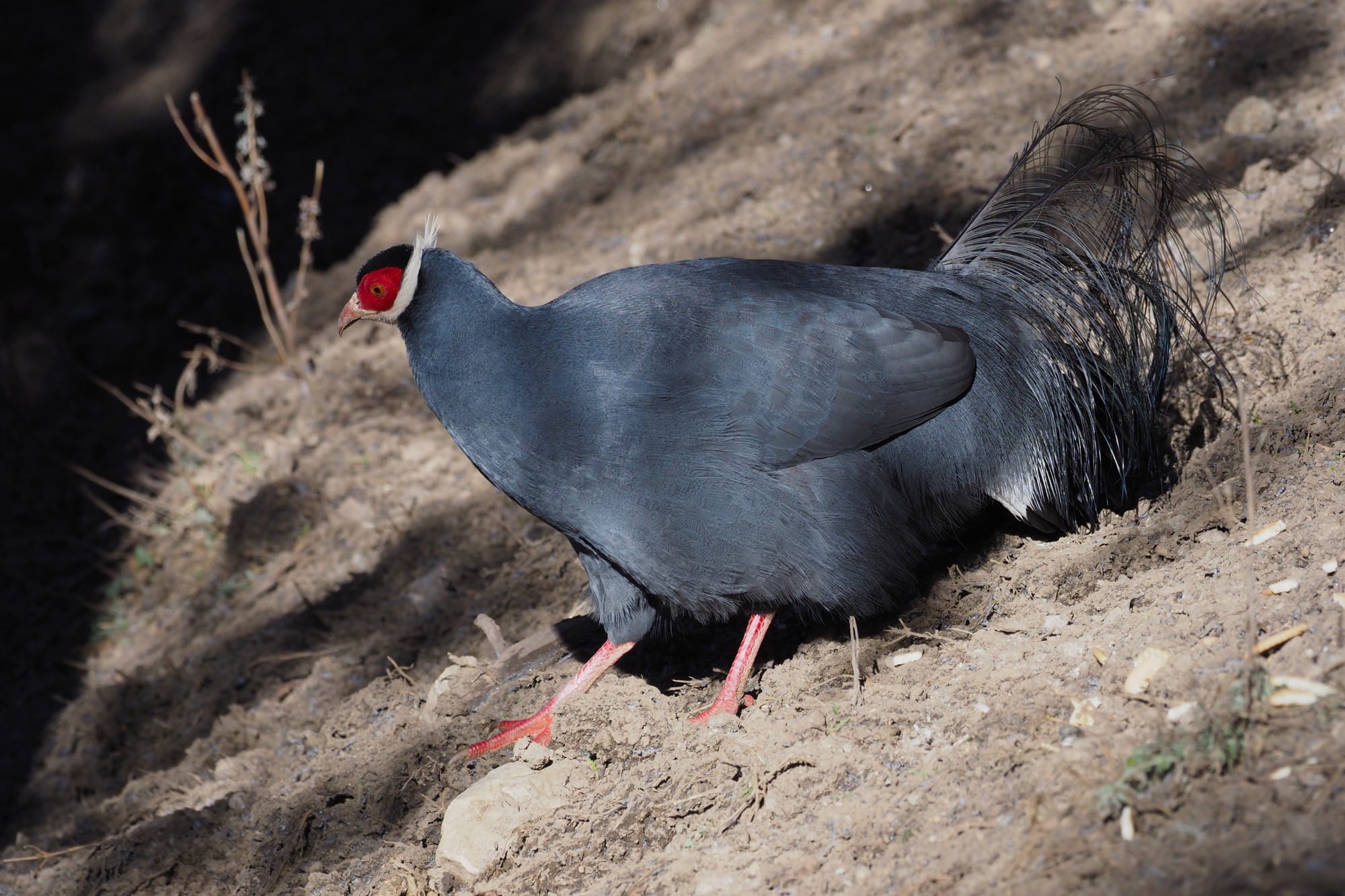
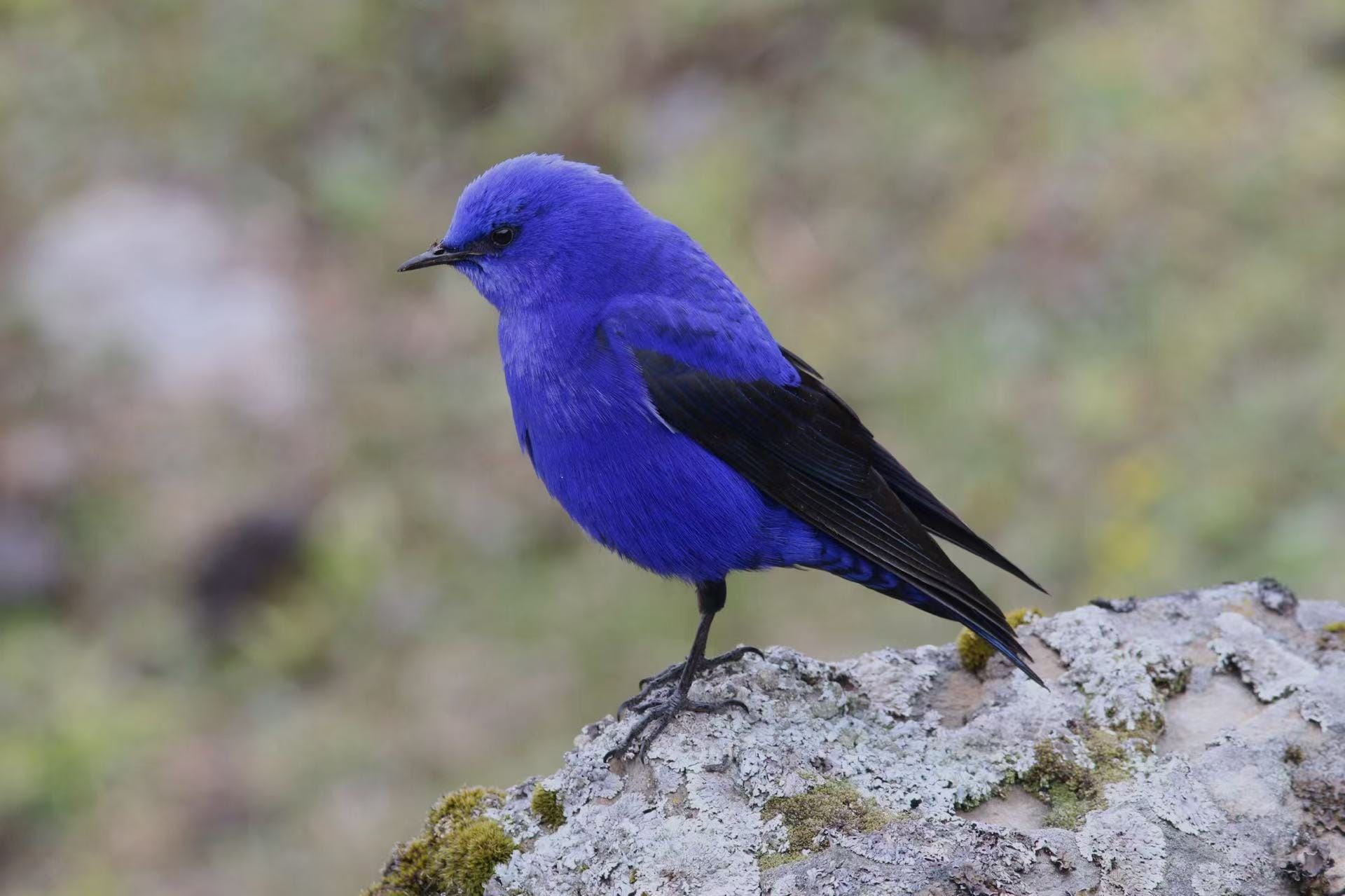
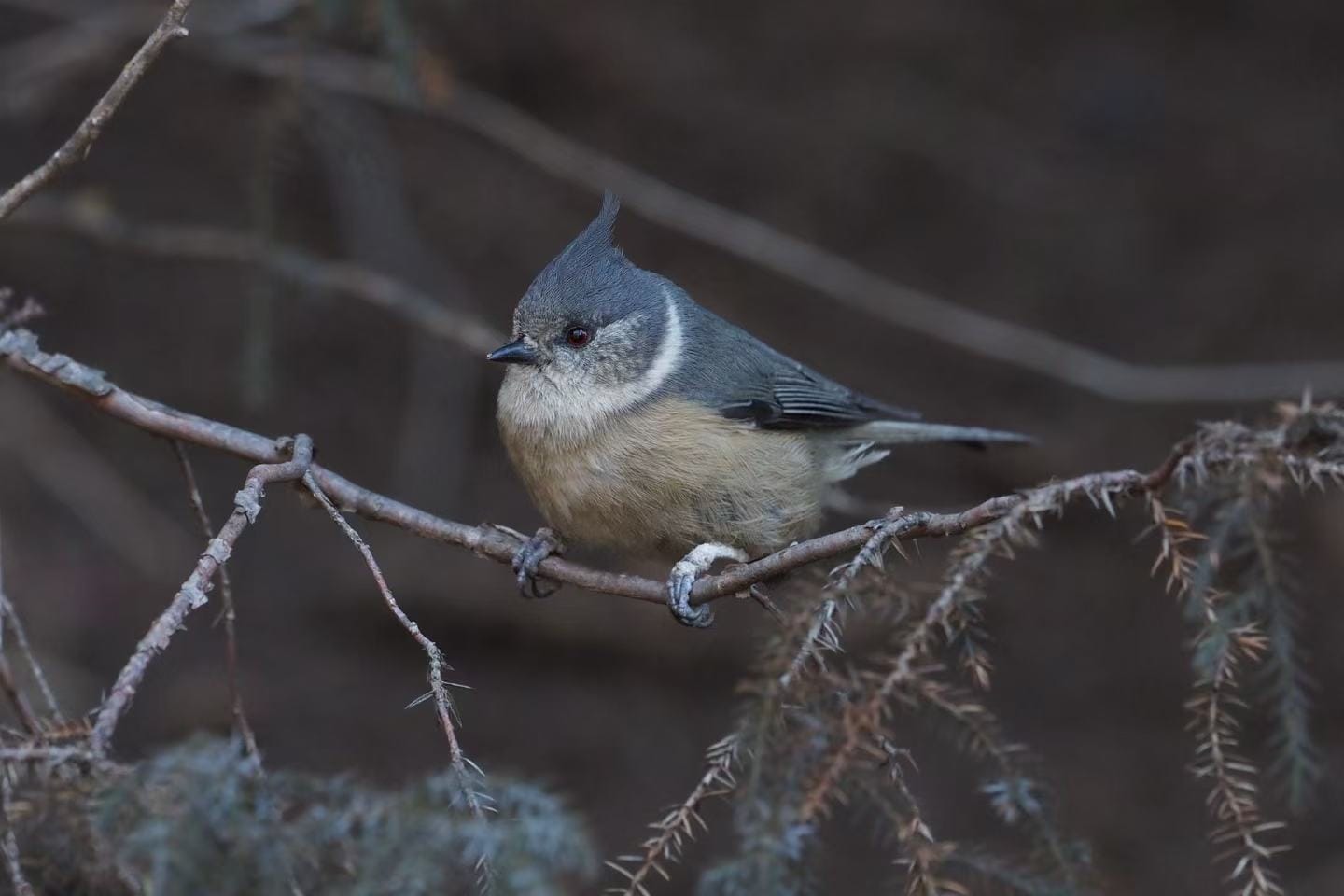
Day 4 — Chuanzhusi (AM) →Drive to Ruoergai (PM) Early forest and ridgeline birding in Chuanzhusi before a northward drive to Ruoergai. Chuanzhusi highlights: Tibetan Snowcock, Blue-eared Pheasant, Grandala, Siberian Rubythroat, Chinese Rubythroat, White-bellied Redstart, Red-fronted Rosefinch, Streaked Rosefinch, White-browed Tit-Warbler, Crested Tit-Warbler, White-browed Tit, Salim Ali’s Swift. Overnight: Ruoergai
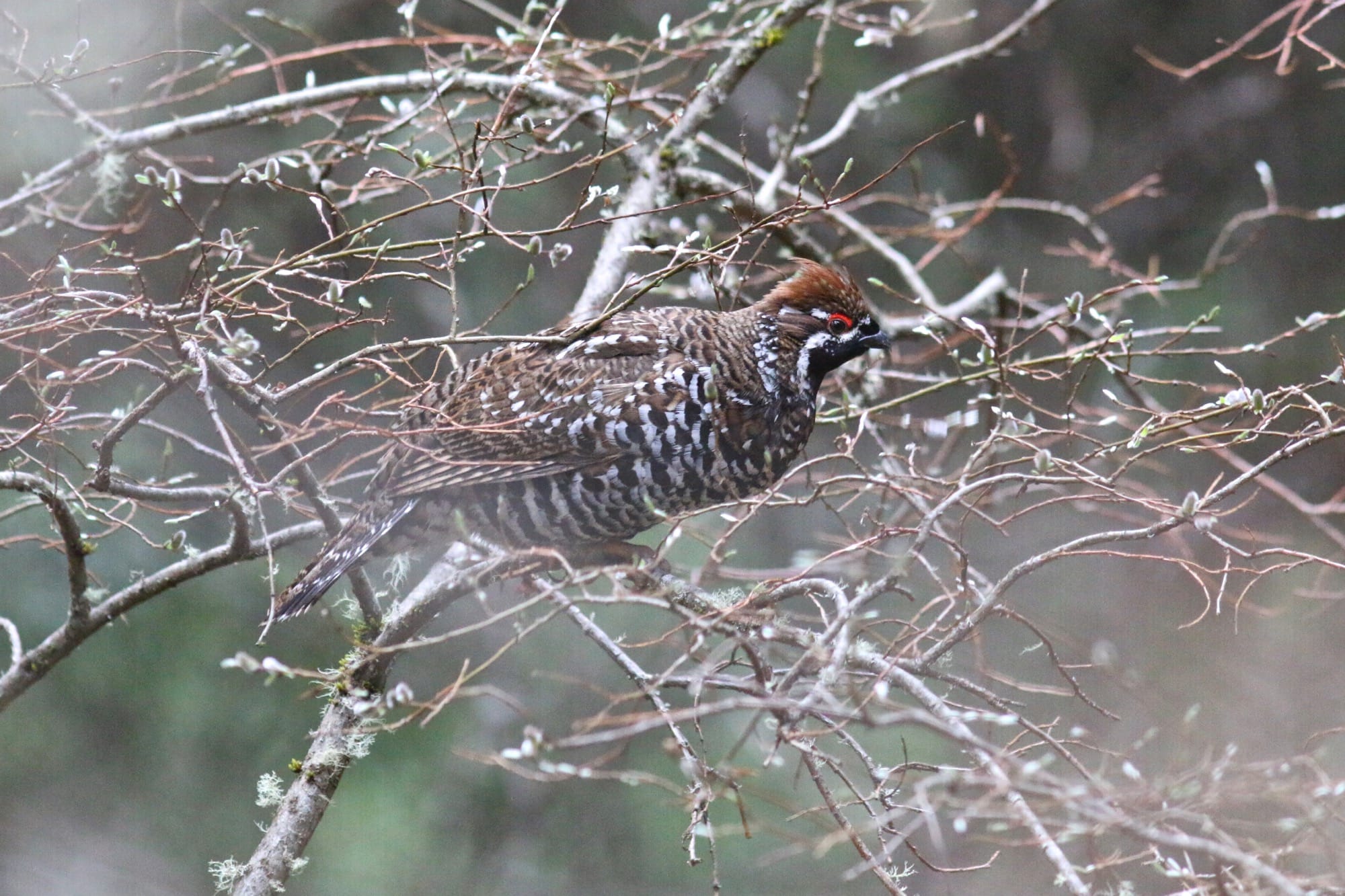
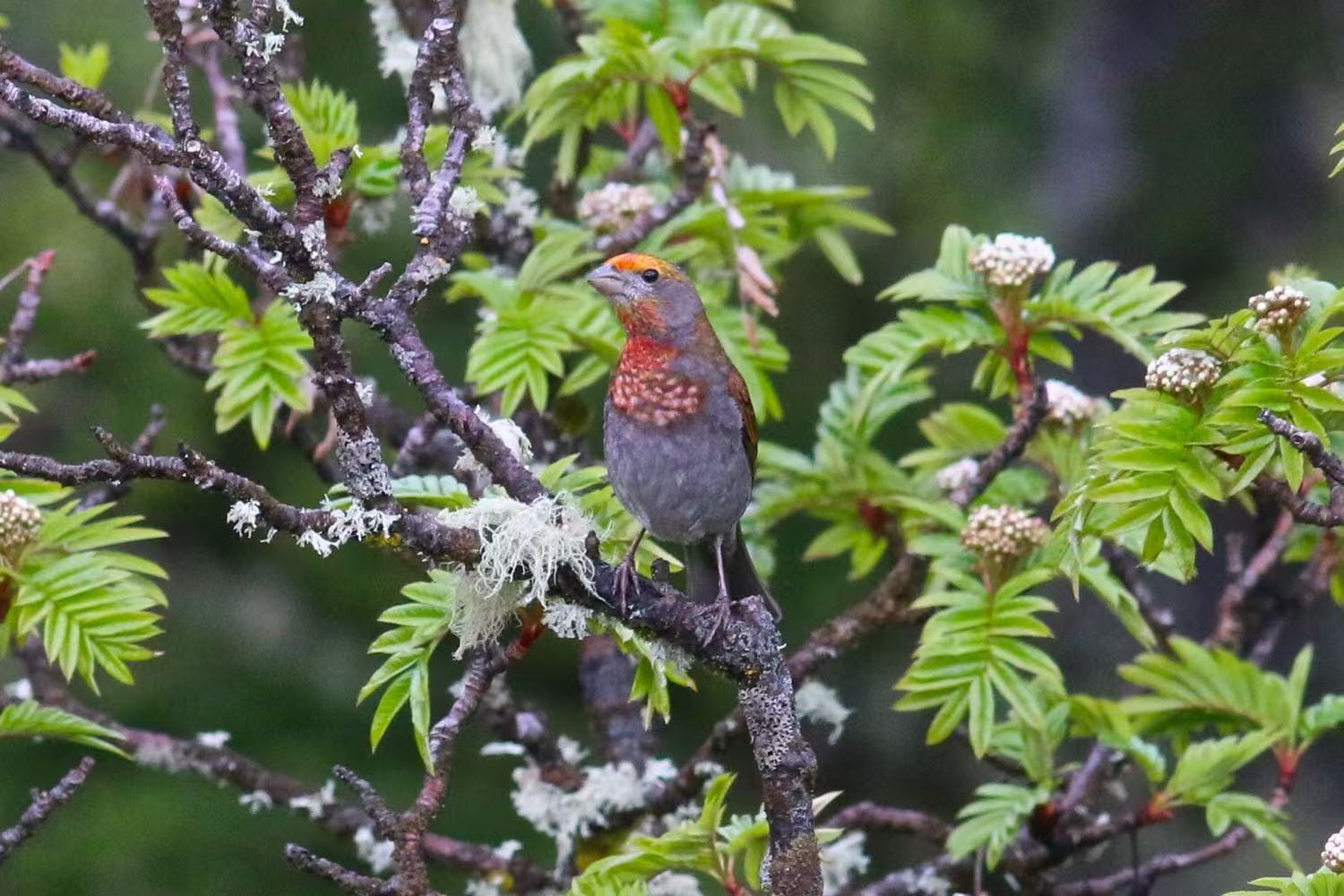
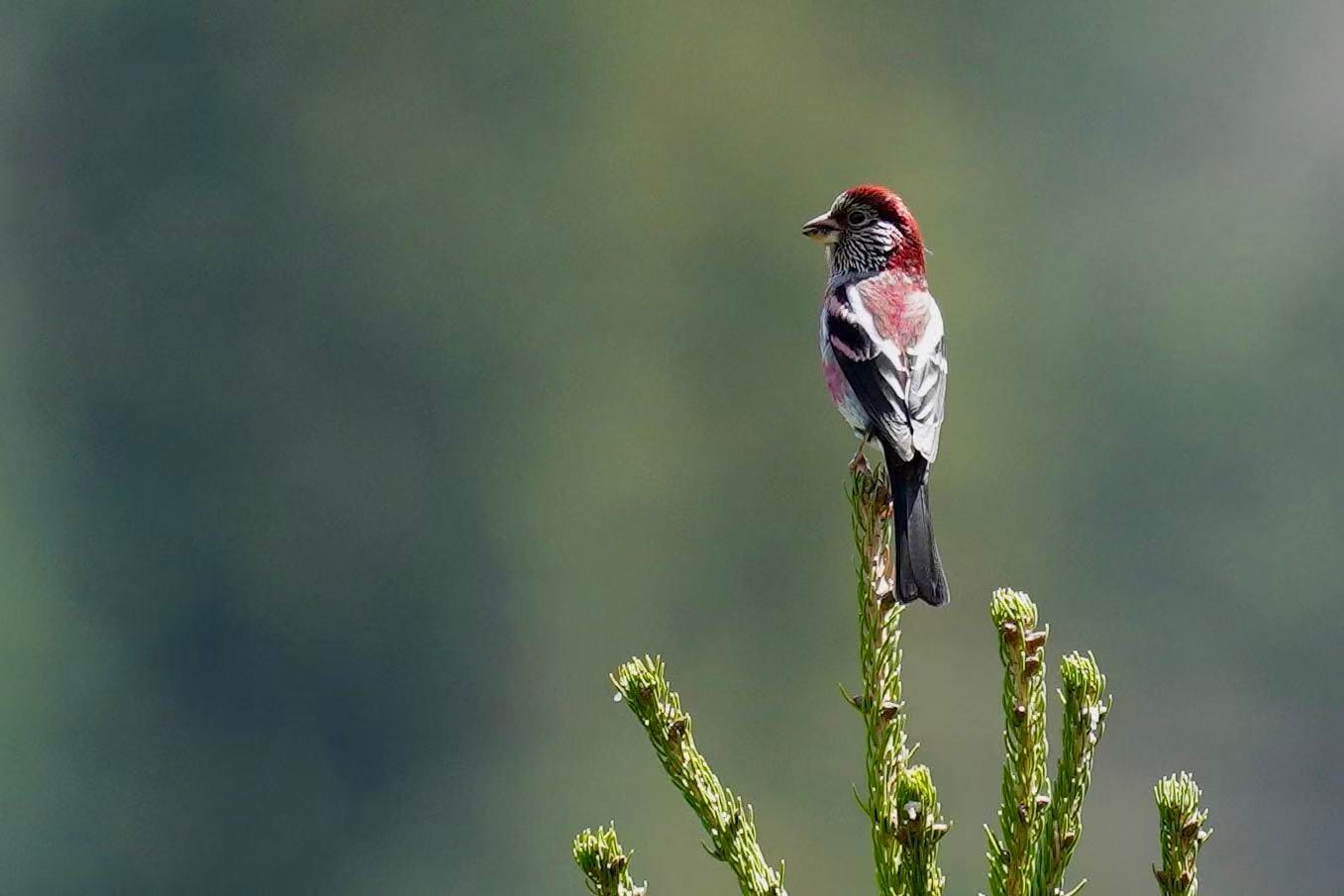
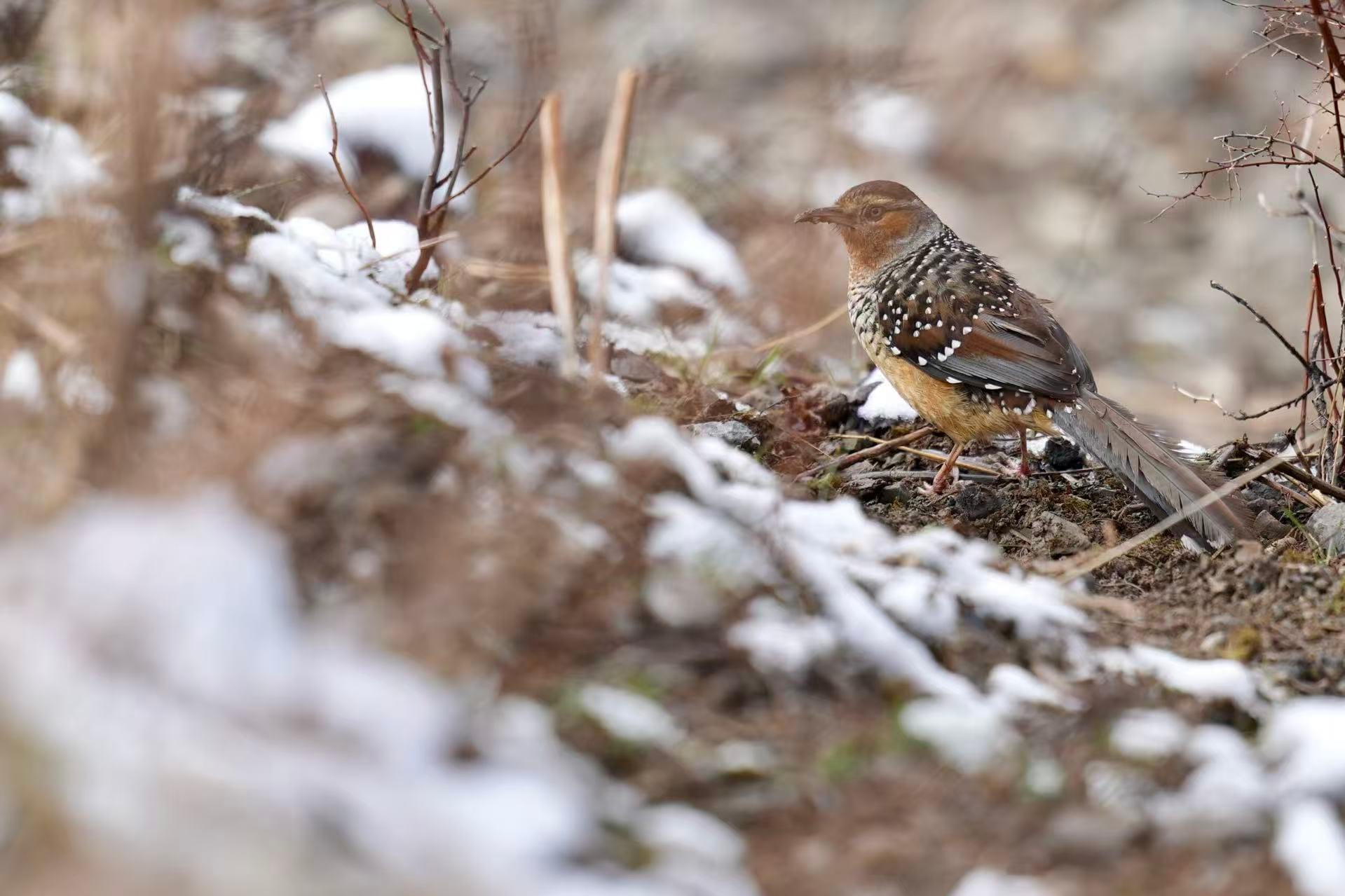
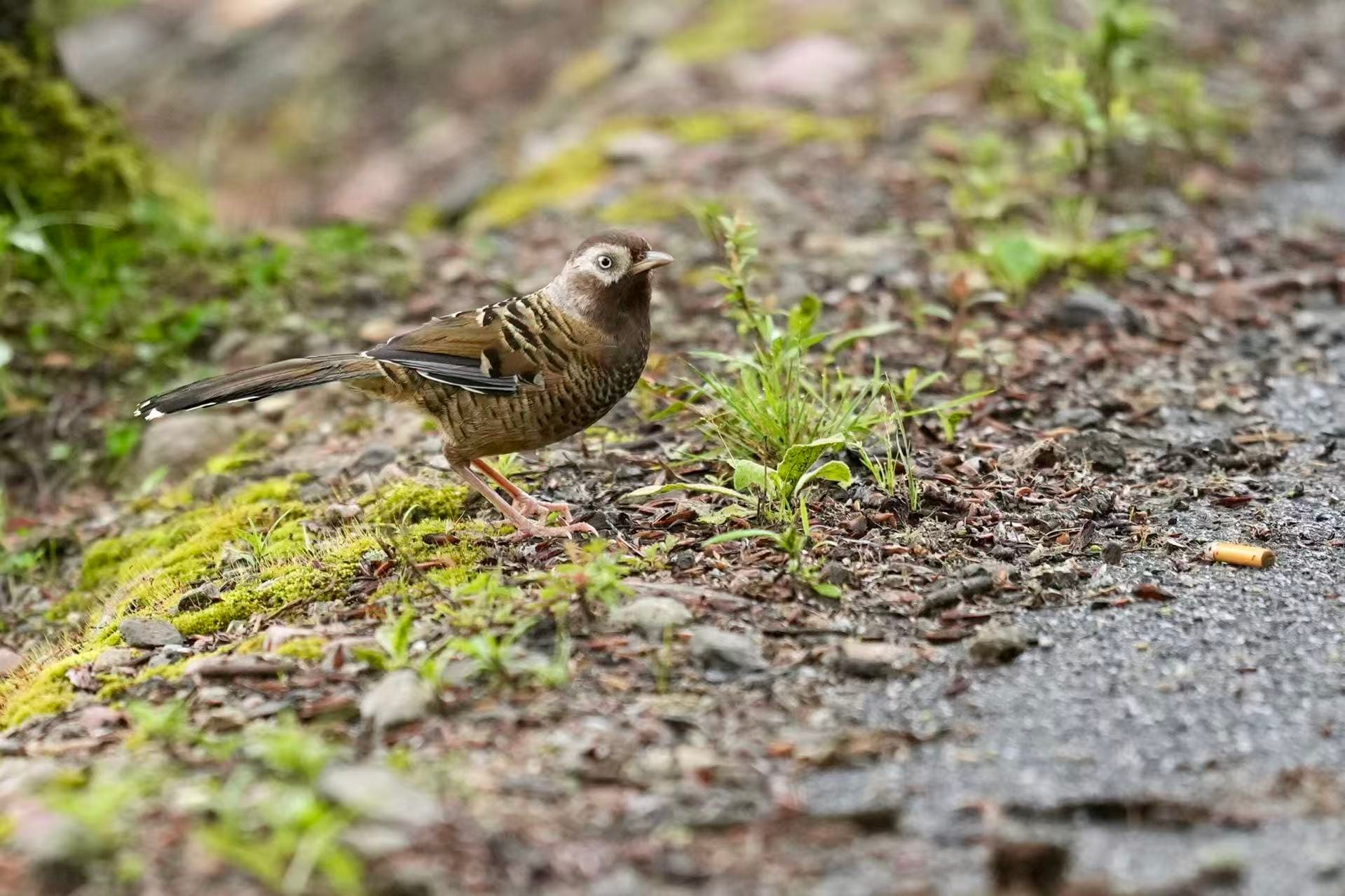
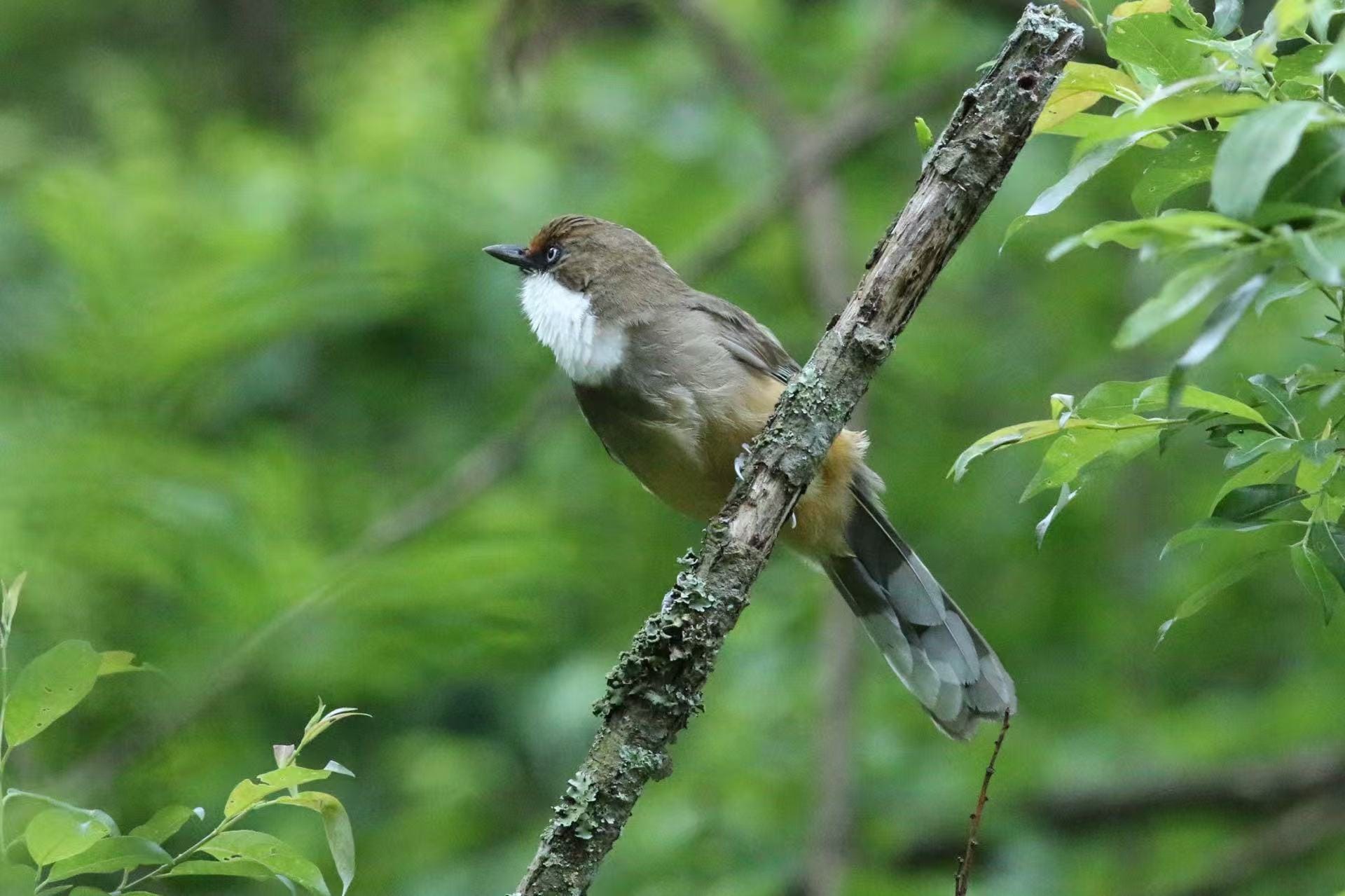
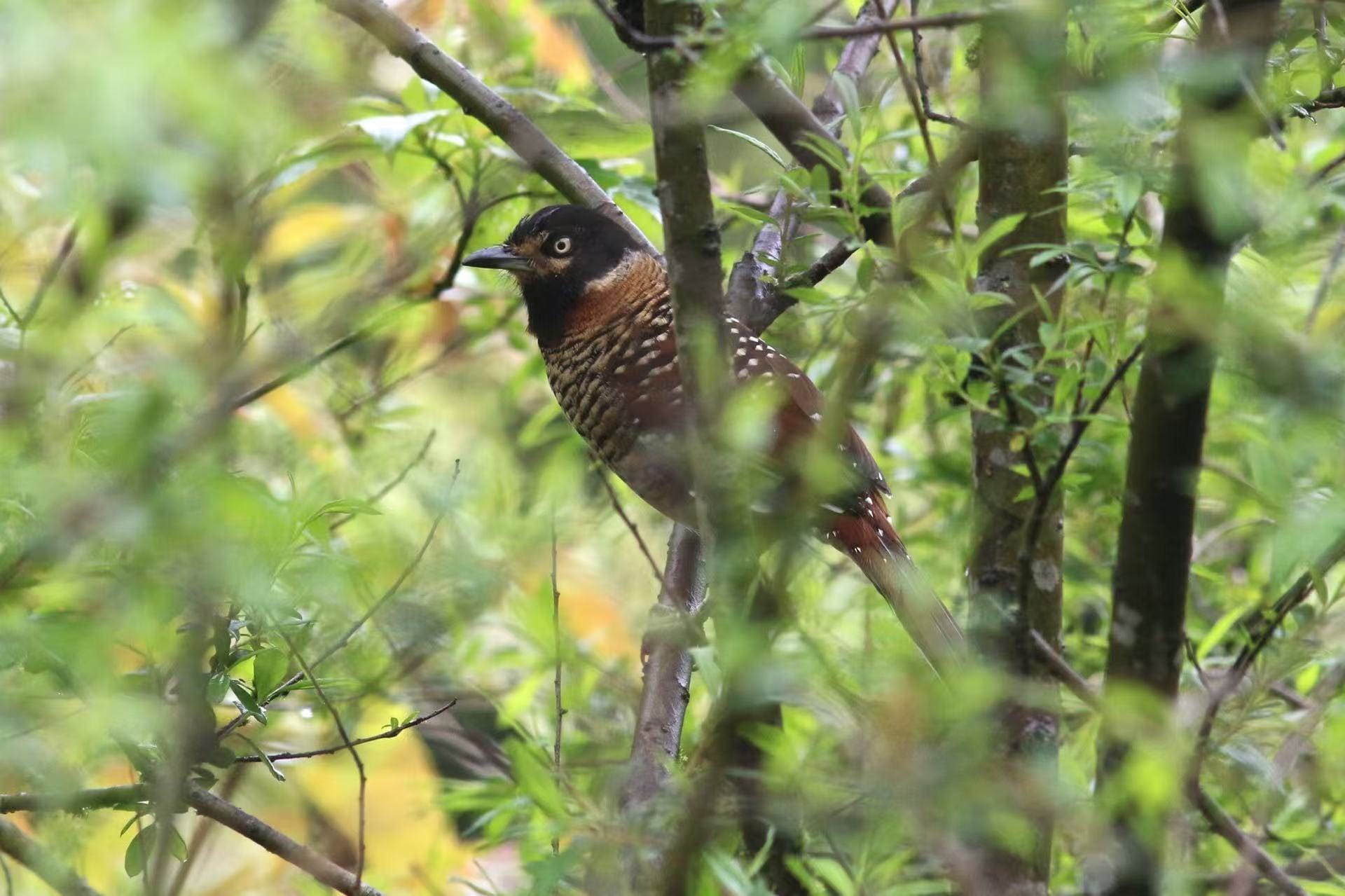
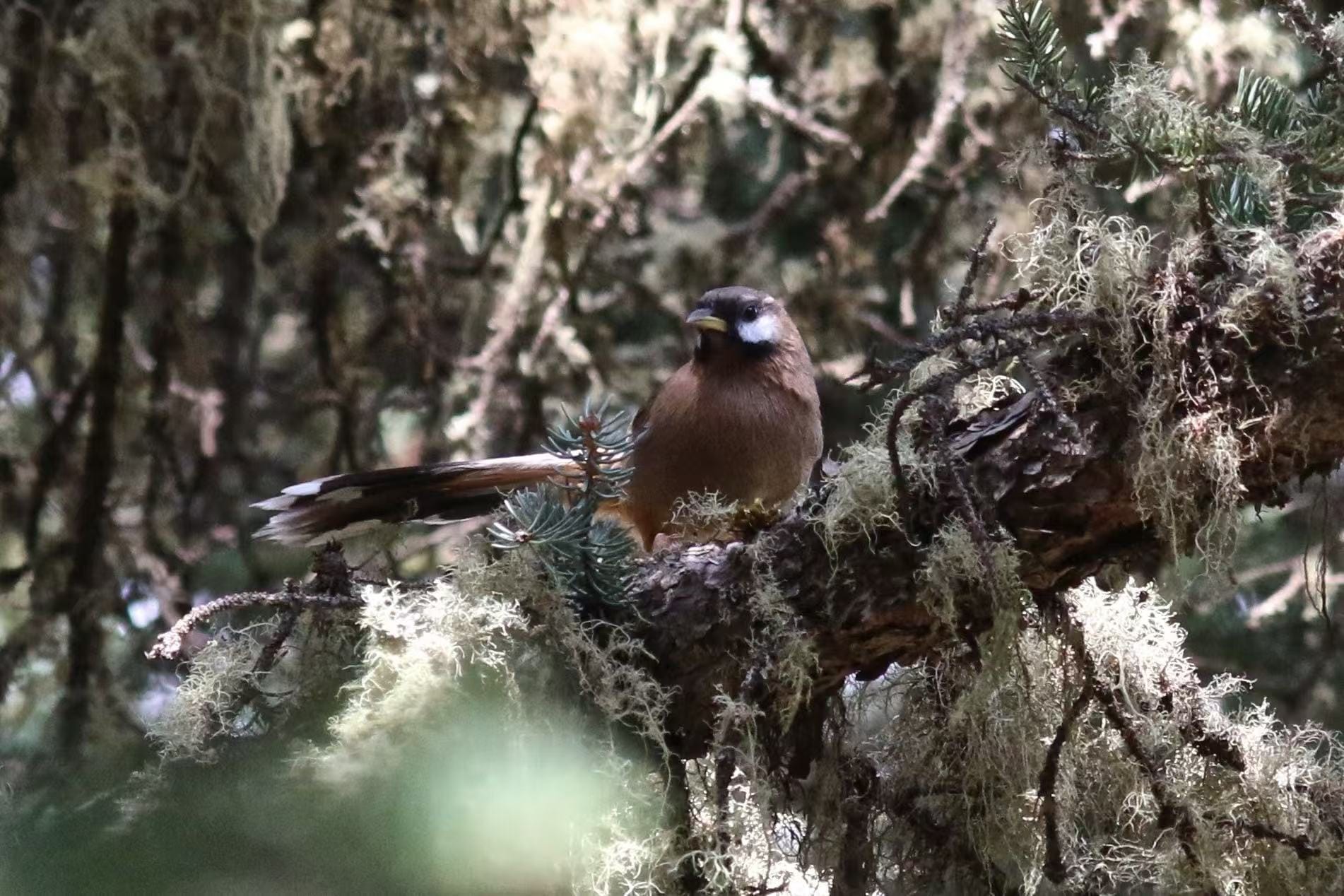
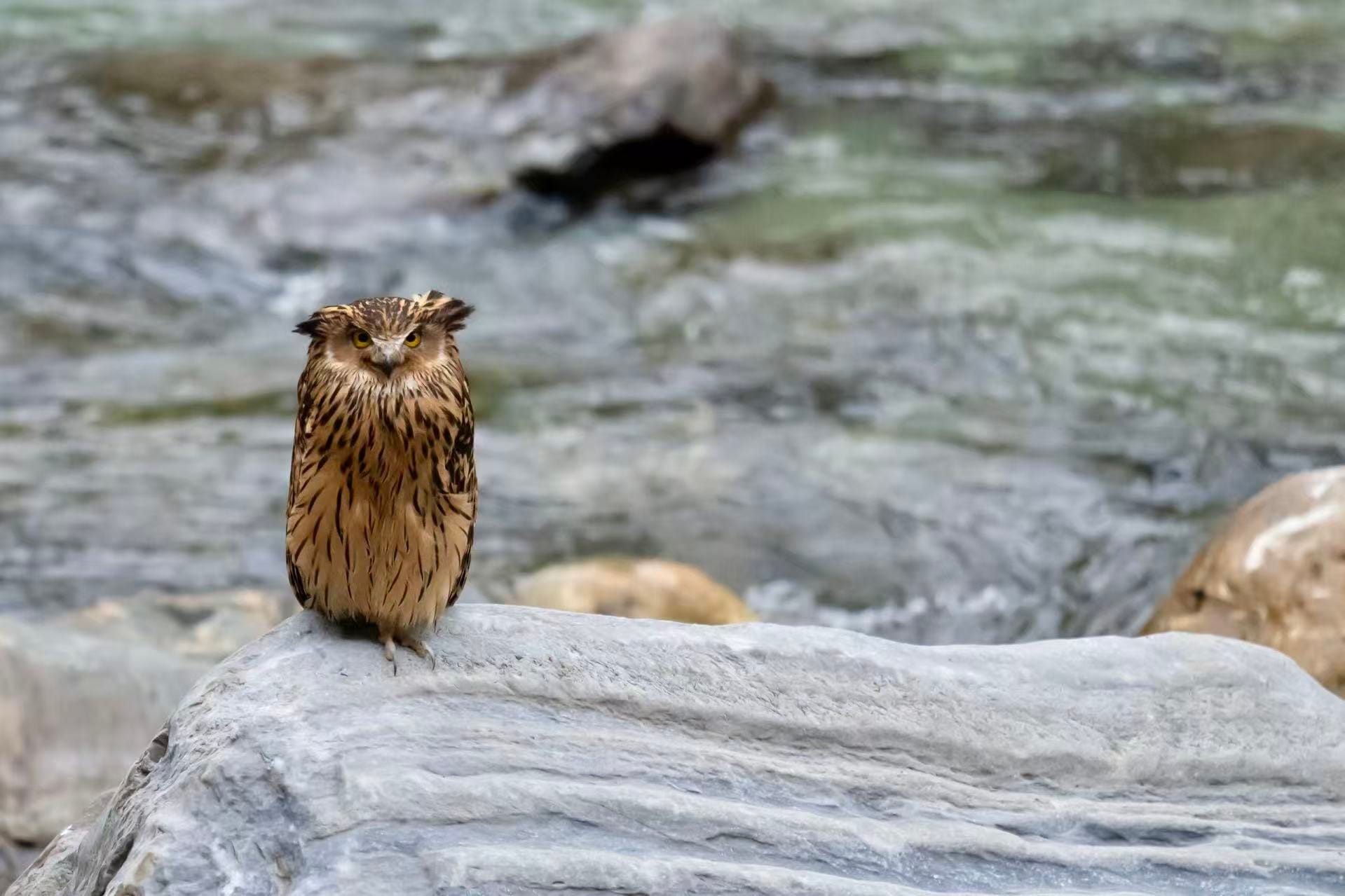
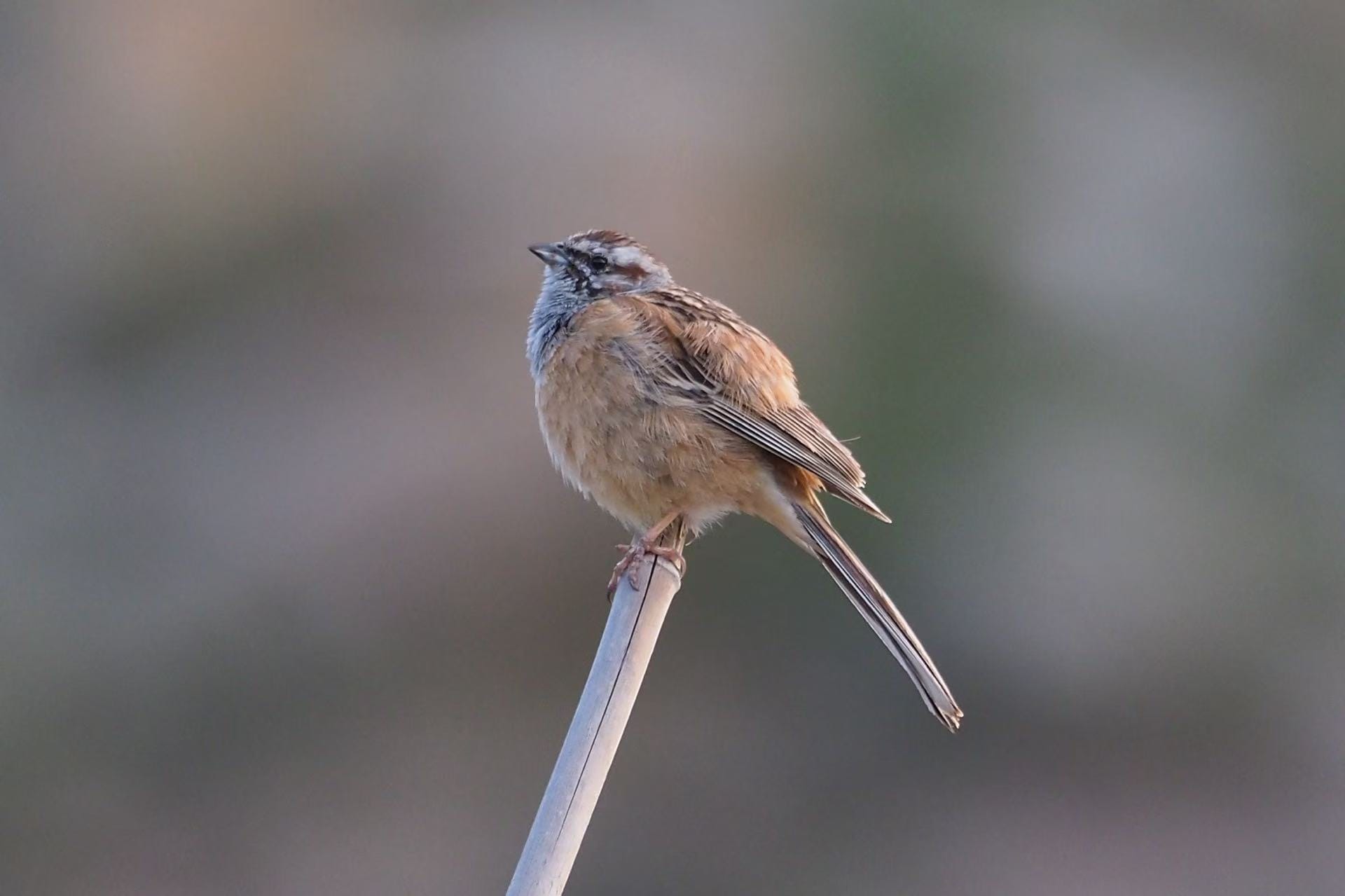
Days 5–6 — Ruoergai area (Baxi forest & Flower Lake) Two full days split between montane Baxi forest and the high grasslands/Flower Lake wetlands. Baxi forest highlights: Blue-eared Pheasant, Chinese Grouse, Blood Pheasant, Snowy-cheeked and Plain/Pere David’s Laughingthrush, Giant Laughingthrush, Sichuan Jay, Spectacled Parrotbill, Crested Tit-Warbler, Chinese Fulvetta, Three-banded & Long-tailed Rosefinches, Przevalski’s Nuthatch, Chinese Nuthatch, Sichuan Tit, Slaty-backed Flycatcher, Siberian Rubythroat. Flower Lake / plateau highlights: Black-necked Crane, Ground Tit, Tibetan Lark, Horned Lark, White-rumped & Rufous-necked Snowfinches, Little Owl, Saker Falcon. Mammals: Tibetan Fox, Tibetan Gazelle, Plateau Pika, Himalayan Marmot. Overnight: Ruoergai
Day 7 — Ruoergai → Maerkang (drive; birding en route) Drive south toward Maerkang with specific stops to search for plateau specialties. Highlights en route: Przevalski’s Finch (Pinktail), White-browed Tit, White-browed Tit Warbler, Giant Grey Shrike, Tibetan Partridge, Pale Martin, Little Owl, occasional Eagle Owl. Overnight: Maerkang
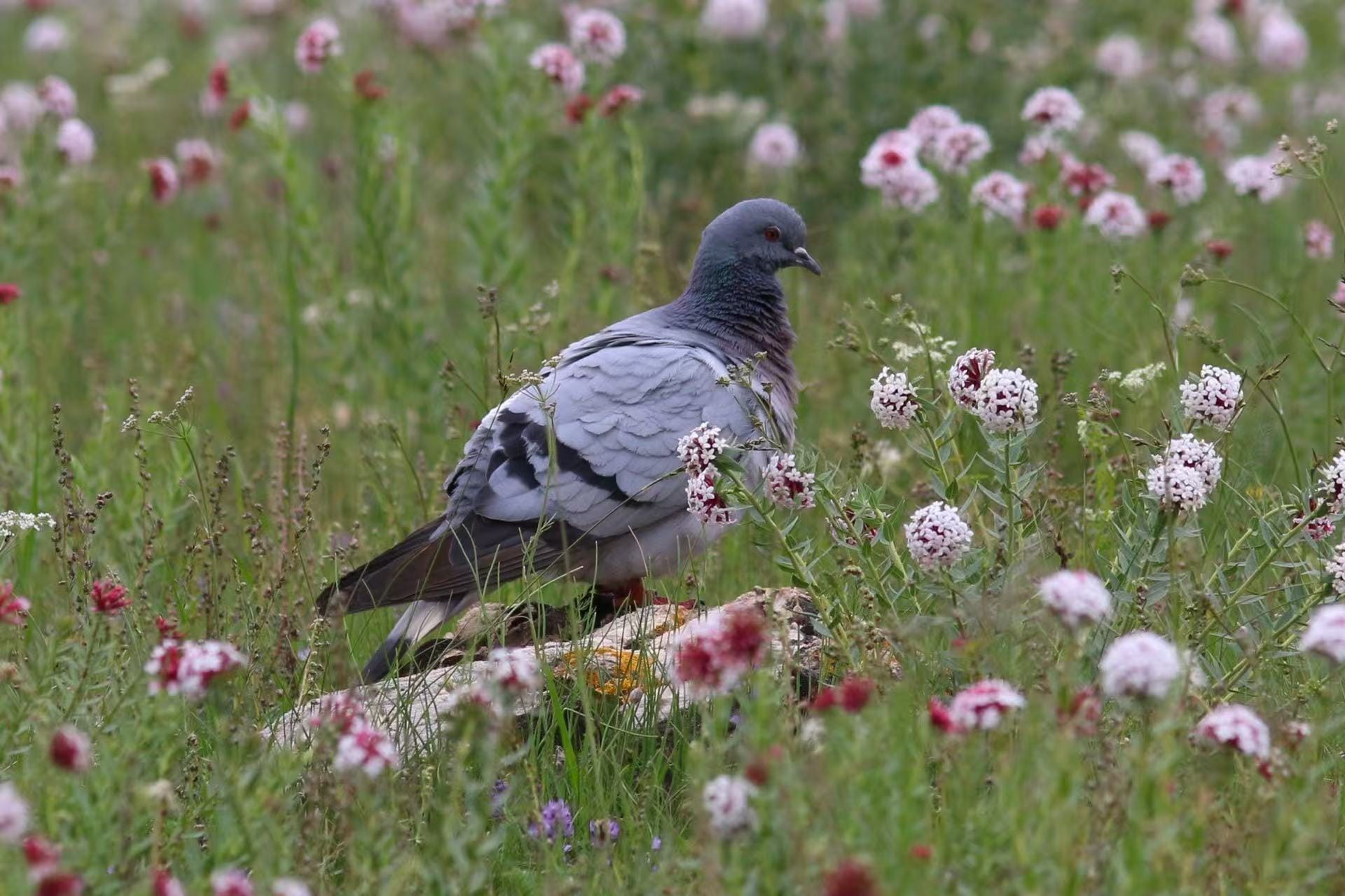
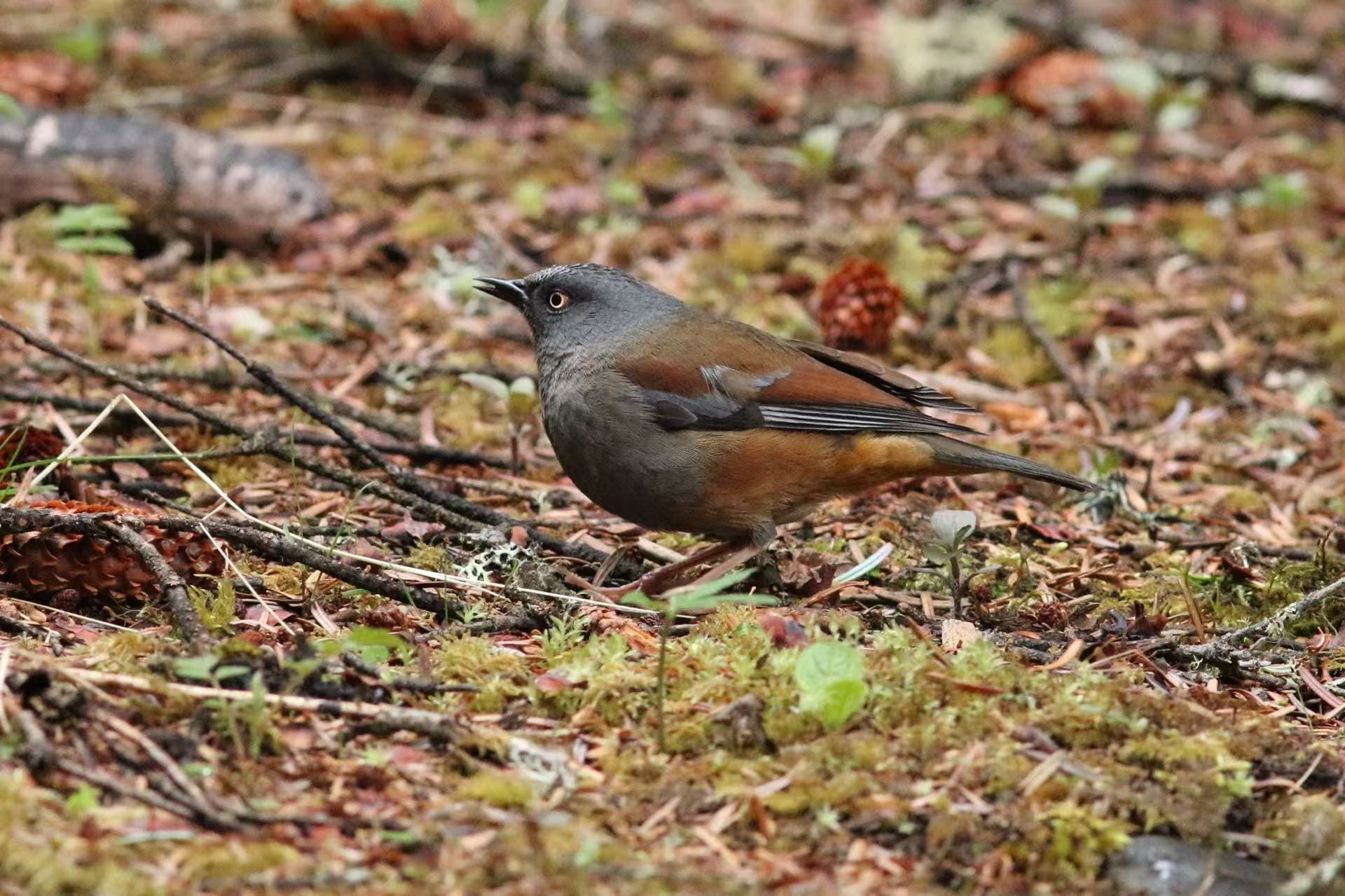
Day 8 — Mengbishan (AM) → Drive to Wolong (PM) Morning birding in Mengbishan’s pine-fir forests, then travel to Wolong with roadside stops. Mengbishan highlights: Verreaux’s (Chestnut-throated) Monal-Partridge, Blood Pheasant, Sichuan Jay, Crested Tit-Warbler, Three-banded Rosefinch, Chinese Fulvetta, Przevalski’s Nuthatch, Maroon-backed Accentor, Giant Laughingthrush, Pink-rumped & Himalayan Beautiful Rosefinches. En-route to Wolong: Watch for Wallcreeper on cliffs, Eurasian Crag Martin, Hill Pigeon, Salim Ali’s Swift, Long-tailed Rosefinch. Overnight: Wolong
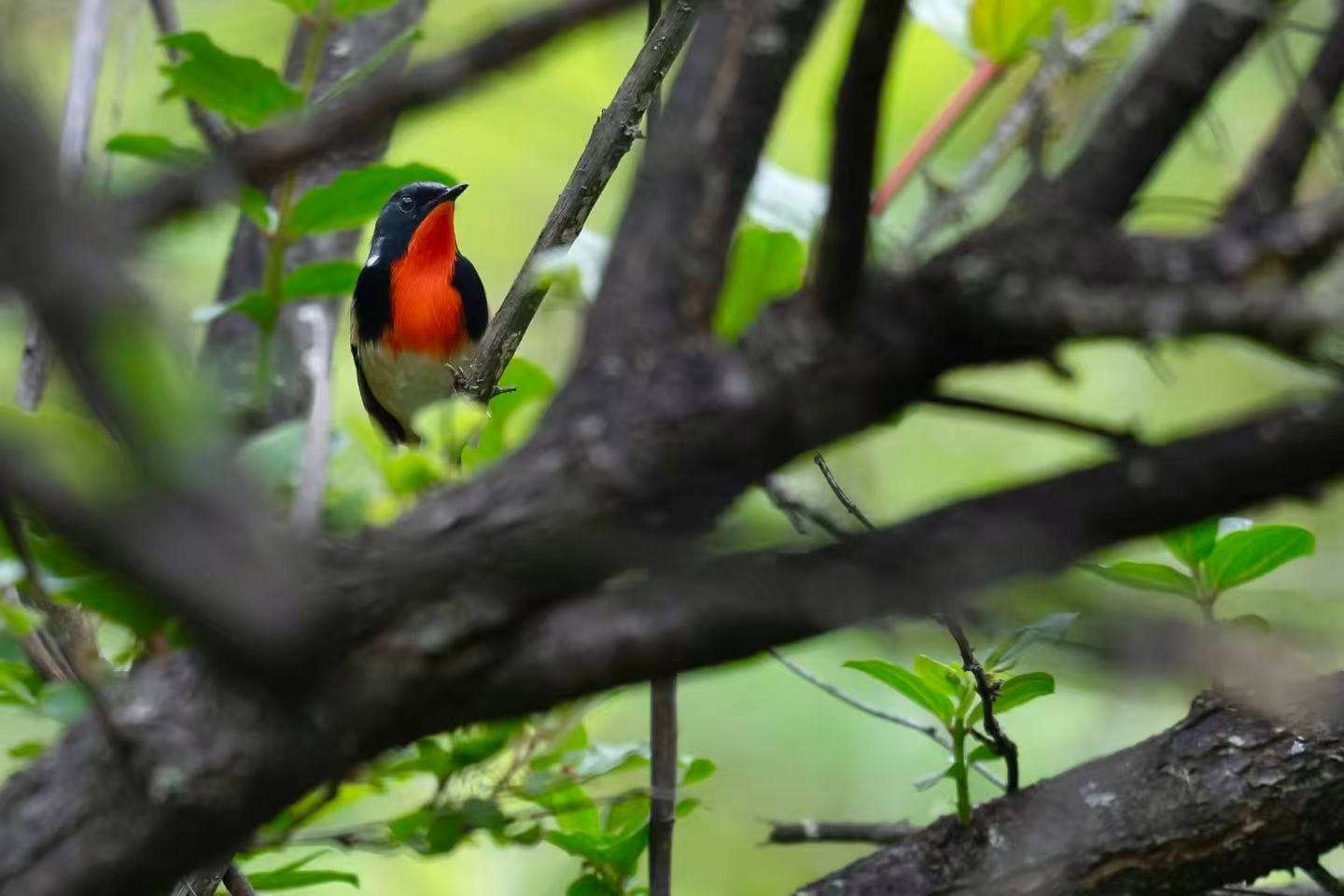
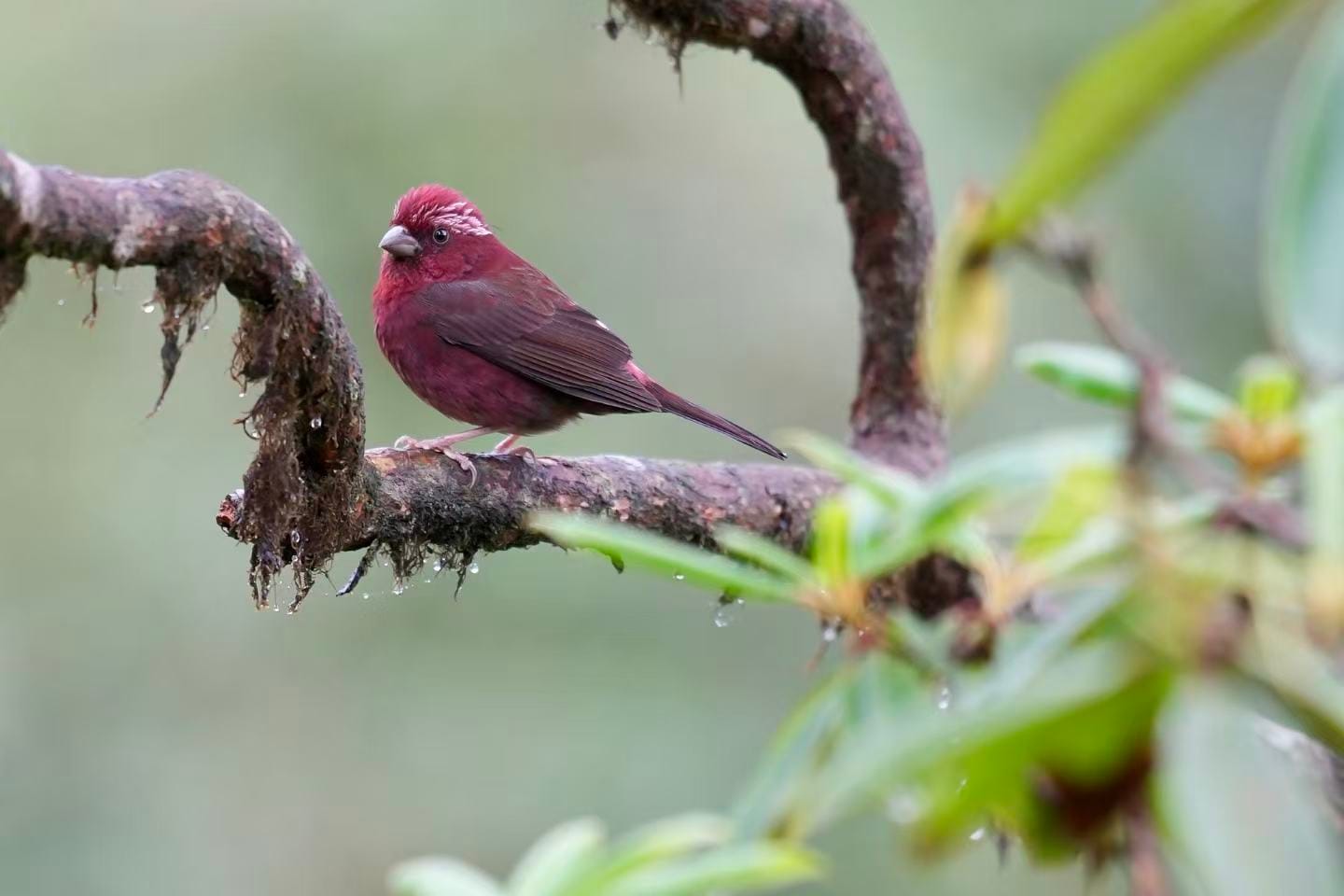
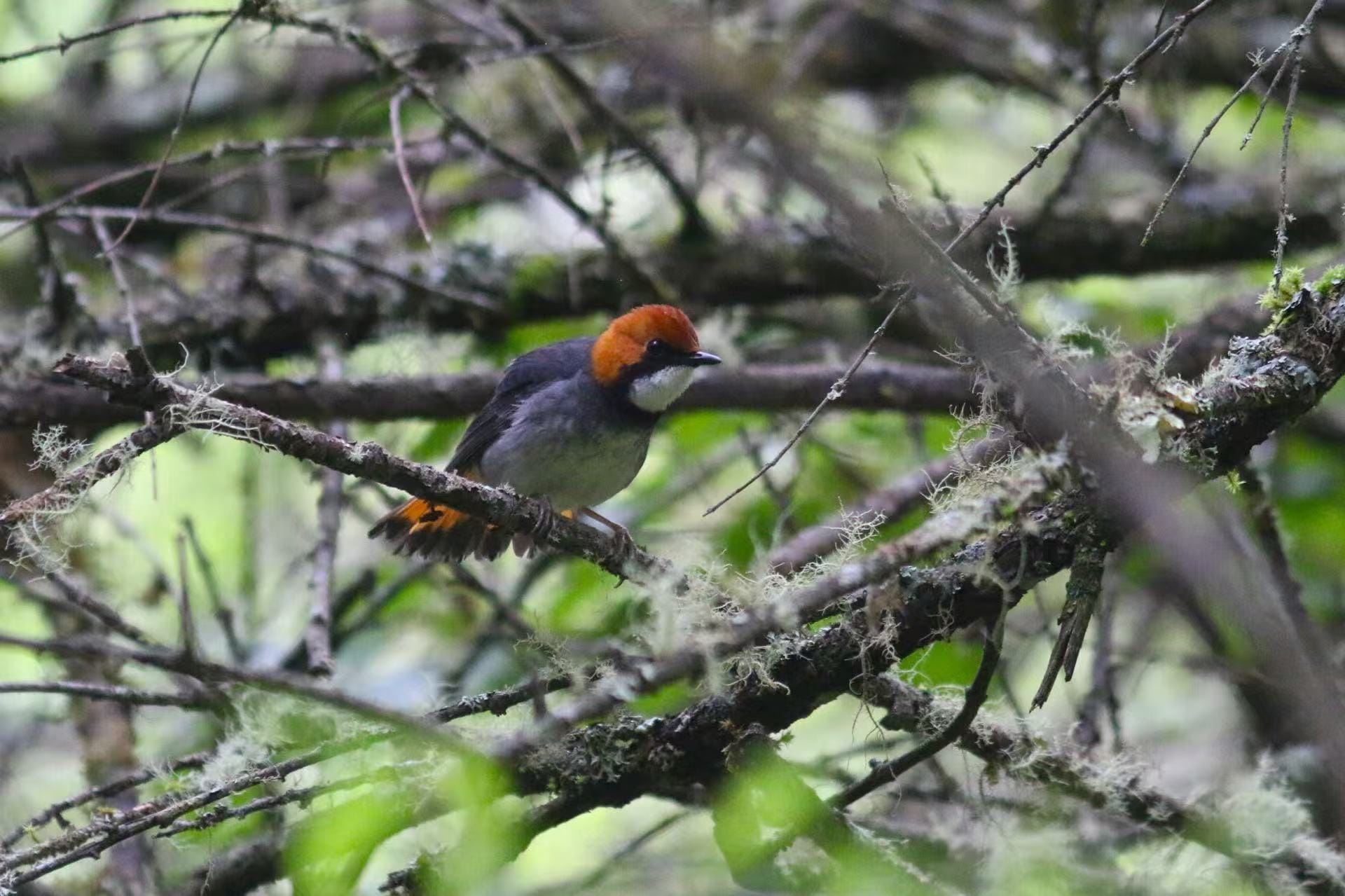
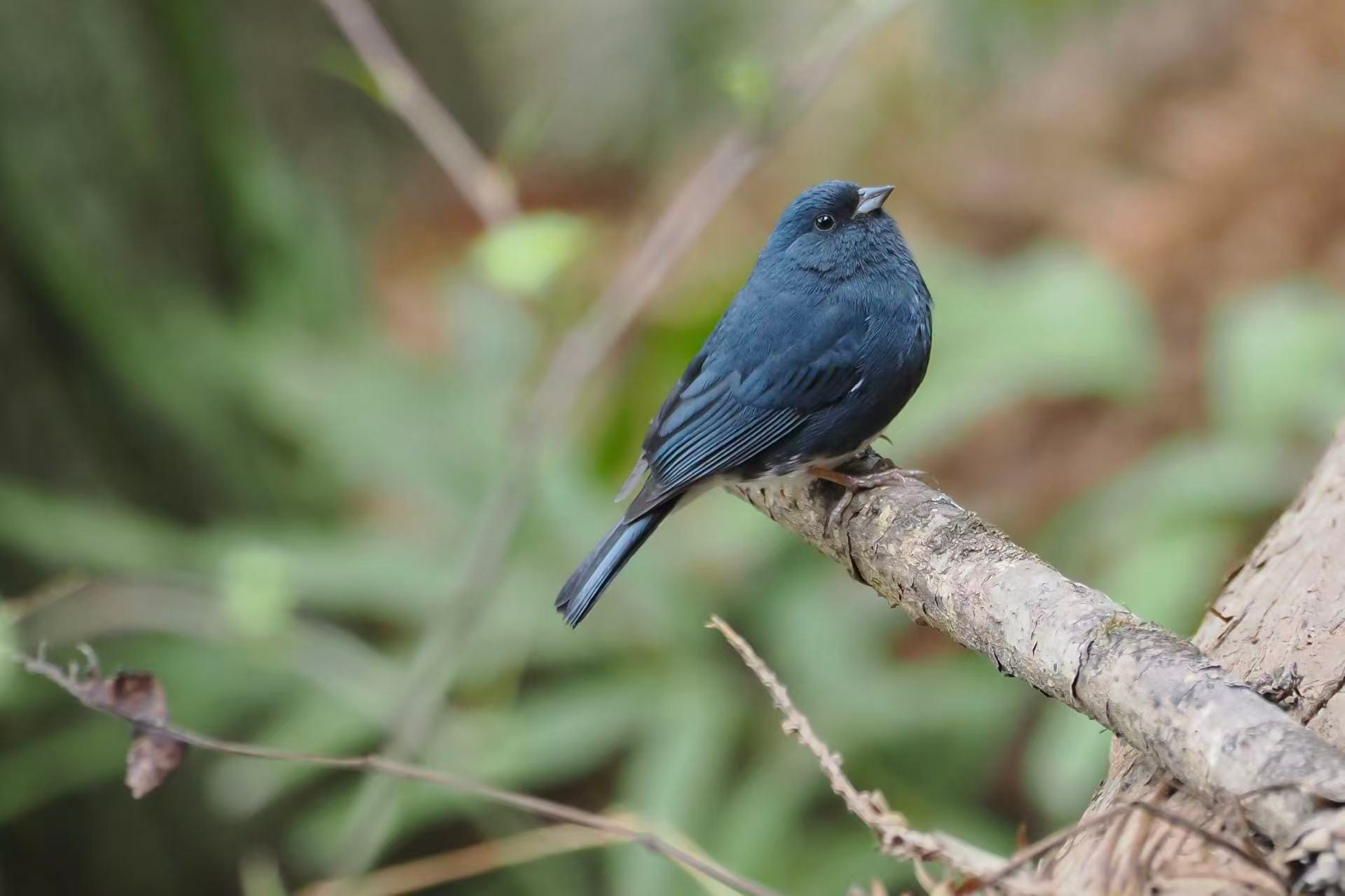
Day 9 — Full day Balangshan (Wolong base) Full day on Balangshan rim and slopes for high-altitude species. Balangshan Highlights: Chinese Monal, Golden Pheasant, White-eared Pheasant, Blood Pheasant, Koklass Pheasant, Sichuan Forest Thrush, Sharpe’s/Dark-breasted/Dark-rumped Rosefinches, Crimson-browed Finch, Slaty Bunting, Chinese Babax, Black-streaked Scimitar Babbler, Indian Blue Robin, Rosy Pipit, Buff-barred & Sichuan Leaf Warblers. Overnight: Wolong
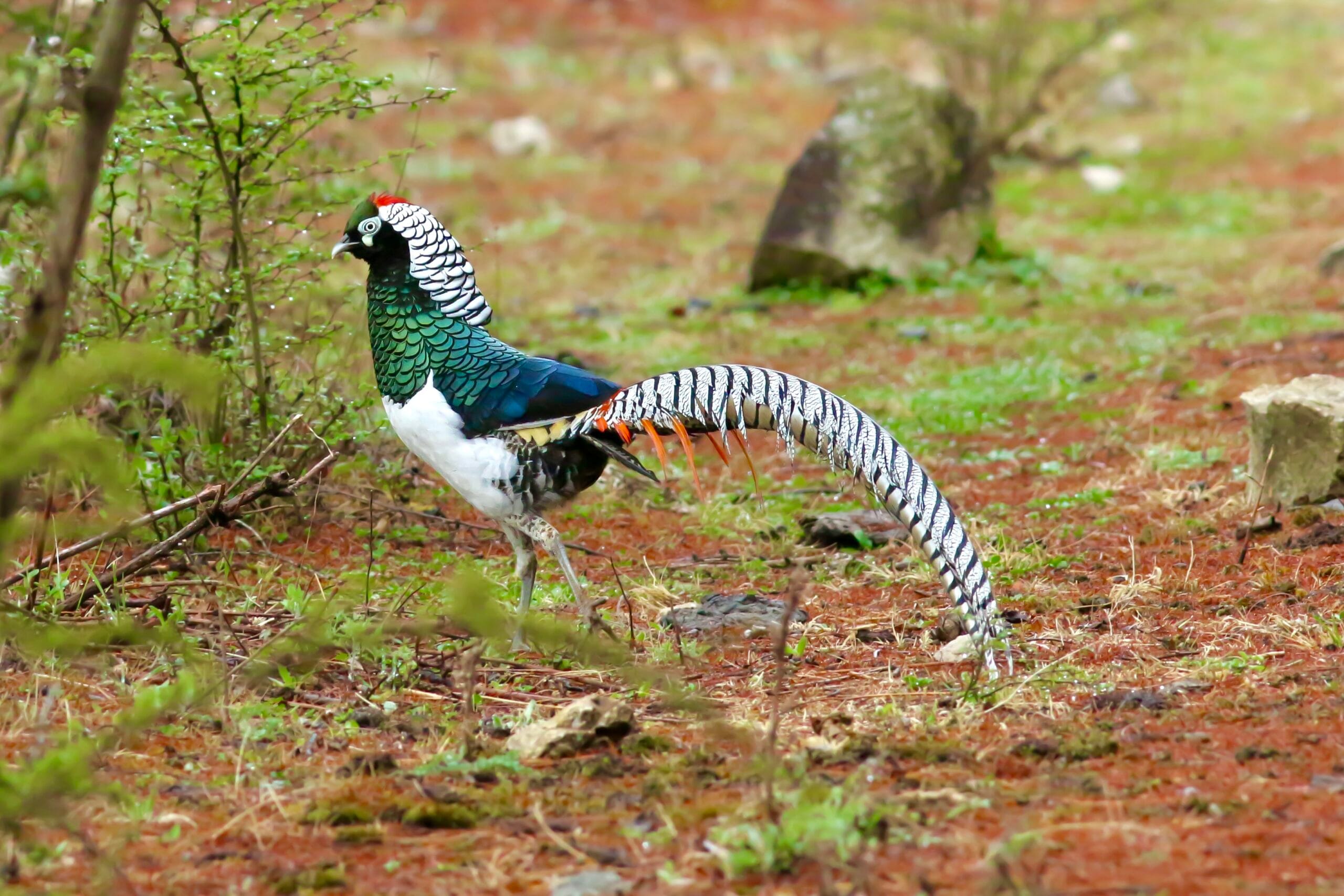
Day 10 — Half day Balangshan → Drive to Labahe (4–5 hrs) Morning follow-up in Balangshan then transfer to Labahe. Labahe approach highlights: Lady Amherst’s Pheasant, Temminck’s Tragopan (possible), Chinese Monal, Pere David’s Tit, Fire-capped Tit, local parrotbills and breeding warblers. Overnight: Labahe
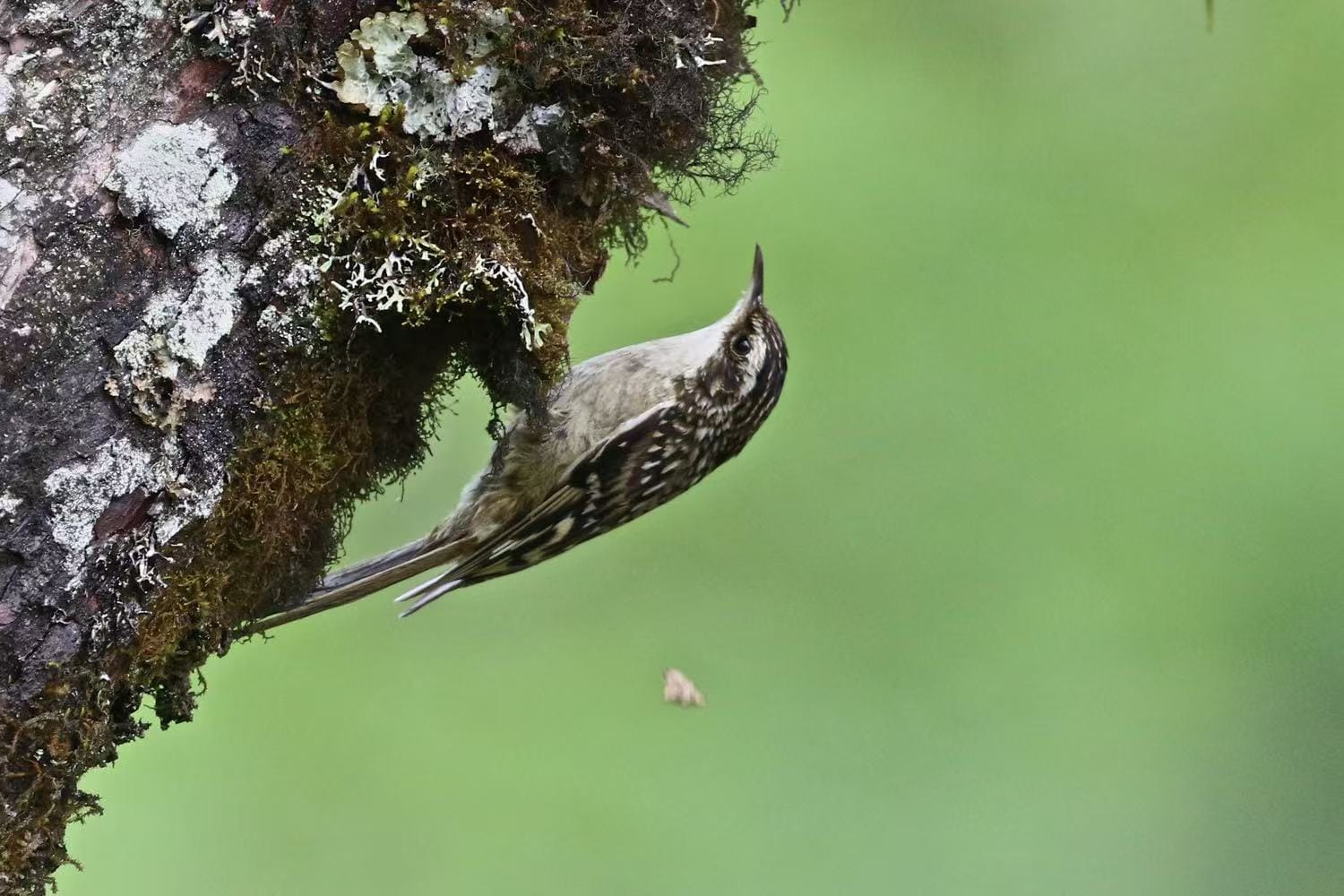
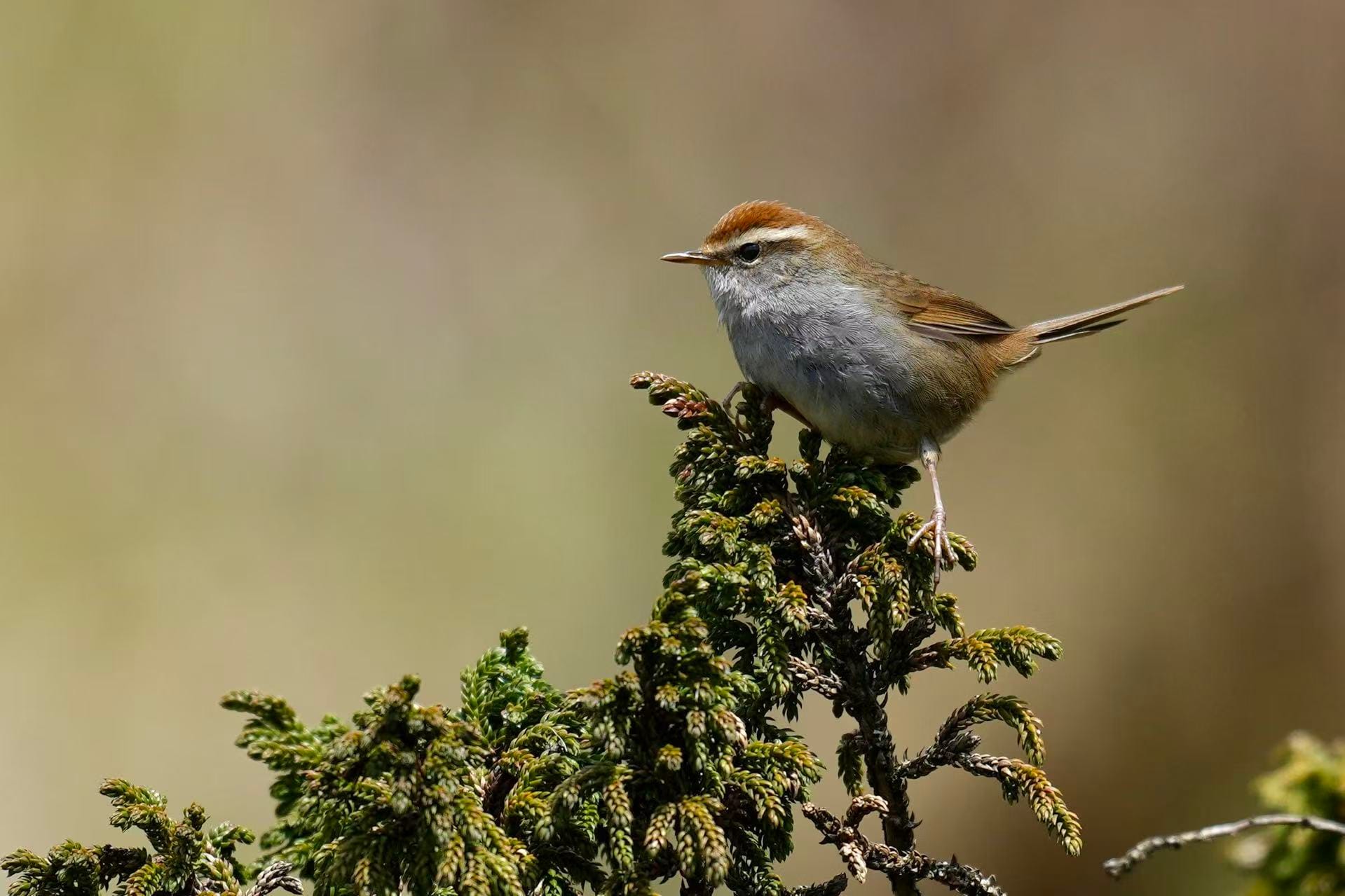
Day 11 — Half day Labahe → Drive to Kangding, Lianghekou Village (4–5 hrs) Morning birding in Labahe, then drive toward Kangding (Lianghekou Village) in the afternoon/evening. Labahe highlights: Lady Amherst’s Pheasant, Brown / Chestnut-crowned / Spotted / Grey-sided / Aberrant Bush Warblers, Fire-capped Tit, Fulvous Parrotbill, Sichuan Treecreeper. Overnight: Kangding
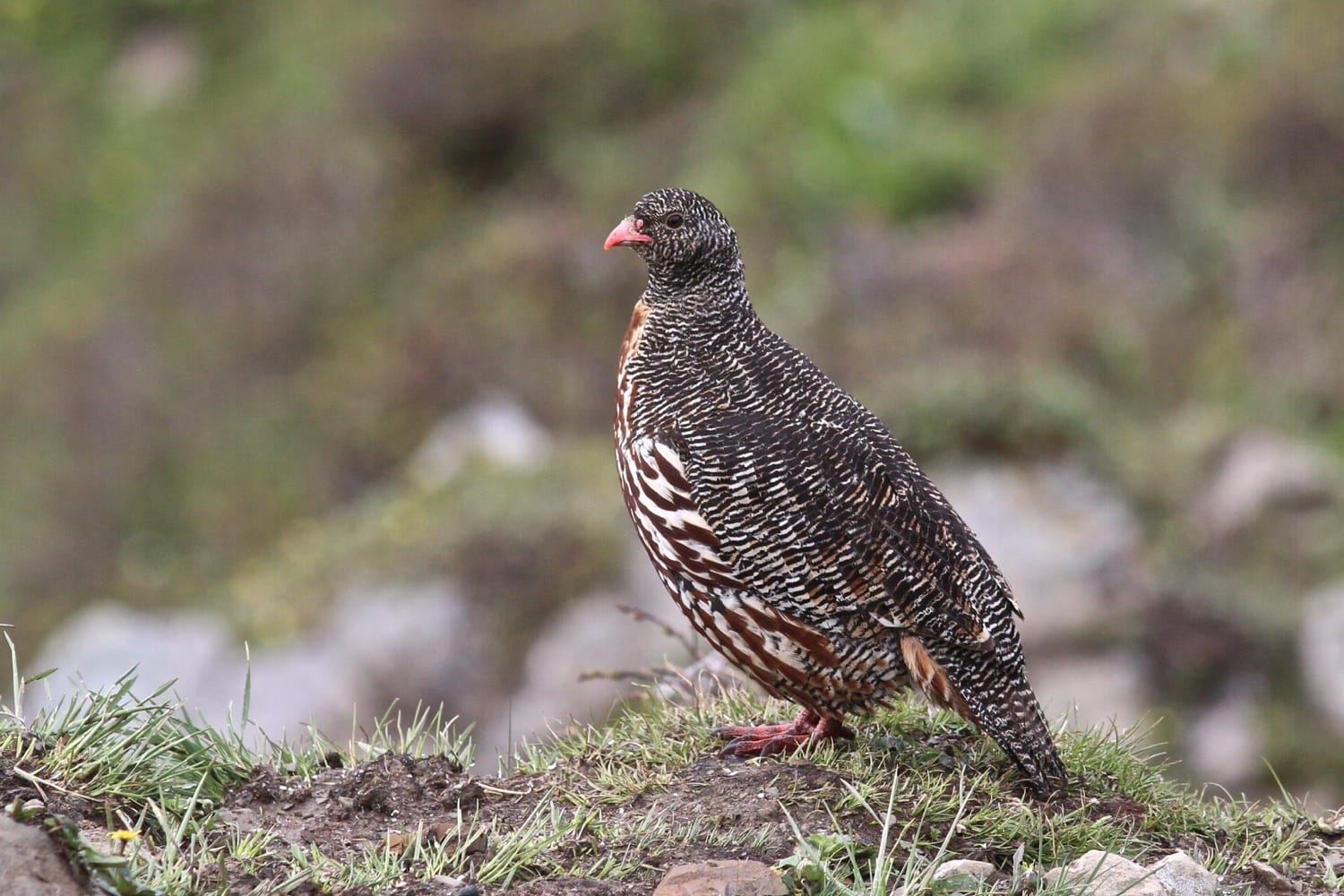
Day 12 — Kangding (AM) →Drive to Hailuogou (PM) Early morning visit for photographic Chinese Monal (best local spot), then transfer toward Hailuogou. Kangding highlight: Chinese Monal, White-eared Pheasant, Snow Partridge, Blood Pheasant, Golden Bush Robin, Sharpe’s Rosefinch, Red-fronted Rosefinch, Crimson-browed Finch, Dark-breasted Rosefinch, Alphine Thrush, Grey-sided Bush Warbler, Chestnut-crowned Bush Warbler, occasional Grandala & Solitary Snipe. Overnight: Hailuogou
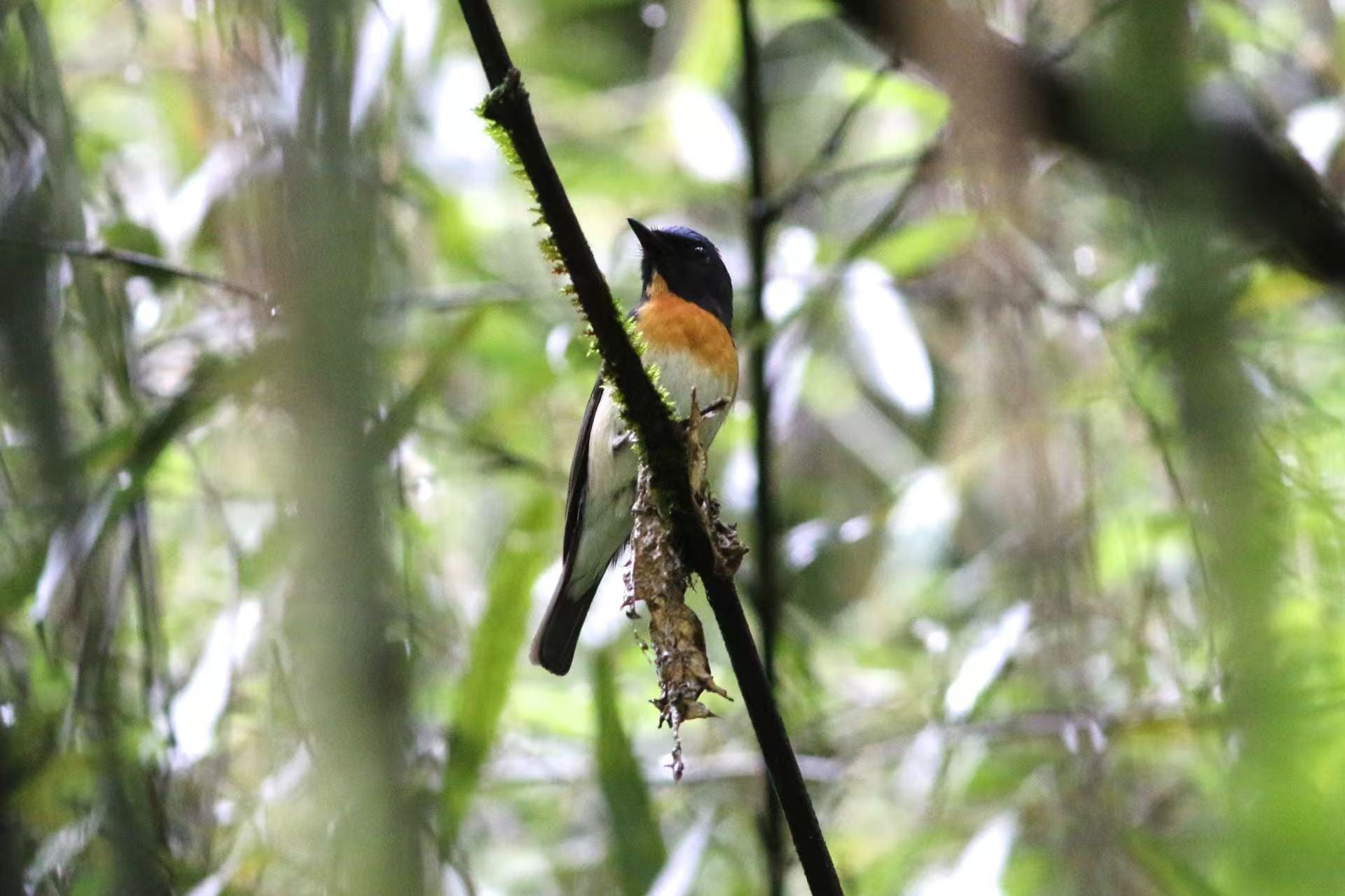
Day 13 — Full day Hailuogou Full day in the Hailuogou National Park exploring montane and valley forest. Highlights: Pere David’s Tit, Fire-capped Tit, Streaked Barwing, Scaly-breasted Cupwing (Chinese Cupwing), Sichuan Treecreeper, Himalayan Shortwing, Slaty-blue Flycatcher, Blue-fronted Robin, Collared Grosbeak. Overnight: Hailuogou
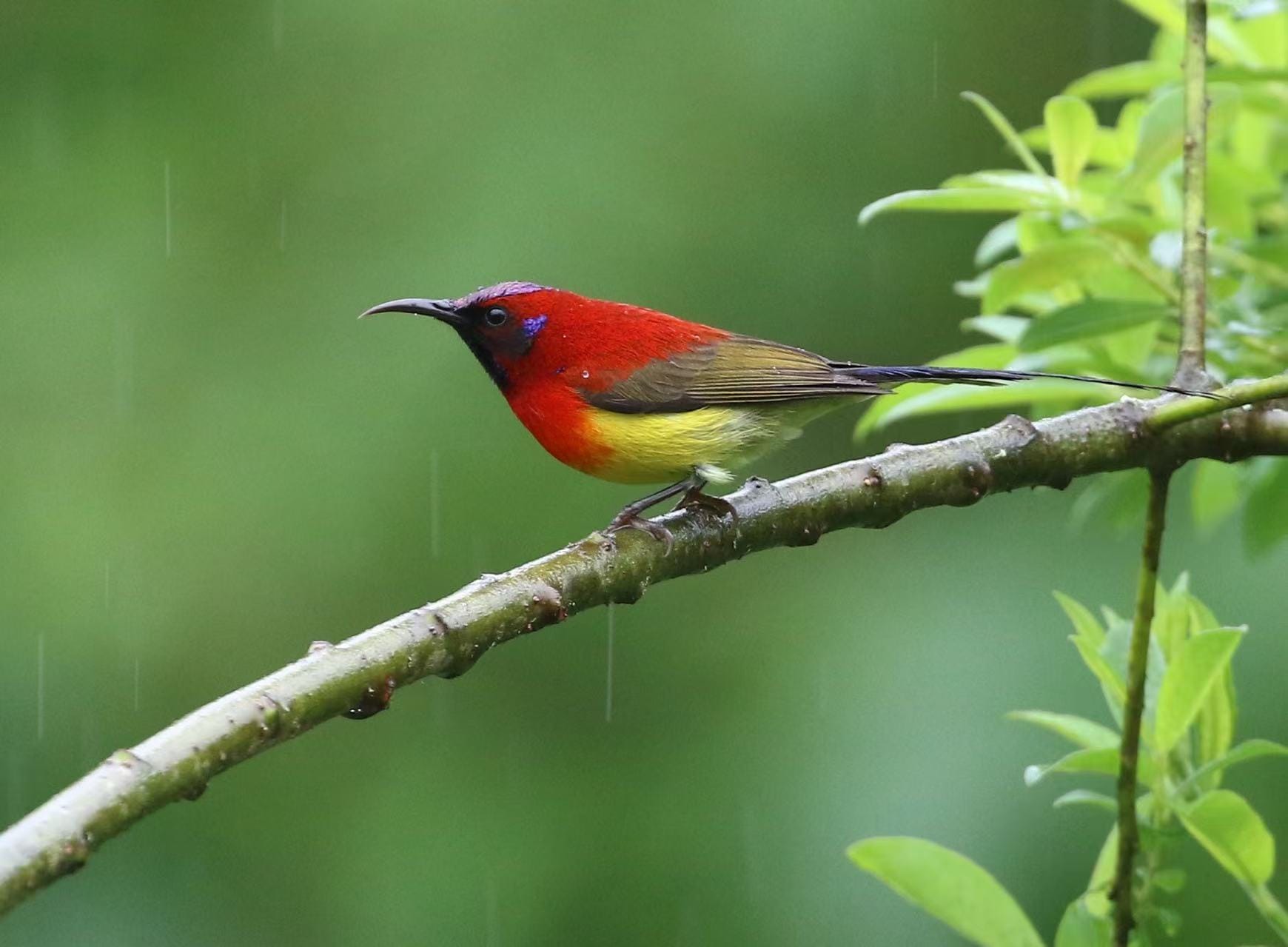
Day 14 — Erlangshan (AM) → Drive to Longcanggou (3–4 hrs) Morning birding at Erlangshan for its specialties, then transfer to Longcanggou. Erlangshan highlights: Firethroat, Rufous-tailed (Moupinia) Babbler, Barred Laughingthrush, Yellow-streaked Warbler, Sharpe’s Rosefinch, Yellow-throated Bunting, Mrs. Gould’s Sunbird. Overnight: Longcanggou
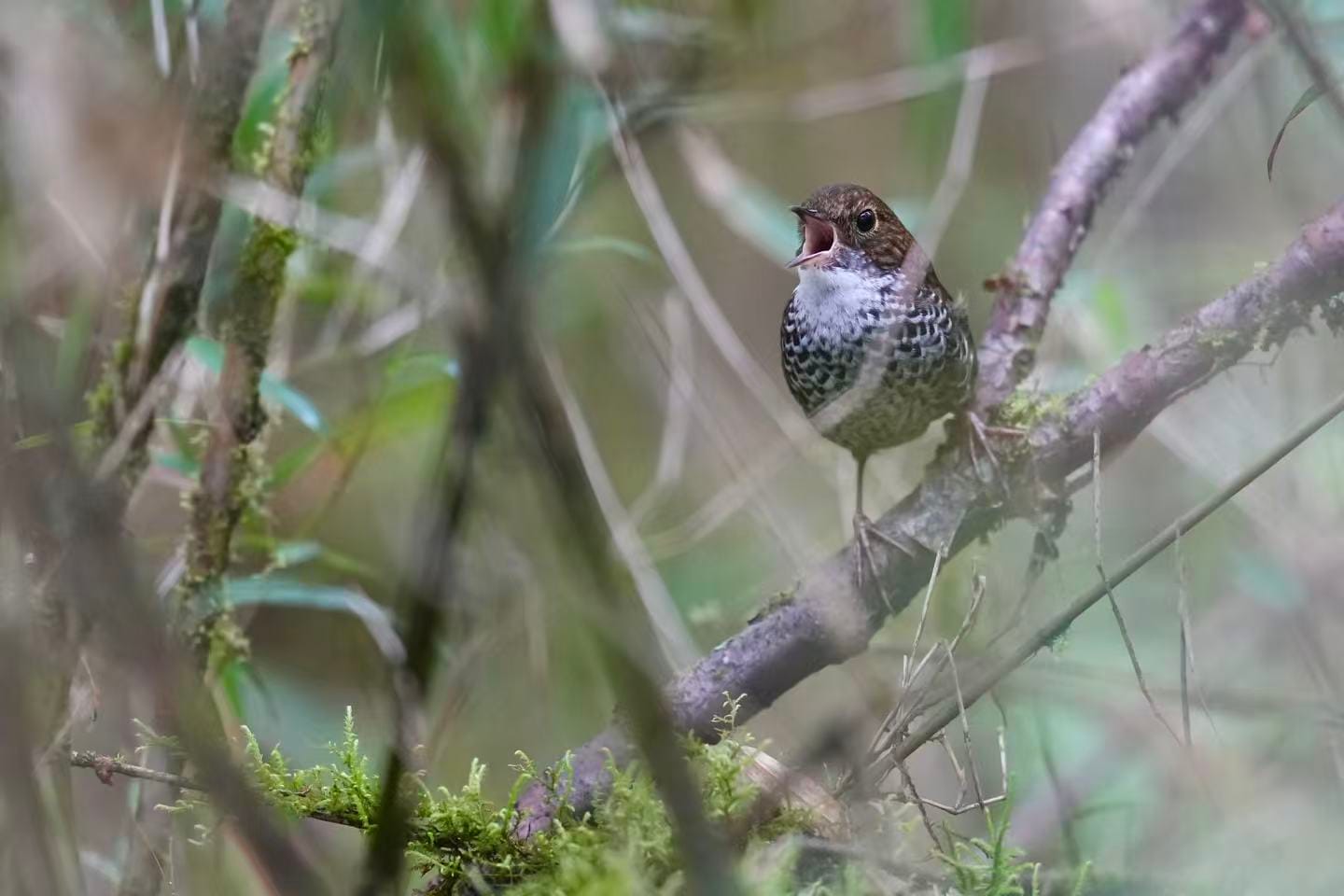
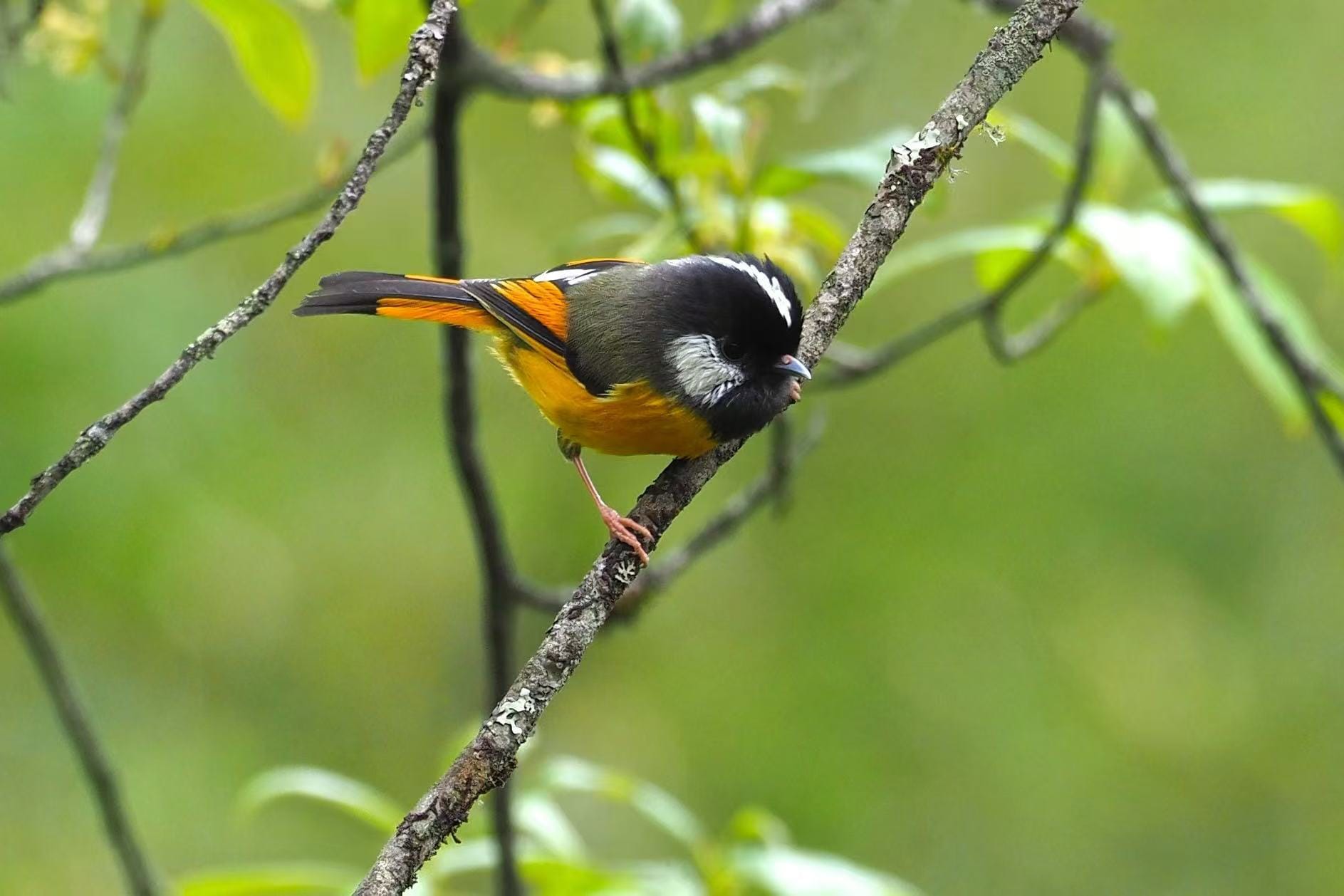
Day 15 — Half day Longcanggou → Drive to Wawushan Morning in Longcanggou, then drive south to Wawushan. Longcanggou highlights: Gold-fronted Fulvetta, Sichuan Bush Warbler, Chinese Blue Flycatcher, Golden Parrotbill, White-backed & Bay Woodpeckers, Brown Dipper, Emei Leaf Warbler, Grey-crowned Warbler. Overnight: Wawushan
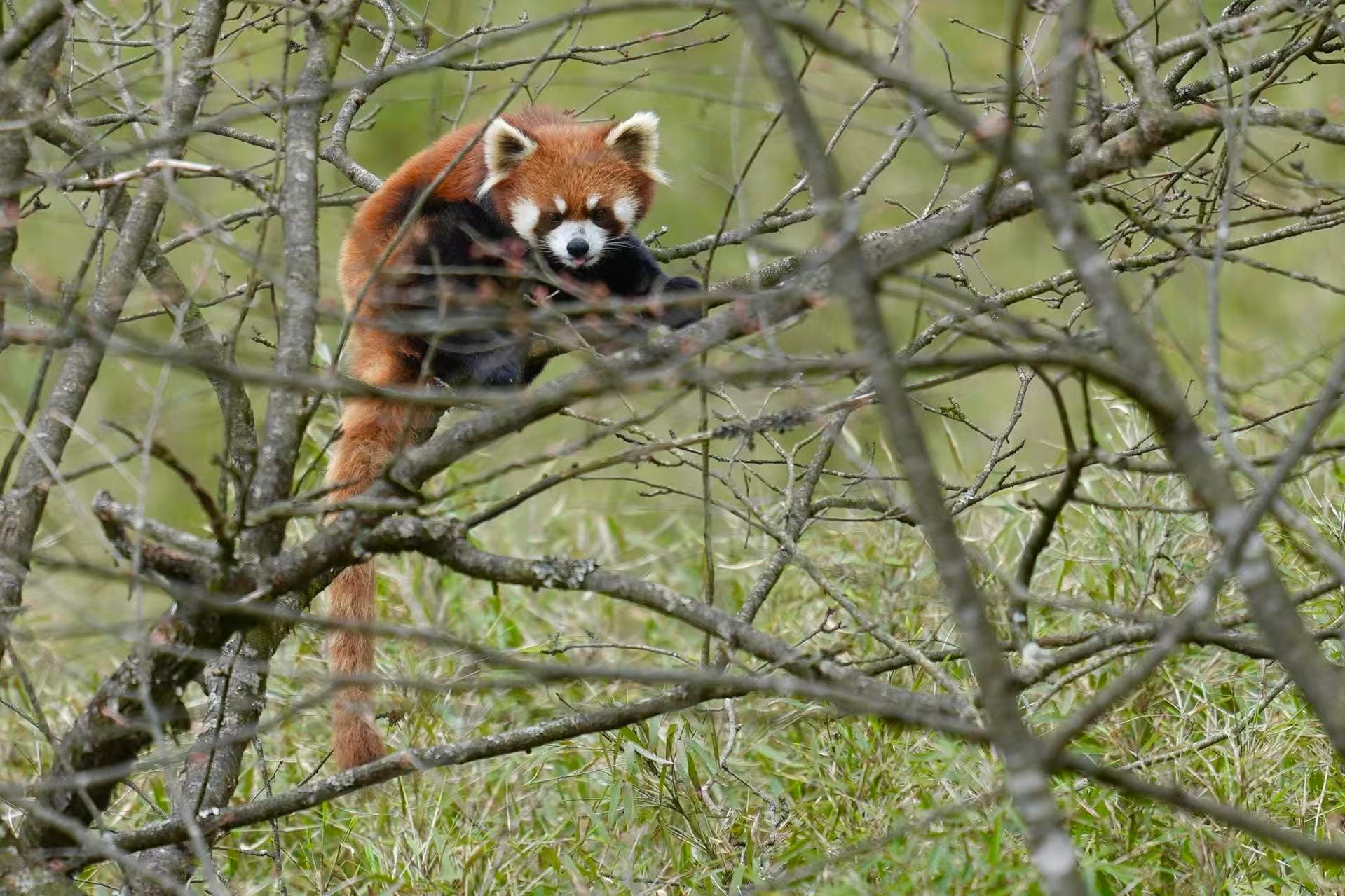
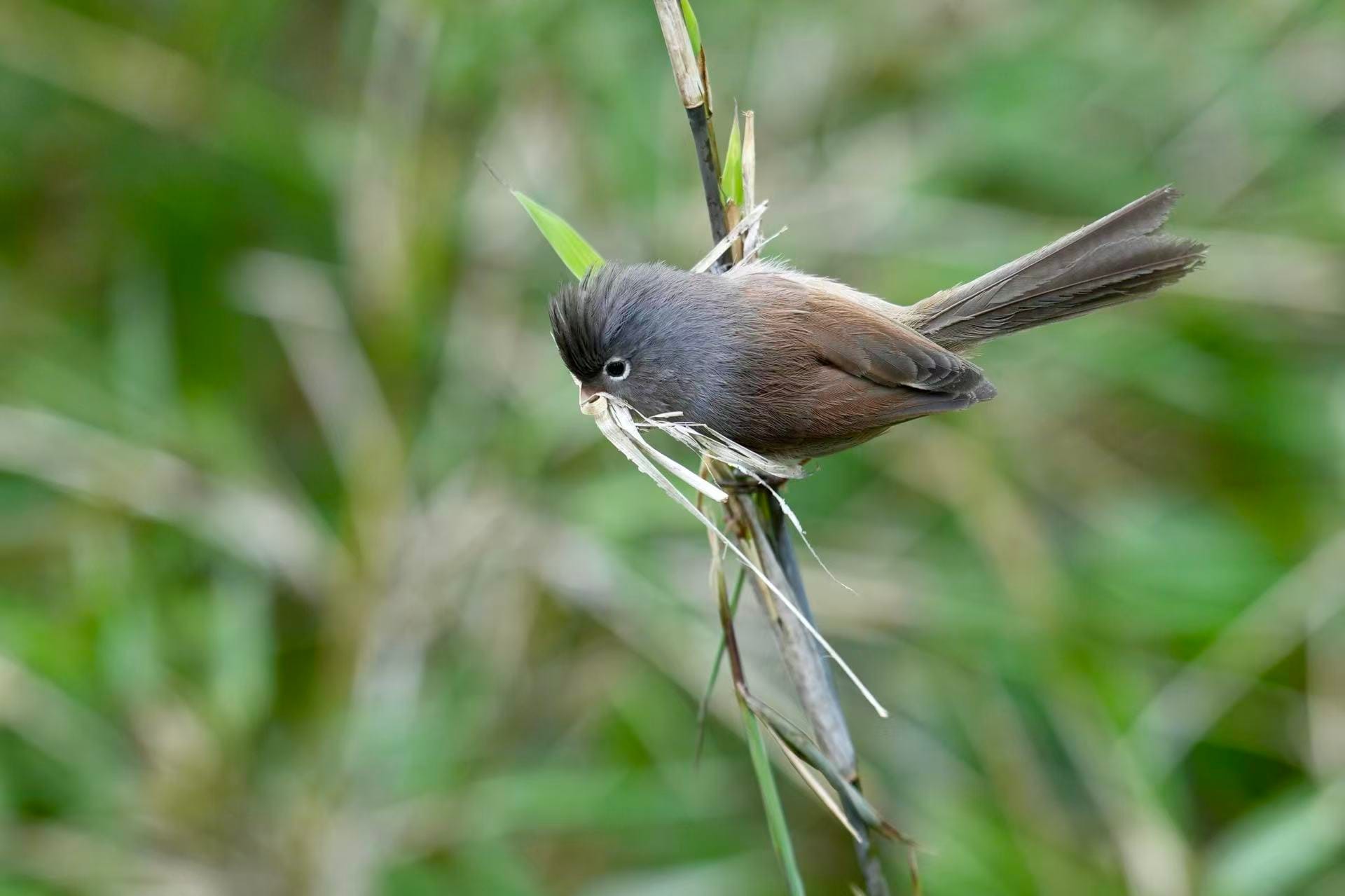
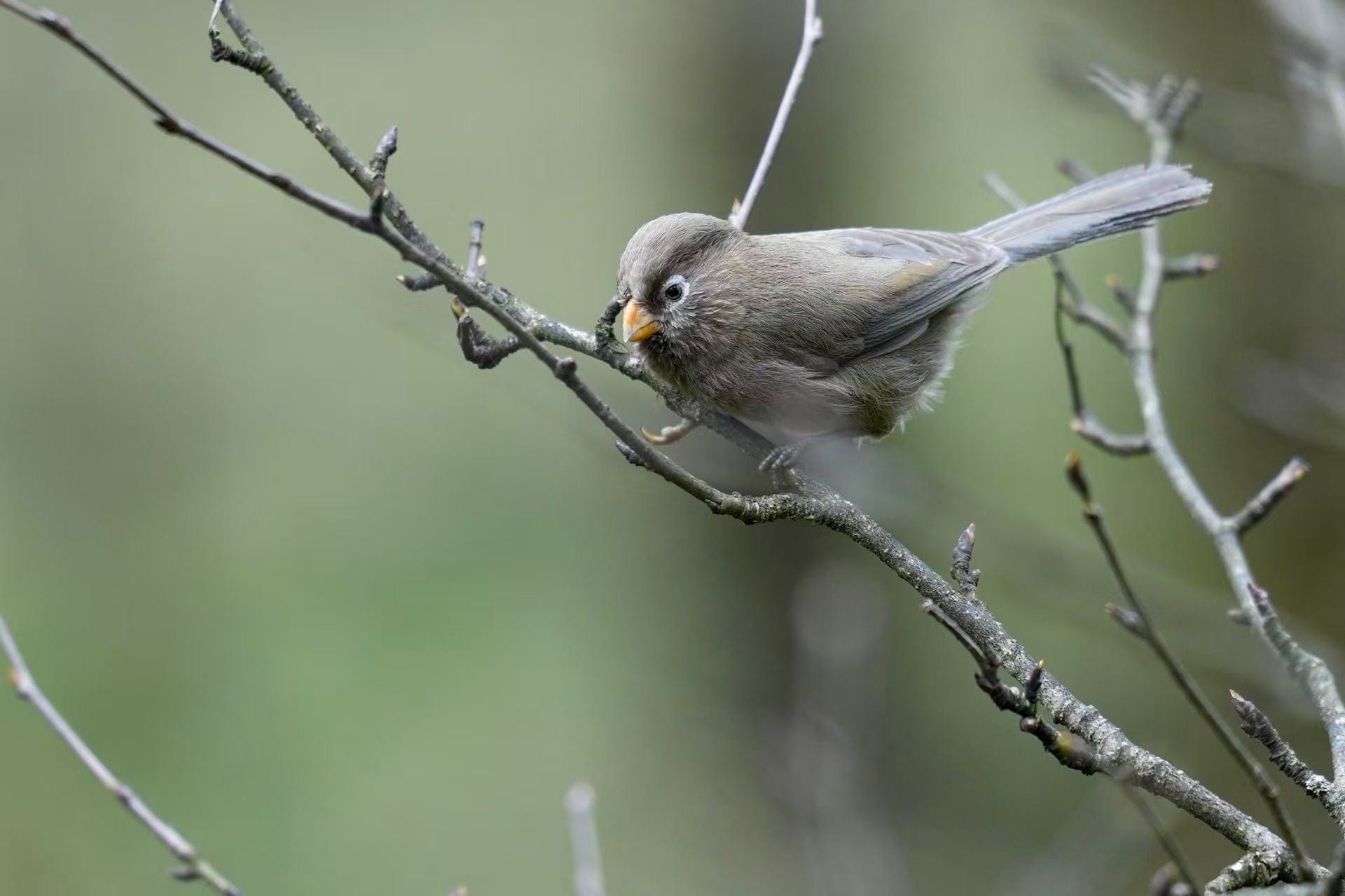
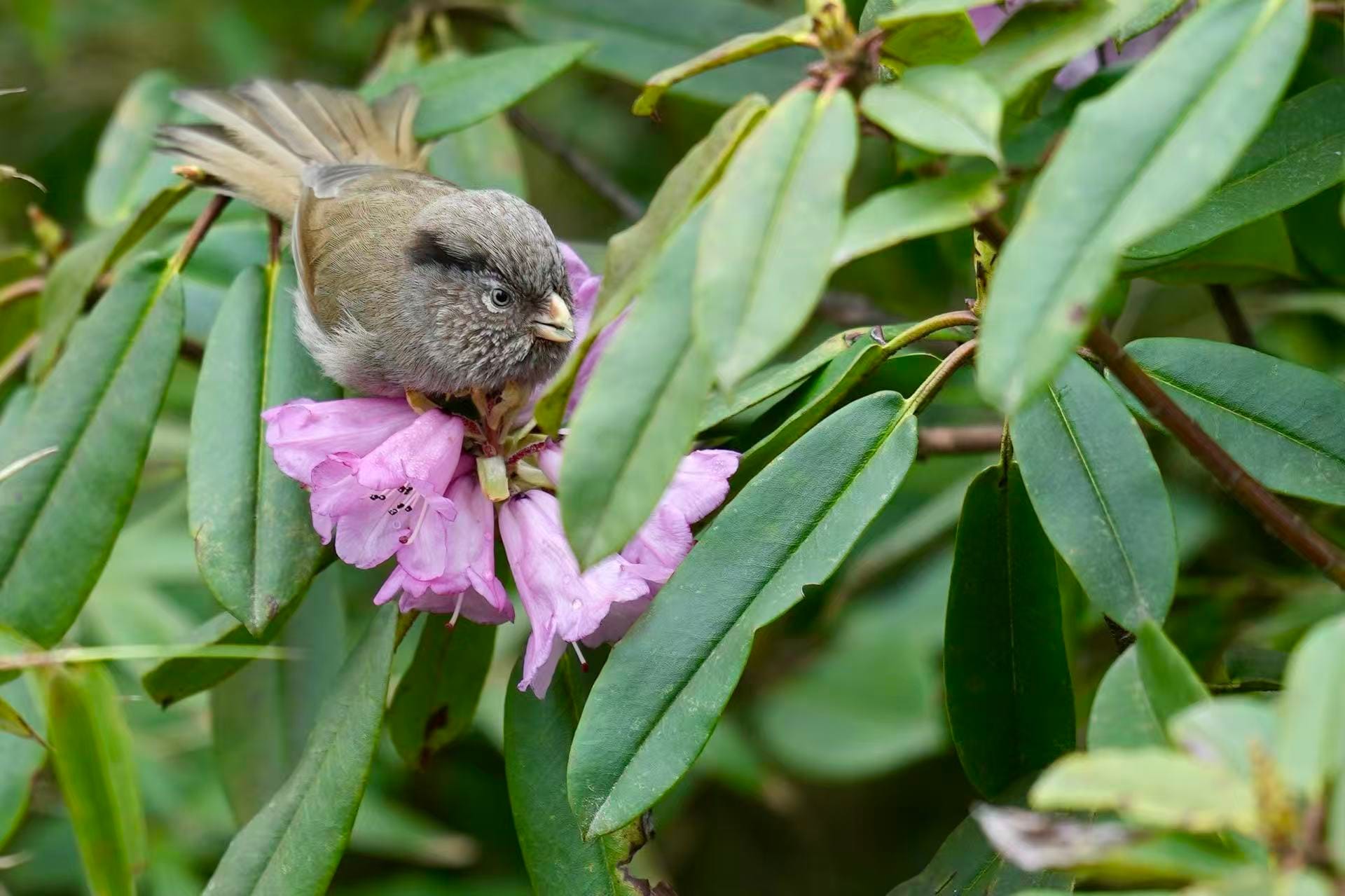
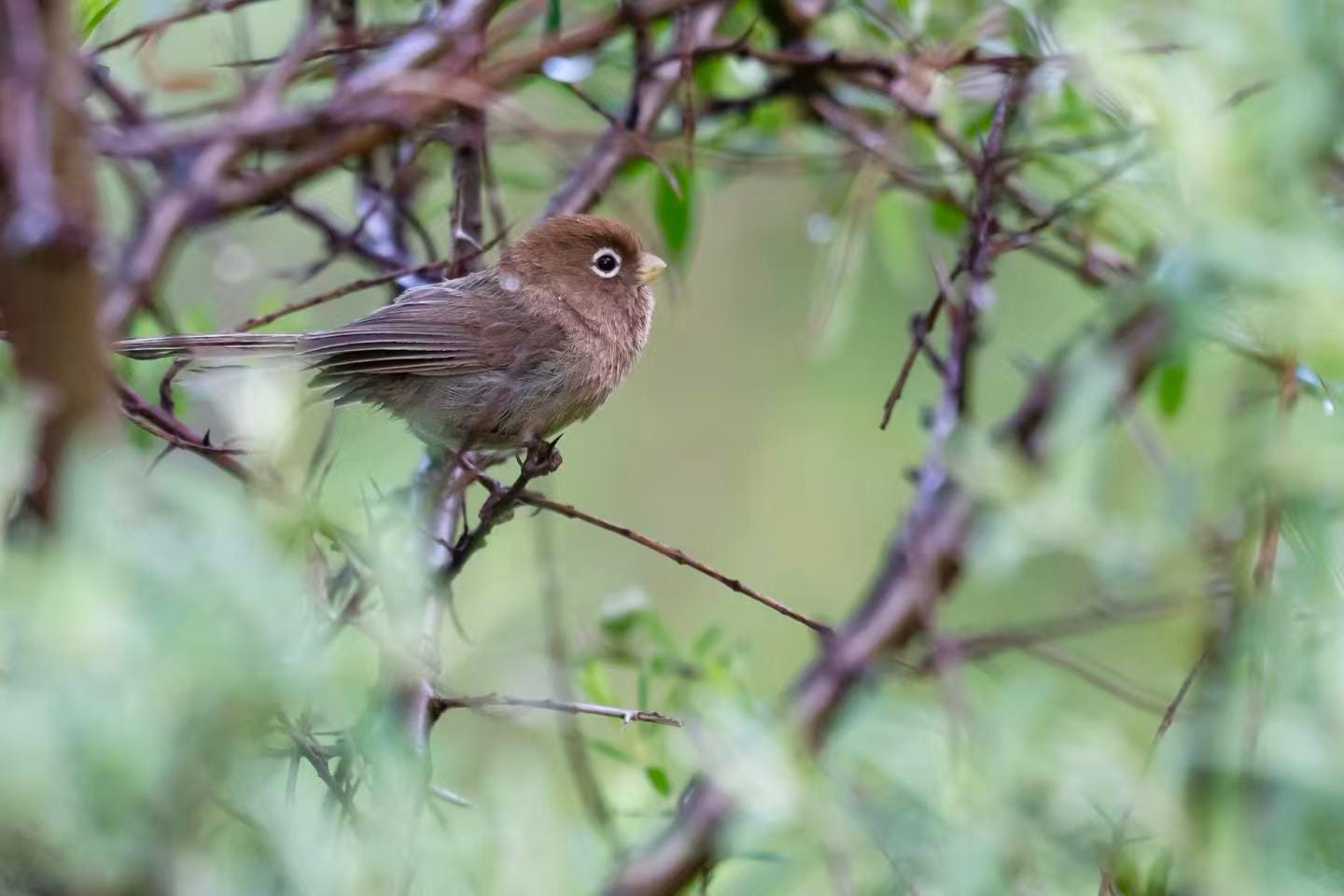
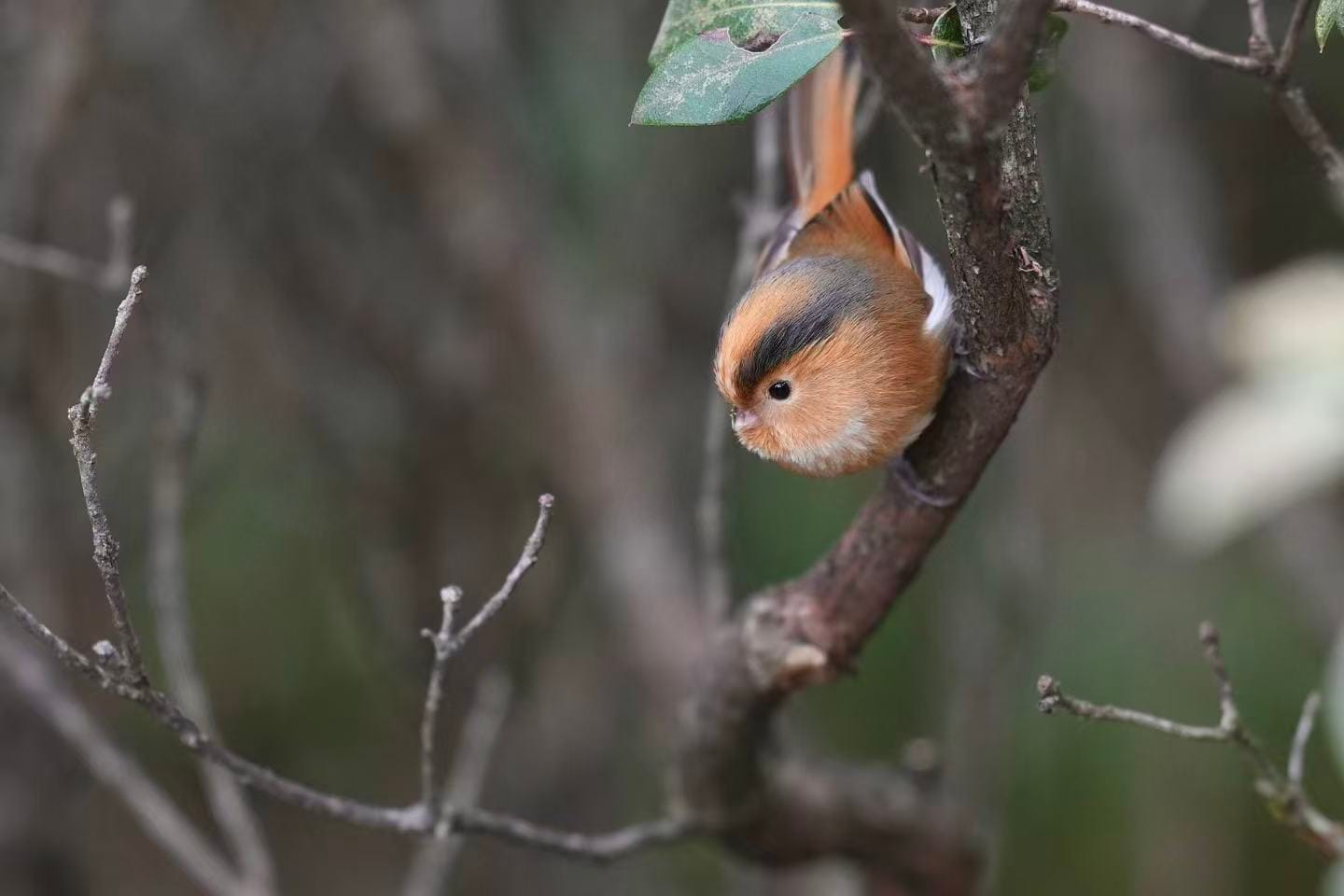
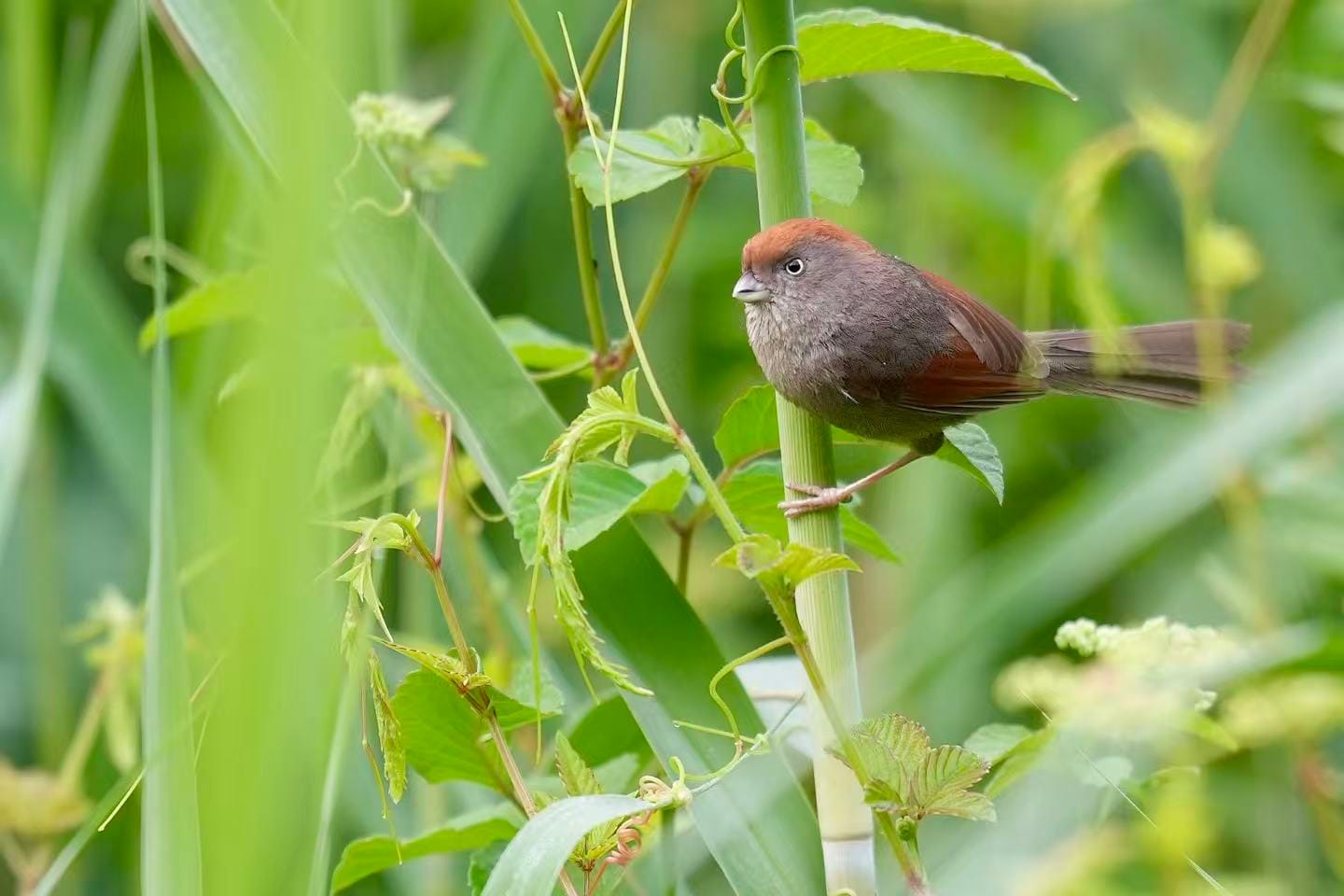
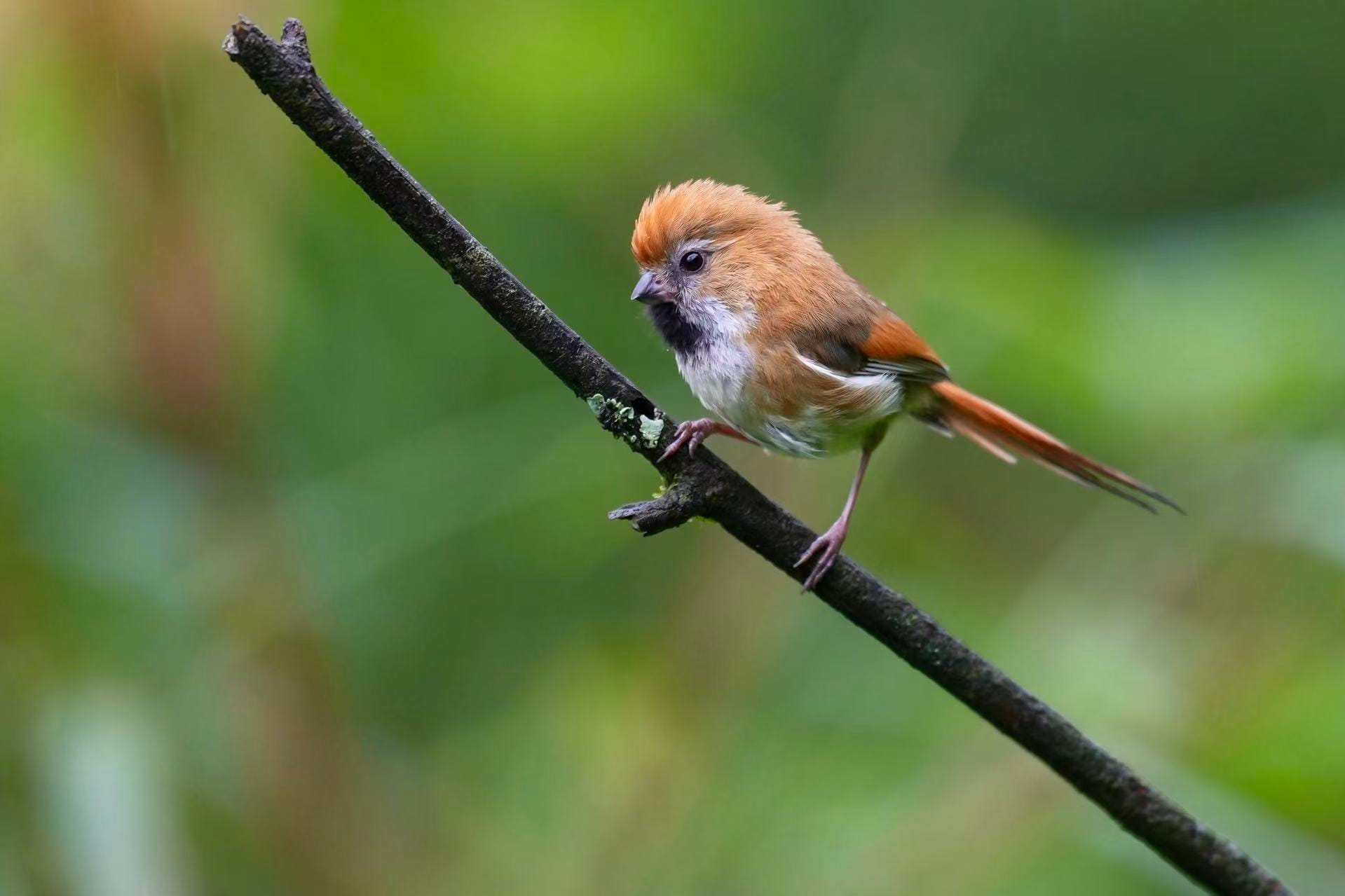
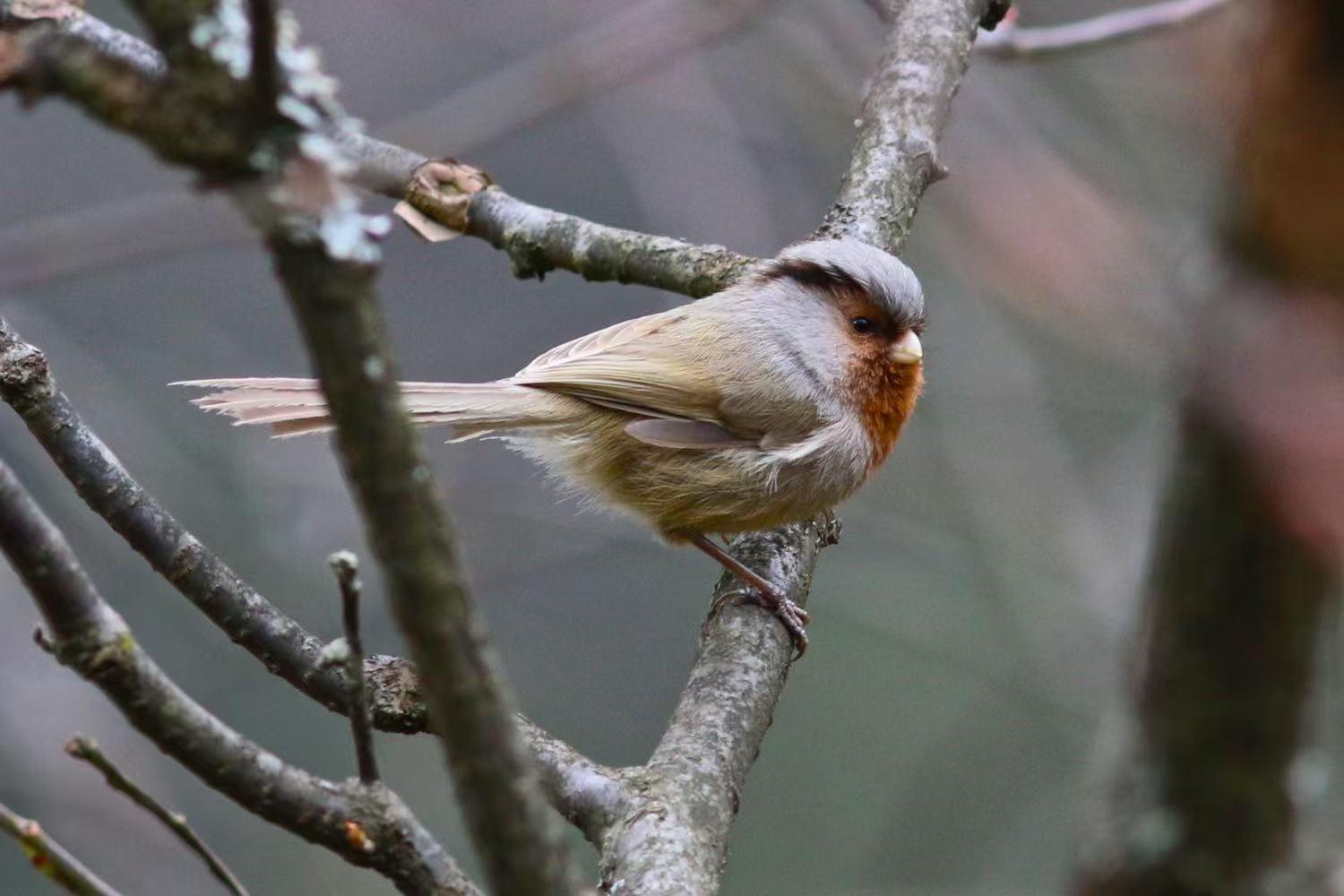
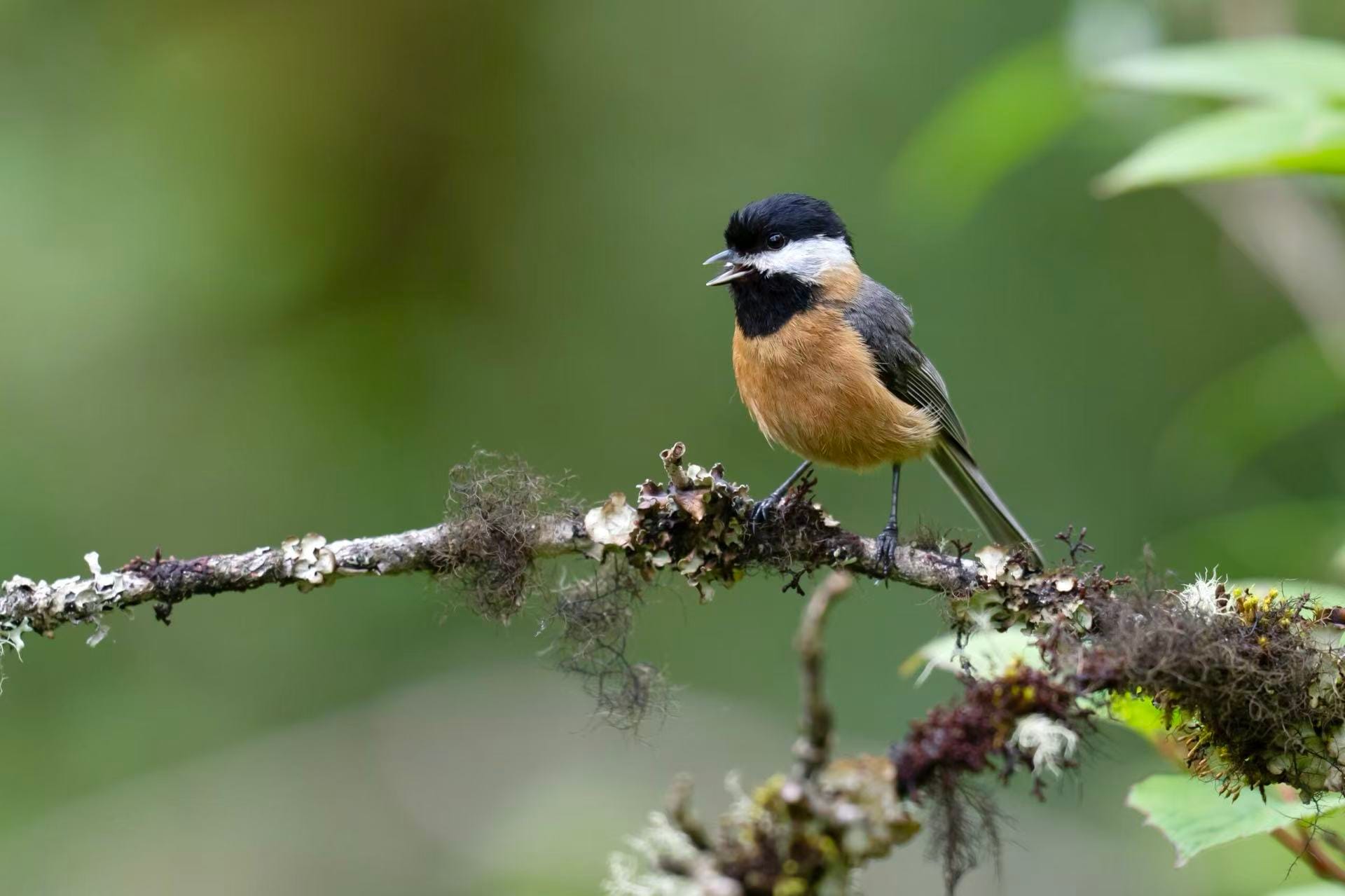
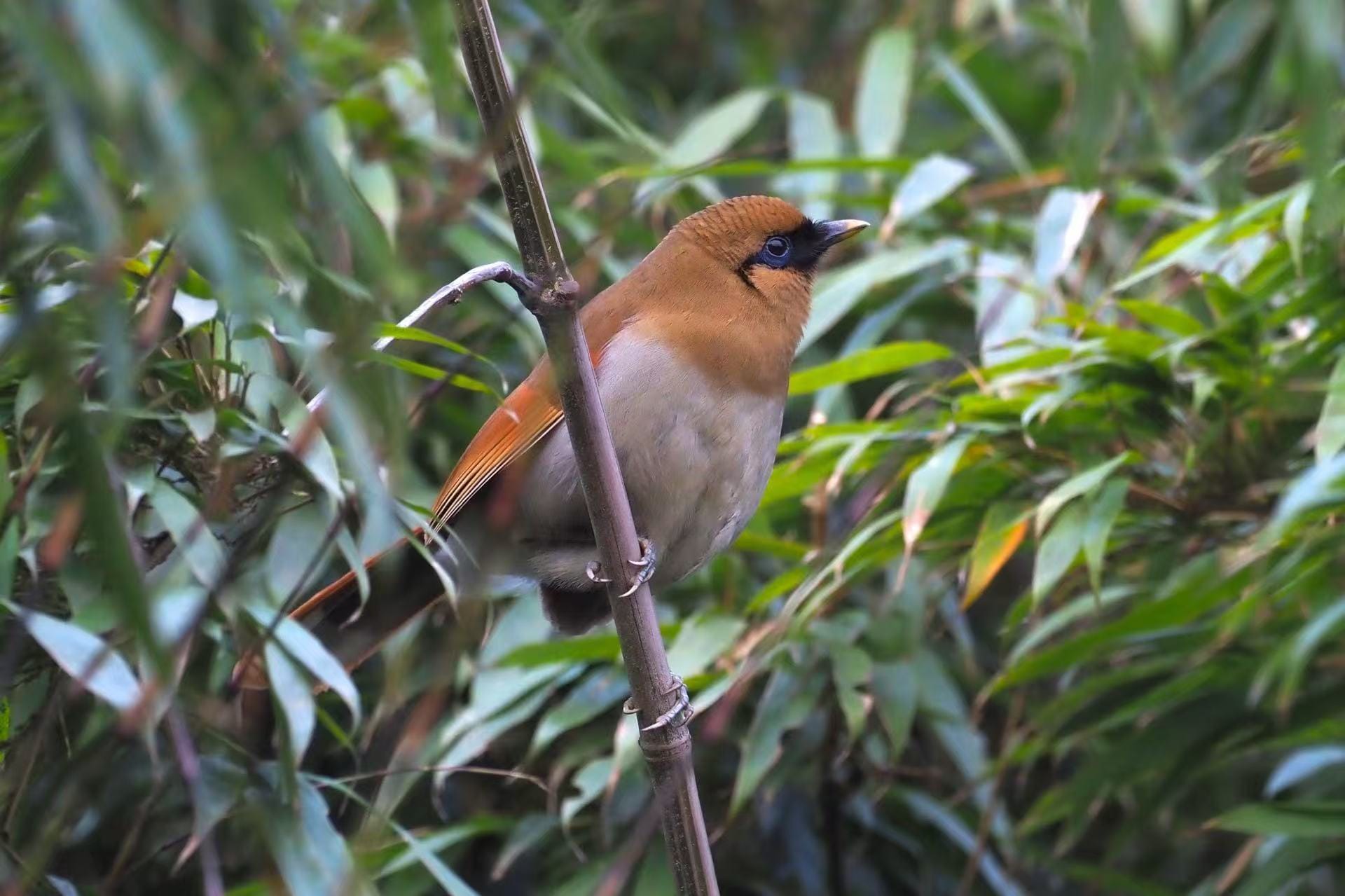
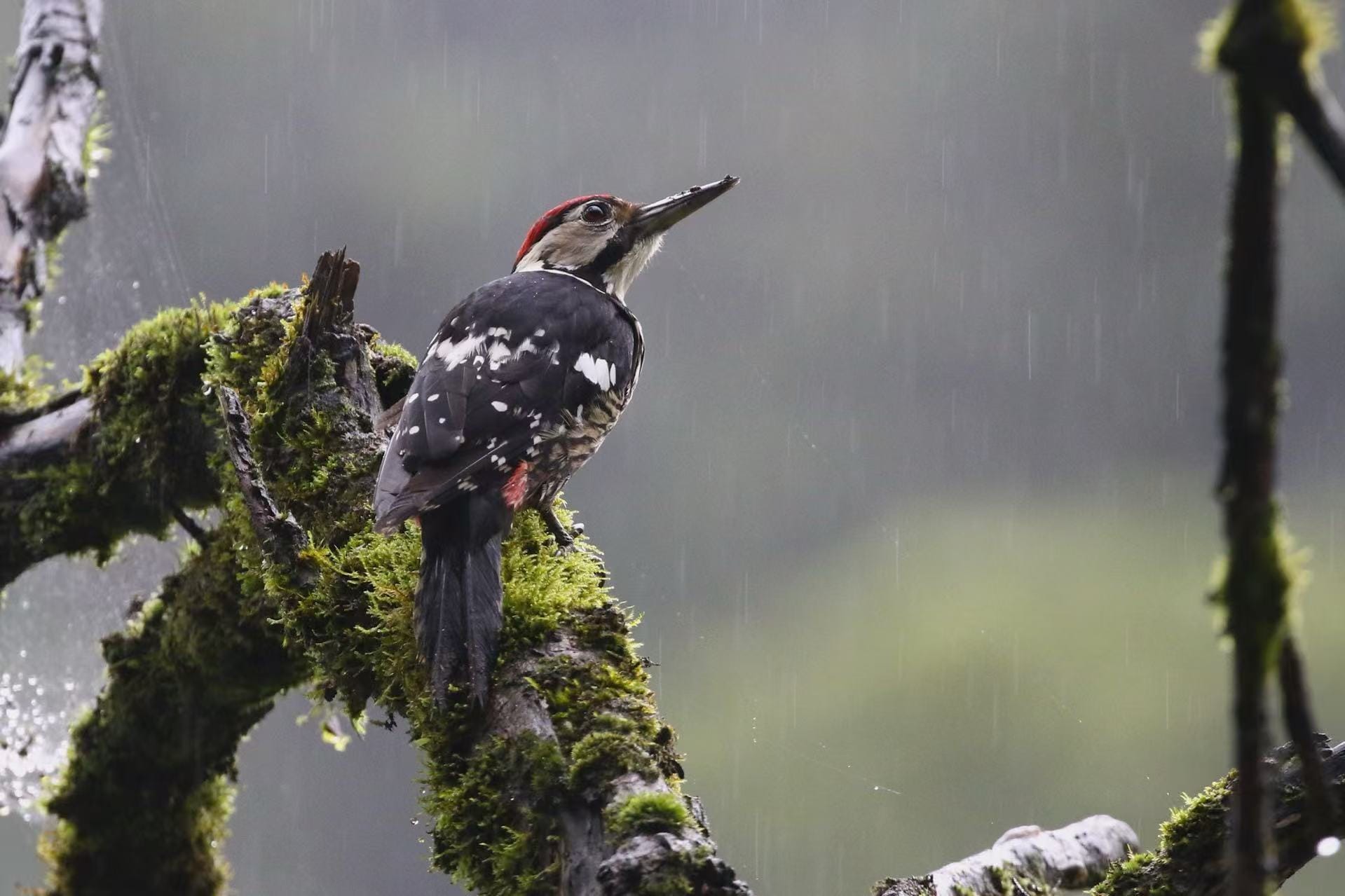
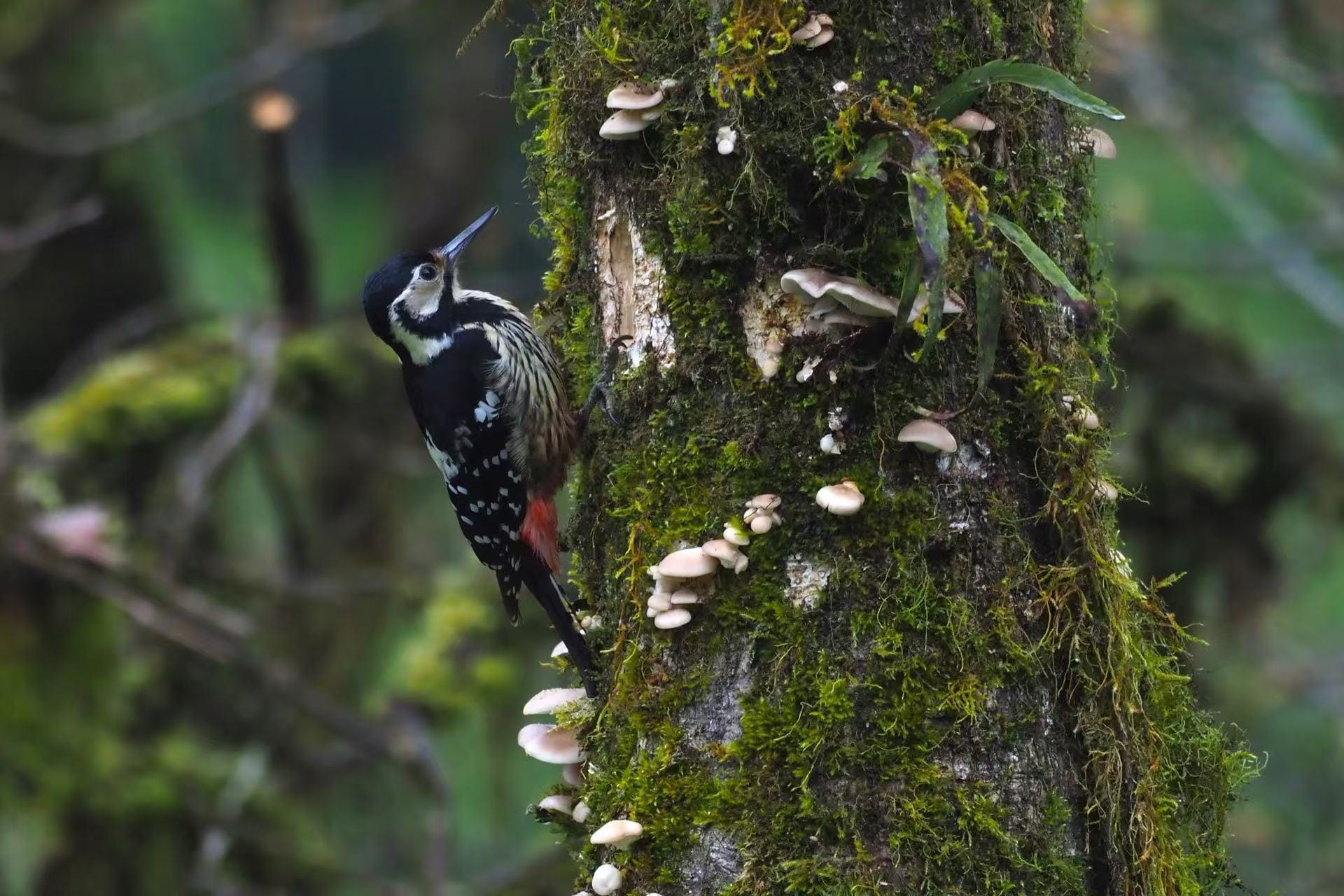
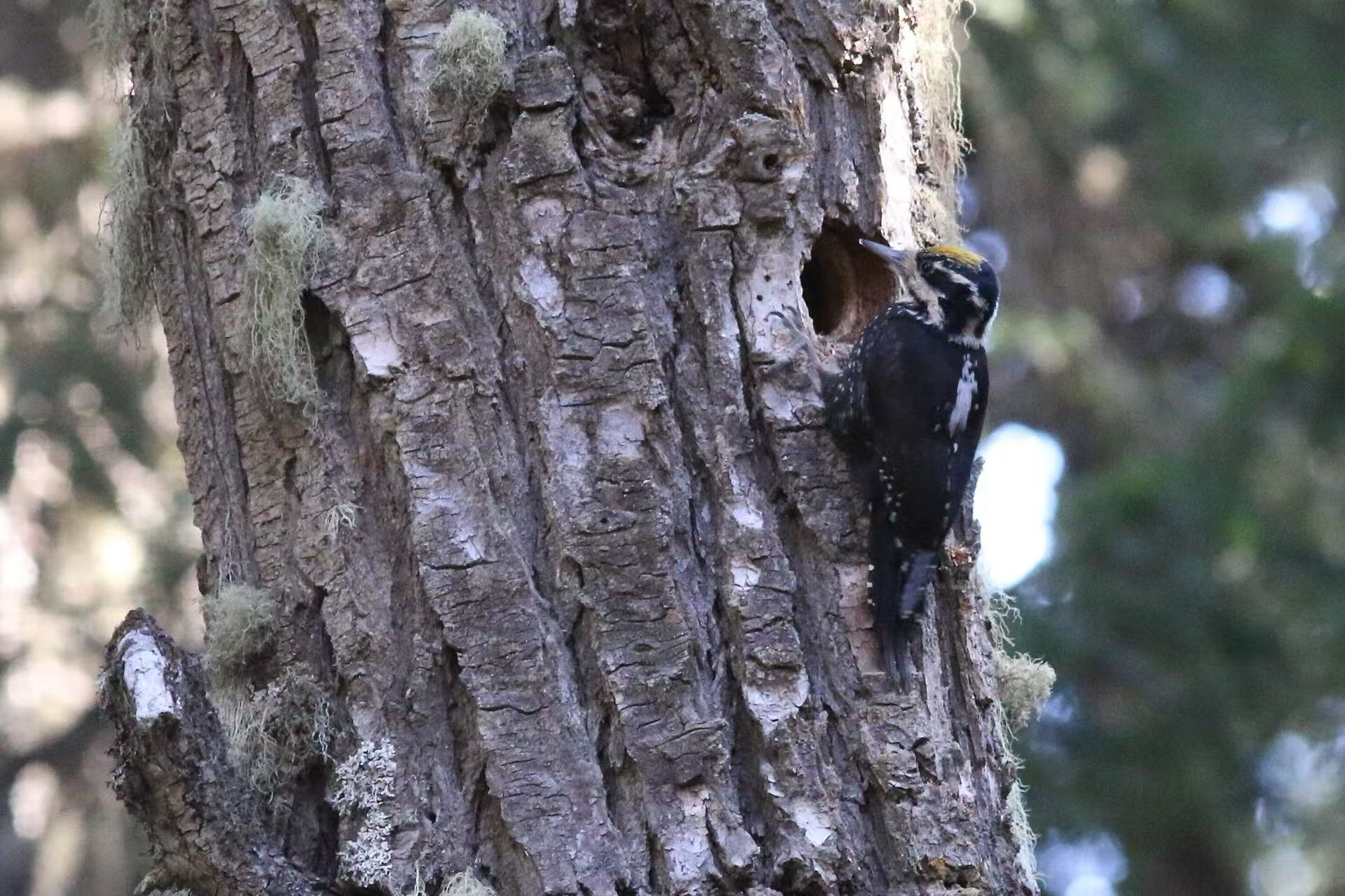
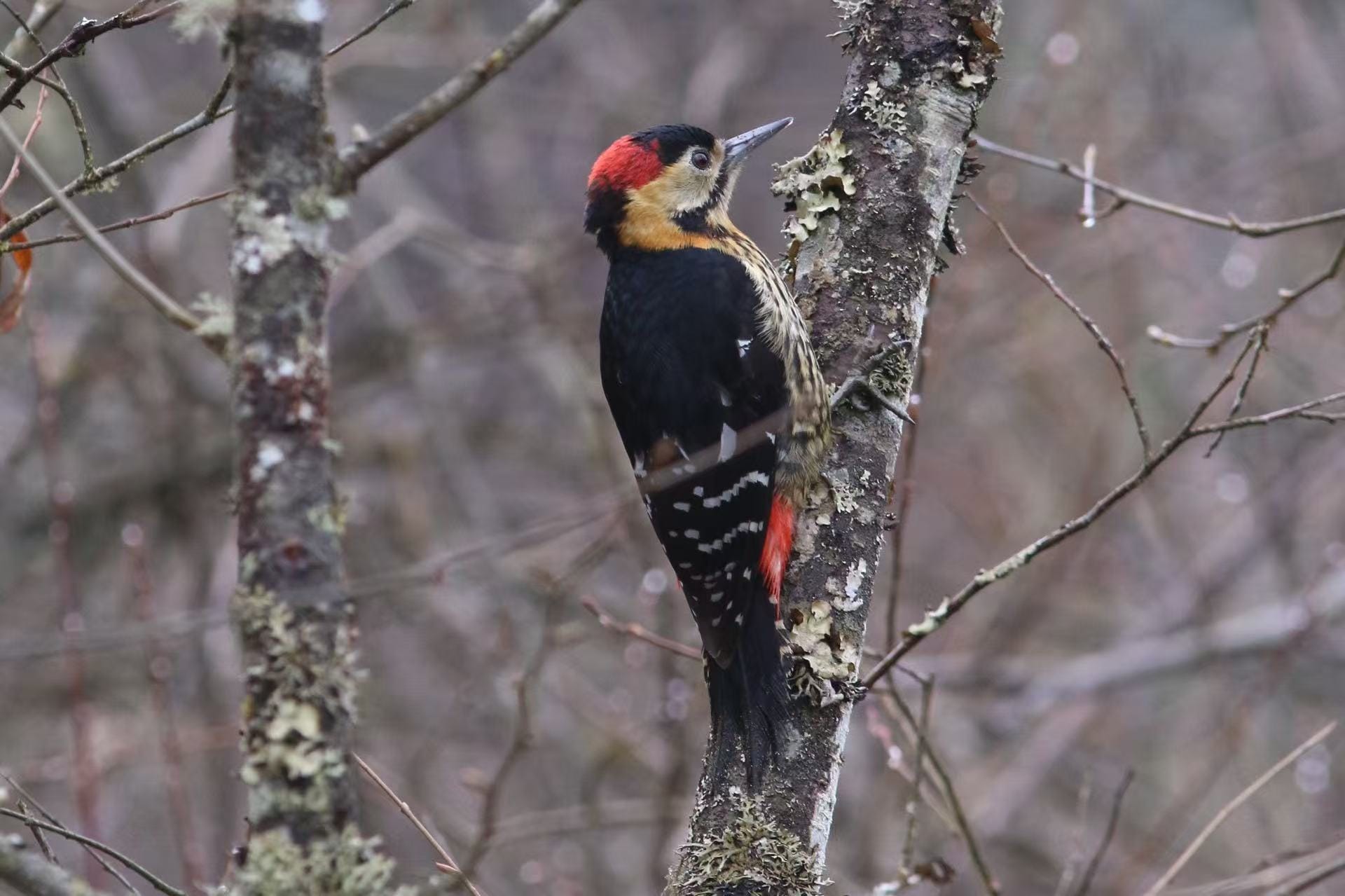
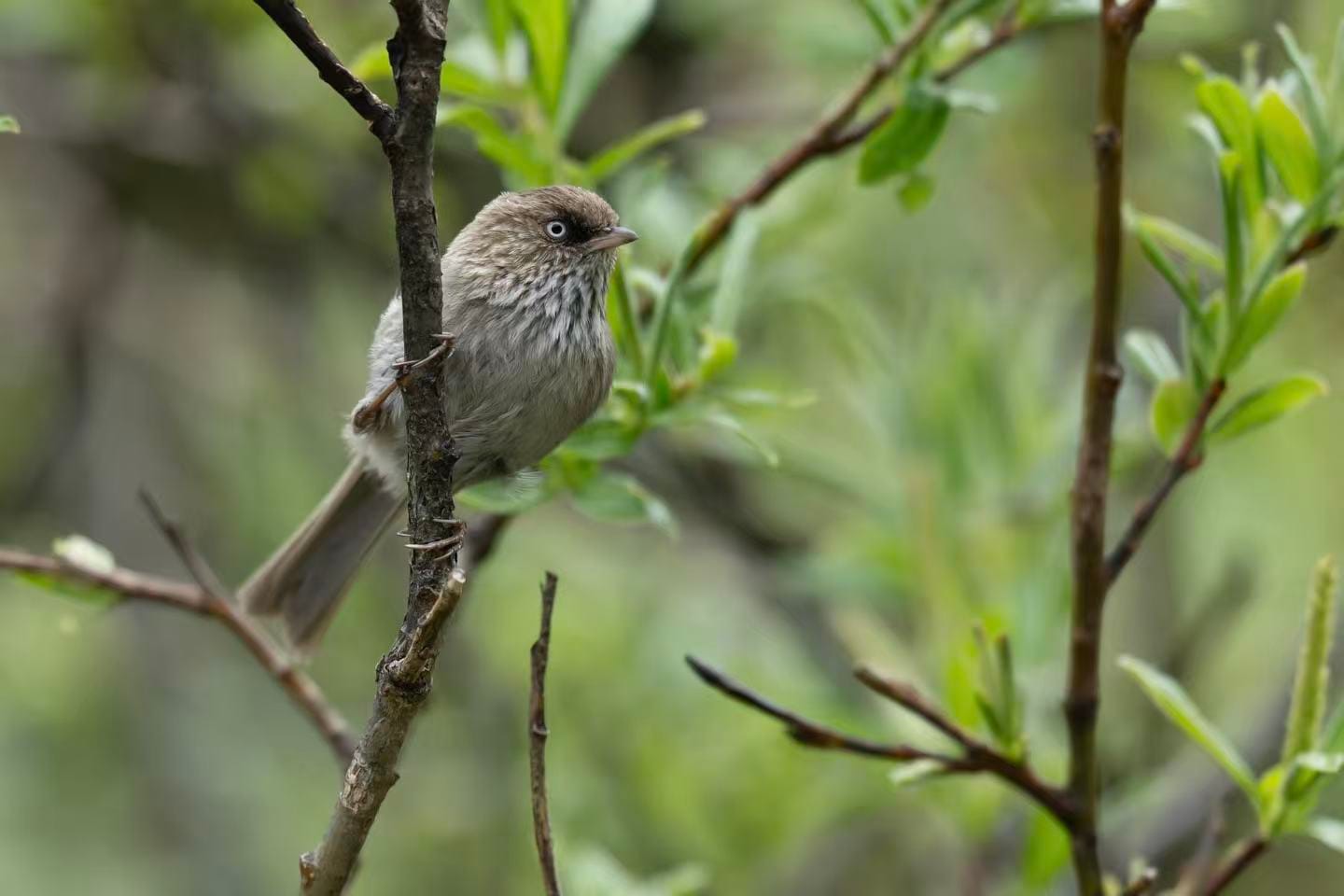
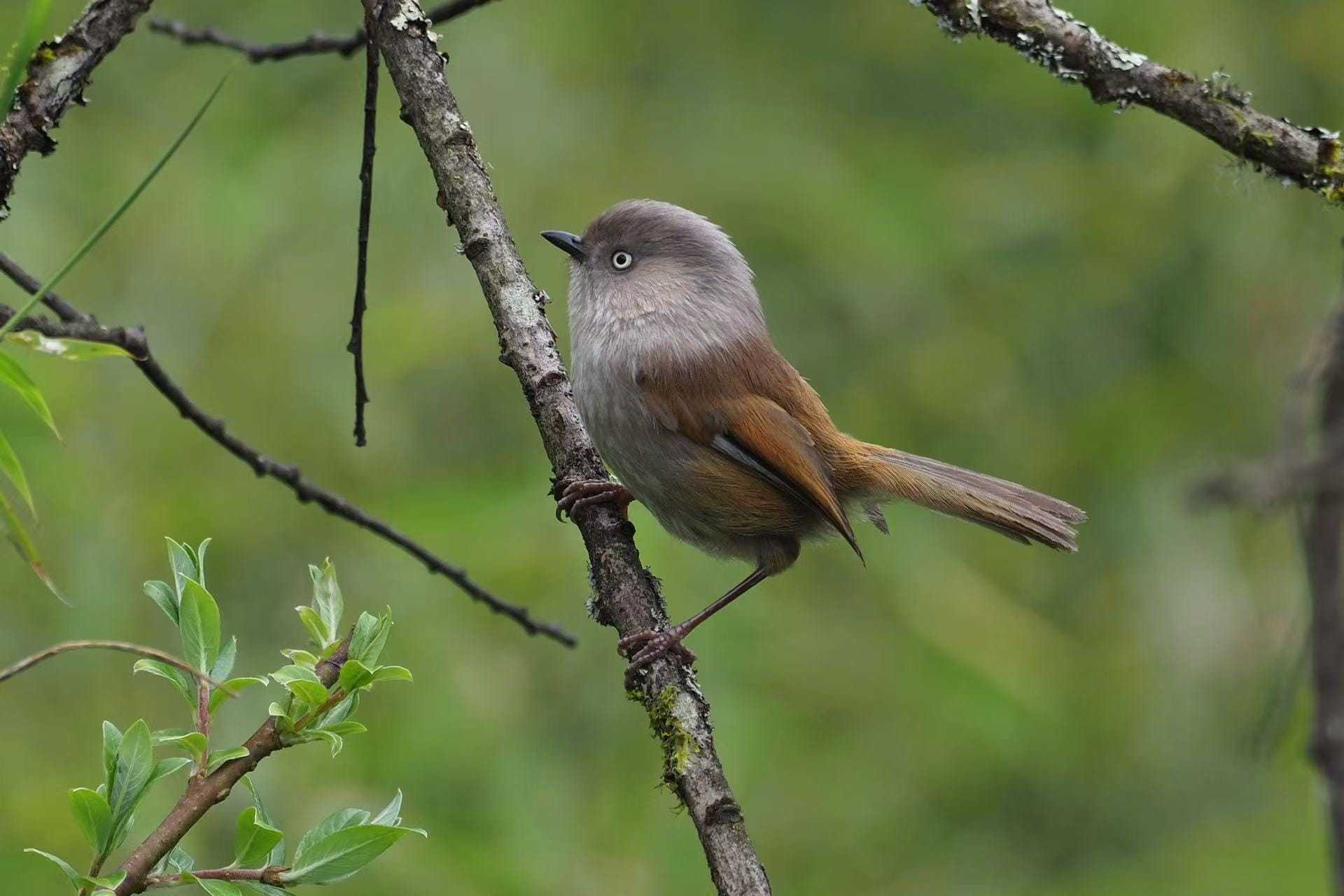
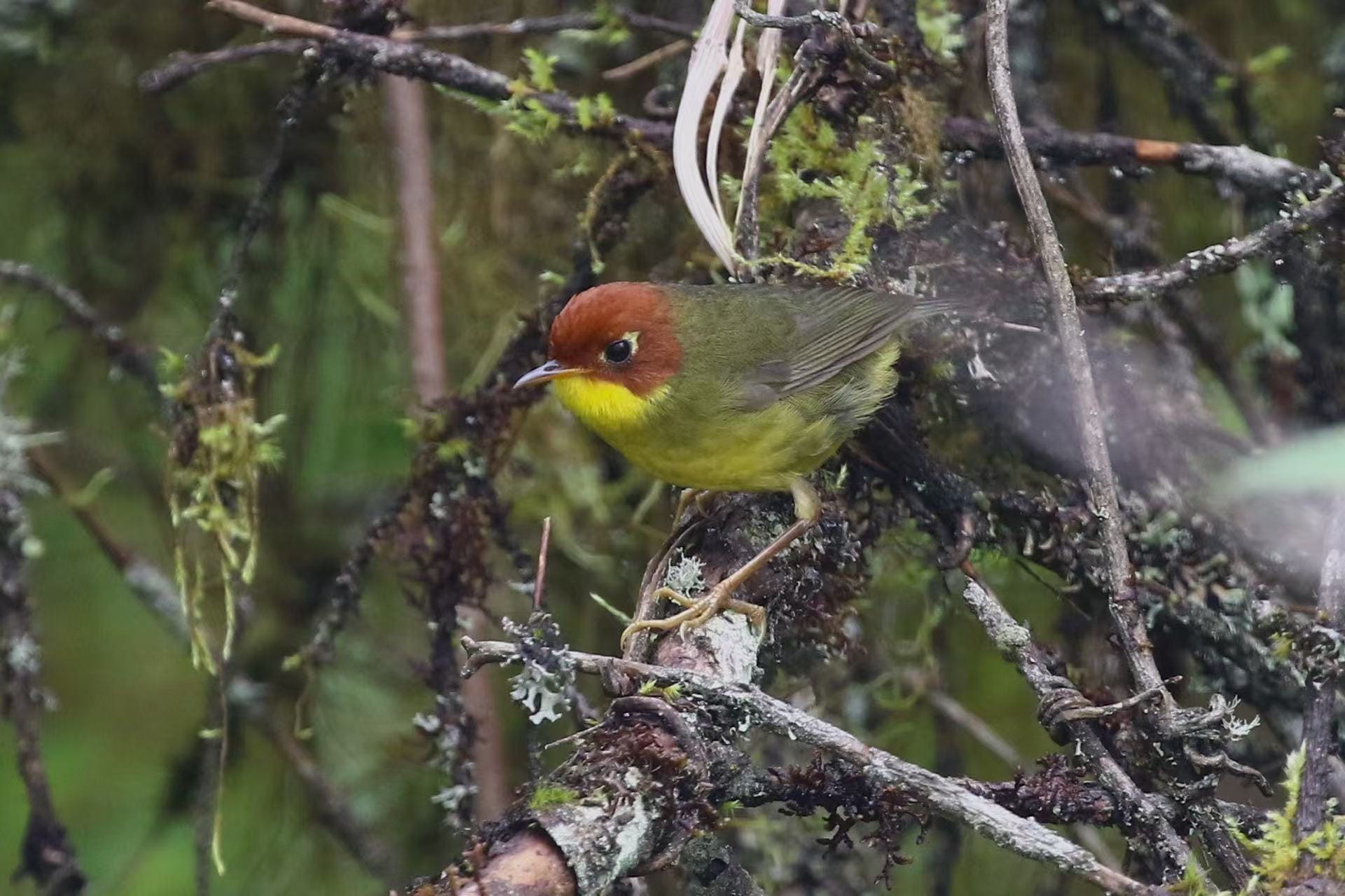
Day 16 — Full day Wawushan Full exploration of Wawu Shan’s bamboo forests and boardwalks. Highlights: Parrotbill diversity (Grey-hooded, Brown, Great, Three-toed, Fulvous, Golden, Ashy-throated), Crimson-breasted & Darjeeling Woodpeckers, Three-toed Woodpecker, Sichuan Forest Thrush, Emei Shan Liocichla, Spotted & Red-winged Laughingthrushes, Wedge-tailed Green Pigeon, White-throated Needletail, Bianchi’s / Marten’s / Alström’s Warblers, and Red Panda! Overnight: Wawushan
Day 17 — Half day Wawushan → Drive to Pingshan (Tanshi Village) Finish missed targets in Wawushan then transfer to Pingshan. Approach to Pingshan highlights: prepare for pheasant hides and mixed lowland forest targets. Overnight: Pingshan
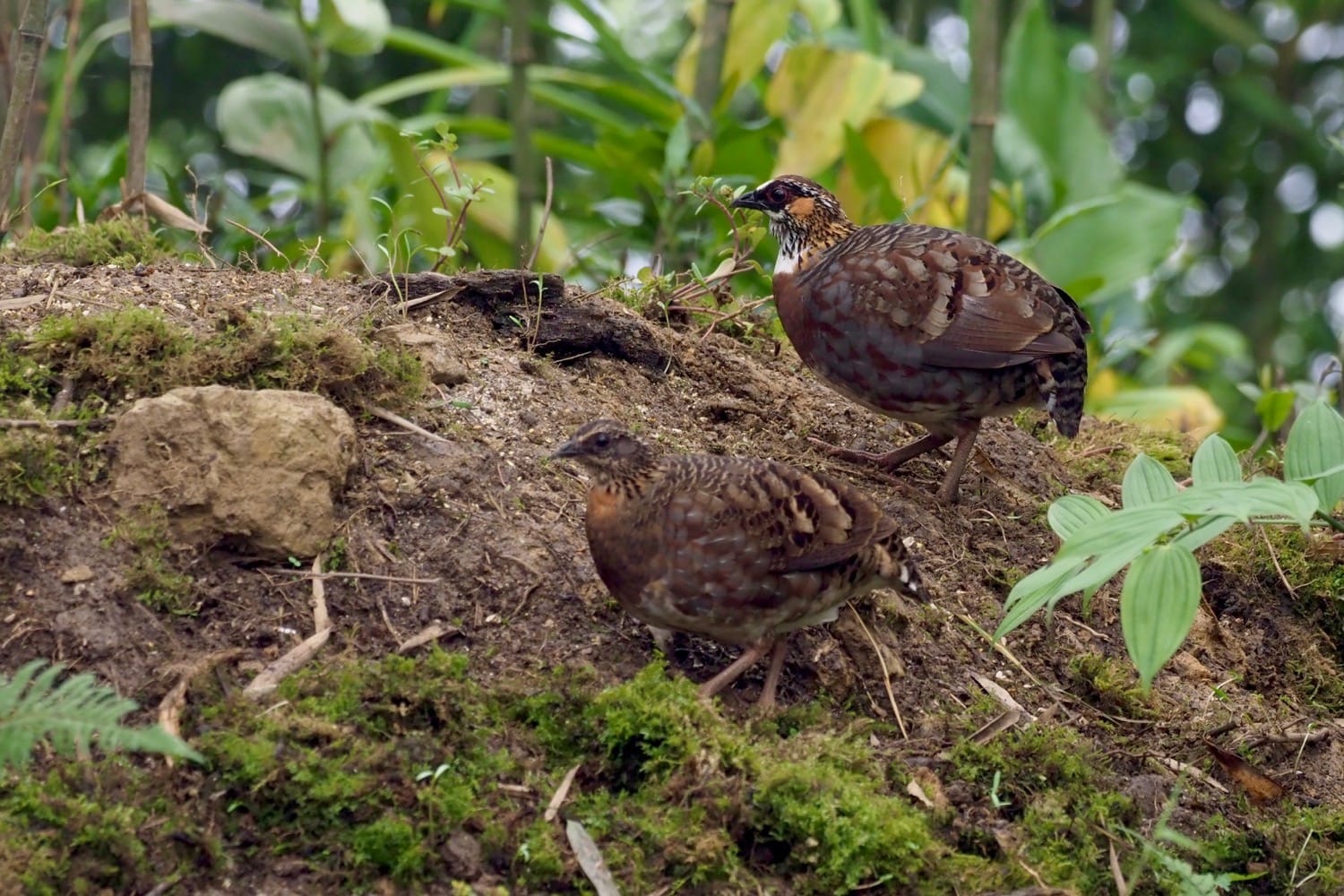
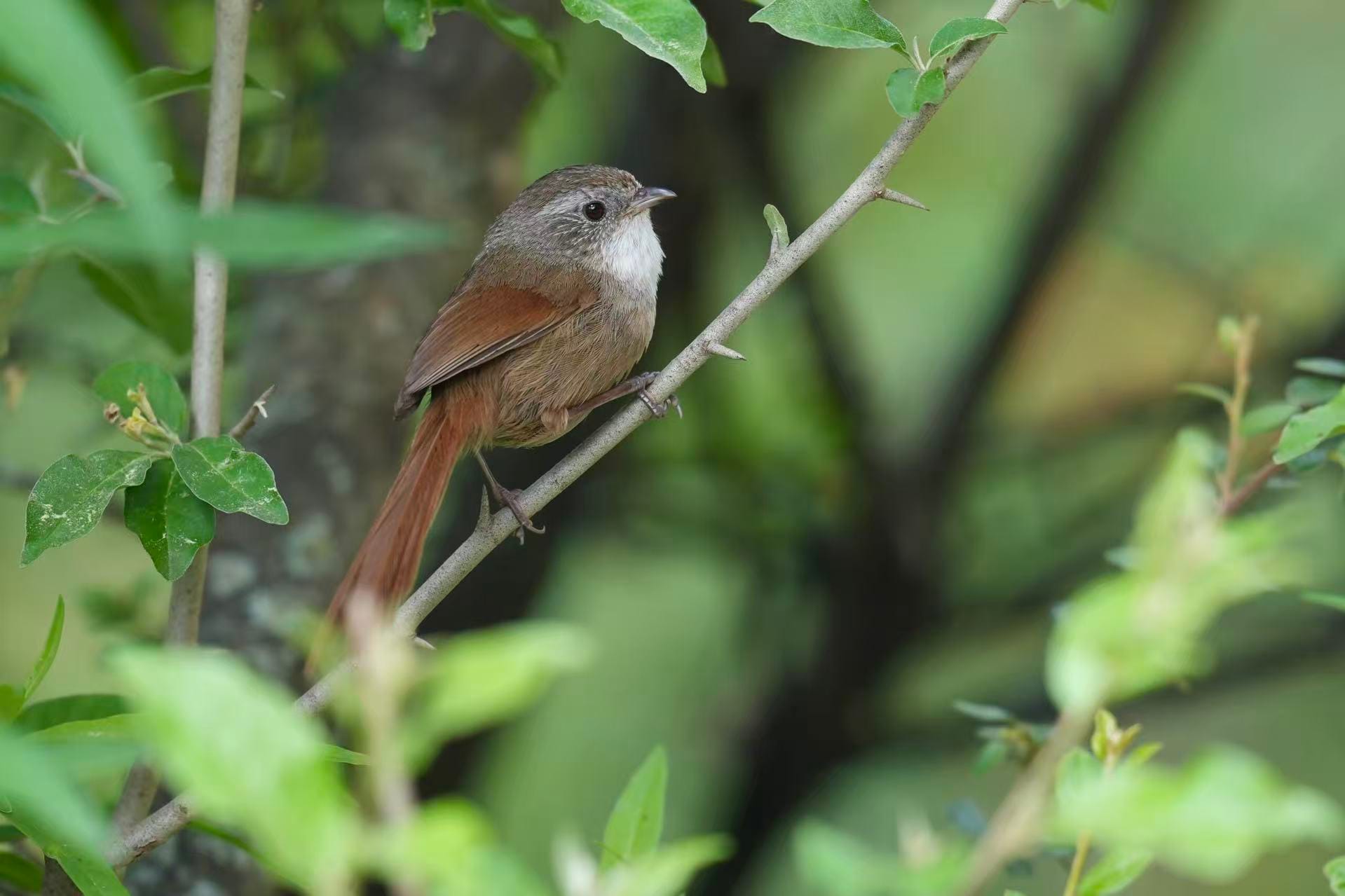
Day 18 — Full day Pingshan (Tanshi Village) A full day at hides and nearby forest for low-altitude pheasants and endemics. Highlights: Sichuan Partridge, Lady Amherst’s Pheasant, Temminck’s Tragopan, Silver Pheasant, Chinese Bamboo Partridge, Emei Shan Liocichla, Buffy Laughingthrush, Grey-headed Parrotbill, Sichuan Bush Warbler, Chinese Hwamei, Slaty-backed Forktail. Overnight: Pingshan
Day 19 — Morning Pingshan → Drive to Chengdu (evening) Morning birding to wrap up Pingshan targets; drive back to Chengdu with stops. Final evening in Chengdu. Overnight: Chengdu
Day 20 (Departure Day)— Chengdu airport send-off & departure Transfer to Chengdu TFU / CTU airport for flights home. End of tour.
Note: The final tour itinerary may change slightly depending on the latest birding conditions.
Practical Notes & Recommendations
Altitude: Elevations range from lowland parks at around 500 m to over 4,000 m on the high plateau. Bring layered clothing and cold-weather gear for chilly mornings and mountain passes.
Driving: There will be several long driving days, though we’ll make regular birding stops along the way. Be prepared for early starts.
Photography: There are excellent opportunities for bird photography throughout the tour. At certain sites, hides (blinds) are available for close-up shots of pheasants. We recommend bringing medium to long telephoto lenses to capture the best images.
Flexibility: The itinerary will generally follow the planned sequence, but minor adjustments may be made to take advantage of the best weather, road, or birding conditions.
Health & Safety: Allow time for altitude acclimatization on high-elevation days, stay hydrated, and inform your guides of any signs of altitude discomfort.

-Ural-Owl-Pere-Davids.jpg)
.jpg)